
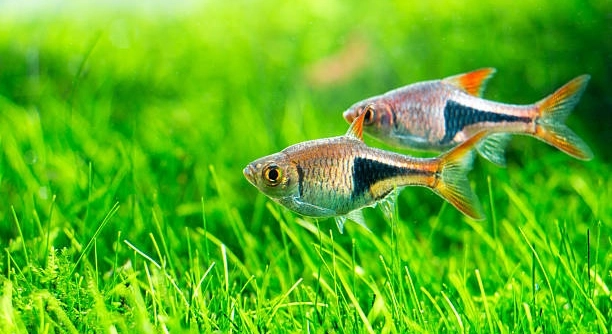
Rasboras are small, colorful fish that bring life to home aquariums. Many owners enjoy watching their playful movements, but some may notice their fish spending most of their time hidden among plants or decorations.
A rasbora constantly hiding usually indicates stress, discomfort, or environmental issues. Factors such as poor water quality, insufficient hiding spots, overly bright lighting, or aggressive tank mates often trigger this behavior, signaling the need for careful observation and adjustment of their habitat.
Observing these habits can help improve your rasbora’s well-being and create a calmer, more balanced environment in the tank.
Common Reasons Rasboras Hide
Rasboras often hide when they feel unsafe or stressed. Bright lights, sudden movements, or loud noises around the tank can make them retreat to corners or behind decorations. Limited hiding spaces in the aquarium increase anxiety, making shy behavior more noticeable. Changes in water temperature or quality can also cause them to hide. Rasboras are sensitive to ammonia, nitrites, and fluctuating pH levels, which can make them seek shelter. Tankmates that chase or nip at them contribute to constant hiding, as does overcrowding. Even when food is plentiful, these fish may prefer hiding if they feel insecure. Providing plants, caves, or dense foliage helps them feel protected. Observing your rasboras’ behavior at different times of day can reveal patterns in hiding, which often correspond with environmental stressors or tank disturbances. Adjusting lighting, water parameters, and decoration placement improves their confidence and encourages more visible activity.
Stress and poor water quality are the main reasons for hiding.
Ensuring a balanced habitat is crucial. Rasboras need clean water, gentle currents, and calm surroundings. Plants and hiding spots reduce anxiety. Proper tankmates prevent bullying, and stable temperatures maintain comfort. Regular observation helps catch problems early, allowing quick adjustments.
Adjusting the Aquarium Environment
Adding plants and decorations gives rasboras safe spots.
Providing a natural, comfortable environment reduces fear and encourages activity. Dense plants, driftwood, and small caves offer security, while open swimming areas allow exploration without stress. Balancing lighting and water temperature helps them feel stable.
Water conditions directly affect rasboras’ behavior. Testing for ammonia, nitrites, and nitrates ensures they remain at safe levels. Gradual water changes maintain stability and prevent sudden stress. Overcrowding increases tension, so maintaining proper fish numbers is essential. Bright, constant lighting can overwhelm them, so using dimmers or shaded areas helps. Choosing peaceful tankmates prevents chasing or nipping, reducing hiding. Observing daily behavior identifies patterns, such as hiding after feeding or during cleaning, which informs adjustments. Even subtle changes like rearranging decorations can influence comfort. By creating a calm, consistent environment, rasboras feel secure and gradually spend more time swimming in open areas. Small steps like adding a few plants or adjusting lighting can noticeably improve their confidence and overall well-being.
Water Quality and Temperature
Poor water quality often causes rasboras to hide. High ammonia, nitrite, or nitrate levels make them uncomfortable, as do sudden temperature changes. Consistent water conditions help them feel safe and encourage regular swimming patterns.
Maintaining stable water parameters is essential for rasbora health. Regular testing of pH, ammonia, nitrites, and nitrates prevents stress and disease. Water temperature should remain consistent, ideally between 22°C and 28°C. Gradual changes are safer than sudden shifts, which can shock the fish. Partial water changes every week help maintain cleanliness without disturbing the tank too much. Using a reliable heater and thermometer ensures consistent temperature. These measures reduce hiding behavior and support overall well-being, allowing rasboras to display natural activity. Monitoring water quality daily makes it easier to spot problems early and prevent prolonged stress.
Overfeeding or leftover food can also affect hiding habits. Excess waste can pollute water, increasing stress. Maintaining a proper feeding schedule and cleaning uneaten food prevents these issues. A balanced diet contributes to stronger health and calmer behavior, reducing the tendency to hide frequently.
Tankmates and Social Behavior
Rasboras are peaceful fish, and aggressive tankmates trigger constant hiding. Bullying or nipping disrupts their sense of security.
Choosing compatible tankmates ensures a calm environment. Fish with similar temperaments, such as tetras or small peaceful species, reduce stress. Overcrowding should be avoided, as too many fish create tension and competition. Observing social interactions helps identify any aggression early. Rasboras feel more confident in groups of at least six, allowing them to form natural shoals. Providing enough swimming space and hiding areas further minimizes conflict. When tankmates are harmonious, rasboras display natural behaviors like schooling and exploring. Adjusting the tank setup and monitoring social dynamics fosters a balanced, stress-free environment, gradually reducing hiding tendencies.
Lighting and Hiding
Too much light makes rasboras feel exposed, increasing hiding behavior. Dim or shaded areas help them feel secure, allowing more natural movement.
Adjusting the lighting schedule gradually reduces stress. Using floating plants or creating shaded zones gives them safe spaces, balancing visibility with comfort.
Stress from Tank Maintenance
Frequent or rough cleaning can frighten rasboras. Sudden disturbances, strong water currents, or rearranging decorations may trigger hiding. Keeping maintenance gentle and predictable helps fish adjust, lowering anxiety.
Feeding Habits
Uneven or infrequent feeding can make rasboras cautious. A consistent schedule encourages activity and reduces hiding tendencies.
Signs of Illness
Hiding can indicate illness. Look for discoloration, clamped fins, or lethargy, which require prompt attention and possible treatment.
FAQ
Why does my rasbora hide all the time?
Rasboras hide mainly due to stress or discomfort. Bright lighting, aggressive tankmates, or sudden movements can make them feel unsafe. Water quality issues, like high ammonia or sudden temperature changes, also trigger hiding. Providing stable conditions, plenty of plants, and gentle tankmates encourages them to swim more openly.
How can I tell if hiding is normal behavior?
Occasional hiding is natural, especially when they are resting or exploring new areas. Persistent hiding, particularly for long periods during the day, often indicates stress, illness, or poor water conditions. Observing patterns, tank conditions, and interactions helps distinguish normal behavior from problems.
Can tank size affect hiding?
Yes. Small or overcrowded tanks increase stress and force fish into hiding. Rasboras need room to school and swim freely. A minimum of 10 gallons for a small group is recommended, with additional space for plants and decorations to provide security.
Do rasboras prefer certain plants or decorations for hiding?
Dense plants, moss, and small caves give rasboras safe spots. Floating plants or tall grasses create shaded areas where they feel protected. Arranging decorations to form small nooks encourages exploration while reducing anxiety. Variety in hiding places supports natural behavior and confidence.
Does water temperature influence hiding?
Absolutely. Rasboras are sensitive to sudden temperature changes. Keeping the water between 22°C and 28°C provides comfort. Fluctuations can stress them, prompting hiding. Using a reliable heater and thermometer helps maintain stable conditions, which reduces anxiety and supports normal activity.
Can lighting cause hiding?
Yes. Too much bright light makes rasboras feel exposed. Adjusting the light intensity or providing shaded areas with floating plants reduces stress. Gradual lighting changes are better than sudden shifts, allowing fish to adapt without retreating constantly.
Do tankmates affect hiding behavior?
Aggressive or fast-moving tankmates can make rasboras feel threatened. Peaceful species with similar temperaments are ideal. Maintaining a proper number of fish prevents overcrowding and reduces competition. Observing social interactions helps identify conflicts early and allows adjustments to keep hiding minimal.
Is hiding a sign of illness?
Hiding can indicate sickness. Look for physical signs such as clamped fins, faded colors, or unusual swimming patterns. Illness combined with hiding should prompt water testing and possible treatment. Early detection prevents worsening health issues.
Does feeding schedule influence hiding?
Yes. Irregular or infrequent feeding may make rasboras cautious and hide. A consistent feeding routine builds confidence and encourages them to explore. Avoid overfeeding, as leftover food can pollute water, increasing stress and hiding.
How can I reduce hiding in my rasboras?
Focus on stable water quality, consistent temperature, and gentle lighting. Provide hiding spaces like plants and caves, ensure peaceful tankmates, and maintain a proper feeding routine. Observing their behavior and gradually making changes helps rasboras feel secure and more active in the tank.
Can rearranging decorations affect hiding?
Yes. Sudden changes in the environment can trigger hiding. Rearranging slowly and maintaining familiar hiding spots prevents stress. Fish adapt better when their habitat changes are gradual and predictable.
How long does it take for rasboras to stop hiding?
It depends on the cause. With stable water, peaceful tankmates, and adequate hiding spaces, most rasboras gradually become more active over days to weeks. Patience and consistent care are essential to see noticeable improvements.
Are certain rasbora species more prone to hiding?
Some species, like harlequin or chili rasboras, are naturally shy and may hide more than others. Providing appropriate conditions and observing their preferences allows even the shyest fish to feel secure and gradually become more visible.
Does water current influence hiding?
Strong currents can stress rasboras, causing them to seek shelter. Gentle flow with calm areas allows comfortable swimming. Balancing filtration and water movement helps reduce constant hiding behavior.
Can stress from human activity affect hiding?
Yes. Frequent tapping, sudden movement near the tank, or loud noises can make rasboras retreat. Minimizing disturbances and maintaining a calm environment encourages confidence and reduces hiding.
How do I know if hiding is temporary or a serious issue?
Temporary hiding is usually linked to minor stress or environmental changes. Persistent hiding combined with signs like poor appetite, clamped fins, or abnormal swimming indicates a serious issue. Monitoring water quality and fish behavior helps determine if intervention is needed.
Can seasonal changes affect hiding?
Seasonal shifts in room temperature or lighting can impact comfort. Maintaining consistent water conditions and adjusting lighting as needed helps rasboras feel secure year-round. Gradual adaptation prevents unnecessary stress and hiding.
Do rasboras hide more during breeding?
During spawning, some rasboras may hide or stay in secluded areas. This behavior is normal. Providing safe, secluded spots in the tank supports breeding without excessive stress.
Is it normal for rasboras to hide at night?
Yes. Like many fish, rasboras rest during darker hours. Hiding at night is natural and not a cause for concern. Ensuring sufficient light during the day and shaded areas at night maintains healthy patterns.
Can chemical additives affect hiding?
Some medications or water treatments can temporarily stress fish, increasing hiding. Following instructions carefully and monitoring behavior ensures minimal impact on their comfort and safety.
Does the shape of the tank matter?
Yes. Long, horizontal tanks provide more swimming space and reduce stress. Tall, narrow tanks limit movement, which can increase hiding behavior. Choosing a tank that allows room for schooling and exploration supports natural activity.
Can overcrowding make rasboras hide?
Overcrowding increases stress, competition, and aggression, leading to frequent hiding. Maintaining proper fish numbers and ensuring adequate space and decorations reduces tension and promotes visible activity.
Is it normal for rasboras to hide after being introduced to a new tank?
Yes. New tanks can be overwhelming. Gradually adding fish, providing plants, and monitoring water quality helps them acclimate. Most rasboras become more active once they feel safe in their environment.
How can I create a balance between hiding and swimming space?
Provide enough plants and decorations for security but leave open areas for swimming. Balance ensures rasboras feel safe yet can explore freely. Observing their movement patterns helps adjust placement and maintain a comfortable environment.
Are there signs that hiding is linked to environmental stress?
Yes. Consistent hiding alongside lethargy, reduced feeding, or erratic swimming indicates stress. Testing water quality, adjusting tankmates, and improving habitat conditions usually resolves these issues.
Can changing the light schedule improve hiding behavior?
Gradual changes to lighting, such as dimming at first or providing shaded zones, reduce stress. Maintaining a consistent day-night cycle encourages natural behavior and minimizes excessive hiding.
Do rasboras prefer group hiding or solitary hiding?
Rasboras are schooling fish and feel safer in groups. They often hide together in plants or caves, gaining confidence from company. Providing sufficient space for the group prevents overcrowding while supporting natural social behavior.
How long should I observe behavior before taking action?
Monitoring for several days to a week is usually sufficient. Persistent hiding with signs of stress or illness should prompt adjustments to water, lighting, tankmates, or decorations to ensure well-being.
Can rearranging tank layout reduce hiding?
Yes, but changes should be gradual. Rearranging plants and decorations strategically can create more secure hiding spots while opening swimming areas, helping rasboras explore confidently.
Are hiding tendencies stronger in younger or older rasboras?
Younger or newly introduced rasboras tend to hide more as they adapt to their environment. Older fish may hide due to stress, illness, or aggressive tankmates. Awareness of age-related behavior helps address hiding appropriately.
How important is observation in reducing hiding?
Careful daily observation identifies stressors, behavioral changes, and environmental issues early. Understanding their habits allows timely adjustments to water quality, lighting, tankmates, and decorations, improving comfort and reducing hiding over time.
What immediate steps help a hiding rasbora?
Check water parameters, ensure stable temperature, provide sufficient plants or caves, reduce aggressive tankmates, and maintain a calm environment. Gradual adjustments and patience help rasboras feel secure and gradually increase activity.
How long until rasboras feel comfortable in a new tank?
Most rasboras acclimate within a week or two, depending on tank setup and conditions. Providing hiding spaces, stable water, and gentle lighting accelerates comfort and reduces hiding tendencies.
Are there long-term strategies to prevent excessive hiding?
Yes. Maintain consistent water quality, stable temperature, peaceful tankmates, adequate hiding spaces, and a balanced feeding schedule. Observing behavior and making gradual adjustments supports long-term confidence and natural activity.
Does human interaction influence hiding?
Frequent tapping or sudden movements can frighten rasboras. Gentle, calm interactions encourage confidence over time. Minimizing disturbances and allowing gradual adaptation reduces unnecessary hiding.
Can multiple stress factors combine to increase hiding?
Yes. Poor water quality, aggressive tankmates, bright lights, and overcrowding together amplify hiding behavior. Addressing each factor individually and maintaining overall tank stability reduces stress and encourages normal swimming patterns.
Are certain foods more encouraging for activity?
High-quality, appropriately sized foods that are regularly offered encourage rasboras to swim out of hiding. Variety in diet stimulates interest, supports health, and reduces anxiety-related hiding.
How can I know if hiding is purely behavioral or health-related?
If hiding occurs with no other symptoms, it’s likely behavioral or environmental. If combined with lethargy, color fading, or unusual movement, it may indicate illness, requiring water tests, treatment, or veterinary advice.
Does the type of substrate affect hiding?
Yes. Darker or natural-colored substrates help rasboras feel secure, while reflective or very bright substrates may increase hiding. Matching substrate to natural preferences reduces anxiety.
Can water flow adjustments reduce hiding?
Strong currents make rasboras retreat. Gentle flow with calm zones supports comfort. Using adjustable filters or deflectors balances water movement and encourages exploration.
Are rasboras more likely to hide during stress from new tankmates?
Yes. Introducing new fish can temporarily increase hiding. Gradually adding tankmates, observing behavior, and ensuring peaceful interactions helps rasboras adjust without excessive stress.
Do seasonal lighting changes impact hiding?
Yes. Seasonal shifts in natural or artificial light can cause temporary hiding. Maintaining consistent aquarium lighting and providing shaded areas minimizes stress.
Can hiding behavior affect overall health?
Prolonged hiding may indicate chronic stress, affecting appetite, immunity, and growth. Ensuring a stable, comfortable environment promotes both mental and physical well-being.
Is it normal for rasboras to hide after illness or treatment?
Yes. Recovering fish may retreat to feel safe. Providing quiet areas and stable conditions supports recovery and gradually encourages normal activity.
Does tank decoration style influence hiding frequency?
Yes. Dense plants, caves, and shaded areas reduce stress, while sparse or overly bright layouts may increase hiding. Thoughtful decoration planning balances security with swimming space.
How does water hardness affect hiding?
Extreme water hardness can stress rasboras. Maintaining appropriate soft to moderately hard water supports comfort and reduces hiding tendencies. Gradual adjustments prevent sudden stress.
Can hiding behavior indicate aggression within a group?
Yes. Dominant fish may intimidate others, leading to hiding. Observing interactions and providing ample space and plants helps reduce tension and supports natural schooling behavior.
How can I use observation to improve hiding behavior?
Tracking daily activity, preferred hiding spots, and responses to environmental changes identifies stressors. Adjusting water, lighting, tankmates, and decorations based on observation improves comfort and encourages open swimming.
Does water clarity affect hiding?
Yes. Murky or very bright water can increase hiding. Maintaining clear, clean water and balanced lighting supports comfort and reduces anxiety.
Can gradual introduction of stimuli reduce hiding?
Yes. Slowly adding decorations, adjusting lighting, or introducing new tankmates allows rasboras to adapt, reducing stress-related hiding over time.
Are there behavioral signs that hiding is improving?
Rasboras exploring more often, swimming in open areas, and interacting with tankmates indicate reduced stress and increased confidence. Tracking these signs confirms progress.
How important is routine in reducing hiding?
Consistent feeding, lighting, and maintenance routines provide predictability, which lowers stress and encourages natural, active behavior. Routine helps rasboras feel safe and reduces hiding.
Does seasonal temperature fluctuation influence hiding?
Yes. Sudden temperature changes during seasonal shifts can stress fish. Using heaters and monitoring temperature maintains comfort and reduces hiding behavior.
How do I know if hiding behavior is permanent or temporary?
Temporary hiding usually resolves with stable water, proper tankmates, and safe hiding spots. Persistent hiding combined with illness signs or environmental stress requires intervention. Observation over days to weeks helps determine duration and cause.
Can tank depth influence hiding?
Yes. Shallow tanks with limited vertical space may increase stress, while moderate-depth tanks provide more areas to retreat or explore safely. Balancing depth with plants and hiding spots improves comfort.
Do rasboras hide more when alone?
Yes. Being alone increases stress, as they are schooling fish. Groups of at least six reduce anxiety and encourage normal swimming, lowering hiding behavior.
Does tank placement in the room affect hiding?
Yes. High-traffic areas or direct sunlight can stress rasboras. Placing the tank in a quiet, stable location reduces unnecessary hiding.
Can regular interaction reduce hiding?
Gentle, calm observation over time helps fish acclimate to human presence, reducing stress and increasing confidence without forcing interaction.
How do I know if hiding is linked to aggression from other species?
Persistent chasing, nipping, or cornering by other fish indicates aggression. Separating aggressive tankmates or providing more hiding spaces reduces hiding caused by intimidation.
Are hiding tendencies stronger in certain lighting conditions?
Yes. Bright, constant light increases hiding. Providing shaded zones or floating plants reduces exposure and promotes exploration.
Does the type of filter impact hiding?
Strong water currents or noise from filters may stress rasboras. Using gentle filtration and calm flow reduces hiding and encourages active swimming.
How long should I wait after changing water parameters to see improvements?
Behavioral changes may take several days. Gradual adjustments prevent shock, and consistent monitoring ensures rasboras regain comfort and reduce hiding gradually.
Can seasonal temperature swings be minimized to reduce hiding?
Yes. Using heaters or adjusting room temperature gradually maintains stability, lowering stress and hiding tendencies.
Are hiding spots essential for young rasboras?
Yes. Juveniles are more timid. Providing plants, caves, and shaded areas helps them gain confidence while reducing stress-induced hiding.
Does water flow from pumps affect hiding?
Strong currents make rasboras seek shelter. Gentle flow with calm zones supports comfort and exploration without constant retreat.
Are shy rasbora species more likely to hide even in ideal conditions?
Yes. Harlequin and chili rasboras are naturally timid. Proper habitat and group living help them feel secure but they may still retreat occasionally.
Can feeding frequency influence hiding?
Yes. Regular, small feedings reduce anxiety and encourage exploration. Overfeeding can pollute water, increasing stress and hiding.
Do seasonal lighting variations affect hiding?
Yes. Sudden seasonal changes in light intensity or duration can stress fish. Maintaining a consistent day-night cycle reduces unnecessary hiding.
Is hiding linked to water chemistry changes?
Yes. Sudden shifts in pH, hardness, or mineral content can stress rasboras. Gradual adjustments and testing ensure comfort and reduce hiding.
How can I track improvement in hiding behavior?
Daily observation of swimming patterns, preferred hiding spots, and interactions indicates progress. More open swimming and less frequent retreat show reduced stress and increased confidence.
Are there natural behaviors associated with hiding?
Yes. Rasboras hide to rest, avoid threats, or feel secure. Understanding this distinction helps differentiate normal from stress-related hiding.
Do seasonal tank maintenance routines affect hiding?
Frequent, rough cleaning or sudden changes during seasonal maintenance can increase hiding. Gentle, gradual adjustments maintain comfort and reduce stress.
Can adding plants gradually reduce hiding?
Yes. Slowly introducing plants allows rasboras to adapt, providing security and promoting more visible, natural activity over time.
Does tank location relative to room activity matter?
Yes. High-traffic areas or vibrations increase stress. Quiet, stable placement reduces hiding and supports calm behavior.
Are there warning signs that hiding is serious?
Persistent hiding with faded colors, clamped fins, or lethargy indicates potential illness or chronic stress. Immediate attention to water quality and tank conditions is needed.
Does the presence of reflections increase hiding?
Yes. Reflections can confuse or stress rasboras, causing them to retreat. Reducing reflective surfaces or adjusting lighting helps.
Can hiding behavior affect breeding success?
Excessive stress from hiding may reduce spawning activity. Providing safe hiding spots and a calm environment supports natural breeding behavior.
Is hiding more common in newly introduced fish?
Yes. New fish often hide while acclimating. Stable water, plants, and gentle tankmates accelerate comfort and reduce prolonged hiding.
Do rasboras hide more during specific times of day?
Yes. Early morning or bright light periods can trigger hiding. Observing patterns helps adjust lighting and placement for comfort.
Can regular water testing prevent hiding?
Yes. Monitoring parameters like pH, ammonia, nitrites, and nitrates ensures stable conditions, reducing stress and hiding behavior.
Does hiding frequency vary between individual rasboras?
Yes. Personality and confidence differ. Some remain shy despite ideal conditions, while others explore openly. Recognizing these differences helps tailor tank adjustments.
Are certain diets linked to reduced hiding?
High-quality, varied diets improve health and energy, encouraging active swimming. Feeding appropriate portions prevents water pollution, lowering stress-induced hiding.
How do I balance hiding spots with swimming space?
Provide sufficient plants and caves for security while leaving open areas for schooling. Observation helps adjust layout to ensure comfort and activity.
Does water temperature stability reduce hiding?
Yes. Consistent temperatures prevent stress. Using heaters and monitoring daily ensures comfort, encouraging natural behavior.
Can I use behavior observation to predict hiding triggers?
Yes. Noting when and where rasboras hide identifies environmental stressors. Adjusting conditions based on observation minimizes hiding and improves well-being.
Are rasboras more likely to hide when isolated?
Yes. Schooling fish feel safer in groups. Isolation increases stress and hiding. Keeping at least six fish supports confidence and natural behavior.
Does tank noise affect hiding?
Yes. Loud filters, pumps, or room activity can stress fish. Reducing noise and vibrations promotes calm behavior
Rasboras are naturally timid and cautious fish, and it is normal for them to hide occasionally. Their instinct to seek shelter is a survival mechanism that helps them feel safe from potential threats. However, persistent hiding often signals that something in their environment may be causing stress. Factors such as water quality, lighting, temperature, and tankmates all play an important role in how comfortable your fish feel. Monitoring these elements regularly helps create a stable environment where rasboras can swim freely and exhibit natural behaviors. Adjusting small details, like adding plants or providing shaded areas, can have a significant impact on their confidence and overall well-being.
Water conditions are one of the most important aspects to focus on. Rasboras are sensitive to ammonia, nitrite, and nitrate levels, and sudden changes in pH or temperature can make them retreat to hiding spots. Maintaining consistent parameters with regular testing and partial water changes is key to reducing stress. A reliable heater and thermometer ensure stable temperatures, while gentle water flow prevents them from feeling overwhelmed. Clean, well-maintained water supports their health and encourages activity, making hiding less frequent. Overfeeding or leftover food can also degrade water quality, so a balanced feeding routine is essential. By maintaining these basic environmental standards, rasboras feel secure and gradually spend more time exploring the tank rather than staying hidden.
Social and environmental factors also affect hiding behavior. Rasboras are schooling fish and feel safer in groups, so keeping at least six together helps reduce stress. Aggressive or fast-moving tankmates can make them retreat, while peaceful companions encourage interaction and natural schooling behavior. Providing ample hiding spaces, such as plants, moss, and small caves, allows them to feel secure without isolating them from the rest of the tank. Proper tank size and layout are equally important, as overcrowding or insufficient swimming space increases anxiety. Lighting should be moderate, with shaded areas to help them feel protected, and gradual changes prevent sudden stress. Paying attention to these factors and observing your fish regularly allows you to identify patterns, make necessary adjustments, and create a calm, balanced environment. Over time, these efforts lead to healthier, more active rasboras that spend less time hiding and more time enjoying their surroundings.

Hello,
If you enjoy the content that we create, please consider saying a "Thank You!" by leaving a tip.
Every little bit helps us continue crafting quality advice that supports the health, happiness, and well-being of pets around the world, for pets of all shapes, sizes, and species.
We really appreciate the kindness and support that you show us!