
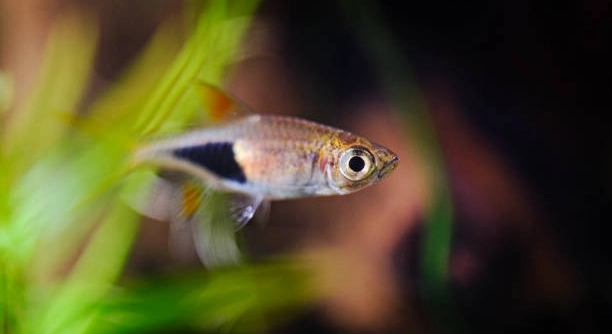
Do you ever find yourself observing your rasboras and wondering why some appear more vibrant or active than others? Male and female rasboras may look similar, but subtle differences can affect their behavior and appearance.
Male and female rasboras can be distinguished through size, coloration, fin shape, and body structure. Males often display brighter colors, more elongated fins, and slimmer bodies, while females tend to be rounder, slightly larger, and exhibit more subdued coloration overall.
Recognizing these differences will help you better care for your rasboras and create a balanced, harmonious aquarium environment.
Size and Body Shape
Male rasboras are usually slimmer and slightly smaller compared to females. Their bodies are more streamlined, which allows them to swim with greater agility. Females, on the other hand, often have rounder, fuller bodies, especially when they are carrying eggs. This difference is most noticeable when the fish are fully grown. Observing the body shape closely can help in identifying males and females, even when their colors are similar. It is common to see males darting around more actively, while females may move more deliberately through the tank. Over time, you will begin to notice these subtle distinctions naturally. Size and body shape are reliable indicators, particularly when combined with other features like fin shape and coloration. Recognizing these differences not only makes it easier to separate males from females but also ensures better care, as female rasboras may require slightly different nutrition to support egg development and overall health.
Slimmer males swim more actively, while fuller-bodied females move more steadily. Size is a clear and practical way to identify them.
Paying attention to size and body shape early helps in creating balanced groups. It also supports proper feeding and breeding conditions. Understanding these traits makes maintaining the aquarium smoother and more enjoyable.
Coloration Differences
Male rasboras often exhibit brighter, more vivid colors compared to females. Their scales may shine with metallic hues, especially under proper lighting conditions, while females usually display softer, more muted tones. This color distinction becomes particularly noticeable during mating seasons when males intensify their colors to attract females. The contrast in coloration helps in quickly identifying males within a group, even in larger aquariums. Although lighting and diet can influence overall color brightness, the pattern of males being more colorful generally remains consistent. Color differences are less apparent in juvenile rasboras, but they become clearer as the fish mature. Proper observation over time will make it easier to spot the males and females based on their hues, providing insight into social interactions, territorial behaviors, and potential breeding readiness.
Bright males attract attention, while females show gentle, subdued tones that indicate maturity and readiness for breeding.
Coloration affects tank dynamics significantly. Males’ vivid hues can indicate dominance and readiness to breed, while females’ softer shades reflect their reproductive state. Proper understanding of these color differences allows for better management of pairings, reduces stress in mixed groups, and supports natural behaviors. Observing these traits ensures a healthier environment, as it helps prevent conflicts and facilitates successful breeding if desired. Lighting, diet, and tank setup all play a role, but natural color patterns remain a dependable method to distinguish sexes and monitor their well-being effectively.
Fin Shape
Males usually have longer and more pointed fins than females. Their dorsal and anal fins are often sharper, while females have shorter, rounder fins that appear softer.
Longer fins in males aid in courtship displays and make them more noticeable to females. Females’ shorter fins allow for easier maneuvering when carrying eggs, making them more efficient swimmers in a crowded tank. These differences are subtle but consistent, helping to distinguish sexes without relying solely on color or size. Observing fin shape over time can make identification easier and help maintain balanced groups.
Fin shape also affects behavior in the tank. Males with elongated fins often show more aggressive displays during interactions with other males, while females tend to be less confrontational. These differences influence how groups form and interact. Properly recognizing fin shape ensures smoother tank management, reducing stress and aggression while promoting healthy social dynamics.
Behavior Patterns
Males are generally more active and territorial than females. They tend to swim in open areas and display frequently to attract attention.
Behavior differences are particularly noticeable during breeding periods. Males will chase each other, perform courtship dances, and flare fins to establish dominance. Females are usually calmer, spending more time near plants or sheltered areas. These patterns help in understanding social hierarchies and planning group compositions. Observing how individuals interact over time provides insight into both sex identification and overall tank harmony.
Recognizing these behavioral traits allows for better management of feeding, breeding, and tank layout. Males’ active nature may require more space, while females benefit from hiding spots and dense planting. Understanding the interplay between activity levels and social interactions ensures that both sexes coexist comfortably. Proper attention to behavior can prevent stress, reduce conflict, and enhance the health and longevity of all rasboras in the aquarium.
Egg Spot Visibility
Females often show a noticeable egg spot near the anal fin, especially when ready to breed. Males usually lack this mark, making it a simple way to identify the sexes.
The egg spot becomes more visible as females mature. Observing this feature can help determine reproductive readiness and guide breeding setups effectively.
Social Interaction
Males tend to display more dominance, often asserting their space over other males. They may also perform small chasing behaviors toward females.
Mouth Size
Females typically have slightly larger mouths than males. This aids in eating more efficiently, especially when gathering extra nutrition for egg development.
Color Intensity During Breeding
Males often intensify their colors when ready to breed. This change signals readiness and attracts females’ attention in the tank.
FAQ
How can I quickly tell a male rasbora from a female?
Males are generally slimmer, have longer fins, and display brighter colors than females. Females are rounder and have softer coloration. Observing their body shape, fin length, and coloration together provides a reliable way to distinguish the sexes without relying on just one feature.
Do female rasboras carry eggs all the time?
No, females only carry eggs when they are mature and ready to breed. The presence of a slightly enlarged belly and a visible egg spot near the anal fin indicates reproductive readiness. Outside of breeding periods, females’ bodies are more streamlined and similar in size to males.
Why do male rasboras change color during breeding?
Color intensification is a natural display behavior. Males show brighter and more vivid colors to attract females and signal dominance over other males. This color change is temporary and usually fades after the breeding period. Proper lighting and diet can enhance, but not create, this natural color display.
Can fin shape alone determine the sex of my rasboras?
Fin shape is helpful but should not be used as the sole factor. Males have longer, pointed dorsal and anal fins, while females’ fins are shorter and rounder. Combining fin shape with body size, coloration, and egg spot visibility improves accuracy in identifying males and females.
Do males and females behave differently in a tank?
Yes, males are typically more active and territorial. They swim in open spaces and may chase other males or display to females. Females tend to be calmer, often staying near plants or sheltered areas. Recognizing these patterns helps in creating balanced groups and reducing stress.
Is size a reliable indicator of sex?
Size can help but is more noticeable in fully grown rasboras. Females are often slightly larger and rounder, especially when carrying eggs. Males are slimmer and more agile swimmers. Observing the fish over time allows for better assessment of size differences.
How important is diet in distinguishing male and female rasboras?
Diet does not change sex but can influence body shape and color intensity. Females require slightly more nutrition for egg development, which can make them appear fuller. Males may show brighter colors with a nutrient-rich diet, making their natural distinctions more visible.
Can I keep multiple males together without conflict?
Keeping multiple males is possible but requires a spacious tank with hiding spots. Males may display dominance and occasional chasing. Proper observation and ample territory reduce stress and ensure peaceful coexistence. Females help balance the social dynamic in mixed groups.
How can I tell if a female is ready to breed?
A rounded belly and a visible egg spot are clear indicators of breeding readiness. Females may also be slightly less active, focusing on shelter and feeding. Observing these signs alongside male displays ensures you can manage breeding pairs effectively.
Do lighting and tank setup affect sex identification?
Yes, lighting can enhance color differences, making males’ vivid hues easier to see. Dense plants and hiding spots help females feel secure, highlighting natural behaviors and differences. While these factors do not change physical traits, they make observing subtle distinctions more straightforward.
Are juvenile rasboras easy to sex?
Juveniles are harder to differentiate. Size, fin shape, and coloration are less pronounced at early stages. Egg spots in females are often not visible yet. Patience and observation over several weeks or months are needed to reliably identify sexes.
Can stress affect color or behavior in males and females?
Yes, stressed rasboras may lose color and show altered activity levels. Males may appear dull, and females may hide more. Providing a stable environment, appropriate diet, and suitable tank companions helps maintain natural coloration and behavior, making sex differences easier to observe.
What is the best way to maintain balanced groups?
A mix of males and females, with slightly more females, reduces aggression. Ensuring enough space, hiding areas, and regular monitoring of behavior keeps the tank peaceful. Recognizing differences in size, color, fin shape, and activity helps create harmony and supports natural breeding behaviors.
How often should I observe my rasboras for sex differences?
Regular observation during feeding and daily activity is sufficient. Over time, differences in behavior, body shape, fin length, and coloration become more apparent. Keeping a close eye on interactions allows for better care and helps anticipate breeding readiness and social dynamics.
Can females be mistaken for males during breeding periods?
Occasionally, a female’s coloration may darken slightly under stress or optimal lighting, but body shape, egg spot presence, and fin length help avoid confusion. Combining multiple identification traits is always more reliable than relying on color alone.
Do males and females have different lifespans?
No, their lifespan is generally similar under proper care. Differences in activity levels or breeding stress may affect individual health, but males and females typically live for the same number of years when maintained in a stable, well-fed environment.
Is it necessary to separate sexes for breeding?
Separating sexes is not always required but can improve breeding success. A dedicated breeding tank allows controlled conditions, protects eggs, and reduces stress from other tank mates. Observing behavioral and physical differences helps in selecting males and females for breeding setups efficiently.
How can I improve observation of sex differences?
Use good lighting, calm water conditions, and minimal disturbances. Dense planting allows females to feel secure while males display naturally. Frequent, careful observation during feeding and swimming patterns reveals subtle distinctions in fin shape, color, and behavior over time.
Are there health differences between males and females?
Females may need extra nutrition during egg development, while males may expend more energy displaying and swimming actively. Ensuring proper diet, water quality, and tank conditions supports both sexes and highlights their natural differences without compromising health.
Understanding the differences between male and female rasboras can make caring for these fish much easier and more rewarding. Males tend to be slimmer, more active, and display brighter colors, while females are rounder, calmer, and have softer coloration. These distinctions are helpful not just for identifying the sexes, but also for creating a balanced and harmonious tank. Observing size, fin shape, coloration, and behavior over time allows for a better understanding of how your fish interact and thrive in their environment. Paying attention to these details ensures that males and females can coexist comfortably, reducing stress and aggression in the aquarium. Knowing these differences is especially important if breeding is a goal, as it allows you to select compatible pairs and provide the right conditions for successful reproduction.
Taking the time to watch your rasboras carefully will also give insight into their natural behavior and health. Males often show dominance or courtship displays, while females focus on feeding and finding safe spaces within the tank. Recognizing these patterns helps in planning tank layout, feeding schedules, and social groupings. For instance, providing enough plants or hiding spots for females supports their comfort, while males benefit from open areas where they can swim freely and display naturally. This observation also allows you to notice any signs of stress, illness, or aggression early on, which is crucial for maintaining a healthy aquarium. Proper care and attention help both males and females reach their full potential in terms of color, activity, and breeding readiness.
Finally, understanding these differences improves the overall experience of keeping rasboras. It allows you to enjoy their vibrant colors, unique behaviors, and natural interactions in a well-maintained tank. Recognizing which fish are male and female is not just about breeding—it helps create a stable social environment where all fish can thrive. Paying attention to their subtle physical traits and behavior patterns builds confidence in aquarium management and ensures long-term well-being for your rasboras. This knowledge also makes it easier to address any issues that arise, from dietary needs to territorial disputes, and supports a more informed approach to maintaining a lively and balanced aquarium. Taking the time to notice and understand these distinctions ultimately enhances both the health of your fish and the enjoyment of observing them every day.

Hello,
If you enjoy the content that we create, please consider saying a "Thank You!" by leaving a tip.
Every little bit helps us continue crafting quality advice that supports the health, happiness, and well-being of pets around the world, for pets of all shapes, sizes, and species.
We really appreciate the kindness and support that you show us!