
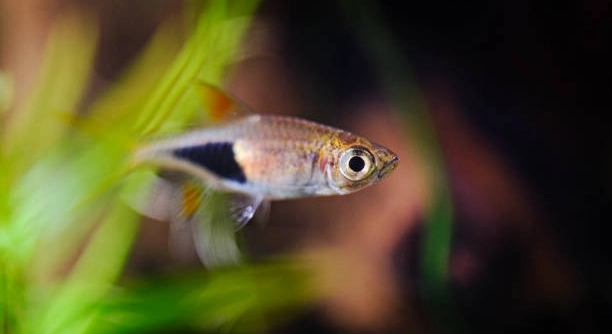
Rasboras are lively fish that change their behavior as day turns to night. Their movements and interactions in the tank can become noticeably different, reflecting natural instincts and environmental responses. Observing these changes can be fascinating for owners.
Rasboras often act differently at night due to a combination of reduced light, altered feeding patterns, and natural circadian rhythms. These factors influence their activity levels, schooling behavior, and stress responses, resulting in calmer or more erratic movements compared to daytime.
Noticing these subtle shifts helps you better understand your rasboras’ needs and ensures their tank environment supports healthy, natural behaviors at all times.
Light Levels and Nighttime Activity
Rasboras are highly sensitive to light, and dim or absent lighting at night triggers instinctual behaviors. In low light, they often slow their movements and stick closer to the tank’s mid or lower levels. This behavior is natural, as it reduces exposure to potential threats. You might notice them grouping more tightly or finding sheltered areas among plants or decorations. Their color can also appear muted, blending with the surroundings to stay less visible. Even subtle changes, like a lamp turning off or curtains closing, can influence their activity. Nighttime is a period for rest and energy conservation, but their senses remain alert. Slight ripples in the water or noises nearby can make them dart briefly before settling again. Owners who understand this pattern can create a calm environment with stable light cycles, supporting the fish’s overall health and stress reduction. Adjusting lighting gradually rather than abruptly can prevent sudden stress reactions in the group.
Dim light at night encourages rasboras to slow down, seek shelter, and display natural protective behaviors that differ from daytime activity.
Monitoring these light-driven behaviors can help improve tank setup and timing of feeding or maintenance routines, ensuring the fish feel safe and comfortable.
Feeding Patterns at Night
Rasboras’ feeding schedules strongly influence their nighttime behavior.
Evening or late-night feeding changes how active they appear. Fish that eat primarily during the day may slow down after dark, conserving energy. Some may become more curious or active if small snacks are introduced, while others rest quietly. Consistency in feeding helps maintain predictable patterns, reducing stress.
Adjusting feeding times gradually allows rasboras to maintain a balanced rhythm, preventing overfeeding or irregular activity spikes at night. Over time, you might notice subtle changes in their schooling behavior or movement speed depending on when food is provided. Nighttime feeding can also influence their position in the tank, with some moving closer to the surface while others linger near plants. Understanding these patterns helps owners plan tank care without disrupting natural behaviors. Maintaining moderate portion sizes prevents leftover food from polluting the water, which could otherwise increase nighttime restlessness. Observing your fish over several days reveals clear preferences, allowing for minor adjustments that keep both their energy levels and water quality stable. Consistency and observation are key to supporting healthy nighttime behavior.
Natural Predatory Instincts
Rasboras’ instincts remain active at night. Even in a safe tank, they respond to sudden movements or shadows. Quick darting or tight schooling is a reflection of these ingrained survival behaviors. Their reactions are sharper in dim lighting, showing heightened alertness.
At night, their natural predatory instincts drive much of their behavior. Small disturbances like water movement, external noises, or nearby activity can trigger sudden bursts of swimming or huddling together. These responses are not signs of illness but normal vigilance. In groups, rasboras coordinate movements to appear larger and reduce perceived risk. Understanding this instinct can help in creating a calm environment by minimizing sudden changes or vibrations near the tank. Owners who respect these behaviors allow fish to feel secure while maintaining their natural patterns.
Even mild changes in tank setup, like rearranging plants or decorations, can heighten these nighttime instincts temporarily. Fish often explore cautiously afterward, gradually returning to normal patterns. Observing how they react over several nights gives insight into comfort levels and stress triggers, helping adjust the tank environment accordingly.
Circadian Rhythms
Rasboras follow natural circadian rhythms that influence activity levels. These cycles regulate rest, feeding, and schooling behaviors. Nighttime slows movement and reduces interactions, reflecting biological patterns.
Their circadian rhythms are controlled by light exposure and internal biological clocks. These cycles dictate when they are most active and when they conserve energy. At night, decreased light signals rest periods, and metabolism slows. Feeding, movement, and social interactions adjust accordingly, showing clear differences from daytime activity. Maintaining a consistent light-dark cycle supports these rhythms, preventing stress or irregular behaviors. Artificial or inconsistent lighting can disrupt cycles, leading to restless or erratic movements during night hours. Understanding and respecting these natural patterns allows owners to create an environment that supports healthy behaviors, including energy management, predictable activity, and proper rest.
Disruptions to these rhythms, such as sudden lights at night or inconsistent feeding times, can stress the fish and alter schooling behavior. Consistent schedules allow rasboras to maintain predictable rest and active periods. Observing their response to gradual changes in light or feeding shows how resilient these cycles are. Stable circadian rhythms contribute to better overall health, calmer nighttime behavior, and fewer stress-induced reactions. Adjustments should be slow and monitored, ensuring the fish adapt naturally without negative effects.
Tank Environment Changes
Rasboras respond quickly to any changes in their tank. Even small adjustments, like moving decorations or adding plants, can make them swim cautiously. They use these changes to assess safety and find new hiding spots, especially during dim lighting.
Water temperature and quality shifts also affect behavior. Slight drops or rises in temperature can make them more lethargic or restless at night. Strong currents or excess filtration noise can increase stress, causing tighter schooling or hiding. Keeping a stable, familiar environment ensures they feel secure, allowing normal nighttime activity without sudden bursts of panic or stress-related behavior.
Social Behavior and Schooling
Rasboras rely heavily on schooling for safety and communication. At night, they often swim closer together and coordinate movements to reduce risk. This behavior strengthens group cohesion and helps detect potential threats early.
Stress Responses
Nighttime stress can alter behavior noticeably. Sudden sounds, vibrations, or unfamiliar movements trigger heightened alertness.
Why do my rasboras swim in tight groups at night?
Rasboras instinctively form tight schools in low light as a defense mechanism. Grouping reduces the chance of a single fish being singled out by predators, even in a safe tank. This behavior is completely normal and reflects their natural survival instincts. Schooling also helps them coordinate movements and feel more secure when visibility is low.
Is it normal for rasboras to hide at night?
Yes, hiding is typical nighttime behavior. They often retreat behind plants, rocks, or decorations to feel safe. This does not indicate illness, but rather natural caution. Providing adequate hiding spots ensures they can rest without stress and reduces erratic movements.
Why are my rasboras less active at night?
Reduced activity at night is part of their circadian rhythm. Lower light levels signal rest periods, slowing metabolism and swimming. This energy conservation helps them stay healthy and maintain predictable daytime activity patterns. Avoid disturbing them at night to allow proper rest.
Can feeding affect their nighttime behavior?
Feeding schedules directly influence activity. Rasboras fed mainly during the day will slow down at night, while occasional evening snacks may increase movement temporarily. Consistent feeding times help maintain predictable patterns and reduce nighttime restlessness or stress.
Do water changes or tank maintenance affect nighttime behavior?
Yes, changes in water conditions can stress rasboras and alter their nighttime activity. Temperature fluctuations, strong currents, or chemical changes can make them more cautious, huddle tightly, or hide more frequently. Gradual, gentle adjustments help them adapt without disrupting natural routines.
Why do rasboras sometimes dart suddenly at night?
Sudden movements are often reactions to vibrations, shadows, or external noises. Even minor disturbances can trigger short bursts of swimming as a defensive response. These reactions are natural and indicate heightened alertness rather than illness or injury.
How does tank lighting impact nighttime behavior?
Lighting plays a critical role in regulating activity. Sudden bright lights at night can startle rasboras, causing stress and erratic movements. Gradual dimming or using a low-wattage night light allows them to adjust naturally while supporting their circadian rhythms.
Are color changes at night normal for rasboras?
Yes, their colors can appear muted or less vibrant in low light. This is a natural camouflage response that helps them blend into surroundings and feel safer during night hours. It does not indicate poor health or water issues.
Can stress affect nighttime activity?
Stress impacts behavior significantly. Overcrowding, aggressive tank mates, or frequent disturbances can make rasboras more restless or prone to hiding. Monitoring tank conditions and maintaining a calm, stable environment reduces nighttime stress and supports healthy schooling.
How can I encourage healthy nighttime behavior?
Maintaining stable light-dark cycles, consistent feeding schedules, and a well-structured tank with hiding spots promotes natural nighttime patterns. Avoid sudden changes, loud noises, or irregular care routines. Observing their behaviors over time helps fine-tune the environment to suit their needs.
Is it normal for some rasboras to be more active than others at night?
Individual differences are normal. Some may explore more or react faster to changes, while others prefer hiding. These differences often reflect personality or slight variations in stress tolerance. Ensuring enough space and hiding areas allows all fish to follow their own pace.
Can nighttime behavior indicate illness?
Unusual nighttime behavior, such as extreme lethargy, continuous frantic swimming, or isolating entirely, can signal health issues. Regular observation, proper tank care, and monitoring water quality are important to distinguish between normal instincts and potential problems.
Do tank decorations influence nighttime patterns?
Decorations, plants, and hiding spots are essential for nighttime comfort. They provide security, reduce stress, and encourage natural behaviors like resting and schooling. Rearranging decorations suddenly may temporarily alter activity, so changes should be gradual.
How long should rasboras rest at night?
Rasboras need uninterrupted periods of low activity to rest effectively. Typically, 8–12 hours of consistent darkness supports their circadian rhythm, ensuring they are energetic and healthy during daytime activity. Disruptions during this period may affect their overall behavior and health.
Can nighttime activity affect daytime feeding?
Yes, nighttime energy use impacts daytime behavior. Fish that are restless or stressed at night may be less responsive during daytime feeding, or they may overcompensate by eating more. Maintaining calm, predictable nights supports balanced feeding habits and overall health.
What are signs of healthy nighttime behavior?
Healthy nighttime behavior includes slow, coordinated swimming, occasional schooling, using hiding spots, and reduced aggressive interactions. Some exploration is normal, but extreme restlessness, continuous hiding, or erratic swimming can indicate stress or environmental issues. Monitoring patterns helps ensure your rasboras remain balanced and comfortable.
How can I reduce nighttime stress for rasboras?
Keep lighting consistent, limit sudden disturbances, and maintain stable water parameters. Providing ample hiding spots and avoiding late-night feeding or maintenance helps them feel secure. Calm environments encourage natural resting patterns, reducing unnecessary stress and promoting long-term health.
Are nocturnal changes in behavior permanent?
No, these changes are temporary and cyclical. Rasboras adjust automatically based on light, feeding, and environmental conditions. Observing their patterns over time provides insight into natural instincts and ensures they remain healthy, active, and comfortable both day and night.
Can multiple factors influence nighttime behavior simultaneously?
Yes, light, feeding, temperature, social structure, and stress all interact. Changes in one factor often amplify reactions in others. Understanding the combined effects helps create a balanced tank environment, supporting predictable, healthy nighttime activity.
Do rasboras behave differently in community tanks at night?
Community tanks can affect behavior due to interactions with other species. Rasboras may hide more, school tightly, or adjust swimming patterns to avoid aggressive or larger tank mates. Observing group dynamics is key to ensuring all fish feel safe and maintain natural behaviors.
Is it necessary to monitor nighttime behavior closely?
Monitoring helps detect subtle changes in health, stress, or environmental comfort. While normal behaviors vary, consistent observation allows timely adjustments to lighting, feeding, or tank conditions. Tracking patterns ensures rasboras remain secure, energetic, and healthy, preventing potential long-term issues.
Observing rasboras at night reveals just how sensitive and instinct-driven these small fish are. Their behaviors change noticeably compared to daytime activity, reflecting natural rhythms, environmental cues, and social dynamics. Reduced lighting encourages slower movements, tighter schooling, and cautious exploration. These responses are not random but rooted in instincts that help them feel safe and secure. Even minor disturbances in the tank, like sudden vibrations or changes in water flow, can trigger alert behaviors. Understanding that these nighttime actions are normal allows owners to approach their care with patience and attentiveness rather than concern.
Maintaining a stable and comfortable tank environment is essential for supporting natural nighttime behaviors. Consistent light cycles help regulate circadian rhythms, ensuring that rasboras know when it is time to rest and when to be active. Proper feeding schedules, gradual adjustments in tank setup, and adequate hiding spots reduce stress and encourage healthy patterns. Paying attention to water quality, temperature, and community dynamics also plays a critical role. Fish that feel secure in their surroundings display calmer, more predictable behaviors at night. Observing these subtle patterns can give owners insight into overall well-being and highlight areas where minor changes might improve comfort or reduce stress.
Nighttime behaviors provide a glimpse into the natural instincts and biological rhythms of rasboras, making them fascinating to watch. While each fish may display slightly different responses, common patterns like slower swimming, group cohesion, and seeking shelter remain consistent across individuals. Monitoring these behaviors over time helps owners identify deviations that may indicate stress, environmental issues, or health concerns. By respecting their natural patterns and creating a supportive tank environment, it is possible to ensure that rasboras maintain a balanced, healthy life. Proper observation and care at night complement daytime routines, contributing to their long-term health, comfort, and vitality.

Hello,
If you enjoy the content that we create, please consider saying a "Thank You!" by leaving a tip.
Every little bit helps us continue crafting quality advice that supports the health, happiness, and well-being of pets around the world, for pets of all shapes, sizes, and species.
We really appreciate the kindness and support that you show us!