
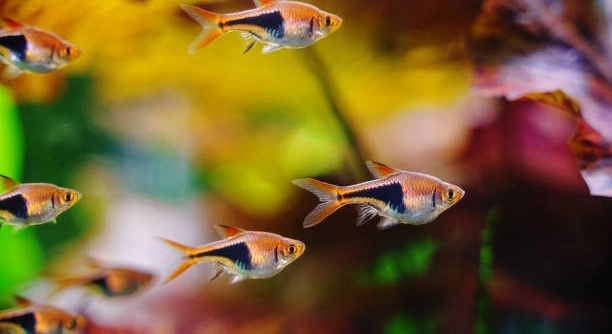
Many aquarium owners enjoy watching their rasboras swim energetically around the tank, but sometimes these small fish remain motionless for long periods. Observing them stay still can be surprising, especially when they usually appear lively and curious.
Rasboras often stay still all day due to factors such as water temperature, stress, poor water quality, or illness. Ensuring a stable, clean environment and proper nutrition helps maintain their activity levels and overall well-being.
Understanding why your fish behave this way can improve their care and ensure a healthier, more comfortable aquarium environment for them.
Common Environmental Factors
Rasboras are sensitive to their surroundings, and changes in the tank can make them stay still. Water temperature that is too low or too high slows their metabolism, making them less active. Poor water quality, including high ammonia or nitrate levels, can stress them and reduce movement. Even sudden changes in lighting or decorations may make them feel unsafe, causing them to hide or remain still. Overcrowding or introducing new fish can also trigger stress responses. It’s important to keep the tank stable, clean, and at the right temperature. Monitoring water parameters regularly ensures a healthier environment. Providing hiding spots and plants helps them feel secure. Small adjustments can have a big impact on their behavior. Observing them daily allows you to notice subtle changes and act before the stress becomes serious. Maintaining consistency helps rasboras stay active and display natural behaviors.
Environmental issues often manifest quietly, and rasboras’ stillness can signal a need for attention.
By addressing water quality, temperature, and tank setup, you create a safer, more comfortable space. Stable conditions reduce stress and encourage natural swimming patterns. Adding plants and gentle lighting supports their comfort. Over time, consistent care helps them thrive and regain activity levels, making the tank more lively and balanced.
Health-Related Causes
Rasboras can stay still due to illness or nutritional deficiencies.
Illnesses such as bacterial infections, parasites, or swim bladder problems can limit movement. Signs often include clamped fins, discoloration, or abnormal swimming. Poor diet lacking essential nutrients also contributes to lethargy, weakening their energy levels and immunity. Monitoring their health closely is crucial.
Addressing health issues starts with observation. Isolating sick fish prevents spreading disease, and treating with appropriate medications can restore activity. Balanced diets rich in vitamins and protein improve vitality. Regularly inspecting for signs of parasites or infections helps early detection. Water changes and maintaining clean tanks support recovery. Healthy rasboras swim actively and explore their environment more. Simple steps like adjusting feeding routines and ensuring water stability play a key role. Combining attentive care with proper nutrition and hygiene creates a supportive environment for their recovery and long-term health. Preventing illness is easier than treating it, so daily observation is important.
Stress and Tank Dynamics
Stress is a major reason rasboras remain still. Loud noises, sudden movements near the tank, or aggressive tank mates make them feel unsafe. They may hide or stay motionless to conserve energy. Even minor disruptions in their environment can affect their behavior and activity levels.
Rasboras react strongly to changes in tank dynamics. Adding new fish without proper acclimation or moving decorations suddenly can trigger stress. Overcrowding reduces swimming space and increases tension among fish. Poor water circulation or strong currents also make them stay still. Stress weakens their immune system, making them more vulnerable to illness. Providing calm surroundings, consistent routines, and sufficient hiding spots helps reduce stress. Observing their reactions to changes ensures you can adjust quickly. A peaceful, stable tank encourages natural swimming and social behavior.
Maintaining a balanced tank layout with stable water conditions supports rasboras’ comfort. Plants, gentle lighting, and proper spacing reduce tension and promote regular activity. Stress management is crucial for their overall health and well-being.
Diet and Activity Levels
Rasboras’ activity is closely tied to what they eat. A poor diet leads to lethargy and stillness, while a varied, balanced diet keeps them energetic. Feeding the right amount at regular intervals supports healthy swimming and overall vitality.
Offering high-quality flakes, frozen or live foods ensures they get essential proteins, vitamins, and minerals. Overfeeding causes water pollution and reduces activity, while underfeeding deprives them of energy. Observing their feeding habits helps identify nutritional gaps. Supplements or occasional treats can enhance their diet and encourage movement. Feeding small portions multiple times a day mimics natural behavior and keeps them active. Proper nutrition improves immune function, coloration, and overall liveliness. Adjusting diet based on age and size ensures they remain healthy.
Balancing nutrition with a clean tank environment maximizes activity levels. Providing a variety of foods encourages natural foraging behavior, while consistent feeding routines help maintain energy. Nutritional care directly affects swimming patterns and long-term health, making diet a key factor in keeping rasboras lively.
Lighting and Tank Placement
Lighting affects rasboras’ activity. Too bright lights can stress them, while dim or inconsistent lighting may make them less active. Positioning the tank away from direct sunlight and sudden glare helps maintain comfort. Proper lighting encourages natural swimming patterns and exploration.
Rasboras respond to light cycles. A consistent day-night schedule supports their internal rhythm and activity. Sudden changes or flickering lights can startle them and cause hiding. Using soft, even lighting and providing shaded areas reduces stress. Plants and decorations create natural shelters that help them feel secure. Observing their behavior under different lighting conditions can guide adjustments. Stable placement of the tank, avoiding high-traffic areas or loud noises, also improves activity. Comfort with lighting and environment helps rasboras swim confidently and remain active throughout the day.
Breeding Behavior
During breeding periods, rasboras may stay still to conserve energy. Males often hover near plants while preparing to court females. Females may become less active while carrying eggs, hiding or resting more than usual. Proper care during this time supports successful spawning.
Seasonal and Temperature Changes
Rasboras’ activity decreases when water temperature shifts with seasons. Cooler water slows metabolism, making them stay still longer. Maintaining stable temperatures helps them remain active and healthy.
FAQ
Why does my rasbora stay still even when the tank looks fine?
Even if the tank appears clean, hidden stressors like slight temperature fluctuations, subtle water quality changes, or unfamiliar tank mates can make rasboras less active. These fish are sensitive, and minor issues often affect their behavior before becoming visible to the owner.
Can poor diet make rasboras stay still all day?
Yes, an unbalanced diet lacking essential nutrients can reduce energy levels and overall activity. Rasboras require a mix of protein, vitamins, and minerals to maintain swimming and natural behavior. Overfeeding or underfeeding also impacts movement, so portion control is important.
Do rasboras stay still when they are sick?
Absolutely. Illness often results in lethargy. Bacterial infections, parasites, or swim bladder issues can cause them to remain motionless. Observing for clamped fins, discoloration, or unusual swimming patterns can help identify health problems early. Prompt treatment improves recovery chances.
Is stress the main reason for inactivity?
Stress is a significant factor. Loud noises, sudden movements, aggressive tank mates, or changes in tank setup can make rasboras stay still. Stress weakens their immune system, so creating a calm and stable environment is key to encouraging natural activity.
Do lighting conditions affect rasbora behavior?
Yes, lighting plays an important role. Too bright or flickering lights can stress them, while dim or inconsistent lighting may reduce activity. Consistent day-night cycles and shaded areas allow rasboras to feel secure and encourage normal swimming patterns.
Does breeding affect activity levels?
During breeding periods, rasboras may conserve energy. Males hover near plants while courting, and females carrying eggs may hide or rest more than usual. Ensuring proper nutrition and a peaceful environment supports successful breeding without unnecessary stress.
Can water temperature make rasboras stay still?
Temperature directly affects metabolism. Cooler water slows their activity, while sudden changes create stress. Maintaining a stable range appropriate for the species ensures they remain active, healthy, and comfortable.
How can I help my rasboras become more active?
Check water quality, provide a balanced diet, and reduce stressors in the tank. Adding plants, gentle lighting, and hiding spots encourages natural exploration. Observe their reactions and adjust gradually to maintain a safe and stimulating environment.
Are tank mates a factor in inactivity?
Yes, aggressive or overly dominant fish can intimidate rasboras, causing them to stay still. Choosing compatible species and avoiding overcrowding creates a safer, more relaxed environment, allowing them to swim confidently.
Can inactivity indicate long-term health issues?
Persistent inactivity may point to chronic health problems or nutritional deficiencies. Monitoring behavior closely, maintaining water quality, and providing proper diet and care can prevent long-term effects and promote overall well-being.
How often should I monitor my rasboras for changes?
Daily observation is best. Small behavioral changes often appear before visible health problems. Watching their swimming, feeding habits, and interaction with other fish helps catch issues early and ensures their comfort and activity.
Does tank size matter for activity?
Yes, a cramped tank limits movement and increases stress. Providing adequate space, along with proper plants and decorations, allows rasboras to swim freely, reduces tension, and encourages normal behavior.
What is the easiest way to reduce stress in the tank?
Maintaining stable water parameters, avoiding sudden changes, and providing hiding spots are simple steps. Gentle lighting and minimal disturbances create a calm environment, encouraging rasboras to swim and explore rather than stay still.
How long can rasboras stay still without it being harmful?
Short periods of inactivity are normal, especially during rest, cooler temperatures, or after feeding. However, prolonged stillness accompanied by signs of stress, illness, or poor appetite indicates a problem that should be addressed promptly.
Can adding live plants improve activity?
Yes, live plants provide hiding spaces, reduce stress, and mimic natural environments. They also improve water quality, helping rasboras feel secure and more likely to swim actively throughout the day.
Does water flow affect movement?
Strong currents may make rasboras stay still to avoid energy loss. Gentle, moderate water flow supports natural swimming without creating stress or fatigue. Adjusting filters or positioning can help maintain comfort.
How does tank placement in the room matter?
High-traffic areas or locations with frequent noise can stress rasboras. Placing the tank in a quiet, stable spot reduces disturbances and encourages consistent activity.
Can seasonal changes impact behavior?
Yes, natural fluctuations in temperature or light cycles can reduce activity. Maintaining controlled conditions minimizes stress and helps rasboras maintain regular swimming patterns year-round.
Is it normal for young rasboras to be still sometimes?
Juveniles may rest more frequently as they grow. Limited activity during growth periods is typical, but prolonged stillness combined with poor appetite or stress signals a need for closer attention.
How can I tell if inactivity is serious?
Look for signs like clamped fins, discoloration, abnormal swimming, or lack of appetite. Persistent stillness with these symptoms usually indicates illness or stress, requiring intervention for the fish’s well-being.
Rasboras are small, delicate fish that react strongly to their surroundings. Observing them stay still for long periods can be worrying, but it is often a way for them to cope with stress, environmental changes, or health issues. Their stillness is not always a sign of serious illness, but it is a behavior worth paying attention to. By watching their patterns and understanding what influences their activity, owners can provide better care and create a more comfortable environment for these fish. Sometimes even small adjustments, like moving the tank to a quieter location or improving water quality, can make a noticeable difference in how often they swim and explore.
Water quality, temperature, and diet are among the most important factors affecting rasboras’ activity. Poor water conditions or sudden temperature shifts can slow their metabolism and make them appear lethargic. Similarly, a lack of essential nutrients or improper feeding schedules can reduce their energy levels. Ensuring a balanced diet with proper proteins and vitamins, along with regular water monitoring, supports their overall health and encourages natural movement. Plants, decorations, and hiding spots also play a role, giving rasboras security and helping them feel less exposed. When these environmental and dietary factors are consistently managed, rasboras are more likely to swim actively, interact with other fish, and display natural behaviors that are enjoyable to watch.
Stress and health problems can also influence their stillness. Loud noises, aggressive tank mates, or overcrowding can make rasboras feel unsafe and lead to prolonged periods of inactivity. Illnesses, parasites, or swim bladder issues may also cause them to remain motionless. Regular observation, careful monitoring of behavior, and early intervention when signs of sickness appear can prevent more serious problems. By maintaining stable conditions, providing a nutritious diet, and reducing stress, rasboras can thrive in a home aquarium. Paying close attention to these factors not only improves their activity but also enhances their overall well-being and longevity, allowing owners to enjoy healthier, more vibrant fish in a balanced tank.

Hello,
If you enjoy the content that we create, please consider saying a "Thank You!" by leaving a tip.
Every little bit helps us continue crafting quality advice that supports the health, happiness, and well-being of pets around the world, for pets of all shapes, sizes, and species.
We really appreciate the kindness and support that you show us!