
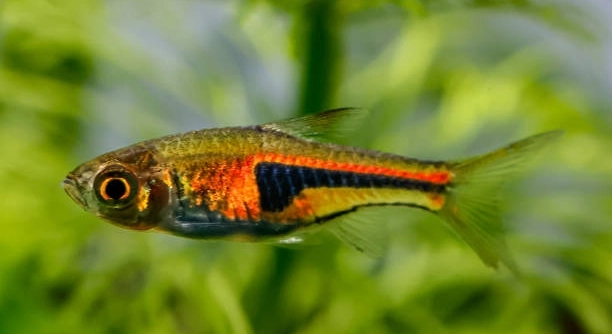
Water flow plays a crucial role in keeping rasboras healthy and active. These small fish thrive in conditions that mimic their natural habitats, where currents vary and oxygen levels remain consistent. Proper water movement encourages natural behaviors.
Rasboras generally prefer gentle to moderate water flow, avoiding strong currents that can stress them. Optimal settings include slow streams near plants, slightly faster areas for exercise, and uniform circulation to maintain oxygenation and prevent stagnant zones within the tank environment.
Maintaining the right flow can improve rasboras’ well-being and encourage natural swimming patterns throughout their aquatic habitat.
Slow Flow Near Plants
Creating gentle water movement near plants gives rasboras a safe area to rest and explore. They feel comfortable swimming slowly among leaves and stems, which also prevents stress. Slower currents in planted areas mimic natural streams and shallow waters where they often feed and hide. Adding plants in corners or along the tank edges allows rasboras to retreat when they need calm zones. Soft water movement also helps prevent debris from settling on the substrate and keeps the water cleaner. Rasboras can navigate the area easily, conserving energy while staying active. This setup encourages natural behavior, allowing fish to interact with their environment without struggling against strong currents. Slow-flow zones also provide a place for young or smaller rasboras to feed safely. Monitoring the tank over time ensures that plants and fish both thrive, as plants filter nutrients and offer shelter while the gentle water movement maintains oxygen levels.
Slower currents near plants reduce stress and create a natural-feeling environment for rasboras. It supports safe feeding and resting areas.
Even minimal flow in planted zones encourages circulation without overwhelming the fish. This balance promotes healthier fish, stronger plants, and consistent water quality. Rasboras swim naturally and engage more when their environment mimics shallow, slow-moving waters. Keeping plants dense in certain areas creates microhabitats, allowing smaller fish to hide or rest comfortably. Slow currents prevent leftover food from sinking and decomposing on the substrate, which reduces maintenance. Gentle movement also distributes oxygen evenly near plant roots, supporting growth. Observing the tank daily helps notice if any areas need adjusting, ensuring all fish remain active and healthy. Over time, rasboras adjust to slow flow zones and explore the entire tank, moving between calm and moderate-current regions naturally. Balancing plant placement with water movement creates a stable and comfortable habitat that benefits both flora and fauna equally.
Moderate Flow for Exercise
Moderate currents provide rasboras with areas to swim actively, building strength and preventing boredom. Swimming against gentle flow stimulates natural behavior.
Slightly faster currents improve fitness and encourage exploration.
Moderate flow areas let rasboras exercise while maintaining control over their movements. These regions are best positioned away from resting zones, giving fish choices. Flow should remain consistent but not strong enough to tire them. Rasboras benefit from small streams that loop around the tank, allowing them to swim in different directions without colliding with decorations. Maintaining moderate flow enhances oxygen distribution, reducing stagnant water pockets that could harm sensitive fish. Using a filter with adjustable output helps achieve this balance, giving sections of moderate movement while keeping calmer corners intact. Rasboras respond positively, exploring actively and interacting with each other. Observing how fish use these zones informs adjustments in decor or water movement. Over time, the combination of slow and moderate flow creates a dynamic environment that supports both relaxation and physical activity. This setup encourages healthier, more vibrant fish and reduces stress-related behaviors.
Even Flow Across Open Spaces
Consistent water movement across open areas prevents stagnant zones and keeps the tank clean. Rasboras navigate these spaces comfortably when currents are steady but not too strong, allowing them to swim freely without struggling against sudden surges.
Even distribution of flow helps maintain oxygen levels and disperses nutrients evenly, which benefits both fish and plants. Open areas with uniform movement allow rasboras to exercise naturally while exploring the tank. Avoid directing strong currents directly into open swimming zones, as this can stress the fish. Using diffusers or adjusting filter outlets ensures water spreads gently, creating a balanced environment. Observing how the fish use open areas over time helps fine-tune flow strength. Proper circulation also reduces waste buildup on the substrate, improving water clarity. Rasboras are more active in these conditions, swimming together and displaying natural schooling behavior. Overall, even flow across open spaces supports health and encourages natural movement patterns throughout the tank.
Maintaining balanced circulation prevents stagnant water, supports oxygenation, and allows rasboras to swim naturally while keeping the tank clean and healthy.
Uniform currents reduce dead spots and improve tank stability. Rasboras can move confidently, and plants benefit from consistent water distribution, enhancing overall habitat health. Observing behavior and adjusting flow creates a well-balanced aquarium.
Flow Near Decorations
Water movement around decorations helps prevent debris accumulation and allows rasboras to explore safely. Gentle currents around ornaments create interesting pathways without causing stress.
Flow near decorations improves oxygen circulation around hiding spots and prevents algae buildup in shaded areas. Rasboras can swim around rocks, driftwood, or artificial structures, maintaining activity and curiosity. Adjusting filter outlets or adding small powerheads creates localized currents that keep water moving without overwhelming fish. Decorations positioned strategically allow both shelter and swimming zones, giving rasboras a sense of security while remaining active. Observing how fish interact with these currents ensures flow remains suitable for exploration and rest.
Circulation near ornaments also maintains water quality and encourages natural behavior. Rasboras use currents to navigate obstacles, promoting fitness and reducing boredom in confined areas. Careful placement of decorations combined with gentle flow enhances their overall environment, supporting healthy activity patterns and consistent oxygen levels. Proper water movement ensures that the tank remains visually appealing and functional while accommodating the fish’s natural instincts. Monitoring and adjusting flow as needed maintains balance between stimulation and comfort, helping rasboras thrive in decorated areas.
Flow at the Surface
Gentle movement at the water surface helps improve oxygen exchange, which is essential for rasboras. Soft currents prevent stagnant patches and allow them to feed and swim comfortably near the top without being pushed around.
Surface flow also reduces debris accumulation and encourages natural surface activity. It keeps the top layer dynamic, supporting healthy gas exchange and overall tank stability.
Slow Swirl in Corners
Creating a subtle swirl in corners helps prevent dead zones without stressing rasboras. Water moves enough to circulate oxygen and nutrients while giving the fish quiet spaces for resting and exploration.
Alternating Flow Patterns
Changing flow patterns gradually keeps rasboras engaged and stimulates natural behavior. Slight variations in current mimic their natural environment, encouraging swimming, schooling, and exploration. Observing how fish respond allows fine-tuning to balance energy levels and prevent stress while maintaining stable water conditions.
Avoid Strong Jets
Strong jets can overwhelm rasboras, making swimming difficult and stressful. Keep powerful currents away from main swimming zones to ensure comfort.
How strong should the water flow be for rasboras?
Rasboras prefer gentle to moderate water movement. Strong currents can stress them, making swimming difficult and potentially harming their fins. A soft flow encourages natural swimming and allows them to navigate the tank comfortably. Moderate currents are acceptable in open swimming areas but should never dominate the tank.
Can rasboras adapt to different flow rates?
Yes, rasboras can adjust to minor changes in water movement. Gradual adjustments are best, as sudden increases in current may cause stress. Observing their behavior helps determine if the flow is suitable. Active swimming, schooling, and feeding indicate that the flow matches their needs.
Is it necessary to have slow and moderate zones in the tank?
Providing both slow and moderate flow zones benefits rasboras. Slow areas near plants or decorations allow resting and hiding, while moderate zones promote exercise and natural swimming. This combination mirrors natural environments and ensures both physical activity and comfort.
How do plants affect water flow for rasboras?
Plants naturally slow water movement, creating safe spaces for resting and feeding. Dense plants in corners or along edges reduce strong currents while improving oxygen distribution near roots. Properly positioned plants balance flow throughout the tank and provide microhabitats that rasboras use frequently.
What equipment helps maintain suitable flow?
Filters with adjustable outputs or diffusers are ideal for controlling water movement. Small powerheads can create localized currents without overwhelming the tank. Adjusting outlets and monitoring fish behavior ensures consistent circulation while preventing strong surges that could stress rasboras.
Can decorations influence water flow?
Yes, rocks, driftwood, and ornaments alter local currents. Placing them strategically creates gentle channels for swimming and areas for hiding. Proper decoration placement avoids stagnant zones and prevents strong currents from forming around sensitive areas. It also helps rasboras interact naturally with their environment.
How often should flow settings be checked?
Flow should be monitored daily or weekly, depending on tank stability. Watch for signs of stress, uneven swimming, or debris accumulation. Minor adjustments can maintain balance, ensuring consistent oxygen levels and promoting healthy behavior.
Does water flow impact feeding behavior?
Yes, flow influences how rasboras approach food. Gentle currents allow them to feed without struggling, while strong currents can push flakes or pellets away, making feeding inefficient. Observing feeding patterns helps fine-tune flow in feeding areas.
Are surface currents important for rasboras?
Surface movement aids oxygen exchange, which is crucial for health. Gentle surface flow prevents stagnant layers, supports gas exchange, and encourages surface swimming and feeding. Strong surface jets should be avoided to prevent stress and maintain comfort.
How can I prevent dead zones in the tank?
Dead zones occur where water barely moves, causing debris buildup and low oxygen levels. Evenly distributing flow, using diffusers, and placing decorations strategically prevents stagnant areas. Observing rasboras’ swimming behavior helps identify weak circulation spots that need adjustment.
What is the best approach for mixed-species tanks?
When keeping rasboras with other species, consider flow preferences for all fish. Rasboras benefit from gentle to moderate currents, while some tank mates may tolerate stronger flows. Adjusting outlets, creating slow zones, and using diffusers help satisfy different species’ needs without stressing any group.
How do seasonal changes affect water flow?
Temperature fluctuations or filter efficiency changes can impact current strength. During warmer months, circulation may increase naturally, while colder months may reduce flow. Regular observation and minor adjustments ensure consistent conditions, keeping rasboras comfortable year-round.
Can over-filtering harm rasboras?
Excessive flow from overly powerful filters can overwhelm rasboras, causing fatigue and stress. Using adjustable filters or diffusers prevents this issue. The goal is balanced circulation, not maximum movement, to support natural swimming and maintain tank health.
How do I know if the flow is correct?
Healthy, active swimming, schooling behavior, and proper feeding indicate suitable flow. Rasboras resting in calm areas or avoiding certain zones may signal overly strong currents. Observing patterns daily helps maintain optimal conditions without guesswork.
Do baby rasboras need different flow settings?
Yes, fry and smaller rasboras prefer gentler currents to avoid exhaustion. Slow zones with minimal movement near plants or decorations allow safe feeding and growth. Gradually increasing flow as they mature helps them build strength naturally.
Can water flow affect tank cleanliness?
Proper flow prevents debris accumulation and improves oxygenation. Even circulation distributes nutrients, reduces waste buildup, and minimizes algae growth. Balanced movement supports both fish health and tank maintenance, ensuring cleaner water and a stable environment for rasboras.
Is it important to observe rasboras daily?
Daily observation helps detect stress, disease, or unsuitable flow. Watching behavior in different tank areas ensures the currents meet their needs. Minor adjustments to flow, decorations, or plants can improve comfort and support long-term health.
How do I balance strong and weak currents in one tank?
Use adjustable filters, diffusers, and strategic decoration placement to create zones with varying flow. Stronger currents in exercise areas and slower currents near plants or decorations provide balance. This setup promotes natural swimming while offering rest spaces for rasboras.
Can flow affect breeding behavior?
Yes, calm areas with gentle movement encourage spawning and fry survival. Strong currents may disturb eggs or fry. Providing slow zones near plants or sheltered decorations creates safe breeding spots while maintaining overall circulation.
What’s the simplest way to test water flow?
Placing lightweight floating objects or observing debris movement shows flow patterns. Watch how rasboras swim in different areas to gauge comfort. Adjust outlets or add diffusers as needed to create a balanced environment with no stressful currents.
Are there signs that flow is too weak?
Stagnant water, debris buildup, low oxygen, or sluggish rasboras indicate insufficient flow. Adjusting filter output, repositioning decorations, or adding minor currents helps maintain a healthy and active tank. Consistent observation ensures early correction.
Does water temperature interact with flow preferences?
Yes, warmer water increases fish metabolism, so moderate flow may feel stronger. Colder water slows swimming, making gentle currents more important. Observing behavior relative to temperature ensures comfort while maintaining optimal movement and oxygen distribution.
Can I use multiple filters for better flow control?
Using more than one filter allows flexible zoning, creating slow and moderate areas simultaneously. It also improves overall circulation, reduces dead zones, and maintains oxygenation. Careful positioning prevents excessive currents in sensitive areas.
How long does it take for rasboras to adjust to new flow settings?
Rasboras usually adapt within a few days to a week, depending on the change’s magnitude. Gradual adjustments minimize stress, allowing fish to explore and find comfort zones while maintaining activity and feeding patterns.
Do plants and decorations require flow adjustments over time?
Yes, as plants grow and decorations shift, water movement changes. Observing the tank and adjusting outlets ensures consistent flow. Regular maintenance prevents dead zones and keeps the environment comfortable for rasboras.
Is it necessary to turn off the flow at night?
Not usually. Rasboras rest during the night, and gentle circulation maintains oxygen levels. Turning off flow is unnecessary unless currents are too strong and disturb resting fish. Consistent gentle movement supports a stable nighttime environment.
Can flow affect algae growth?
Yes, stagnant areas encourage algae buildup. Proper circulation reduces nutrient pockets and light exposure in dead zones. Even flow around plants, decorations, and open areas keeps algae under control while promoting healthy water conditions.
How do I ensure all rasboras benefit from the flow?
Creating multiple zones with varied currents ensures all fish have access to comfortable areas. Slow zones allow rest and hiding, moderate zones encourage exercise, and surface movement maintains oxygen. Observing behavior helps fine-tune flow for consistent benefits.
Does tank size influence flow settings?
Larger tanks require stronger or multiple outlets to maintain even circulation. Smaller tanks need gentler flow to avoid overwhelming fish. Adjusting equipment and observing rasboras ensures currents match tank size and fish needs.
What is the most common mistake with water flow?
The most frequent mistake is creating currents that are too strong. Overpowering flows stress rasboras, interfere with feeding, and reduce overall comfort. Gentle to moderate movement tailored to tank zones prevents this issue while supporting natural behaviors.
Can water flow prevent disease?
Proper circulation reduces stagnant areas where bacteria or fungi can grow. Even flow improves oxygenation and waste dispersal, supporting immune health. While not a cure, balanced movement helps maintain a healthier environment for rasboras.
How do I adjust flow without disturbing fish?
Gradually change filter output or reposition outlets slowly. Observe how rasboras respond, making incremental adjustments until currents reach a comfortable level. Avoid sudden, large changes that could startle or stress the fish.
Are there signs that flow is perfect?
Active swimming, schooling, normal feeding, and use of different zones indicate proper flow. Rasboras should appear comfortable, exploring both slow and moderate areas while resting without struggling against currents.
Can oxygenation improve without increasing flow?
Yes, using surface agitation, diffusers, or aeration devices can increase oxygen without creating strong currents. This helps rasboras breathe comfortably while keeping movement gentle and suitable for their natural behavior.
Does filter placement affect flow efficiency?
Absolutely. Positioning outlets strategically distributes water evenly, avoids dead zones, and creates desired slow or moderate areas. Adjusting height and angle ensures currents benefit all tank regions without stressing the fish.
How important is observation for flow management?
Observation is critical. Watching how rasboras swim, feed, and rest in different areas provides feedback on flow effectiveness. Regular monitoring allows timely adjustments, ensuring consistent comfort and overall tank health.
What adjustments are needed for breeding tanks?
Gentle currents near breeding areas prevent eggs from being displaced while maintaining oxygenation. Slow zones near plants or decorations allow fry to rest safely, and moderate flow in other areas supports adult fish exercise.
How long should I maintain a specific flow setting?
Maintain stable flow as long as fish behavior and water quality remain optimal. Minor adjustments may be needed over time due to plant growth, decoration shifts, or filter changes, but sudden changes should be avoided.
Can flow affect schooling behavior?
Yes, balanced currents encourage natural schooling patterns. Rasboras align and swim together in moderate zones while retreating to slow areas for rest. Poorly managed flow can disrupt group movement and stress the fish.
Does lighting interact with flow preferences?
Lighting indirectly affects flow use. Bright tanks may encourage movement toward shaded or planted areas with slower currents, while dimmer zones may see more exploration. Balanced light and flow support comfort and activity.
How often should I clean filters to maintain proper flow?
Filters should be cleaned regularly to prevent clogging, which reduces flow and circulation. Cleaning schedules depend on tank size, fish load, and filter type, but maintaining consistent output ensures rasboras remain comfortable.
Is it better to use one strong filter or several weaker ones?
Multiple weaker filters allow more precise control over currents and zones. They reduce strong surges, prevent dead spots, and provide redundancy if one filter fails, keeping flow consistent throughout the tank.
Can water flow affect aggression in rasboras?
Proper flow reduces stress, which can minimize aggressive behavior. Rasboras are naturally peaceful, but overcrowded or poorly circulated tanks can trigger tension. Balanced movement promotes calmer interactions and natural schooling behavior.
How do I fine-tune flow for newly introduced fish?
Introduce fish slowly, monitor behavior, and adjust currents gradually. New rasboras may be sensitive to strong flow. Creating gentle zones near plants or decorations allows them to acclimate while maintaining moderate exercise areas elsewhere.
Do air stones influence water flow for rasboras?
Air stones create small currents and improve oxygenation. Gentle bubbles provide movement without overwhelming fish, especially in slower zones. They support healthy circulation and can complement filter-generated flow effectively.
What is the ideal flow ratio between slow and moderate areas?
A balanced approach usually favors slightly more slow zones to offer resting and hiding spaces, while moderate zones support exercise. Exact ratios depend on tank size, decoration layout, and rasboras’ activity levels. Observation ensures the balance meets their needs.
Can sudden flow changes harm rasboras?
Yes, abrupt increases in current can cause stress, fatigue, or injury. Gradual adjustments are safer, allowing fish to adapt and maintain natural swimming behavior. Sudden changes should be avoided to preserve comfort and health.
How do I handle flow during maintenance?
Reduce or redirect currents temporarily when cleaning the tank or moving decorations. Rasboras are sensitive to strong surges, so gentle adjustments prevent stress while maintenance is underway.
Is it okay to leave flow unchanged for long periods?
Yes, as long as fish behavior, water quality, and oxygen levels remain stable. Rasboras prefer consistent currents, and unnecessary changes can cause stress. Periodic observation ensures conditions remain optimal.
Can temperature or pH changes affect flow perception?
Yes, higher temperatures increase metabolism, making moderate currents feel stronger. pH itself doesn’t change flow but can affect fish comfort. Observing behavior in relation to water parameters ensures currents remain suitable.
How do I prevent fry from being swept away?
Provide calm areas near plants or decorations for fry. Avoid placing them directly in moderate flow zones. Gentle currents keep oxygen levels sufficient without displacing young rasboras, supporting growth and survival.
Does water hardness affect how flow impacts rasboras?
Water hardness doesn’t directly influence flow, but it affects fish comfort and swimming efficiency. Harder water may slightly increase resistance, so observing behavior ensures currents remain suitable and comfortable.
Can I simulate seasonal changes with flow adjustments?
Gradual changes in current can mimic natural seasonal variations, encouraging activity and natural behaviors. Adjusting flow subtly over time supports a dynamic environment without causing stress.
Are there flow considerations for planted versus bare tanks?
Planted tanks slow currents naturally and provide shelter. Bare tanks require more careful control to prevent stagnant zones. Adjusting outlets and diffusers ensures consistent circulation regardless of decoration or plant coverage.
What is the relationship between flow and feeding efficiency?
Proper currents allow food to spread evenly and reach all fish. Slow zones near feeding areas prevent food from being pushed away, while moderate zones encourage natural foraging and activity. Balanced flow ensures efficient feeding.
How does tank shape influence flow?
Long tanks may require multiple outlets to maintain even circulation, while square tanks often need fewer adjustments. Observation and equipment placement help create consistent currents suitable for rasboras.
Can flow settings improve overall fish health?
Yes, balanced currents reduce stress, prevent stagnant areas, improve oxygenation, and promote exercise. Proper flow supports natural behaviors, better feeding, and healthier immune responses, leading to stronger, more vibrant rasboras.
What is the easiest way to monitor flow?
Observing floating particles, debris movement, or lightweight objects helps visualize currents. Watching rasboras’ swimming patterns provides additional feedback, indicating whether flow is suitable or needs adjustment.
How often should I adjust flow as the tank matures?
Adjustments are usually needed as plants grow, decorations shift, or filters age. Regular observation allows minor tweaks, ensuring consistent and comfortable flow for rasboras throughout the tank’s development.
Do water additives affect flow perception?
Additives like conditioners or fertilizers do not change actual flow, but they can influence fish behavior. Rasboras may swim more or less actively, indirectly affecting how currents are perceived. Observation ensures flow remains appropriate.
How do I integrate multiple zones smoothly?
Use diffusers, adjustable filter outputs, and strategic decoration placement to blend slow, moderate, and surface flow areas. Smooth transitions prevent abrupt current changes and allow rasboras to move naturally between zones without stress.
Can flow patterns affect fish coloration?
Indirectly, yes. Stress from strong or uneven currents can dull coloration, while balanced flow promotes healthy activity and natural behaviors, which supports vibrant colors over time.
What is the role of observation in long-term flow management?
Continuous monitoring ensures that changes in fish behavior, tank layout, or filter efficiency are addressed promptly. Observation allows for gradual adjustments, maintaining comfort, health, and consistent swimming patterns for rasboras.
Does the number of fish influence flow requirements?
Yes, higher fish density may require stronger or multiple outlets to prevent dead zones and ensure oxygenation. Careful observation ensures currents remain gentle enough to avoid stress while maintaining circulation for all inhabitants.
How do I balance aesthetics and flow?
Arrange decorations and plants to create visually appealing zones while maintaining proper currents. Diffusers and adjustable outlets help achieve balanced flow without compromising the tank’s look or fish comfort.
Can improper flow affect long-term fish behavior?
Yes, consistently strong or weak currents can lead to stress, reduced activity, and abnormal swimming patterns. Balanced flow ensures natural schooling, resting, and feeding behaviors, supporting long-term health and comfort.
Are there tools to measure flow precisely?
Flow meters and floating indicators can help quantify water movement. However, observing rasboras’ behavior often provides the most practical assessment for ensuring currents meet their needs.
What is the safest way to introduce new flow equipment?
Install filters, diffusers, or powerheads gradually, starting with low output. Observe how rasboras respond before increasing flow. Gradual introduction prevents stress and allows fish to adapt naturally.
How do I manage flow during tank cycling?
Maintain gentle circulation to support oxygenation and beneficial bacteria growth. Avoid strong currents that could disturb substrate or young fish. Proper flow helps establish a stable environment during the cycling process.
Can substrate type affect flow distribution?
Yes, coarse or uneven substrate can redirect water and create microcurrents. Smooth, uniform substrate allows more even circulation, preventing dead zones and supporting consistent oxygenation for rasboras.
Do different rasbora species have varied flow preferences?
Some species prefer slightly stronger currents, while others favor gentler movement. Observing species-specific behavior helps tailor flow to meet the needs of all tank inhabitants.
Can overstocking affect how flow impacts rasboras?
Yes, too many fish increase competition for slow zones and create stronger local currents. Maintaining appropriate stock levels ensures flow remains comfortable and reduces stress.
How do I incorporate flow with automatic feeders?
Place feeders in calm areas where food won’t be swept away. Gentle flow helps distribute flakes or pellets without overwhelming rasboras, ensuring even feeding and minimal waste.
Does tank height influence flow preferences?
Taller tanks may create stronger vertical currents. Adjust outlets or diffusers to maintain gentle movement at all levels, ensuring comfort for rasboras throughout the water column.
Can seasonal plant growth affect water movement?
Yes, dense plant growth slows currents and may create dead zones. Pruning or repositioning plants helps maintain balanced flow while supporting oxygenation and healthy fish behavior.
How do I handle flow during partial water changes?
Temporarily reduce strong currents to prevent stress. Restore previous flow gradually after water replacement to maintain comfort and prevent sudden
Water flow is an essential factor in keeping rasboras healthy and comfortable in their tank. The right currents allow them to swim naturally, explore their environment, and feed without stress. Gentle areas near plants and decorations give them places to rest and hide, while moderate zones provide exercise and maintain activity. Even flow across open spaces prevents stagnant water, reduces debris buildup, and supports oxygen circulation. Paying attention to water movement ensures that the tank is balanced, promoting overall well-being for rasboras and creating an environment that mimics their natural habitat.
Observing the fish regularly is crucial in managing water flow effectively. Rasboras will show signs if the currents are too strong or too weak, such as avoiding certain areas, struggling to swim, or displaying reduced activity. Adjusting filter outputs, using diffusers, and positioning decorations strategically can create zones of slow, moderate, and surface flow that meet their needs. Incorporating plants and ornaments not only improves the visual appeal of the tank but also helps regulate current, giving the fish comfortable resting and feeding areas. Consistent monitoring and small adjustments over time ensure that the flow remains suitable as plants grow, decorations shift, or fish behavior changes.
Balancing water movement is a long-term process that requires attention and patience. Rasboras thrive in environments where currents are steady but not overwhelming, and where slow, calm areas coexist with moderate flow for exercise. Proper water flow supports oxygenation, prevents dead zones, and encourages natural schooling behavior. By maintaining this balance, the tank remains clean, fish are active, and plants flourish. Understanding the preferences of rasboras and observing how they interact with the currents ensures a healthy and stable habitat. Overall, careful management of water flow contributes to happier, healthier fish and a more enjoyable aquarium experience.

Hello,
If you enjoy the content that we create, please consider saying a "Thank You!" by leaving a tip.
Every little bit helps us continue crafting quality advice that supports the health, happiness, and well-being of pets around the world, for pets of all shapes, sizes, and species.
We really appreciate the kindness and support that you show us!