
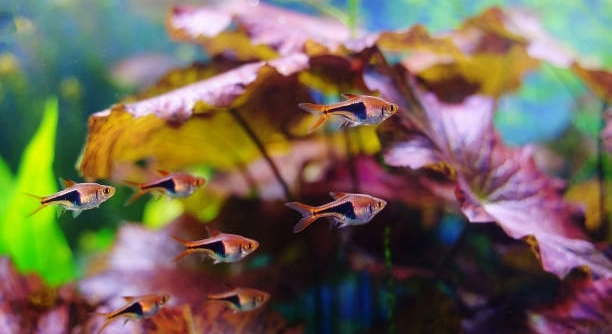
Rasboras are small, lively fish often found in home aquariums. They move gracefully and interact with their surroundings, making them a joy to watch. Many aquarium enthusiasts enjoy observing their curious behavior daily.
Rasboras can detect human movement near their tank through visual cues and water vibrations. Their lateral line system allows them to sense subtle changes in water pressure caused by nearby motion, enabling quick reactions to potential disturbances.
Watching how these tiny fish respond to movement can reveal surprising insights about their natural instincts and adaptability in a home environment.
How Rasboras Sense Movement
Rasboras rely heavily on their vision and lateral line system to interpret their surroundings. The lateral line is a series of tiny sensory organs along their body that detect changes in water pressure. Even small ripples caused by a hand moving near the tank can trigger a response. They often dart or cluster together when they sense sudden movement. Observing them, I notice that the smallest gestures, like walking past the tank or tapping gently on the glass, can make them pause or swim in unison. This reaction is natural and comes from their instinct to detect potential threats. Over time, they may even become accustomed to regular motion near the tank, showing less frantic behavior. Understanding how they perceive these signals can help create a calmer environment. Proper lighting, tank placement, and minimizing abrupt movements can improve their comfort and reduce unnecessary stress.
Rasboras detect motion primarily through water vibrations and visual cues, allowing them to respond quickly to nearby changes.
Watching their reactions can be fascinating. Their sensitivity to movement shows how finely tuned their senses are, even in a home tank. It makes me more mindful of how I interact around them. Keeping this in mind helps maintain a peaceful and stable habitat for these small fish, encouraging natural behavior. By observing patterns in their movement, I can adjust how I approach the tank, ensuring they stay comfortable. Over time, this awareness has helped me notice subtle signs of stress or excitement, giving insight into their overall health.
Tips for Minimizing Stress
Minimizing stress for rasboras starts with reducing sudden movements around their tank. Consistent handling and gentle approaches help them feel secure.
Providing hiding spots, plants, and open swimming areas supports natural behavior. I’ve found that rearranging decorations gradually avoids startling them. Keeping the water clean and stable, along with a consistent feeding routine, allows them to respond calmly to any human presence. Lighting that mimics natural daylight helps regulate their activity, and placing the tank in a quieter area reduces constant disturbances. Avoiding tapping on the glass or making rapid gestures near the aquarium prevents unnecessary stress. Small adjustments, like slowing down movements or approaching from the side, can make a noticeable difference. Over time, rasboras become accustomed to regular activity around the tank without showing panic. Observing their reactions closely helps ensure they are comfortable. A well-thought-out environment encourages healthy schooling behavior and reduces the chance of erratic swimming or hiding. Maintaining this consistency is key to supporting their overall well-being and promoting a peaceful habitat.
Lateral Line Sensitivity
The lateral line is essential for rasboras to detect water movement. It allows them to sense pressure changes, helping them avoid danger. This system is highly responsive, even to subtle ripples caused by nearby human motion.
The lateral line runs along the sides of rasboras, made up of tiny sensory organs called neuromasts. These organs pick up vibrations and currents in the water, giving the fish real-time information about their surroundings. I’ve noticed that when I slowly move my hand near the tank, they adjust their swimming almost instantly. This sensitivity is crucial for their survival in the wild, where predators can approach quickly. In a home tank, it explains why they often react to every small disturbance, even if it seems minor to me. Recognizing this helps me move more carefully around the aquarium.
Water movement alone can trigger rasboras to react, even without visual cues. I’ve seen them respond to vibrations from tapping or footsteps near the tank. Their schooling behavior amplifies this response, as one fish’s movement alerts the others. Over time, they may learn which movements are harmless, showing calmer reactions. This adaptation demonstrates their intelligence and awareness, reminding me to respect their sensitivity. Small changes in tank placement or reducing external vibrations noticeably improve their comfort and reduce stress. Understanding how these subtle signals affect them has changed how I manage their environment.
Visual Detection
Rasboras rely heavily on sight to interpret motion around their tank. Sudden movements in their line of vision trigger immediate reactions.
Bright lights and reflections can exaggerate their perception of movement. I’ve noticed that shadows from passing people or objects make them dart quickly. Their quick reflexes are not random but carefully coordinated with their vision and lateral line input. Observing them, I see that they constantly scan the environment, making split-second decisions to swim away or cluster together. When I adjust lighting or reduce glare, they appear calmer and more relaxed. This shows how visual stimuli play a major role in their awareness. Maintaining a stable, low-stress visual environment supports natural schooling patterns.
Visual detection works in tandem with water vibration sensing. Rasboras respond fastest when both cues are present, showing a combined sensory approach. When I move gently near the tank, the fish may pause or change direction slightly, whereas larger, sudden movements make them scatter. The way they coordinate as a group is impressive, as one alert fish signals the rest almost instantly. Over time, they can differentiate between harmless, regular motions and potential threats. I’ve found that positioning myself slowly and calmly near the aquarium minimizes these stress reactions. Their sensitivity highlights the importance of thoughtful tank placement and careful interaction, ensuring their environment feels safe and predictable.
Schooling Behavior
Rasboras often move in groups, which helps them respond quickly to perceived threats. When one fish senses movement, the rest follow almost instantly. This collective behavior increases their chances of avoiding danger.
Schooling also reduces stress. I’ve noticed that when they feel safe together, their swimming is smoother and more coordinated.
Tank Placement
Where the tank is positioned affects how sensitive rasboras are to human movement. Tanks near high-traffic areas often result in more skittish behavior.
Placing the aquarium in a quieter spot helps them feel secure. I arranged my tank away from doors and windows, which noticeably reduced sudden darting and allowed the fish to swim calmly. Proper placement minimizes unnecessary stress from frequent disturbances, making the environment more stable and predictable.
Human Interaction
Gentle, consistent movements around the tank reduce stress. I approach slowly and avoid sudden gestures, which helps the fish remain calm and comfortable.
Environmental Adjustments
Lighting, decorations, and plants influence how rasboras perceive motion. Soft lighting and natural hiding spots make them feel secure and less reactive to nearby activity.
FAQ
Can rasboras recognize individual humans?
Rasboras mainly react to movement, light, and water vibrations rather than identifying specific people. Over time, they may learn patterns, like who feeds them or approaches the tank frequently. I’ve noticed that the fish seem calmer when I move slowly compared to unfamiliar visitors, which suggests some level of recognition of familiar routines. Their reactions are more about predicting safety than forming personal recognition, but consistent presence and gentle movements can help them feel more comfortable around certain people.
Do all rasboras react the same way to movement?
Not every rasbora responds identically. Some are naturally more skittish, while others are bolder. In my tank, a few dart immediately at any movement, while others observe briefly before swimming calmly. Factors like age, size, and previous experiences influence their sensitivity. Younger fish often react more quickly, while older ones may learn which stimuli are harmless. Schooling behavior also affects responses, as a cautious fish can trigger a chain reaction among the group. Recognizing these differences helps in creating a low-stress environment.
How close can a human get before rasboras react?
The distance varies depending on lighting, tank placement, and the fish’s familiarity with human presence. I’ve observed that when I stand a few feet away and move slowly, they rarely show signs of stress. Sudden approaches from closer distances cause immediate darting. Over time, they become accustomed to regular, calm activity near the tank. Their lateral line system allows them to detect subtle water vibrations, so even minor disturbances from nearby footsteps can be noticed. Awareness of this sensitivity helps me plan where I stand and how I move.
Can taping or knocking on the glass harm them?
Yes, loud taps or knocks can stress rasboras significantly. I’ve seen them scatter and hide for several minutes after a sudden noise. Repeated disturbances may affect their health and natural behavior. To prevent unnecessary stress, I avoid tapping or slapping the tank and remind others not to do so. Smooth, gentle interactions and minimizing vibrations keep them calm and encourage normal schooling and feeding habits. Small changes in routine and handling can improve their overall well-being.
Do rasboras get used to human presence over time?
Yes, consistency is key. I’ve found that slow, predictable movements around the tank gradually reduce their reactive behavior. Regular feeding schedules, calm approaches, and stable environmental conditions help them feel safe. Over weeks, they begin to swim more naturally, even when I’m nearby, showing trust in a routine that minimizes surprises. Their ability to adapt highlights their intelligence and sensitivity to daily patterns.
Why do they dart when shadows fall on the tank?
Rasboras interpret shadows as potential threats. In my experience, even passing shadows from curtains or people can trigger sudden movements. Their vision, combined with lateral line sensitivity, causes an instinctive reaction. I try to reduce sudden light changes and block strong shadows to make the tank environment feel safer. Gradual changes in light and minimal outside disturbances help maintain calm behavior.
Can environmental enrichment reduce stress from movement?
Yes. Adding plants, decorations, and hiding spots gives them security. I’ve seen that when they have safe places to retreat, sudden movements nearby are less alarming. Open swimming areas combined with sheltered spots balance exploration and protection. Environmental enrichment not only reduces stress but also encourages natural behaviors, making their reactions to humans less intense over time.
How do feeding routines impact their response to humans?
Feeding at consistent times helps rasboras associate humans with positive experiences. In my tank, they swim toward the front at feeding time without panic, showing trust. Irregular feeding can increase skittishness, while predictable routines calm them and reduce excessive darting caused by perceived threats. It’s a simple way to manage their reactions effectively.
Can other fish affect rasboras’ reactions to movement?
Yes, tank mates influence their behavior. In a mixed aquarium, more active or nervous species can trigger faster responses from rasboras. I’ve noticed that when calmer fish are present, the group reacts more moderately. Understanding the dynamics between species helps manage overall stress levels and ensures that rasboras feel secure while schooling and swimming naturally.
Are there signs of stress I should watch for?
Rapid darting, constant hiding, or refusal to eat are clear indicators. I pay attention when their reactions become more extreme than usual. Stress can affect health and longevity, so minimizing sudden movements, keeping water stable, and maintaining a calm environment are essential. Recognizing early signs allows me to adjust conditions to keep them healthy and comfortable.
Final Thoughts
Rasboras are small, delicate fish with a surprising ability to sense the world around them. Their responses to human movement are not random; they rely on a combination of visual cues and their lateral line system to detect changes in the water. Even subtle vibrations or shadows can make them react quickly, sometimes darting or clustering together. Over time, I’ve realized that understanding these reactions is important for creating a comfortable environment for them. Observing their behavior closely can reveal patterns in how they respond to different stimuli. This awareness allows me to adjust my actions around the tank, from how I approach it to the placement of decorations and hiding spots, ensuring that the fish feel secure. Knowing that they are sensitive to movement helps in reducing unnecessary stress, which is key to their overall health.
Consistency and routine play a major role in how rasboras adapt to their surroundings. Regular feeding schedules, gentle interactions, and minimizing sudden movements help the fish feel safe. I’ve noticed that when these routines are followed, rasboras begin to swim more naturally, showing calmer behavior even when people are nearby. Their schooling instincts, combined with familiarity with human presence, allow them to gauge whether an approaching movement is harmless or potentially threatening. Providing an environment that balances open swimming areas with plants or other forms of shelter reduces anxiety. These small adjustments make a noticeable difference in their daily behavior. Over time, they become less reactive to minor disturbances, which demonstrates their ability to adapt and learn from repeated experiences. Creating a stable environment is not just about aesthetics; it directly impacts their comfort and well-being.
Environmental factors, like tank placement, lighting, and decorations, also contribute significantly to how rasboras respond to movement. Tanks placed in high-traffic areas or under bright, fluctuating light tend to cause more frequent stress reactions. In my experience, situating the aquarium in a quieter corner and using soft, consistent lighting helps the fish feel more secure. Plants and hiding spots provide safety zones where they can retreat when startled, while open areas allow for normal schooling behavior. Paying attention to these factors, along with careful observation of their reactions, ensures that the fish live in a less stressful environment. By combining thoughtful tank setup, consistent routines, and gentle human interaction, rasboras can thrive in a home aquarium. Their sensitivity to movement is a reminder of how attentive we need to be as caretakers, making their small, vibrant world a calmer and safer place.

Hello,
If you enjoy the content that we create, please consider saying a "Thank You!" by leaving a tip.
Every little bit helps us continue crafting quality advice that supports the health, happiness, and well-being of pets around the world, for pets of all shapes, sizes, and species.
We really appreciate the kindness and support that you show us!