
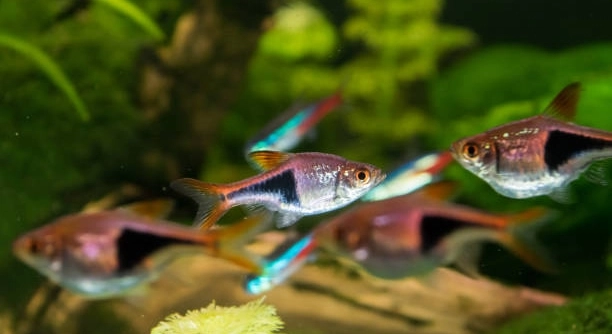
Do you enjoy keeping colorful aquariums but find it challenging to feed your rasboras in a way that keeps them active and healthy? Many fish owners face the same dilemma with these small, lively creatures.
Rasboras respond best to a variety of feeding techniques that cater to their natural behavior and dietary needs. Incorporating a mix of flake, frozen, and live foods ensures proper nutrition, promotes activity, and supports their overall health in captivity.
Feeding your rasboras correctly can improve their vibrancy and longevity. This guide explores practical techniques that enhance their daily care and enjoyment.
Understanding Rasboras’ Natural Diet
Rasboras are small, active fish that thrive on a diet similar to what they would encounter in the wild. They feed on tiny insects, larvae, and plant matter, making them omnivorous. In captivity, mimicking this balance is crucial. Flake foods provide essential vitamins, while live or frozen foods encourage natural hunting behavior and maintain energy levels. Feeding only one type of food can result in nutritional gaps, which may affect growth, coloration, and immunity. Observing how your rasboras react to different foods allows for adjustments in feeding frequency and portions. A mix of daily small feedings and occasional treats helps maintain their health. Rotating food types also prevents them from becoming selective, ensuring they receive a broad range of nutrients. Proper feeding not only supports physical well-being but also enhances their natural behavior and interactions within the tank environment. Consistency in diet promotes stability in their overall health.
Offering a varied diet helps your rasboras stay active and healthy while maintaining vibrant colors in the aquarium.
Maintaining a feeding routine is equally important. Regular times help fish anticipate meals, reducing stress. Portion control ensures food is consumed fully, avoiding water contamination. Live foods like brine shrimp can stimulate activity and mimic hunting instincts, while high-quality flakes and micro pellets supply balanced nutrition. Supplements, such as vegetable-based treats, support digestive health. Observing individual fish helps detect early signs of deficiencies or health issues. Adjusting portions based on tank population prevents overfeeding. Temperature and water conditions influence appetite, so meals should align with optimal environmental conditions. Incorporating variety, timing, and portion control forms the foundation of a feeding strategy that supports longevity and vitality in rasboras.
Flake and Pellet Feeding Techniques
Flake and pellet foods are convenient for daily feeding and provide essential nutrients for rasboras.
When using flakes, sprinkle them evenly across the water surface to allow all fish access. Micro pellets sink slowly, giving shy individuals a chance to feed. Gradually introducing new brands helps avoid digestive issues. Observing consumption patterns ensures proper portioning and minimizes leftover food. Flake and pellet feeding should be complemented with live or frozen foods to provide a balanced diet. Measuring portions prevents overfeeding, which can harm water quality and fish health. Combining flakes, pellets, and occasional frozen treats supports vibrant coloration and consistent energy levels. Incorporating different shapes and sizes encourages natural foraging behavior, keeping fish engaged. Feeding small amounts multiple times a day maintains metabolism and prevents bloating. Flake and pellet techniques form the backbone of an effective feeding routine.
Live Food Feeding
Live foods like brine shrimp and daphnia stimulate natural hunting instincts in rasboras. They provide protein and encourage activity, helping maintain their health and coloration.
Feeding live foods requires careful preparation. Rinse and sort the organisms to remove debris or contaminants. Introduce them in small amounts to avoid overcrowding and stress. Observe how the fish respond and remove uneaten food promptly. Live feeding encourages natural behavior, improving interaction among tank mates and reducing boredom. Offering variety prevents nutritional gaps and supports growth. Combining live foods with flakes or pellets ensures a balanced diet while promoting overall vitality. Timing and portion control are essential to prevent water quality issues and maintain a clean aquarium environment.
Rasboras benefit from live foods when offered consistently but in moderation. Too much can pollute the water, so spacing feedings and balancing with prepared foods keeps the tank stable. Regularly rotating live food types ensures diverse nutrients, supporting strong immune systems and vibrant colors. Monitoring fish behavior during live feeding helps detect health issues early. Overfeeding can lead to digestive problems, so careful observation is necessary. By integrating live foods thoughtfully, rasboras display natural hunting habits, increased energy, and improved overall wellbeing in their aquarium habitat.
Frozen Food Options
Frozen foods such as bloodworms and brine shrimp provide convenient nutrition without the risks of live feeding contamination. They retain essential proteins and vitamins while stimulating feeding activity in rasboras.
When using frozen foods, thaw them properly to avoid shocking the fish. Offer small portions to ensure full consumption and minimize waste. Frozen foods complement flakes and pellets, filling dietary gaps and enhancing variety. Maintaining hygiene by discarding leftovers prevents water pollution. Combining frozen foods with live or prepared options ensures a balanced, nutritious diet. Careful handling and rotation of frozen varieties support health, color vibrancy, and activity levels in rasboras while simplifying feeding routines.
Incorporating frozen foods into your feeding plan adds convenience and nutritional consistency. They are easy to store and measure, reducing preparation time. Using a variety of frozen options ensures the fish receive necessary nutrients that may be missing from flakes or pellets. Portioning correctly avoids overfeeding, preserving water quality and preventing digestive issues. Regularly alternating frozen types keeps rasboras engaged and mimics natural feeding variety. This approach supports both physical health and behavioral stimulation, enhancing their overall vitality in a home aquarium.
Small Frequent Feedings
Offering small, frequent feedings helps rasboras maintain energy throughout the day. It prevents overfeeding and keeps water quality stable.
Dividing daily portions into multiple servings allows shy or slower fish to eat without competition. This method supports digestion and reduces waste in the tank.
Vegetable-Based Treats
Vegetable treats like blanched spinach or zucchini provide fiber and aid digestion. They complement protein-rich foods, ensuring a balanced diet. Regularly offering vegetables supports gut health and prevents constipation. Variety keeps fish engaged and encourages natural foraging behavior, improving overall activity.
Feeding at Different Tank Levels
Rasboras often feed at mid to upper levels, but distributing food at varying depths ensures all fish receive nutrition. This method encourages movement and natural behavior while preventing selective eating. It also minimizes leftover food settling on the substrate, helping maintain clean water.
How often should I feed my rasboras?
Rasboras do best with small feedings two to three times a day. Providing frequent, moderate portions prevents overeating and supports digestion. Large meals can cause bloating and water quality issues. Dividing their daily food into multiple servings ensures all fish, including shy individuals, receive adequate nutrition while maintaining consistent energy levels throughout the day.
Can rasboras eat only flakes or pellets?
While flakes and pellets provide essential nutrients, feeding only these foods may lead to deficiencies. Rasboras benefit from a mixed diet that includes live, frozen, or vegetable-based foods. Incorporating variety mimics natural feeding habits, improves coloration, and promotes overall health. Prepared foods should be the foundation, complemented by occasional treats for balance.
Are live foods necessary for rasboras?
Live foods are not strictly necessary but provide protein and stimulate natural hunting instincts. Brine shrimp, daphnia, and micro worms encourage activity, enhancing their physical and behavioral health. Feeding live foods occasionally alongside flakes and pellets ensures a more complete diet while keeping rasboras engaged and active.
How do I prepare frozen foods for feeding?
Thaw frozen foods like bloodworms or brine shrimp before offering them. Rinse them in clean water to remove ice crystals or debris. Offer small portions to prevent overfeeding and minimize waste. Combining frozen foods with flakes, pellets, or live foods provides variety while maintaining water quality and balanced nutrition.
Can rasboras eat vegetables?
Yes, small amounts of blanched vegetables such as spinach, zucchini, or peas support digestion. They provide fiber and help prevent constipation. Offering vegetables once or twice a week complements protein-rich foods, encourages natural foraging, and keeps the fish engaged with different textures and tastes.
What are the signs of overfeeding?
Overfeeding can lead to bloated abdomens, lethargy, and leftover food polluting the tank. Water may become cloudy, and algae growth can increase. Monitoring portions, observing fish behavior, and removing uneaten food promptly are essential steps to maintain tank health and prevent long-term issues related to overfeeding.
How do I encourage shy rasboras to eat?
Shy fish may struggle to compete for food. Feeding small amounts at multiple points in the tank and using sinking pellets or slow-sinking flakes can help. Live or frozen foods often draw their attention, stimulating natural hunting instincts. Providing calm, consistent feeding conditions encourages participation without stress.
Should I adjust feeding based on tank temperature?
Yes, fish metabolism changes with temperature. Warmer water increases appetite, while cooler water slows digestion. Adjust portion sizes and feeding frequency accordingly to prevent overfeeding or underfeeding. Consistency in monitoring behavior and adjusting meals based on activity ensures rasboras maintain health across seasonal changes or aquarium conditions.
Is it okay to feed rasboras at different tank levels?
Feeding at varied levels ensures all fish receive food and encourages natural movement. Rasboras tend to feed mid to upper levels, but sprinkling flakes near the surface and using sinking pellets or small vegetable pieces engages different individuals and prevents selective eating. This also helps keep the substrate cleaner.
How do I balance different food types in their diet?
Combine flakes or pellets as a staple with occasional live, frozen, and vegetable-based foods. Rotate these items throughout the week to ensure balanced nutrition and prevent selective eating. Monitoring fish behavior and health helps determine the right portions and combinations for optimal growth, coloration, and activity.
Can overfeeding frozen or live foods harm rasboras?
Yes, excessive live or frozen food can pollute water and cause digestive problems. Portion control and spacing feedings appropriately prevent bloating, reduce waste accumulation, and maintain water quality. Integrating these foods carefully alongside prepared options creates a healthy, balanced feeding routine for long-term fish wellbeing.
How do I know if my feeding routine is working?
Healthy rasboras remain active, display vibrant coloration, and show normal swimming behavior. Eating promptly without leftover food indicates proper portioning. Observing their overall condition, activity, and tank cleanliness provides clear feedback. Adjusting food types, quantities, and frequency ensures sustained health and engagement.
This FAQ covers the essential aspects of feeding rasboras effectively, emphasizing balance, consistency, and observation to maintain healthy, vibrant fish in any aquarium setting.
Feeding rasboras properly is essential for maintaining their health, energy, and vibrant coloration. These small, active fish require a balanced diet that reflects their natural omnivorous tendencies. Providing a mix of flakes, pellets, live, frozen, and vegetable-based foods ensures they receive all necessary nutrients. Relying solely on one type of food can result in deficiencies and affect their growth, immune system, and overall well-being. Observing how your rasboras respond to different foods is important, as it helps determine which feeding methods work best for your specific group of fish. Consistent monitoring allows for adjustments in portion size, frequency, and food type, creating a feeding routine tailored to the tank’s population and environment.
Small, frequent feedings are generally more effective than large, infrequent meals. Dividing daily portions into two or three servings allows shy or slower fish to eat without competition, supports digestion, and reduces waste in the tank. Overfeeding is a common mistake that can lead to bloating, digestive problems, and deteriorating water quality. It is important to measure portions carefully and remove uneaten food promptly. Feeding at different tank levels encourages natural movement and prevents selective eating, while rotating food types ensures variety and balanced nutrition. Incorporating live or frozen foods stimulates hunting behavior and keeps the fish active, which contributes to both physical and behavioral health. Vegetables provide fiber that aids digestion and adds another element of variety, completing a diet that supports vitality and longevity.
Maintaining a proper feeding routine requires attention to detail and consistency. Environmental factors, such as tank temperature and population density, influence appetite and behavior, so feeding strategies may need adjustment over time. Monitoring fish activity, coloration, and interactions helps identify any issues early, allowing timely changes to diet or feeding practices. A balanced approach that combines prepared foods with occasional live, frozen, or vegetable treats supports overall health while minimizing water pollution and tank maintenance issues. By focusing on variety, portion control, and routine, rasboras can thrive in captivity, displaying natural behaviors and maintaining a healthy, energetic presence in the aquarium. Proper feeding not only sustains their physical health but also enhances the enjoyment of observing their lively movements and interactions.

Hello,
If you enjoy the content that we create, please consider saying a "Thank You!" by leaving a tip.
Every little bit helps us continue crafting quality advice that supports the health, happiness, and well-being of pets around the world, for pets of all shapes, sizes, and species.
We really appreciate the kindness and support that you show us!