
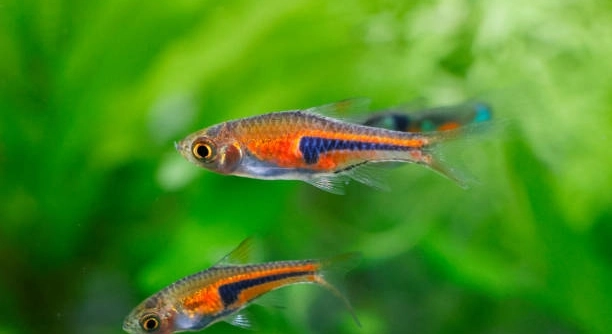
Have you ever noticed how rasboras seem calmer during certain moments of the day in a home aquarium, making those periods ideal for helping new fish adjust comfortably and without unnecessary stress or sudden disturbances?
The quietest times for rasboras to settle in are during early morning hours, late evening lighting periods, post feeding calm phases, routine maintenance days, stable water change intervals, subdued ambient noise windows, and consistent acclimation schedules, which collectively reduce stress.
These carefully chosen moments can influence long term health, behavior, and color vibrancy in peaceful community aquariums over time naturally.
Early Morning Stillness
I have found that early morning hours offer the calmest environment for rasboras to adjust without pressure. Lights are usually dim, activity around the tank is minimal, and water conditions remain undisturbed. During this time, rasboras move slowly, explore plants gently, and show fewer signs of stress. This stillness allows them to orient themselves, recognize shelter, and establish comfort before daily routines begin. Sudden movements, loud sounds, and feeding schedules are absent, which lowers overall stimulation. Introducing rasboras during these quiet hours supports steady breathing patterns and smoother social interactions. Over time, this gentle start helps them settle faster, display natural schooling behavior, and maintain consistent coloration within a peaceful aquarium setting. I prefer preparing the tank beforehand, ensuring temperature stability, clean surfaces, and familiar décor, so the fish encounter predictability rather than change, which contributes to calmer adjustment during those first fragile hours inside the aquarium space itself naturally.
Morning calm works best when paired with patience. I avoid tapping glass, rearranging décor, or rushing feeding. This restraint gives rasboras time to breathe evenly and observe surroundings, setting a stable tone for the rest of the day without unnecessary disruptions or changes from external household movement nearby early hours.
Another benefit of early hours is stable water chemistry before daily fluctuations occur. Filtration has been running overnight, oxygen levels are balanced, and temperatures remain consistent. I have noticed rasboras introduced at this time hide less and resume normal swimming sooner. They interact calmly with existing tank mates and avoid frantic darting. This period also allows observation of subtle behaviors, making it easier to notice stress signals. By midmorning, rasboras already appear settled, which reduces the need for later intervention and supports long term tank harmony for both new arrivals and established fish alike within shared aquarium environments overall stability.
Evening Light Transitions
Evening lighting transitions create another quiet window for rasboras. Activity slows, feeding has passed, and movement near the tank decreases. This softer environment supports gentle acclimation and reduces visual stress, especially when lights dim gradually rather than shutting off suddenly over the course of predictable nightly routines in homes everywhere.
I often rely on evening hours when daytime schedules make mornings difficult. By this point, rasboras have already experienced stable conditions throughout the day, and the aquarium feels settled. Introducing them during light transitions minimizes sharp contrasts that can cause agitation. I keep room lights low, avoid television noise, and allow the tank lights to fade naturally. This helps rasboras recognize boundaries, locate shelter, and integrate slowly. Evening introductions also align with natural resting rhythms, encouraging fish to pause rather than panic. Over the next hours, they rest among plants and décor, which builds familiarity. By the following morning, rasboras appear confident and less reactive. This timing supports smooth adjustment, reduces chasing from tank mates, and maintains a balanced social structure without forcing immediate interaction. I have noticed fewer stress markings and steadier swimming patterns after evening placement. Preparation still matters, including matching water temperature, monitoring parameters, and resisting the urge to intervene. Allowing quiet observation overnight gives rasboras control, which supports stability by morning. This slower pace reduces mistakes, limits overstimulation, and helps maintain consistent behavior across shared tanks during adjustment periods at home especially for small, sensitive schooling species kept in calm household environments with minimal disruption daily.
Post Feeding Calm Periods
I notice rasboras remain calmer after feeding ends and activity fades. Food has settled, schooling slows, and competition stops. Introducing them during this lull reduces frantic movement and allows steady breathing. The tank feels predictable, which helps new arrivals observe quietly and find shelter without pressure during early adjustment phases.
I usually wait until all fish have finished eating and water movement settles. Filters resume normal flow, and surfaces stay undisturbed. Rasboras introduced at this time rarely dart across the tank. Instead, they follow gentle currents and remain close to plants. Existing fish are less territorial because their immediate needs are met. This reduces chasing and sudden bursts of speed. I keep lighting steady and avoid feeding again. Allowing this calm window gives rasboras time to align with group behavior and reduces stress responses that can delay acclimation and social balance within shared aquariums during early settling periods at home.
This period also makes monitoring easier. I can observe breathing rates, fin position, and schooling distance without distractions. Subtle signs of stress stand out more clearly. If adjustments are needed, they can be delayed until later, avoiding interruptions. Rasboras benefit from this uninterrupted time because their energy remains conserved. Over several hours, they begin mirroring established fish patterns. This smooth transition supports appetite regulation, color stability, and long term comfort inside the aquarium. I have noticed fewer losses and stronger resilience when patience guides timing during sensitive introduction stages for small schooling species in calm home tanks overall stability improves.
Routine Maintenance Days
Routine maintenance days create another quiet opportunity. Water changes have finished, debris is removed, and equipment runs smoothly. The tank feels refreshed yet stable. Introducing rasboras afterward avoids sudden disruptions later. I wait until parameters settle and movement slows. This timing reduces confusion and prevents overlapping stress from cleaning activities, allowing rasboras to adjust without added environmental shifts during planned care routines that I already follow consistently at home aquariums for stability and balance overall.
I plan maintenance earlier in the day so calm follows. Once hands leave the tank, fish behavior normalizes within hours. Introducing rasboras after this recovery phase works well. Water clarity is improved, oxygen levels are balanced, and surfaces feel familiar. Existing fish have already adapted to the changes, reducing defensive behavior. I avoid combining maintenance with feeding or décor changes. Separating these tasks limits stress stacking. Rasboras benefit from entering an environment that has already stabilized. They explore without reacting to tools or motion. Over time, this approach has helped me maintain consistent survival rates and smoother group integration across multiple tanks in calm household settings where routines stay predictable and human activity remains low, supporting steady behavior and reduced stress levels long term outcomes.
Stable Water Change Intervals
I rely on stable water change intervals because consistency lowers stress. Introducing rasboras after scheduled changes avoids surprise shifts. Parameters have equalized, temperature holds steady, and filtration resumes rhythm. This predictable window supports calm exploration and reduces shock responses during early adjustment inside community tanks for small schooling species overall.
I keep records of timing and results, and these intervals consistently work best. Rasboras introduced during this calm phase school sooner and hide less. I avoid rushing refills or testing immediately, allowing the tank to settle fully before observing behavior changes in shared home aquariums over time naturally and gently.
Low Ambient Noise Windows
Low ambient noise periods matter more than expected. I introduce rasboras when household activity drops and vibrations fade. Footsteps, doors, and voices influence water movement and fish reactions. During quiet hours, rasboras show slower fin movement and smoother swimming. I turn off nearby electronics and keep lighting steady. This reduces startle responses and unnecessary darting. Over time, rasboras associate the environment with safety rather than disruption. I have seen better feeding responses and steadier schooling when introductions align with silence. Calm surroundings support sensory adjustment and reduce energy loss during acclimation for small peaceful species in shared tanks at home.
Consistent Acclimation Schedules
I also pay attention to consistent acclimation schedules. Repeating the same timing builds predictability for both fish and caretaker. Rasboras respond well when routines remain unchanged. This steady approach limits stress spikes and encourages natural behavior within days inside calm community aquariums with stable lighting and water conditions overall balance.
What signs show rasboras are stressed after being added to a tank?
Stress in rasboras often shows through rapid breathing, pale coloration, clamped fins, or constant hiding. I also watch for erratic swimming or separation from the group. These signs usually appear within the first hours. When I notice them, I reduce light, avoid feeding, and limit movement near the tank. Stress often eases when the environment stays quiet and unchanged. If conditions remain stable, rasboras typically regain normal color and schooling behavior within a day or two, showing they are beginning to settle comfortably.
How long should I wait before feeding rasboras after introducing them?
I usually wait several hours, sometimes until the next day. Feeding too soon can increase activity and competition, which raises stress levels. Rasboras do not suffer from short fasting periods. Waiting allows them to explore, find shelter, and observe other fish. When I finally feed, I offer a small amount and watch closely. Calm feeding responses are a good sign. This patience helps prevent food waste, reduces chasing, and supports smoother adjustment during the first critical phase.
Does tank size affect how quickly rasboras settle in?
Tank size plays a noticeable role. Larger tanks offer more swimming space, plants, and hiding areas, which lowers pressure on new fish. In my experience, rasboras settle faster when they can spread out and avoid constant interaction. Smaller tanks can still work, but timing becomes more important. Quiet periods matter more in limited spaces because disturbances feel stronger. Regardless of size, consistent conditions and gentle lighting help rasboras feel secure and reduce adjustment time.
Should rasboras be added all at once or in groups over time?
Rasboras do better when added in groups rather than individually. They rely on schooling for comfort. I prefer adding them all at once during a quiet period, which prevents repeated disruption. Adding fish over time resets the adjustment process and can trigger defensive behavior from existing tank mates. When introduced together, rasboras form bonds faster, swim more confidently, and display stable behavior sooner. This approach reduces stress for both new and established fish.
Can lighting schedules affect how rasboras respond to settling periods?
Lighting has a strong influence. Sudden brightness often startles rasboras, while gradual changes encourage calm movement. I keep lighting consistent during introductions and avoid adjustments for at least a day. Dim or transitional lighting works best. When lighting stays predictable, rasboras spend less time hiding and more time schooling naturally. Over time, this stability supports healthy feeding habits and reduces sensitivity to routine light cycles in the aquarium environment.
Is it normal for rasboras to hide for long periods after introduction?
Yes, hiding is common and usually temporary. I see it as a coping response rather than a problem. Rasboras often stay near plants or corners while assessing their surroundings. Forcing interaction only delays adjustment. I avoid rearranging décor or checking too often. As long as water conditions remain stable, hiding decreases naturally. Within a day or two, rasboras usually rejoin the group and begin swimming openly again.
How does household activity impact rasbora adjustment?
Household movement affects vibrations, sound, and light exposure. I notice rasboras react more during busy hours. Introducing them when activity is low reduces startle responses. Over time, they adapt, but the first hours matter most. Keeping the tank away from doors, speakers, or heavy foot traffic helps. When the environment stays calm, rasboras conserve energy, adjust faster, and show steadier behavior patterns during their settling phase.
Settling rasboras into a new aquarium is less about action and more about timing and restraint. Quiet moments give these small fish the space they need to observe, adapt, and feel safe. When the environment remains steady, rasboras respond with calmer swimming, stronger schooling, and better color retention. I have learned that even minor disruptions can delay this process, while patience often speeds it up. Choosing low activity periods respects their sensitivity and reduces unnecessary stress. This approach supports not only initial adjustment but also long term stability within the tank. Over time, these small decisions create a noticeable difference in behavior and overall health. Rasboras thrive when their surroundings feel predictable, allowing them to focus on social structure rather than survival responses.
Consistency remains one of the most valuable tools in aquarium care. Repeating routines, maintaining stable schedules, and limiting sudden changes all contribute to smoother transitions. Rasboras respond well when conditions remain familiar from day to day. I find that when I resist the urge to interfere, the tank often balances itself naturally. Observation becomes more useful than constant adjustment. Watching how rasboras move, where they rest, and how they interact offers clearer insight than frequent testing or rearranging. This steady approach builds confidence in both the caretaker and the fish. Over time, the aquarium becomes a calm system rather than a source of ongoing correction. Rasboras reward this stability with steady feeding habits, relaxed movement, and strong group cohesion.
Final outcomes often reflect the care taken during the earliest hours. Introducing rasboras during quiet periods sets the tone for their entire experience in the tank. These moments influence how they interact with tank mates, how quickly they resume normal behavior, and how resilient they become to routine changes later. I have found that slowing down leads to better results than rushing. A calm introduction reduces setbacks and minimizes losses. It also creates a more enjoyable experience, as the aquarium feels balanced rather than reactive. Over time, this mindful approach turns routine care into a predictable rhythm. Rasboras settle in quietly, and the tank reflects that calm in return.

Hello,
If you enjoy the content that we create, please consider saying a "Thank You!" by leaving a tip.
Every little bit helps us continue crafting quality advice that supports the health, happiness, and well-being of pets around the world, for pets of all shapes, sizes, and species.
We really appreciate the kindness and support that you show us!