
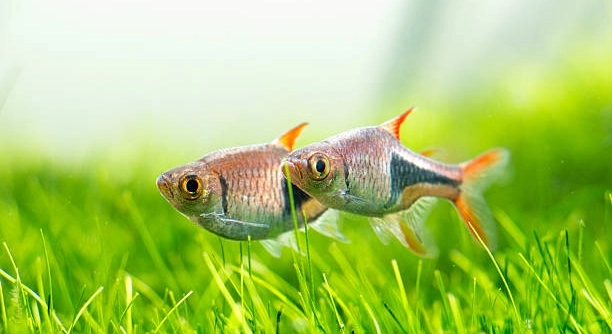
Do you enjoy watching your aquarium come alive with activity but find yourself noticing the subtle movements of your rasboras? These tiny fish often display behaviors that suggest more than simple swimming.
Rasboras communicate through body language using postures, fin movements, and subtle color changes. These behaviors convey social signals, establish territory, indicate stress, and facilitate mating, allowing them to interact effectively within their aquatic environment.
Observing these movements closely can reveal fascinating insights into their interactions and daily routines, offering a deeper connection with your aquatic pets.
Common Body Language Signals in Rasboras
Rasboras use a variety of body language signals to communicate with each other. They often swim in tight schools, which shows a sense of security and social bonding. Quick darting movements can indicate excitement or alertness, while slower, deliberate swimming may signal calmness or contentment. Color changes along their bodies can reflect mood or readiness to mate. Flaring fins often show dominance or territorial behavior. Observing their posture is also telling; a raised dorsal fin can indicate alertness, while a lowered fin may show submission. Even subtle tail flicks can convey agitation or interest in their environment. Paying attention to these signals helps in understanding their social hierarchy and individual personality traits. Over time, you can learn to recognize when a fish is stressed, happy, or ready to interact with others, which improves the overall harmony in the tank and reduces aggressive behavior. These cues are consistent across most rasbora species.
Understanding these behaviors helps you create a more balanced aquarium environment.
Watching these signals regularly allows you to anticipate conflicts and ensure the well-being of all fish in your tank. Observing minute details like fin positions or group formations can guide feeding practices, tank rearrangements, and even compatibility decisions with other fish species. For instance, noticing signs of stress, such as rapid swimming or hiding, enables timely intervention before issues escalate. Recognizing mating signals can help if breeding is a goal, while understanding dominance displays prevents unnecessary aggression. Consistent observation fosters a calm tank environment and strengthens your ability to respond appropriately. It also enhances the enjoyment of aquarium keeping, turning routine care into a more informed and attentive practice. Tracking these behaviors over time builds a deeper connection with your rasboras, ensuring they thrive physically and socially. Small adjustments based on body language lead to a healthier, more harmonious aquatic setting for all tank inhabitants.
How Environment Affects Rasbora Communication
The environment plays a significant role in how rasboras communicate through body language. Stressful or crowded conditions can heighten aggression and reduce normal social signaling.
Rasboras rely on clear sightlines and open swimming space to effectively communicate with peers. Overcrowded tanks limit their ability to form schools, which can increase stress and diminish their natural signaling behaviors. Proper lighting and plant placement are also essential, as they provide hiding spots and visual markers that help rasboras feel secure. Water quality affects their coloration and activity levels, directly impacting the signals they send and interpret. By maintaining a stable, clean, and adequately sized environment, you allow rasboras to express their behaviors naturally. Observing the interactions between tank setup and fish responses highlights how subtle environmental changes influence social dynamics, dominance hierarchies, and mating behaviors. Adjustments like adding floating plants, rearranging decor, or ensuring gentle water flow can make a significant difference. Consistent monitoring of both physical conditions and behavioral cues ensures your tank remains a supportive space, fostering healthy communication and reducing stress-related problems among the fish. Proper care allows their full range of body language to be displayed, providing insight into their needs and maintaining a peaceful community tank.
Subtle Signs of Stress in Rasboras
Stress in rasboras is often visible through small changes in their behavior. Rapid swimming, hiding more than usual, or clamped fins are common signs. Changes in coloration or appetite may also indicate discomfort or environmental issues.
Chronic stress can affect their immune system and social interactions. Rasboras under pressure may stop schooling or lose interest in food. Aggressive behavior can appear unexpectedly, especially if tank conditions are crowded or water quality is poor. Stress can also reduce natural signaling behaviors, making body language less clear and harder to interpret. It is important to observe these subtle cues early, as they allow timely adjustments to the tank environment. Minor changes such as improving water parameters, adding plants, or providing hiding spots can relieve stress effectively. By keeping a close eye on their actions and posture, you ensure rasboras maintain their natural, healthy behaviors, which supports overall well-being and longevity in the aquarium.
Monitoring their environment is key to reducing stress. Regular water checks and observing group interactions help maintain balance and calm.
Enhancing Communication Through Tank Setup
Proper tank setup encourages clear communication among rasboras. Open swimming areas, strategically placed plants, and gentle currents allow them to signal effectively without obstruction.
Rasboras respond well to a well-structured environment that mimics natural habitats. Plants provide hiding spots, which reduce stress and allow submissive fish to avoid conflict. Open swimming spaces enable schooling and natural group coordination. Lighting affects coloration and fin visibility, enhancing body language signals for mating or dominance. Decorations should not block sightlines, as visual contact is critical for social interactions. Water flow and temperature stability also impact activity levels, influencing how often and effectively they display behaviors. Small adjustments, like rearranging decor or adding floating plants, can significantly improve their ability to communicate. Observing the effect of these changes helps identify what promotes healthy social dynamics. A thoughtfully designed tank ensures rasboras feel secure, active, and expressive, which strengthens both natural behaviors and overall harmony.
Interpreting Schooling Behavior
Schooling is one of the clearest ways rasboras communicate. Tight formations indicate security, while scattered movement can signal stress or alertness.
Changes in school patterns often reflect shifts in social hierarchy or environmental comfort. Observing these patterns helps anticipate potential conflicts and ensures a stable group dynamic.
Color Changes and Mood
Rasboras display subtle color shifts that correspond to mood and social signaling. Darkening may indicate stress, while brighter tones can show excitement, dominance, or readiness to mate. These changes help fish respond appropriately to one another and maintain group harmony.
Fin Movements and Signals
Fin positions reveal intent and social status. Raised fins often denote alertness or dominance, while clamped fins suggest submission or fear.
Understanding these movements allows better insight into interactions, helping maintain balance and reduce stress in the tank.
FAQ
How do I know if my rasboras are communicating effectively?
Rasboras communicate through schooling, fin movements, and subtle color changes. Observing tight group formations, synchronized swimming, and consistent interactions usually indicates effective communication. If fish appear scattered, hide excessively, or show unusual aggression, these are signs that communication may be disrupted.
Why do rasboras change color suddenly?
Color changes often reflect mood, stress, or mating readiness. A darker tone can indicate stress or discomfort, while brighter colors often appear during mating displays or when asserting dominance. Lighting, water quality, and tank decor can also influence these changes. Observing these cues helps interpret their needs.
What do darting movements mean?
Quick, sudden swimming is usually a sign of alertness, excitement, or agitation. In social contexts, it can signal dominance or respond to perceived threats. Monitoring patterns alongside other behaviors helps distinguish between playful activity and stress-induced reactions.
Can rasboras communicate stress to each other?
Yes, stressed fish often influence the group. Rapid swimming, clamped fins, and hiding behaviors can prompt similar reactions in others. Maintaining stable water parameters, adequate space, and visual barriers reduces stress and helps preserve normal social signaling.
How important is tank layout for communication?
Tank structure directly affects visibility and movement. Open swimming areas allow schooling, while plants and decorations offer hiding spaces. Balanced layouts help rasboras maintain social hierarchies, reduce conflict, and display natural body language. Poor setups can block signals and increase stress.
Do all rasbora species show the same communication patterns?
Most species share basic behaviors like schooling, fin signaling, and color changes. However, intensity and frequency vary by species. Observing individual responses within a species helps you understand their unique communication style.
How can I encourage natural communication?
Maintain stable water quality, appropriate tank size, and sufficient schooling numbers. Arrange plants and decorations to provide both open areas and hiding spots. Regularly observe their interactions and adjust environmental factors to support natural social behaviors.
Are there signs of aggression I should watch for?
Raised dorsal fins, chasing, or nipping at other fish indicate dominance or territorial disputes. Temporary aggression is normal in establishing hierarchy, but prolonged conflict signals environmental or social stress. Adjusting tank setup or school size often resolves these issues.
Can communication help in breeding rasboras?
Yes, observing body language like chasing, fin flaring, and color brightening helps identify mating readiness. Providing open swimming spaces and plant surfaces encourages spawning behavior. Recognizing these signals increases the chance of successful breeding.
How do I differentiate stress from normal activity?
Normal activity includes regular schooling, playful darting, and occasional color changes. Stress behaviors are persistent hiding, clamped fins, rapid erratic swimming, or loss of appetite. Tracking behavior over time allows accurate differentiation and timely intervention.
Can lighting affect communication?
Yes, lighting impacts visibility, coloration, and behavior. Soft lighting enhances natural colors, making signals clearer. Sudden bright lights can startle fish and disrupt normal signaling. Adjusting light intensity gradually improves comfort and encourages natural interactions.
What role does water quality play in communication?
Poor water conditions reduce activity, color intensity, and fin displays, making communication less clear. Stable temperature, clean water, and balanced chemical levels support normal social behaviors and reduce stress-related miscommunication.
How often should I observe my rasboras?
Daily observation is ideal. Short, consistent checks allow you to track body language, school cohesion, and subtle behavioral changes. Regular attention helps detect stress, health issues, or social disruptions early, ensuring a harmonious tank environment.
Are hiding spots necessary for effective communication?
Yes, hiding spots provide security for shy or submissive fish. Feeling safe allows them to participate in social interactions at their own pace and reduces stress-induced aggression. Plants, caves, and driftwood are effective options for shelter.
Can rasboras communicate across different species?
They can respond to general signals like rapid movement or aggression from other species, but specific social cues are mostly understood within their own kind. Careful observation is needed when mixing species to ensure peaceful coexistence.
How does schooling behavior impact communication?
Schooling ensures that visual signals reach all members quickly. Tight, coordinated schools indicate effective communication, while scattered groups may reflect stress, illness, or environmental challenges. Supporting schooling behavior strengthens overall social cohesion.
Is it normal for rasboras to ignore each other sometimes?
Yes, short periods of independent swimming or reduced interaction are normal. Fish often explore, rest, or feed alone while still maintaining overall group cohesion. Observing long-term patterns gives better insight than focusing on brief moments.
How do I address miscommunication or conflict in the tank?
Identify stressors such as overcrowding, poor water quality, or lack of hiding spaces. Adjust tank layout, reduce aggression by separating overly dominant individuals temporarily, and ensure sufficient schooling numbers. Consistent observation ensures timely problem-solving.
Do rasboras communicate differently at night?
Nighttime behavior is subdued. Reduced activity and dim lighting lower visible signaling, but schooling and subtle body cues continue. Providing a stable day-night cycle helps maintain natural rhythms and supports normal communication patterns.
How can I document and learn their behaviors?
Keeping a journal or recording short videos helps track patterns, color changes, and fin positions over time. Comparing observations allows you to recognize individual personalities, group dynamics, and responses to environmental changes, improving tank management and care.
Observing rasboras closely reveals how much communication happens without words. Their schooling patterns, fin movements, and subtle color changes all serve as ways to interact with one another. Paying attention to these behaviors allows you to understand their moods, social structures, and individual personalities. Even small gestures, like a flick of the tail or a raised fin, carry meaning within the group. Recognizing these signals is key to maintaining a harmonious tank where each fish feels secure and able to express itself. Over time, observing their daily routines and responses to the environment helps you notice patterns that may not be obvious at first, such as signs of stress, excitement, or readiness to mate. This awareness allows for timely interventions, whether adjusting water parameters, reorganizing decorations, or adding plants to create hiding spaces. By acknowledging these signals, you are better able to provide an environment that supports their natural behaviors and encourages healthy interactions among all members of the group.
Creating a supportive tank environment directly influences how effectively rasboras can communicate. Open swimming spaces, strategically placed plants, and gentle water flow all play a role in allowing them to display their natural signals. Overcrowding or blocked sightlines can interfere with schooling and social interactions, sometimes leading to stress or aggression. Providing adequate space and ensuring clean, stable water parameters gives each fish the confidence to express itself fully. Lighting also affects communication, as brighter colors are easier to read and subtle movements are more noticeable. Observing how your fish react to different parts of the tank or changes in their surroundings can guide adjustments to improve comfort and clarity in communication. Simple steps like moving decorations, adding floating plants, or maintaining consistent light cycles can have a noticeable impact on how your rasboras interact. These changes not only promote healthy behavior but also make the aquarium more enjoyable to watch and study, as you can see natural patterns of schooling, dominance, and play emerge clearly.
Understanding rasbora communication is an ongoing process that combines observation, patience, and careful environmental management. Each fish has its own personality, and group dynamics may shift depending on stress levels, tank conditions, or social hierarchy. Regularly observing interactions helps you identify when fish are comfortable, stressed, or ready to breed, allowing proactive care. Attention to details such as fin positions, subtle color changes, and schooling formations helps interpret their needs more accurately. Providing a balanced environment that supports both individual and group behaviors encourages confident, expressive fish. Over time, you can anticipate responses, reduce conflicts, and foster a peaceful, engaging community tank. By valuing their body language and responding appropriately, you not only ensure the well-being of your rasboras but also gain a deeper understanding of their natural behaviors and social structures, creating a richer, more rewarding aquarium experience.

Hello,
If you enjoy the content that we create, please consider saying a "Thank You!" by leaving a tip.
Every little bit helps us continue crafting quality advice that supports the health, happiness, and well-being of pets around the world, for pets of all shapes, sizes, and species.
We really appreciate the kindness and support that you show us!