
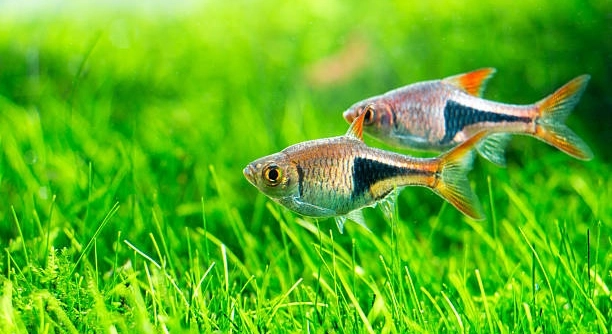
Starting a new aquarium can be exciting, especially when you are adding tiny, colorful fish like rasboras. These small, peaceful creatures bring life to any tank and can make watching your aquarium more enjoyable every day.
The best practices for new rasbora owners include maintaining stable water conditions, providing proper nutrition, ensuring a suitable tank size, keeping compatible tank mates, monitoring health regularly, offering hiding spots, and gradually acclimating them to their new environment for long-term wellbeing.
Learning these habits early will help your rasboras thrive and create a calm, balanced aquarium environment for everyone involved.
Choosing the Right Tank Size
A proper tank size is crucial for rasboras to live comfortably. Small tanks may seem convenient, but overcrowding can stress the fish and lead to illness. A minimum of 10 gallons is recommended for a small school of rasboras. More space allows them to swim freely, reduces aggression, and supports stable water conditions. Adding plants and decorations can make the tank feel natural, giving the fish hiding spots and areas to explore. Lighting should mimic a natural day-night cycle, and a gentle filter will keep water clean without creating strong currents. It’s important to cycle the tank before introducing fish to establish beneficial bacteria. Monitoring temperature and pH ensures conditions stay within the species’ tolerance. Regular maintenance, like partial water changes and removing debris, will keep the tank healthy. Choosing the right tank size is an investment in their health and behavior. Proper planning prevents future problems and helps your rasboras thrive.
A tank of at least 10 gallons provides space for swimming, stable water conditions, and room for plants or decorations, ensuring healthier rasboras.
Providing enough space from the start reduces stress and allows your fish to display natural behaviors. A larger tank also gives flexibility for future additions.
Maintaining Water Quality
Keeping water clean and stable is essential for rasboras’ survival. Frequent testing for ammonia, nitrite, and nitrate helps prevent toxic build-up. Using a reliable filter keeps debris and waste under control. Regular partial water changes maintain balance without shocking the fish. Temperature and pH must remain consistent, as sudden changes can cause stress and disease. Adding live plants can aid water quality by absorbing nitrates and providing natural filtration. Monitoring water hardness and keeping it within recommended ranges supports overall fish health. Avoid overfeeding, as leftover food can decay and pollute water. Setting a routine for testing and maintenance ensures long-term stability. Clean water encourages healthy growth, vibrant colors, and active behavior. This care reduces the risk of illness and helps rasboras adjust smoothly to their environment.
Maintaining water quality prevents stress, disease, and sudden mortality while supporting natural activity and coloration in rasboras.
Regular testing, careful feeding, and partial water changes are key steps. Filters must be cleaned gently to preserve beneficial bacteria. Adding plants not only improves aesthetics but also contributes to chemical balance. Overfeeding and ignoring water parameters often lead to common health problems. Observing fish behavior and color changes provides early warning signs of poor water conditions. Consistency is critical—keeping the water stable and clean supports immune function and reduces stress. Using safe treatments when necessary, like dechlorinated water and balanced supplements, helps fish adjust to tank conditions. Investing time in water care ensures rasboras remain active, healthy, and visually appealing for years. Proper water management is the foundation of responsible fish keeping and prevents common mistakes new owners often make.
Proper Feeding
Rasboras need a balanced diet to stay healthy. Feed small amounts two to three times daily, using high-quality flakes, pellets, or frozen foods. Avoid overfeeding, as leftover food can foul the tank and harm water quality.
A varied diet supports their growth, coloration, and energy levels. Flakes and pellets provide essential nutrients, while frozen or live foods like brine shrimp or daphnia give protein and encourage natural hunting behavior. Feeding too much at once can lead to bloating and water pollution, so portion control is important. Observing how quickly they consume food helps adjust the amount. Consistent feeding schedules reduce stress and prevent sudden hunger.
Some rasboras may prefer certain food types, so experimenting with textures and sizes ensures they eat well. Supplementing with occasional vegetables, like blanched spinach or zucchini, can provide fiber. Rotate food types to prevent nutritional deficiencies. Healthy feeding habits improve lifespan, immunity, and overall vitality, creating active, colorful fish that thrive in their tank environment.
Social Environment
Rasboras are schooling fish and feel safest in groups of six or more. A small school encourages natural swimming patterns and reduces stress, leading to healthier fish.
Keeping them with other peaceful species ensures compatibility and prevents aggression. Avoid large, predatory fish that may bully or eat them. Plants and decorations give hiding spaces, which helps shy fish feel secure. Regular observation allows detection of any behavioral changes or stress signs. The right social environment supports both physical and mental well-being, encouraging active, confident fish.
Monitoring interactions is crucial for maintaining harmony. Even within a school, some fish may dominate or isolate others. Providing plenty of space and visual barriers helps balance social dynamics. Adjusting tank mates or adding more rasboras can reduce tension. A harmonious environment allows natural schooling behavior, improves feeding efficiency, and encourages proper rest. Well-socialized rasboras display brighter colors and more energy, enhancing the aquarium’s visual appeal and overall health. Proper social management prevents stress-related illnesses and promotes long-term vitality for every fish in the tank.
Acclimating New Fish
Introducing rasboras gradually reduces stress. Float the sealed bag in the tank for 15–20 minutes to equalize temperature. Slowly add small amounts of tank water to the bag over 30–45 minutes before releasing them.
Acclimation prevents shock from sudden changes in temperature, pH, or water chemistry. Gradual adjustment helps fish adapt to their new environment, lowering the risk of illness. Avoid rushing this process, as stressed fish may hide, refuse food, or become more susceptible to disease. Observing behavior during the first few hours is important to ensure they settle in safely.
Providing Hiding Spots
Rasboras feel secure with plenty of plants, rocks, or decorations. These spots reduce stress, encourage exploration, and give shy fish areas to rest.
Monitoring Health
Regular observation is essential to detect signs of disease early. Check for changes in color, swimming patterns, or appetite. Healthy rasboras are active, show bright coloration, and eat consistently.
Maintaining Consistency
Consistency in temperature, feeding, and lighting supports their wellbeing. Sudden changes can cause stress, affecting immunity and behavior. A stable routine helps rasboras thrive, maintaining both their health and activity levels in the tank.
FAQ
How many rasboras should I keep together?
Rasboras are schooling fish and feel safest in groups of at least six. Smaller numbers can lead to stress, hiding, or timid behavior. A larger school encourages natural swimming patterns, social interaction, and reduces aggression. Providing enough space in the tank ensures each fish can move freely and maintain a comfortable social hierarchy.
What type of food is best for rasboras?
High-quality flakes or pellets should form the base of their diet. Supplementing with frozen or live foods like brine shrimp, daphnia, or bloodworms adds protein and variety. Occasional vegetables like blanched spinach or zucchini can provide fiber. Feed small amounts two to three times a day, removing uneaten food to maintain water quality.
How often should I change the water?
Partial water changes of 20–30% weekly are recommended. This helps maintain stable water conditions, remove waste, and prevent nitrate buildup. Using dechlorinated water that matches tank temperature prevents stress. Over time, consistent water changes promote healthier, more active fish with vibrant colors.
What water parameters do rasboras need?
Rasboras thrive in slightly acidic to neutral pH (6.0–7.5) and a temperature range of 72–79°F (22–26°C). Water hardness should be moderate, and ammonia or nitrite must remain at zero. Regular testing ensures conditions stay within safe limits. Stable parameters reduce stress, disease, and mortality.
Can rasboras live with other fish?
Yes, rasboras are peaceful and compatible with other small, non-aggressive species. Avoid large or predatory fish that could intimidate or eat them. Providing hiding spots and plants helps maintain a balanced environment, reducing territorial disputes and stress. Observing fish interactions is important to prevent conflicts.
How do I know if my rasboras are healthy?
Healthy rasboras are active, display bright coloration, and swim in coordinated groups. They should eat consistently and respond to feeding times. Signs of illness include faded colors, erratic swimming, loss of appetite, or spots on the body. Early detection allows for prompt treatment and prevents disease spread.
Do rasboras need plants in their tank?
Yes, live plants provide hiding spaces, reduce stress, and improve water quality by absorbing nitrates. Plants also create a more natural environment, encouraging exploration and normal behavior. Even artificial plants can help, but live plants offer additional health benefits and promote stable water conditions.
How long do rasboras live?
With proper care, rasboras can live 4–6 years. Longevity depends on water quality, diet, tank size, and stress levels. Consistent maintenance, a stable environment, and a balanced diet improve their chances of a full, healthy life. Observing behavior and coloration helps monitor their overall wellbeing.
Is it okay to overfeed rasboras?
No, overfeeding can lead to bloating, water pollution, and health issues. Feed only what they can consume within a few minutes, removing any leftover food. Small, frequent feedings are better than one large meal. Proper portioning keeps both the fish and water conditions healthy.
How should I introduce new rasboras to my tank?
Acclimate them gradually by floating the sealed bag in the tank for 15–20 minutes to equalize temperature. Slowly add small amounts of tank water to the bag over 30–45 minutes before releasing them. This reduces stress and prevents shock from sudden changes in water chemistry or temperature.
Can rasboras jump out of the tank?
Yes, they can. A secure lid is important to prevent escapes. Sudden movements, reflections, or other disturbances may cause them to jump. Ensuring the tank is covered and minimizing stressors keeps your rasboras safe and reduces the risk of injury.
Do rasboras need a specific tank shape?
Not specifically, but a longer tank is better than a tall, narrow one. Rasboras swim horizontally and need space for schooling. Horizontal space supports natural behavior, reduces stress, and helps them establish a proper social structure. Adding plants and decorations enhances comfort without restricting swimming space.
How can I tell if my water is safe for rasboras?
Regular testing for ammonia, nitrite, nitrate, pH, and hardness ensures safety. Ammonia and nitrite should always be zero. Nitrate should remain low, ideally below 20 ppm. Stable temperature and pH within their preferred range support health. Observing fish behavior also indicates water quality issues.
Should I turn off lights at night?
Yes, rasboras need a regular day-night cycle. Lights should be off at night to mimic natural conditions, allowing rest and reducing stress. Consistent lighting also helps maintain plant health and supports their circadian rhythm, keeping fish active and vibrant during the day.
Is it necessary to quarantine new fish?
Quarantining new fish for 2–4 weeks prevents introducing diseases or parasites into the main tank. It allows observation for health issues before adding them to established rasboras. Quarantine tanks reduce risk, protect existing fish, and provide time for treatment if needed.
Can I breed rasboras at home?
Yes, but breeding requires separate tanks, clean water, and appropriate spawning conditions. Rasboras lay eggs among plants or fine substrates. Removing adults after spawning prevents them from eating eggs. Proper feeding and care increase survival rates for fry, though it requires attention and patience.
Do rasboras need strong filtration?
Moderate filtration is ideal. Strong currents can stress rasboras, so choose a filter that provides gentle water flow. Filters maintain water clarity, support beneficial bacteria, and reduce debris. Regular cleaning ensures efficiency without disrupting tank balance or harming fish.
How often should I observe my fish?
Daily observation is important to detect illness, stress, or behavioral changes early. Look for changes in swimming, coloration, or appetite. Quick action prevents problems from worsening. Observing interactions within the school also helps maintain a peaceful environment.
What temperature fluctuations are safe for rasboras?
Small, gradual changes are acceptable, but sudden shifts of more than a few degrees can cause stress or illness. Maintain a stable range between 72–79°F (22–26°C). Using a reliable heater and thermometer ensures consistent temperature, supporting their immune system and behavior.
Can rasboras live in a planted tank only?
Yes, planted tanks are ideal as they provide hiding spots, improve water quality, and mimic natural habitats. Plants reduce stress, encourage natural behaviors, and enhance tank aesthetics. A combination of floating and rooted plants creates a comfortable environment for schooling rasboras.
How do I prevent common diseases?
Maintaining clean water, a balanced diet, stable temperature, and proper acclimation prevents most issues. Quarantine new fish and observe for early signs of illness. Avoid overfeeding and overcrowding. Quick intervention at the first signs of disease improves survival and reduces stress on the fish.
Can rasboras tolerate slightly different pH levels?
Yes, they can tolerate minor fluctuations, but consistency is key. Sudden pH swings cause stress and can compromise immunity. Gradual adjustments, if needed, are safer. Maintaining a range of 6.0–7.5 ensures optimal health and reduces the risk of illness.
Do rasboras need supplemental vitamins?
A varied diet usually provides sufficient nutrients. High-quality flakes, pellets, and occasional live foods supply essential vitamins. Some owners use supplements for growth or color enhancement, but overuse can harm water quality. A balanced diet and stable environment are the most effective ways to support health.
How do I know if my tank is overcrowded?
Signs include limited swimming space, frequent stress behaviors, and poor water quality. Rasboras need room to school freely, so avoid adding too many fish. Overcrowding increases aggression, stress, and disease risk. Monitoring fish behavior and tank parameters helps maintain a balanced population.
Are all rasboras peaceful?
Most species are peaceful, especially smaller types like Harlequin or Chili Rasboras. Some larger or less common species may show territorial behavior. Choosing compatible tank mates and maintaining a suitable school size ensures harmony and minimizes conflict.
Can rasboras live in cold water?
They prefer tropical temperatures and do not tolerate cold water well. Maintaining 72–79°F (22–26°C) is important. Lower temperatures reduce metabolism, affect immunity, and can lead to illness or death. Using a heater helps maintain stable conditions year-round.
How do I handle stressed rasboras?
Stress signs include hiding, loss of appetite, or erratic swimming. Check water quality, reduce disturbances, provide hiding spots, and maintain stable temperature. Minimizing sudden changes and avoiding aggressive tank mates helps fish recover. Stress management is key to preventing illness and improving long-term health.
Can rasboras live in a community tank with aggressive fish?
No, aggressive fish may attack or intimidate them. Rasboras thrive with peaceful species that match their size and temperament. Observing interactions and providing hiding places can reduce stress, but aggressive tanks are generally unsafe for these small schooling fish.
Is it necessary to clean the tank filter regularly?
Yes, cleaning maintains water flow and removes debris. Avoid removing all filter media at once, as beneficial bacteria are essential for the nitrogen cycle. Gentle rinsing preserves bacteria while keeping the filter efficient. Regular maintenance supports stable water conditions and fish health.
How often should I trim plants in a rasbora tank?
Trimming once every few weeks prevents overgrowth and maintains hiding spots. It also allows light to reach all areas of the tank. Healthy plants improve water quality and create a balanced environment, supporting both plant and fish wellbeing.
Can rasboras tolerate low oxygen levels?
They need well-oxygenated water. Low oxygen can cause gasping at the surface or lethargy. Using a filter, air stone, or live plants helps maintain oxygen levels. Proper aeration supports metabolism, activity, and overall health.
Are rasboras suitable for beginners?
Yes, they are hardy and adaptable if water quality, diet, and social needs are met. Their small size and peaceful nature make them ideal for new fish owners. Following proper care practices ensures a successful experience and long-term enjoyment.
What should I do if a rasbora becomes sick?
Isolate the fish in a quarantine tank to prevent disease spread. Observe symptoms and provide appropriate treatment. Check water quality, diet, and temperature, as stress and poor conditions often contribute to illness. Early intervention increases chances of recovery.
How can I encourage natural schooling behavior?
Keep at least six or more rasboras together. Provide open swimming areas, plants, and consistent feeding schedules. Avoid overcrowding or aggressive tank mates, as stress can break up schooling patterns. Proper social and environmental conditions promote cohesive, active schools.
Can I keep different rasbora species together?
Yes, if they are similar in size, temperament, and water requirements. Avoid mixing species with different aggression levels or water preferences. Observe interactions and adjust as needed to maintain harmony in the tank. Proper planning ensures peaceful coexistence and healthy behavior.
How do I prevent algae growth in a rasbora tank?
Regular water changes, avoiding overfeeding, controlling light exposure, and maintaining live plants reduce algae. Algae eaters can help, but consistent maintenance is the most effective prevention. A clean tank supports both fish health and visual appeal.
Are rasboras sensitive to medication?
Yes, some medications can harm small fish or disrupt water parameters. Always follow dosage instructions carefully and monitor fish closely. Using a quarantine tank for treatment minimizes risk to the main tank. Proper handling ensures safety during illness management.
Can rasboras recognize their owner?
They respond to feeding cues and movement outside the tank. While they do not form attachments like mammals, they learn routines and can associate certain actions with food. Consistent care builds trust and reduces stress during interactions.
Do rasboras require a dark substrate?
Not strictly, but darker substrates can enhance coloration and reduce stress. Fish may feel more secure and exhibit natural behavior. Substrate choice also impacts plant growth and tank aesthetics, contributing to a balanced environment.
How do I handle ammonia spikes?
Perform immediate partial water changes, check filtration, and reduce feeding temporarily. High ammonia is toxic and can cause stress or death. Regular testing and maintenance prevent spikes, keeping rasboras safe. Acting quickly protects both fish and tank balance.
What is the best way to introduce plants and decorations?
Place plants and decorations before adding fish. Arrange hiding spots and swimming areas thoughtfully. Ensure decorations have no sharp edges and are aquarium-safe. Proper placement improves comfort and reduces territorial disputes among rasboras.
Can rasboras tolerate fluctuating light schedules?
They need consistent day-night cycles. Frequent changes can stress fish and affect behavior. Using timers helps maintain stable lighting, supporting natural rhythms and overall health. Proper lighting also benefits plants and visual appeal.
How do I know if my school is too small?
Signs include isolated swimming, timid behavior, or excessive hiding. Schools of six or more prevent stress and encourage natural movement. Observing interaction patterns ensures a cohesive group and promotes overall wellbeing.
Are rasboras sensitive to noise or vibrations?
Yes, loud noises or sudden vibrations can startle them, causing stress or erratic swimming. Placing the tank in a quiet, stable area minimizes disturbance and helps maintain calm behavior. Stress reduction is key for long-term health.
Do rasboras need a specific water flow?
Moderate, gentle flow is ideal. Strong currents can exhaust or stress them, while stagnant water reduces oxygen. Adjust filter output to maintain safe, comfortable swimming conditions for active schooling. Proper water flow supports health and natural behavior.
Can rasboras live with shrimp or snails?
Yes, peaceful invertebrates like small shrimp or snails are compatible. They help clean the tank and coexist without harm. Avoid aggressive invertebrates that may compete for food or disturb fish. Compatibility enhances tank balance and cleanliness.
How do I prevent fin damage in rasboras?
Provide smooth decorations, compatible tank mates, and adequate space. Avoid overcrowding or aggressive species that may nip fins. Healthy water conditions and proper nutrition also strengthen fins. Monitoring behavior ensures early detection of issues.
What is the ideal tank lid height for rasboras?
A secure lid prevents jumping and accidents. Rasboras are small and can leap if startled. Covering the tank fully keeps them safe and maintains a controlled environment. Proper precautions reduce injury risk.
Do rasboras need supplemental oxygen at all times?
Not always, but aeration helps maintain safe oxygen levels, especially in planted or heavily stocked tanks. Air stones, gentle filters, or live plants improve oxygen availability, supporting activity and overall health.
How can I prevent stress during tank maintenance?
Perform partial water changes gently, avoid sudden temperature shifts, and limit disturbances. Move fish only if necessary. Using consistent routines reduces stress and keeps rasboras calm, promoting immunity and natural behavior.
Are rasboras suitable for nano tanks?
Yes, small species like Chili or Ember Rasboras can live in 10-gallon tanks. Ensure proper filtration, stable water parameters, and maintain a small school to prevent stress. Nano tanks require careful monitoring to avoid overcrowding and water quality issues.
Can rasboras live in brackish water?
No, they are freshwater fish and cannot tolerate salt in the water. Brackish conditions can cause stress, illness, and death. Maintaining freshwater parameters ensures safety and long-term health.
How do I reduce aggression in the tank?
Keep proper school sizes, avoid aggressive tank mates, provide hiding spots, and maintain adequate space. Balanced feeding and environmental enrichment help minimize conflict. Observing interactions and adjusting conditions promptly supports harmony.
Do rasboras need a heater in all climates?
In tropical climates, heaters may not be necessary, but most tanks benefit from a stable temperature between 72–79°F (22–26°C). Fluctuations can stress fish, so a reliable heater ensures consistent conditions year-round.
Can rasboras survive short power outages?
Yes, they can survive brief outages if water temperature and oxygen remain stable. Extended periods may cause stress, so backup aeration or heating can help. Minimizing temperature and oxygen swings prevents health problems.
Is it necessary to have a quarantine tank for invertebrates too?
Yes, new shrimp or snails can carry diseases or pests. Quarantining ensures they do not introduce problems to the main tank. Observation and treatment in a separate tank protect existing fish and maintain a healthy ecosystem.
Do rasboras need a sand or gravel substrate?
Either works, but fine gravel or sand is ideal for plant rooting and natural behavior. Avoid sharp substrates that can damage fins. Substrate choice also affects aesthetics, hiding spots, and tank maintenance.
How long should I observe new fish after introduction?
Monitor daily for at least the first week. Watch for stress, aggression, or illness. Early detection allows corrective measures. Observing feeding behavior and interactions ensures a smooth transition and long-term health.
Can rasboras live with goldfish?
No, goldfish are coldwater, messy, and may outcompete or harm small rasboras. Temperature and water quality differences make this pairing unsuitable. Choosing compatible species prevents stress and ensures safety for all tank inhabitants.
What is the best way to clean decorations without harming fish?
Remove them during water changes and scrub gently with aquarium-safe brushes. Avoid soap or chemicals. Rinse thoroughly with dechlorinated water. Proper cleaning preserves aesthetics, reduces algae, and maintains fish safety.
How do I prevent fin rot?
Maintain clean water, avoid overcrowding, provide proper nutrition, and keep compatible tank mates. Early detection of damage and prompt treatment prevents infection. Consistent care promotes healthy fins and reduces disease risk.
Can rasboras tolerate occasional temperature drops?
Small, gradual drops may be tolerated, but sudden changes are harmful. Consistent tropical temperatures are critical. Protecting them from drafts, cold water, or rapid heater failure ensures survival and reduces stress.
How often should I test water parameters?
Weekly testing is ideal for ammonia, nitrite, nitrate, pH, and hardness. Frequent checks detect issues early. Maintaining consistent water conditions prevents stress and illness, supporting healthy, active rasboras.
Are rasboras suitable for a planted community tank?
Yes, they thrive with live plants and peaceful tank mates. Plants provide hiding spots, reduce stress, and improve water quality. A well-planted tank encourages natural behavior and vibrant coloration.
Do rasboras need a specific pH buffer?
Not always, but maintaining pH between 6.0–7.5 is important. Sudden shifts can stress fish. Using stable water sources and monitoring regularly keeps conditions safe without constant buffering.
Can rasboras live in tanks with fluctuating lighting?
Frequent changes cause stress. Consistent day-night cycles, ideally 8–10 hours of light, support natural behavior
Caring for rasboras can be a rewarding experience, but it requires attention to several key factors to ensure they stay healthy and active. These small, peaceful fish thrive best when housed in a properly sized tank, ideally ten gallons or more, with stable water conditions. Maintaining consistent temperature, pH, and water quality is essential for their wellbeing. Regular partial water changes, proper filtration, and careful monitoring of ammonia, nitrite, and nitrate levels create an environment where rasboras can swim freely, school together comfortably, and display vibrant colors. A well-planned tank not only supports their physical health but also encourages natural behavior, such as schooling, exploring, and foraging.
Feeding is another important aspect of rasbora care. A balanced diet that includes high-quality flakes or pellets, along with occasional frozen or live foods, provides the nutrients they need to stay energetic and maintain bright coloration. Overfeeding can lead to bloating and water pollution, so it’s important to offer small portions multiple times a day and remove any uneaten food. Observing their eating habits helps ensure each fish is getting enough food, and introducing occasional plant-based foods can provide additional fiber for digestion. Supplementing their diet while keeping water quality in mind contributes to both longevity and overall health. Consistency in feeding schedules also helps reduce stress and allows rasboras to establish a comfortable routine in their new environment.
The social and environmental aspects of caring for rasboras are just as important as diet and water quality. These fish feel safest in schools, typically six or more, and require calm, compatible tank mates to avoid stress and aggression. Providing plants, rocks, or decorations gives them hiding spaces and creates a natural environment where they can thrive. Acclimating new fish gradually prevents shock, and observing their behavior regularly allows early detection of illness or stress. Attention to details such as gentle filtration, proper lighting cycles, and secure tank lids ensures a safe and comfortable home. By combining stable water conditions, balanced nutrition, and a supportive social environment, rasboras can live healthy, active lives, bringing movement and color to the tank while remaining peaceful and easy to care for. With these practices in place, maintaining a rasbora aquarium becomes a manageable and enjoyable responsibility.

Hello,
If you enjoy the content that we create, please consider saying a "Thank You!" by leaving a tip.
Every little bit helps us continue crafting quality advice that supports the health, happiness, and well-being of pets around the world, for pets of all shapes, sizes, and species.
We really appreciate the kindness and support that you show us!