
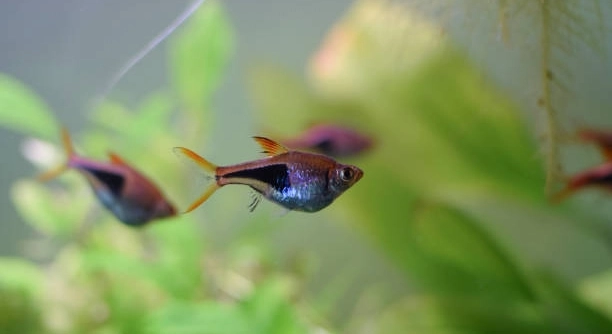
Many aquarium owners enjoy keeping rasboras for their vibrant colors and peaceful nature. These small fish are sensitive to environmental changes, making it important to observe their behavior carefully when conditions shift suddenly.
Rasboras exhibit specific reactions to drops in water temperature, including decreased activity, changes in swimming patterns, clustering together, loss of appetite, increased stress indicators, color fading, and occasional hiding. These responses are physiological and behavioral adaptations to colder water conditions.
Recognizing these signs early can help maintain a healthy tank environment and prevent long-term stress for your fish. Observing their reactions provides insight into their well-being.
Decreased Activity
When the water temperature drops, rasboras often slow down their movements. They may linger near the bottom of the tank or hover in place, showing less curiosity than usual. This decrease in activity is a natural response to conserve energy, as colder water slows their metabolism. Over time, prolonged inactivity can affect their overall health, so monitoring their behavior is essential. Some fish may seem lethargic immediately after a sudden temperature change, while others adjust gradually. Tank decorations or plants can provide resting spots for them. Providing gentle water flow helps reduce stress while allowing them to acclimate to the new temperature. Avoid sudden temperature fluctuations in the future, as consistent changes can lead to chronic health issues. Observing how each rasbora reacts individually helps in understanding their tolerance levels.
Even brief drops in temperature can lead to noticeable inactivity, signaling the need for careful monitoring.
Gradual temperature changes allow rasboras to regain normal activity. Ensuring the water remains stable helps prevent illness. Feeding smaller meals during colder periods can encourage gentle activity, and providing hiding places reduces stress. Regular observation ensures early detection of potential health problems and supports long-term well-being.
Changes in Swimming Patterns
Rasboras may swim differently when water temperature decreases, often moving more slowly or in unusual directions.
Cold water affects muscle function, making coordinated swimming harder. Fish may cluster together or favor the tank bottom, avoiding strong currents. This behavior reduces energy use and helps maintain body warmth. Some may dart suddenly when startled, showing irregular bursts of speed despite overall sluggishness. Maintaining consistent water conditions can reduce these swimming irregularities. Observing swimming behavior helps detect stress early and prevents potential injuries. Proper acclimation after introducing new water temperatures is crucial for their comfort. Consistent monitoring and gradual adjustments promote a healthy, active environment for all tank inhabitants.
Slow swimming or clustering in colder water signals stress and adaptation. Adjusting conditions and monitoring ensures rasboras remain healthy and active in their tank environment.
Clustering Together
Rasboras often gather in tight groups when the water temperature drops. This behavior helps them conserve heat and feel more secure in an unfamiliar environment. Clustering reduces exposure to colder water and lowers stress levels.
Grouping behavior is a natural response to cold water. Fish huddle near each other, often at the bottom or in corners of the tank. This allows them to share warmth and maintain energy. Clustering also provides a sense of security, reducing erratic movements that could lead to injury. Observing how tightly they group can indicate how stressed they are and how quickly they are adjusting to the new temperature. Providing gentle currents and hiding spots helps them feel safer while clustered.
Over time, as the water stabilizes, clustering lessens. Gradual temperature adjustments, along with observing group dynamics, ensure that all fish adapt safely. Monitoring for prolonged clustering helps prevent long-term stress or health issues in the tank.
Loss of Appetite
Rasboras may eat less or stop feeding entirely when temperatures fall. Lower metabolism reduces their need for food, making smaller meals preferable.
Cold water affects digestion, causing slower food processing. Fish may ignore their usual feeding times or only nibble occasionally. This behavior is normal but requires careful observation to prevent malnutrition. Offering highly digestible foods in small amounts helps maintain energy levels without overfeeding. Some rasboras may regain appetite once temperatures rise, while others need consistent conditions for proper feeding. Monitoring individual eating habits helps detect early signs of illness linked to stress. Providing warmer resting areas can encourage gentle feeding while keeping the water stable.
Maintaining proper feeding routines in cold conditions supports overall health. Adjusting meal sizes and monitoring appetite ensures rasboras remain strong while adapting to temperature changes.
Increased Stress Indicators
Rasboras often show visible signs of stress when temperatures drop, including rapid gill movement and erratic swimming. These indicators signal discomfort and the need for careful monitoring.
Stress can weaken their immune system, making them more susceptible to disease. Observing subtle changes early helps prevent long-term health issues and ensures their environment remains stable.
Color Fading
Lower temperatures can cause rasboras to lose their vibrant colors. Dull or pale hues indicate stress and reduced metabolic activity.
Cold water slows pigment development, and prolonged exposure may lead to more permanent fading. Maintaining stable temperatures and reducing sudden drops allows colors to return naturally. Proper nutrition and minimal disturbances help rasboras regain their bright appearance over time.
Hiding Behavior
Rasboras may seek shelter more frequently in colder water, hiding among plants or decorations.
This behavior reduces exposure to stressors, conserves energy, and helps them feel secure. Providing sufficient hiding spots supports their comfort and encourages gradual adjustment to temperature changes.
FAQ
How cold is too cold for rasboras?
Rasboras thrive in water between 72°F and 78°F. Temperatures dropping below 68°F can cause stress, decreased activity, and weakened immunity. Sudden drops are more harmful than gradual changes, so monitoring the tank and adjusting heaters carefully is essential to prevent health issues.
Why do rasboras cluster when water gets cold?
Clustering is a natural response to conserve energy and retain warmth. Grouping together reduces exposure to cold water, helps them feel secure, and minimizes erratic movements that could lead to injury. Observing clustering patterns can indicate their stress levels and adaptation progress.
Is it normal for rasboras to stop eating in colder water?
Yes, it is normal. Lower temperatures slow metabolism, reducing appetite and digestion. Offering smaller, highly digestible meals helps maintain energy. If appetite does not return once temperatures stabilize, it may indicate prolonged stress or illness, requiring closer observation.
How can I help rasboras regain their color after temperature drops?
Color fading is common when metabolism slows. Stabilizing water temperature and providing proper nutrition can restore natural hues. Reducing stress through hiding spots and gentle water flow encourages pigment recovery. Regular observation ensures that fading is not caused by illness.
What signs indicate rasboras are stressed from cold water?
Rapid gill movement, erratic swimming, hiding, clustering, and loss of appetite are common indicators. Early recognition of these signs allows for timely intervention, such as adjusting water temperature or providing calmer environments. Stress can affect long-term health if not addressed.
How quickly should water temperature be adjusted?
Temperature changes should be gradual, ideally no more than 2°F per hour. Rapid shifts shock the fish, causing erratic behavior, stress, or even death. Using a reliable heater and thermometer ensures safe and consistent acclimation.
Can prolonged exposure to cold water cause permanent harm?
Yes, extended exposure to low temperatures can weaken the immune system, slow growth, and increase susceptibility to disease. Maintaining consistent, appropriate water temperatures is key to preventing long-term health problems and ensuring vibrant, active fish.
Do hiding spots help rasboras adjust to colder water?
Absolutely. Plants, decorations, and shelters reduce stress and provide a safe environment. Hiding allows them to conserve energy while acclimating, making it easier for them to recover normal activity and feeding patterns once conditions improve.
Should I change feeding habits during colder periods?
Yes, offer smaller meals and more easily digestible foods. Overfeeding during slower metabolism can cause digestive issues. Monitor appetite closely, and adjust portions according to activity levels and temperature stability.
Can sudden temperature drops lead to disease?
Sudden drops compromise the immune system, making rasboras more vulnerable to bacterial and parasitic infections. Maintaining a stable environment, observing behavior, and ensuring proper nutrition are the best preventive measures against disease outbreaks.
What is the best way to monitor rasboras during cold snaps?
Watch for changes in swimming, appetite, clustering, hiding, and coloration. Regularly check water temperature and quality. Taking notes of daily behavior helps identify early signs of stress, allowing for timely adjustments and interventions to support their health.
Are all rasboras equally sensitive to cold water?
No, some species tolerate cooler temperatures slightly better than others. Individual fish also vary in resilience. Observing each fish’s reaction helps identify which require closer attention during temperature drops, ensuring a healthier tank environment for all inhabitants.
How long does it take for rasboras to recover from cold stress?
Recovery depends on the severity of temperature change, duration of exposure, and individual health. Gradual stabilization, proper nutrition, and stress reduction typically lead to noticeable improvement within days, while prolonged exposure may require weeks for full recovery.
Can I prevent stress reactions entirely?
While complete prevention is unlikely, maintaining stable water temperatures, providing hiding spaces, monitoring feeding, and avoiding sudden environmental changes significantly reduce stress. Consistent care ensures rasboras remain healthy, active, and colorful throughout seasonal or routine fluctuations.
Final Thoughts
Rasboras are delicate fish that respond quickly to changes in their environment, especially drops in water temperature. Their reactions, such as decreased activity, color fading, clustering, and hiding, are all natural responses aimed at conserving energy and coping with stress. Observing these behaviors closely provides important insight into their well-being. Maintaining a stable tank environment is essential to minimizing stress. Sudden temperature drops can be harmful, even if the fish appear to adjust temporarily. Gradual adjustments, combined with proper nutrition and shelter, help rasboras remain healthy and active. Paying attention to these small details ensures that your fish can thrive and display their natural behaviors more consistently. Over time, consistent care creates a stable environment where rasboras feel secure and exhibit their vibrant colors and playful movements.
Monitoring their behavior is just as important as maintaining water quality. Loss of appetite, erratic swimming, or prolonged hiding are indicators that the fish are experiencing stress. Providing sufficient hiding spots and gentle water flow helps them feel safe and encourages normal activity. Small adjustments, like offering highly digestible food or ensuring the tank is free from sudden temperature swings, can make a significant difference. It is also helpful to observe each fish individually, as sensitivity to cold water varies. Some rasboras recover quickly, while others may take longer to regain their normal routines. Being attentive allows for early intervention if stress leads to health problems. A consistent routine and careful observation are key to keeping rasboras healthy, active, and visually striking in your aquarium.
Understanding their needs and responses fosters a more rewarding experience for both the fish and the owner. Cold water stress can be managed effectively with patience, observation, and simple adjustments to the tank environment. Providing appropriate temperature control, maintaining a balanced diet, and creating safe spaces in the aquarium all contribute to their well-being. Over time, recognizing the subtle signals rasboras give allows for better care and a more harmonious tank. These small, mindful practices not only reduce stress but also promote long-term health and vibrant colors in the fish. Consistency in care ensures that your rasboras live comfortably, adapting smoothly to minor fluctuations while maintaining their natural behaviors. By prioritizing stability and attentive care, you can support a thriving, lively aquarium that showcases the beauty and unique characteristics of your rasboras.

Hello,
If you enjoy the content that we create, please consider saying a "Thank You!" by leaving a tip.
Every little bit helps us continue crafting quality advice that supports the health, happiness, and well-being of pets around the world, for pets of all shapes, sizes, and species.
We really appreciate the kindness and support that you show us!