
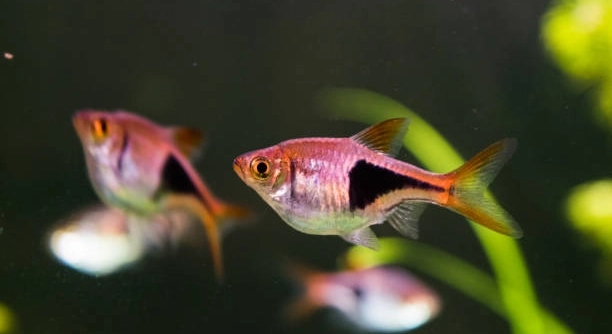
Keeping rasboras active and healthy in a home aquarium requires more than just feeding them regularly. Their environment plays a key role, influencing behavior, swimming patterns, and overall vitality. Small changes can make a noticeable difference in their activity levels.
Optimal tank designs for rasboras focus on providing sufficient swimming space, varied hiding spots, and naturalistic decorations. Incorporating plants, open areas, and subtle lighting encourages movement, reduces stress, and supports social behavior, ultimately enhancing the fish’s activity and well-being.
Exploring these tank designs will give insight into practical adjustments that promote livelier, healthier rasboras in your aquarium setup.
Open Swimming Space
Rasboras thrive in tanks that offer wide, open areas for swimming. Crowded tanks with too many decorations or plants can limit their movement and reduce activity. Creating a spacious layout with room to dart and explore encourages natural behavior. Open swimming space also helps reduce stress and territorial disputes among fish. It allows them to interact more freely in small schools, which is essential for their social nature. Even a moderately sized tank can benefit from thoughtful placement of rocks or plants along the edges rather than in the center. Using floating plants can add cover without blocking swimming areas, giving the fish comfort while keeping the middle of the tank clear. Maintaining a balance between open areas and hiding spots promotes overall well-being. Regularly observing your rasboras will help you identify whether they are using the space actively or remaining in one area, indicating adjustments may be needed.
Providing open swimming space allows rasboras to move freely, stay active, and exhibit their natural schooling behavior.
Designing a tank with plenty of swimming room is critical for rasboras’ activity. Open areas should take up most of the tank’s middle section, with decorations placed along the sides or back. Floating plants can provide light cover without blocking movement. Avoid tall, dense plants in the center, as these restrict free swimming and can stress the fish. Rocks or driftwood should be positioned so fish can navigate easily, maintaining clear pathways. Observing the school will show if they feel comfortable; a tank with proper space encourages schooling, chasing, and playful interaction. Even in smaller tanks, careful placement of decor can create the perception of open space. Light intensity also plays a role—moderate lighting can make fish more active, while overly bright conditions may drive them to hide. By combining thoughtful layout and adequate swimming areas, rasboras are more likely to remain energetic and healthy over time.
Plant Density
Rasboras respond well to moderate plant coverage. Dense plants along tank edges give hiding spots while keeping swimming space clear.
Adding plants in a tank improves water quality and provides a sense of security. It’s best to balance dense clusters along the back and sides with open areas for swimming. Plants like Java fern, Anubias, or floating moss can create natural cover without overcrowding. Too few plants may stress the fish, as they have no place to retreat, while excessive planting limits movement. Strategic placement encourages exploration and natural behaviors, keeping the school active and engaged. Plant roots and leaves also promote microfauna growth, which can enrich the diet and environment for rasboras. Ensuring plants are healthy and trimmed prevents debris from accumulating and maintains the tank’s clarity. Regular observation allows adjustment of plant density according to the fish’s activity levels, making sure they feel safe but still have room to move. The right combination of open space and plant coverage is key to sustaining energy and reducing stress.
Substrate Choice
Using a soft, fine substrate helps rasboras feel secure and encourages natural foraging. Gravel that is too sharp or large can stress the fish and reduce activity. Sand or small pebbles are ideal for maintaining comfort and promoting movement throughout the tank.
A sandy or smooth substrate allows rasboras to swim close to the bottom without risk of injury. They often explore the substrate for leftover food, which stimulates natural behaviors. Light-colored sand can make the tank appear brighter and more open, enhancing the fish’s activity. Substrate choice also affects plant growth, as some rooted plants thrive better in finer material, indirectly supporting more natural movement. By selecting the right substrate, the tank becomes both safer and more engaging for the school. Regular cleaning prevents buildup of waste and maintains healthy water conditions. Proper substrate can reduce stress and encourage social interaction within the group, keeping them energetic and active over time.
Substrate impacts both comfort and tank aesthetics. Finer materials encourage exploration and plant growth while maintaining a safe environment for rasboras.
Lighting Conditions
Moderate, consistent lighting keeps rasboras active and comfortable. Harsh lights can make them hide, while very dim conditions reduce visibility and movement. Proper lighting mimics natural day cycles, supporting regular behavior patterns.
Lighting affects fish behavior more than many realize. Rasboras are more likely to explore and swim in well-lit conditions without feeling exposed. Plants also respond to appropriate lighting, improving oxygen levels and creating natural hiding spots. Using a timer ensures a consistent day-night rhythm, which keeps the school calm yet active. Avoid flickering or overly intense lights, as these can cause stress or lethargy. Diffused lighting through floating plants or light covers can soften harsh beams while maintaining visibility. Adjusting intensity gradually over time allows the fish to adapt, supporting healthy activity levels and preventing sudden shocks to their environment. Observing behavior under different lighting setups helps determine the optimal balance for your tank.
Maintaining stable and moderate lighting encourages natural activity, plant growth, and overall well-being in rasboras.
Tank Shape
Long, rectangular tanks are ideal for rasboras. They provide more horizontal swimming space, which supports schooling behavior and natural movement patterns.
Taller, narrow tanks limit swimming and can stress the fish. A wider layout allows the school to spread out, chase, and explore freely, keeping activity levels higher.
Water Flow
Gentle, consistent water flow encourages rasboras to swim actively. Too strong currents can tire them, while stagnant water reduces movement and energy levels. Proper filtration creates a stable environment that mimics natural streams, promoting exploration and social interaction.
Hiding Spots
Rasboras need accessible hiding spots for comfort and stress relief. Plants, small caves, or driftwood provide shelter without restricting swimming space.
FAQ
How often should I rearrange my tank for rasbora activity?
Frequent changes can stress rasboras, so it’s best to keep major rearrangements to a minimum. Small adjustments, like moving plants slightly or adding a new hiding spot, can encourage exploration without causing anxiety. Observation is key to seeing how they respond.
What type of plants work best for activity?
Moderate-density plants along the edges are ideal. Java fern, Anubias, and floating moss provide cover without overcrowding the tank. Avoid dense central planting, which limits swimming space. Healthy plants improve oxygen levels and create natural microhabitats that stimulate movement.
Is schooling important for rasboras?
Yes, rasboras are social fish and feel safer in groups. A school of at least six encourages natural behavior, chasing, and interaction. Isolation can reduce activity, cause stress, and lead to unhealthy habits. Maintaining a proper school size supports overall energy and liveliness.
How does water temperature affect activity?
Rasboras are most active in stable temperatures around 72–78°F (22–26°C). Sudden fluctuations or prolonged extremes can make them lethargic or stressed. A consistent, slightly warm environment promotes swimming and social interaction, while abrupt changes may cause hiding or sluggish behavior.
Do decorations impact movement?
Yes, decoration placement affects swimming paths. Rocks, driftwood, and plants should be along edges to keep the center open. Too many objects in the middle restrict movement and can create territorial conflicts, reducing activity. Thoughtful design encourages exploration while providing comfort.
What lighting schedule works best?
Moderate lighting with a consistent day-night cycle is ideal. Using a timer ensures stability. Too bright or flickering lights stress the fish, while dim or inconsistent lighting reduces movement. Adjusting intensity gradually allows adaptation and encourages activity throughout the day.
Should I use a strong filter?
Gentle, consistent water flow is preferred. Strong currents tire rasboras, while stagnant water reduces motivation to swim. Filters that maintain clean water without creating turbulence support energy, exploration, and healthy schooling behavior. Observation helps determine the right flow.
How does tank size influence activity?
Larger tanks with horizontal space allow more natural swimming patterns. Narrow or tall tanks restrict movement and can lead to stress or reduced interaction. Adequate space is critical for a school to stay energetic, explore freely, and maintain social bonds.
Can substrate affect activity?
Yes, fine sand or small pebbles encourage natural foraging and reduce injury risk. Sharp or large gravel can stress rasboras and limit bottom-level movement. Substrate choice also supports plant growth, indirectly enhancing exploration and activity in the tank.
Are hiding spots necessary for active behavior?
Accessible hiding spots reduce stress and encourage confident movement. Rasboras will explore more when they feel safe. Plants, small caves, or driftwood offer shelter without obstructing swimming space. Proper balance keeps the school active while providing security for less bold individuals.
How do I know if my rasboras are active enough?
Regular observation helps. Active rasboras swim throughout the tank, interact in a school, and explore hiding spots. Lethargy, constant hiding, or minimal movement indicates environmental adjustments may be needed, including lighting, plant density, water flow, or tank layout.
Can feeding patterns influence activity?
Yes, small, frequent meals encourage foraging and exploration. Overfeeding can reduce motivation to swim, while irregular feeding may cause stress. Balanced nutrition supports energy levels and promotes lively interaction within the school.
Do seasonal changes affect behavior?
Mild temperature or daylight variations can influence activity, but stable indoor conditions minimize impact. Maintaining consistent temperature, lighting, and water quality ensures rasboras remain active year-round, regardless of outside weather.
How do I encourage shy rasboras to be more active?
Provide hiding spots, open swimming areas, and a proper school size. Gradual acclimation to new decorations or plants reduces stress. Observation and minor adjustments in layout or lighting help timid individuals gain confidence and join active swimming.
Is it necessary to separate aggressive tank mates?
Yes, peaceful schooling species like rasboras require calm neighbors. Aggressive fish reduce activity, stress the school, and cause hiding. Choosing compatible species promotes natural behavior, exploration, and social interaction within the tank.
Can I use floating plants to increase activity?
Floating plants create light cover and mild currents, encouraging exploration. They soften light, offer shelter, and stimulate natural behaviors. Properly positioned floating plants maintain open swimming areas while providing security, making rasboras more confident and energetic throughout the day.
How important is water quality for active behavior?
High water quality is essential. Ammonia, nitrites, or high nitrates stress rasboras and reduce activity. Regular monitoring, partial water changes, and proper filtration ensure a healthy environment, supporting energy, exploration, and schooling behavior.
What tank accessories help boost movement?
Gentle currents, moderate decorations, floating plants, and clear pathways encourage natural exploration. Avoid overcrowding, which limits swimming. Strategic placement of hiding spots combined with open areas ensures rasboras remain active, social, and stress-free while navigating their environment.
How do I maintain a balance between hiding spots and open space?
Distribute plants and decorations along edges or corners while keeping the center open. This provides security without restricting swimming. Observing the fish helps fine-tune placement. A balanced layout allows both exploration and rest, keeping the school lively and comfortable.
What signs indicate that tank adjustments are needed?
Reduced swimming, constant hiding, aggression, or lethargy signal adjustments may be required. Changes in lighting, water flow, decorations, or plant density can restore activity. Careful observation ensures a responsive and dynamic environment for rasboras to thrive.
Are timers for lights and filters necessary?
Timers help maintain consistency, which supports regular activity. Predictable day-night cycles and stable water flow reduce stress and encourage natural swimming patterns. Sudden changes without timers can disrupt behavior and decrease energy levels in the tank.
How can I gradually introduce new tank elements?
Add plants, decorations, or hiding spots slowly. Observe the school’s response to ensure comfort. Gradual introduction prevents stress and encourages exploration, allowing rasboras to remain active and confident in their updated environment.
Can tank mates affect rasbora activity during feeding?
Yes, peaceful cohabitants encourage normal foraging and interaction. Aggressive or fast-eating species can intimidate rasboras, reducing movement and causing hiding. Choosing compatible tank mates ensures all fish have space and opportunity to remain lively.
What maintenance practices help sustain activity?
Regular water changes, substrate cleaning, plant trimming, and filter checks maintain a healthy, stress-free environment. Consistent care supports energy levels, encourages exploration, and keeps the school engaged and active within their habitat.
How do I measure if my tank layout is effective?
Observe movement patterns, schooling behavior, and exploration. Active rasboras will swim through open areas, use hiding spots, and interact with tank mates. Adjust decorations, plant density, or lighting based on these observations to maintain optimal activity levels.
Does temperature stabilization require a heater or chiller?
Depending on the room climate, a heater or chiller ensures consistent temperatures. Stable water conditions prevent lethargy and stress, supporting regular swimming and social behaviors. Sudden temperature swings can decrease energy and affect overall activity in rasboras.
Can seasonal lighting adjustments improve activity?
Maintaining consistent light duration is more effective than seasonal changes. Timed lighting ensures regular day-night cycles, supporting natural movement patterns. Fluctuating schedules may reduce activity and cause stress, so stability is key for energy and exploration.
How do I encourage exploration without stressing the fish?
Provide open swimming areas, gentle water flow, and moderate hiding spots. Introduce changes slowly and observe behavior. Gradual adjustments encourage curiosity while maintaining security, helping rasboras remain lively and confident.
What role does tank size play in long-term activity?
Larger horizontal space supports schooling and movement. Smaller tanks restrict swimming, reduce social interaction, and may cause stress. Adequate tank size allows rasboras to exhibit natural behaviors consistently, maintaining energy and well-being over time.
Are floating or surface plants better for activity?
Floating plants provide light cover and diffuse light without restricting swimming. Surface plants create a safe overhead environment, encouraging exploration below. They balance security with open space, supporting active behavior and natural interactions in the school.
How often should I trim plants to maintain activity?
Regular trimming prevents overgrowth that limits swimming space. Removing excess leaves or stems keeps the tank open, encourages exploration, and reduces hiding conflicts. Proper plant maintenance balances shelter with movement, keeping rasboras active.
Do water parameters affect social behavior?
Stable pH, temperature, and low ammonia levels reduce stress and encourage schooling. Fluctuating parameters can cause lethargy, hiding, or aggression. Maintaining proper water chemistry ensures rasboras remain active and socially engaged.
What are common mistakes that reduce activity?
Overcrowding, sharp substrate, excessive decorations, poor water quality, and inappropriate lighting all reduce movement. Lack of schooling partners or aggressive tank mates also impacts energy. Correcting these factors restores activity and encourages natural behavior patterns.
How can I gradually increase rasbora activity in a new tank?
Introduce plants and decorations slowly, maintain gentle water flow, provide adequate swimming space, and establish a proper school size. Observe responses, adjust lighting, and ensure consistent feeding. Gradual steps help rasboras adapt confidently and remain energetic.
Does diet influence energy levels?
Yes, balanced nutrition with frequent small meals supports active foraging. High-quality flakes, live or frozen foods encourage movement, while overfeeding or poor-quality food can reduce swimming and exploration. Regular feeding routines maintain consistent energy throughout the day.
Are there specific tank shapes that help activity?
Rectangular, horizontal tanks support schooling and free movement. Tall, narrow tanks restrict natural swimming patterns and can stress the fish. Adequate length encourages exploration, chasing, and interaction, making the school more energetic and lively.
How do I monitor stress without obvious signs?
Subtle indicators include reduced swimming, decreased schooling, or frequent hiding. Changes in coloration or eating habits also signal stress. Observing behavior over time helps detect environmental issues early, allowing adjustments to maintain activity.
Can seasonal water temperature changes be mitigated indoors?
Yes, heaters or chillers stabilize water. Maintaining consistent temperature prevents lethargy and supports normal swimming patterns. Indoor control reduces the impact of outdoor climate, ensuring rasboras remain active year-round.
What tank maintenance schedule supports activity?
Weekly water changes, substrate vacuuming, filter cleaning, and plant trimming prevent stress and maintain energy levels. Consistent upkeep keeps the environment healthy, promoting regular exploration and social interaction within the school.
How can I tell if hiding spots are effective?
Rasboras will use shelters confidently without remaining hidden all the time. Balanced hiding areas reduce stress while leaving open swimming space. Observation ensures the school feels safe but still explores actively.
Are gentle water currents better than stagnant water?
Yes, mild currents encourage swimming and exploration. Stagnant water reduces motivation to move, while strong currents exhaust fish. Gentle, steady flow promotes energy, natural behavior, and healthy schooling dynamics in the tank.
Does tank lighting color affect activity?
Moderate, natural-toned lighting works best. Harsh or overly bright lights can cause hiding, while dim or inconsistent lighting reduces movement. Balanced lighting enhances visibility, encourages swimming, and supports healthy interactions within the school.
How do I adjust tank layout for shy rasboras?
Provide secure hiding spots, maintain open swimming paths, and introduce decorations gradually. Observation ensures timid fish gain confidence without stress. Adjusting layout carefully supports exploration, social interaction, and overall activity levels.
What indicators show the tank setup is optimal?
Active swimming, regular schooling, confident exploration, and minimal hiding indicate a successful layout. Healthy coloration, good appetite, and dynamic interaction with tank mates confirm the environment promotes energy and well-being.
Can aquarium background affect activity?
Yes, natural or neutral backgrounds reduce stress and provide visual security. Bright or reflective backgrounds may cause hiding or reduced movement. A calm backdrop encourages exploration and normal schooling behavior in rasboras.
How often should water parameters be tested?
Regular testing, at least weekly, ensures ammonia, nitrite, nitrate, and pH remain stable. Consistent monitoring prevents stress and lethargy, supporting active behavior, exploration, and social interaction within the school.
Is adding new tank mates helpful for activity?
Only if they are peaceful and compatible. Aggressive or fast-moving fish reduce activity and increase stress. Selecting calm species maintains a lively school while supporting natural interactions and energy levels in rasboras.
What role does surface agitation play?
Moderate surface movement improves oxygenation, encourages swimming, and stimulates exploration. Excessive agitation can tire fish, while stagnant water reduces energy. Proper balance maintains health and activity in the tank.
How does tank maintenance frequency impact energy?
Consistent cleaning, water changes, and plant care prevent stressors that reduce movement. A well-maintained tank encourages natural behavior, confident exploration, and active schooling, keeping rasboras energetic and healthy.
Can rearranging plants increase activity?
Yes, subtle changes like shifting edges or adding small plants encourage exploration without causing stress. Gradual rearrangements stimulate curiosity and keep the school moving, while maintaining security and swimming space.
What is the best schooling group size?
A minimum of six rasboras is recommended. Smaller groups may feel insecure, while overly large schools can overcrowd the tank. Proper group size supports social behavior, activity, and natural swimming patterns consistently.
Are filters with adjustable flow better?
Yes, adjustable flow allows fine-tuning for gentle water movement. Too strong currents reduce energy, while stagnant water limits activity. Controlled flow ensures a comfortable environment that promotes swimming and exploration.
How does plant trimming frequency affect activity?
Regular trimming prevents overcrowding, maintains swimming paths, and ensures adequate light reaches the tank. Properly trimmed plants balance shelter with open space, supporting energetic and confident behavior in the school.
Can water temperature adjustments be gradual?
Yes, gradual changes prevent shock and maintain activity. Sudden shifts can cause hiding or lethargy, while steady adjustments help rasboras adapt and continue swimming actively.
Do tank shapes influence hiding behavior?
Horizontal tanks encourage open swimming and reduce stress. Vertical or narrow tanks limit movement, causing fish to hide more. Proper tank shape supports exploration, social interaction, and consistent activity in rasboras.
What lighting duration encourages natural behavior?
Approximately 8–10 hours of moderate light per day mimics natural cycles. Consistency helps regulate swimming, feeding, and schooling behavior, while excessive or irregular lighting can reduce energy and activity levels.
How do I know if water flow is too strong?
Fish struggling to swim, constantly pushed against surfaces, or avoiding certain areas indicate strong currents. Adjusting filter output or using flow diffusers maintains a gentle current, promoting comfortable and active behavior.
Are live plants better than artificial for activity?
Live plants improve oxygen, create microhabitats, and encourage exploration. Artificial plants provide shelter but lack environmental benefits. Combining both can offer safety and stimulation without compromising swimming space.
Can water changes alone improve activity?
Yes, regular water changes maintain clean, healthy conditions. Fresh water reduces stress, enhances energy, and encourages exploration. Combined with proper tank layout, substrate, and lighting, water changes are essential for maintaining active rasboras.
How do I balance hiding spots and open areas?
Place dense plants or decorations along edges and leave central areas clear. Observing fish ensures they feel secure but still explore. Proper balance reduces stress while encouraging natural movement, social interaction, and active behavior.
Do rasboras need gradual acclimation to new tanks?
Yes, slow introduction reduces stress and encourages exploration. Sudden changes can cause hiding or lethargy. Gradual acclimation supports activity, social behavior, and confidence within the new environment.
What environmental changes most boost activity?
Moderate lighting, open swimming space, gentle water flow, accessible hiding spots, and proper plant density. Each adjustment encourages exploration, social behavior, and energetic swimming without causing stress. Observing responses ensures changes are effective.
Can tank location affect activity?
Yes, tanks away from excessive noise, vibrations, or bright sunlight reduce stress. Stable surroundings promote exploration, schooling, and comfortable movement. Choosing a quiet, controlled location supports natural behavior and consistent activity levels.
How does feeding routine affect swimming?
Small, frequent meals encourage foraging and exploration. Irregular or excessive feeding can reduce activity and cause hiding. Consistent routines maintain energy levels and keep rasboras active throughout the day.
Is water hardness important for behavior?
Moderate soft to slightly hard water is preferred. Extreme hardness or softness can stress fish, reducing activity. Stable water conditions promote confident swimming, social interaction, and natural movement patterns in the school.
Can adding small decorations stimulate exploration?
Yes, strategically placed decorations along edges encourage curiosity. Avoid overcrowding, which limits swimming space. Minor changes maintain interest and promote activity while ensuring security and comfort.
How do I prevent overcrowding while boosting activity?
Maintain an appropriate tank size relative to the school. Avoid excessive plants or decorations in the center. Open swimming areas with accessible hiding spots encourage exploration without stress or aggression.
Does water clarity affect behavior?
Yes, clear water improves visibility and confidence. Murky or debris-filled water reduces swimming and exploration. Regular cleaning and filtration ensure the school remains active and interacts naturally.
How often should I observe activity patterns?
Daily observation helps detect stress, reduced movement, or environmental issues. Monitoring allows timely adjustments in lighting, flow, layout, or feeding, ensuring rasboras remain energetic and socially active.
Can subtle rearrangements boost activity without stress?
Yes, small shifts of plants, rocks, or floating elements encourage exploration. Gradual changes prevent fear or hiding while maintaining secure swimming paths, keeping the school engaged and lively.
Are vertical tank decorations recommended?
Minimal vertical decorations are fine along edges but should not block horizontal swimming paths. Open space supports schooling, chasing, and exploration, while secure vertical structures provide shelter without limiting movement.
How can I tell if fish are exploring enough?
Active rasboras will swim through open areas, investigate hiding spots, interact with tank mates, and forage along the substrate. Consistent energy, schooling, and curiosity indicate optimal activity levels.
Does tank cover or lid impact behavior?
Yes, a secure lid reduces stress from external disturbances and prevents jumping. Proper coverage helps rasboras feel safe while maintaining active swimming patterns and normal behavior.
How does substrate color influence activity?
Neutral or light substrates enhance visibility and contrast, encouraging exploration. Dark or overly bright substrates may reduce movement by making fish feel exposed or hidden, impacting natural behavior and activity.
Can tank mates encourage exploration?
Peaceful, similar-sized species can stimulate movement through social
Final Thoughts
Creating an environment that encourages rasbora activity is about balancing space, security, and stimulation. Open swimming areas are essential, as they allow the fish to move freely, interact with each other, and display natural behaviors. Long, horizontal tanks are more suitable than tall, narrow ones, giving the school room to dart, chase, and explore. Keeping the center of the tank relatively clear while placing plants and decorations along the edges ensures that the fish have both freedom to swim and places to retreat when needed. Floating plants can add cover without limiting movement, and careful placement of rocks or driftwood provides shelter while maintaining open pathways. Even small adjustments to the tank layout, such as slightly shifting plants or adding new hiding spots gradually, can make a noticeable difference in rasbora activity. Observing how the fish respond to changes helps refine the setup, ensuring that each individual feels comfortable and confident in its space.
Water quality and tank conditions play a major role in keeping rasboras active and healthy. Stable temperature, moderate lighting, and gentle water flow contribute to a comfortable environment that encourages exploration and interaction. Sudden fluctuations in temperature or harsh lighting can cause stress, reducing energy and movement, while stagnant water may lead to lethargy. Filtration systems that maintain clean water and gentle circulation create ideal conditions for swimming and schooling behavior. Regular maintenance, including water changes, substrate cleaning, and plant trimming, supports overall health and keeps the tank dynamic and inviting. Even the choice of substrate affects behavior, as smooth sand or fine gravel allows bottom-level foraging and reduces the risk of injury. By paying attention to these details, it is possible to create a stable and stimulating environment that naturally encourages rasboras to remain energetic and socially engaged.
Behavioral considerations, such as schooling, feeding routines, and tank mates, also influence activity levels. Rasboras are social fish, and being part of a properly sized school helps reduce stress and stimulates natural swimming patterns. Small, frequent meals encourage foraging and keep the fish moving, while aggressive or incompatible tank mates can disrupt the school and reduce exploration. Hiding spots, when balanced with open swimming space, provide security and confidence without limiting movement. Careful observation allows hobbyists to identify patterns, adjust lighting, rearrange plants gradually, or modify water flow to enhance activity. Over time, creating a balanced tank with suitable conditions, thoughtful layout, and appropriate companions ensures that rasboras can thrive, displaying their full range of natural behaviors and maintaining a lively, healthy environment. By combining attention to physical layout, water conditions, and social structure, a tank can become a place where rasboras remain active, confident, and visibly healthy every day.

Hello,
If you enjoy the content that we create, please consider saying a "Thank You!" by leaving a tip.
Every little bit helps us continue crafting quality advice that supports the health, happiness, and well-being of pets around the world, for pets of all shapes, sizes, and species.
We really appreciate the kindness and support that you show us!