
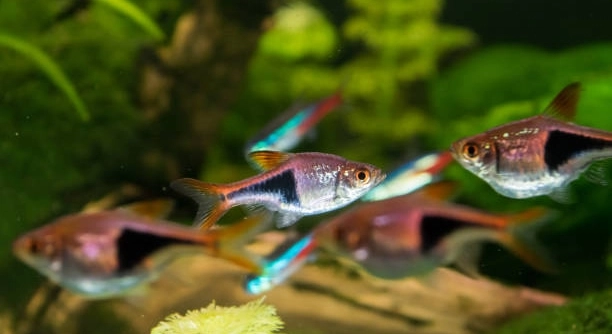
Rasboras are small, lively fish that often brighten home aquariums. Many owners notice their sudden, erratic movements while swimming, which can be surprising for those unfamiliar with their behavior patterns. Observing these movements can reveal much about their environment.
Rasboras dart erratically primarily due to stress, sudden changes in their surroundings, or perceived threats. Environmental factors such as water temperature, lighting, and tank mates influence their behavior, while their natural instinct to react quickly helps them survive in the wild.
Understanding these patterns can improve tank conditions and overall fish well-being. Learning what triggers their movements ensures a calmer, healthier aquarium environment.
Environmental Triggers
Rasboras are very sensitive to their surroundings. Sudden changes in water temperature, strong currents, or harsh lighting can make them dart quickly around the tank. Even small vibrations outside the aquarium can startle them. Their natural instinct is to avoid danger, so anything unexpected in their environment may trigger sudden, erratic swimming. Tank decorations and plants also affect their movement. Open spaces without hiding spots make them feel exposed, leading to more frantic activity. On the other hand, overcrowded tanks cause stress and competition, which can also increase erratic behavior. Maintaining a stable, calm environment helps reduce these movements and promotes a sense of safety. Consistent water parameters, gentle lighting, and adequate cover like plants or rocks allow Rasboras to swim more naturally. Observing these triggers and adjusting the tank setup gradually can create a peaceful space where Rasboras feel comfortable, reducing unnecessary darting. Over time, a balanced environment encourages healthier, calmer fish.
Creating a more stable environment directly reduces stress-related movements in Rasboras.
Rasboras often respond differently depending on their tank setup. In heavily planted tanks, they may dart less because they feel secure. Open or sparsely decorated tanks tend to increase erratic swimming. Fish companions also influence behavior; aggressive or larger tank mates can cause Rasboras to hide and dart suddenly. Monitoring how Rasboras react to lighting changes is important too. Bright lights can trigger sudden bursts of speed, while softer, diffused light often keeps them calmer. Even feeding routines play a role. Sudden food drops may cause quick, darting movements, whereas consistent, gentle feeding encourages smoother swimming patterns. Keeping the tank clean and maintaining proper water quality reduces stress, which in turn minimizes erratic behavior. Observing patterns and adjusting conditions gradually helps Rasboras adapt. Over time, these small changes create a more harmonious environment where their natural swimming becomes less frantic and more predictable. Understanding these subtle influences allows owners to make targeted improvements in their tanks.
Health and Diet
Proper nutrition is key to stable behavior in Rasboras. A poor diet can cause low energy, making them more jumpy and sensitive.
Balanced feeding routines help maintain consistent energy levels and reduce stress. Rasboras need a mix of high-quality flakes, pellets, and occasional live or frozen foods to stay healthy. Nutrient deficiencies can increase irritability and sudden movements, as fish try to find food or react to discomfort. Overfeeding, however, can lead to poor water quality and gas buildup, which also stresses fish and encourages erratic swimming. Feeding small amounts multiple times a day is better than one large feeding, helping to stabilize their behavior. Observing their response to different food types provides insight into what keeps them calm and active. Providing variety in their diet ensures they get enough protein and vitamins to maintain good health. Consistent, appropriate feeding supports both their physical well-being and natural swimming patterns. Adjusting diet and observing behavioral changes allows owners to fine-tune care, leading to a calmer, healthier tank environment.
Tank Mates and Social Behavior
Rasboras are schooling fish and feel safer in groups. Being alone can make them nervous, leading to sudden darting.
The presence of tank mates greatly influences Rasboras’ movements. When kept in groups of at least six, they feel more secure and exhibit smoother swimming patterns. Small, peaceful fish as companions are ideal, as aggressive or larger fish can intimidate them, causing erratic bursts of speed. Even minor competition over food or territory may trigger sudden movements. Observing interactions helps determine if the social environment is suitable. Adjusting group size or choosing compatible tank mates can reduce stress and promote calm, natural swimming.
Rasboras also communicate through body language within their school. Quick movements often signal alertness to potential threats, and synchronized swimming can prevent panic. Providing enough space for all fish to swim comfortably reduces stress. Overcrowded tanks amplify tension, leading to more erratic behavior. Maintaining a balanced social setup ensures Rasboras feel secure and minimizes unnecessary darting.
Lighting and Activity Levels
Bright or fluctuating lighting can startle Rasboras, causing sudden movements. Gentle, consistent lighting helps them swim calmly.
Lighting directly impacts their activity patterns. Sudden changes or harsh lights can provoke rapid darting, while softer illumination encourages relaxed swimming. Adjusting lighting gradually prevents shock and allows Rasboras to adapt. Dimmer periods during the day mimic natural conditions, supporting normal behavior and reducing stress.
Activity levels are also influenced by tank layout. Open spaces increase movement, while planted areas provide resting spots. Balanced lighting and carefully arranged decorations help Rasboras feel secure. Monitoring their response to different lighting schedules ensures they remain active without unnecessary darting. Consistent observation allows for adjustments to maintain a peaceful environment.
Water Quality
Poor water quality can stress Rasboras, leading to erratic swimming. Regular water changes keep them healthy.
Monitoring ammonia, nitrite, and nitrate levels is crucial. High levels cause discomfort, making Rasboras dart suddenly. Stable water parameters support calmer, more predictable behavior.
Temperature Fluctuations
Rasboras react strongly to sudden temperature changes. Consistent warmth keeps them active without panic. Maintaining a steady range between 24–28°C prevents stress. Rapid shifts from heaters or cold water additions trigger rapid swimming. Observing their reactions during adjustments helps ensure they stay comfortable. Gradual changes are essential for a calm tank environment.
Stress Factors
Overcrowding, loud noises, and frequent tapping on the glass increase stress. Stress directly influences erratic movements, making Rasboras more reactive.
Feeding Practices
Overfeeding or irregular schedules can disturb Rasboras’ routine. Small, consistent meals help maintain natural behavior and reduce sudden bursts of energy.
Why do my Rasboras dart suddenly for no reason?
Rasboras are naturally alert and sensitive fish. Sudden darting often happens because they feel startled or unsafe. Changes in water flow, lighting, or even movement outside the tank can trigger quick bursts. Their instinct is to react quickly to potential threats, even if there is no real danger. Maintaining a stable environment with gentle lighting and minimal vibrations helps reduce these sudden movements. Over time, Rasboras adapt to a calm tank, and their swimming becomes smoother.
Can stress cause Rasboras to swim erratically?
Yes, stress is one of the main reasons for erratic swimming. Overcrowding, aggressive tank mates, or poor water quality can make Rasboras anxious. When stressed, they dart and hide more often. Providing enough space, compatible companions, and a consistent routine creates a safer environment. Stress can also affect their appetite and health, so reducing stress not only calms swimming behavior but supports overall well-being. Plants, rocks, and hiding spots allow them to feel secure and reduce anxiety.
How does water quality affect Rasboras’ behavior?
Rasboras are very sensitive to water parameters. High ammonia, nitrite, or nitrate levels irritate them and can trigger rapid darting. Regular testing and water changes keep the tank stable. Temperature consistency is equally important; sudden shifts shock the fish and increase frantic swimming. Clean, well-maintained water encourages natural, calm movement and helps prevent disease, which could otherwise worsen erratic behavior.
Do Rasboras behave differently in groups versus alone?
Yes, Rasboras are schooling fish and feel more secure in groups of six or more. Alone, they can become nervous and dart frequently. In a group, their movements are coordinated, reducing panic swimming. Tank mates also play a role; peaceful companions help create a calm environment, while aggressive fish increase stress and erratic behavior. Observing interactions helps identify if the social setup is suitable.
Can lighting impact their darting behavior?
Lighting directly affects activity levels. Bright, harsh, or sudden changes in light can startle Rasboras and cause rapid swimming. Soft, consistent lighting helps them feel safe and swim naturally. Gradually adjusting light intensity or using dim periods throughout the day can reduce stress. Paired with hiding spots and plants, lighting control creates a more relaxed tank environment.
Does diet influence their swimming patterns?
Yes, improper feeding routines can affect behavior. Overfeeding may cause water quality issues, which increases stress and erratic movements. Underfeeding or nutrient deficiencies can make them restless while searching for food. Small, consistent meals with high-quality flakes, pellets, and occasional live or frozen foods maintain energy and reduce sudden bursts of darting. Observing how they respond to feeding helps fine-tune their diet for calmer behavior.
Are sudden movements a sign of illness?
Sometimes, yes. Erratic swimming can indicate health issues such as parasites, infections, or swim bladder problems. If darting is accompanied by lethargy, loss of appetite, or physical changes, medical attention may be needed. Early detection and proper care reduce stress and prevent worsening behavior. Maintaining clean water and proper nutrition supports both health and normal activity.
How can I create a calmer tank environment for my Rasboras?
Provide a stable, stress-free setup with consistent water parameters, gentle lighting, hiding spots, and compatible tank mates. Avoid sudden movements or loud noises near the aquarium. Regular feeding routines, clean water, and observing fish reactions help maintain comfort. A calm environment encourages natural, smooth swimming and minimizes unnecessary darting.
Can tank layout affect their behavior?
Yes, the arrangement of plants, decorations, and open swimming spaces influences activity. Open spaces may encourage quick dashes, while plants and hiding spots provide security. Balanced layouts reduce stress and allow Rasboras to explore naturally. Observing their interactions with the layout helps adjust the tank to support calmer, more predictable swimming patterns.
Is it normal for Rasboras to dart occasionally?
Yes, occasional darting is natural. Rasboras are alert fish that respond quickly to changes or perceived threats. Brief bursts of speed do not necessarily indicate a problem. Regular observation ensures these movements are within normal behavior and not caused by stress, poor water quality, or health issues.
Rasboras are lively, small fish that bring energy and movement to any aquarium. Their sudden, erratic darting can seem alarming at first, but it is often a natural response to their surroundings. These fish are highly sensitive to changes in their environment, such as shifts in lighting, temperature, or water quality. Even small vibrations or noises near the tank can trigger quick bursts of movement. Understanding that this behavior is partly instinctive helps set realistic expectations for how they swim. While sudden darting is normal, it can also indicate stress if it occurs frequently or is paired with other signs like hiding, loss of appetite, or unusual swimming patterns. Paying close attention to the conditions in the tank is key to keeping Rasboras healthy and calm.
Maintaining a balanced and stable environment plays a major role in reducing unnecessary darting. Tank parameters like water temperature, pH, and cleanliness should be monitored regularly to prevent fluctuations that could stress the fish. Providing enough hiding spots with plants, rocks, or decorations allows Rasboras to feel safe, reducing anxiety-driven movements. Lighting also has a significant impact; gentle, consistent illumination encourages natural swimming, while sudden bright lights can startle the fish. Feeding practices influence behavior too. Overfeeding or irregular feeding schedules may cause stress or restlessness, while small, consistent meals help keep energy levels steady. Social dynamics matter as well. Rasboras thrive in groups, and being kept alone or with incompatible tank mates can increase nervous behavior. Paying attention to all these factors ensures that the fish feel secure and swim more naturally.
Observing and responding to Rasboras’ behavior creates a more enjoyable and manageable aquarium. Understanding why they dart—whether from stress, environmental changes, or instinct—allows adjustments that improve their comfort and health. A calm tank with proper water quality, compatible companions, sufficient space, and stable conditions encourages smooth swimming and reduces erratic movements. Over time, these small changes lead to a more predictable and peaceful aquarium environment. Rasboras are sensitive creatures, but with consistent care and attention, their lively behavior can be appreciated without concern. Supporting their needs promotes not only calmer swimming but also stronger immunity, longer life, and overall well-being, making the tank a healthier space for all its inhabitants.

Hello,
If you enjoy the content that we create, please consider saying a "Thank You!" by leaving a tip.
Every little bit helps us continue crafting quality advice that supports the health, happiness, and well-being of pets around the world, for pets of all shapes, sizes, and species.
We really appreciate the kindness and support that you show us!