
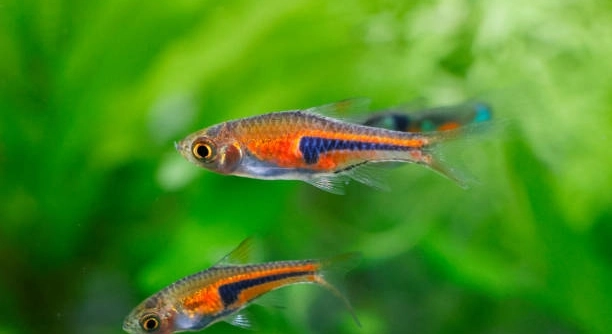
Rasboras are lively, small fish that bring life to any aquarium. Watching them feed can be satisfying, but their attention can easily wander, making mealtime a bit unpredictable. These distractions affect how efficiently they eat and interact.
Several factors can distract rasboras during feeding. Sudden movements near the tank, reflections on the glass, overcrowding, inconsistent feeding schedules, loud noises, excessive light, and the presence of other fish can all reduce their focus and feeding efficiency.
Understanding these distractions will help you create a calmer environment for your fish. Managing their surroundings ensures they enjoy meals and maintain healthy feeding habits.
Sudden Movements Near the Tank
Rasboras are sensitive to sudden movements around their aquarium. Quick hand gestures or someone walking past the tank can startle them, causing them to scatter and ignore food. Even shadows cast on the tank walls can trigger this response, making feeding time less effective. It helps to approach the tank slowly and calmly. Limiting fast movements nearby allows the fish to feel secure and focus on eating. Over time, this reduces stress and helps them recognize feeding routines. Maintaining a peaceful environment not only improves their feeding habits but also contributes to overall health. Small adjustments, such as standing still for a few moments before feeding, can make a noticeable difference. Observing their reactions helps identify what causes distraction and how to minimize it. Consistency is key. When they sense calm behavior from outside the tank, rasboras are more likely to remain attentive during mealtime and develop steady eating patterns.
Start with gentle movements to encourage attentive feeding and reduce sudden startle responses in your fish.
Even minor disturbances, like tapping the glass or leaning too close, can frighten rasboras. Consistency in approach helps them stay focused. Gradually, they learn to associate calm presence with feeding, improving their eating habits. Over time, this method reduces stress and encourages a routine where the fish are more relaxed and responsive. Ensuring the tank area remains stable during feeding also allows them to interact with food naturally, preventing missed bites or hesitation.
Reflections on the Glass
Reflections can confuse rasboras, making them mistake their own image for other fish. They may swim away or become hesitant, ignoring food altogether.
Bright light on the tank or nearby reflective surfaces can cause distractions during feeding times.
To reduce this, adjust lighting angles and cover shiny surfaces near the tank. Reflections often cause unnecessary stress and interfere with feeding, so positioning the aquarium in a less reflective area is helpful. Using subdued lighting or placing a background behind the tank can limit visual confusion. Rasboras rely on clear sight to locate food, and reflections disrupt their focus. By minimizing these visual disturbances, feeding sessions become smoother and more productive. Over time, rasboras will associate the feeding area with calm and clarity rather than confusion. Small environmental tweaks like repositioning the tank or adjusting surrounding lights can make a noticeable difference in their behavior and eating efficiency. Consistent observation and adjustments ensure that reflections no longer prevent rasboras from feeding properly.
Overcrowding in the Tank
Too many fish in one tank can make rasboras nervous and distracted. Competition for space and food often leads to scattered feeding and increased stress, reducing their focus.
Overcrowding limits swimming space, making rasboras hesitant to approach food. When multiple fish compete, some may dominate feeding spots while others stay back. This uneven access can result in weaker fish not getting enough nutrition. Stress from tight quarters can also affect their immune systems and overall health. Providing adequate space and maintaining proper stocking levels ensures each fish has room to swim freely and feed without constant interruptions. Observing interactions helps identify if certain fish are consistently stressed or excluded. Adjusting population density or separating aggressive individuals can restore balance.
Maintaining a spacious environment reduces tension, allowing rasboras to feed calmly and consistently. Overcrowding directly impacts behavior and eating patterns, making space essential for their well-being.
Loud Noises Around the Aquarium
External sounds like vacuuming, music, or conversation can startle rasboras, causing them to stop feeding or swim erratically.
Rasboras are sensitive to vibrations and loud sounds. Sudden noise triggers a natural flight response, distracting them from food. Repeated exposure to high noise levels may lead to chronic stress, affecting appetite and growth. Keeping the aquarium in a quieter area helps minimize disturbances. Monitoring their reactions during feeding allows you to adjust surroundings accordingly. Gradual acclimation to moderate household sounds can reduce overreaction. Consistent calm helps establish predictable feeding behavior.
Positioning the tank away from frequent noise sources ensures the fish remain focused. Quiet surroundings improve feeding efficiency, reduce stress, and contribute to overall health, creating a stable and attentive environment for rasboras.
Inconsistent Feeding Schedules
Rasboras can become distracted if feeding times are irregular. They rely on routine to anticipate meals and remain attentive during feeding.
Irregular schedules may cause anxiety or lack of interest in food. Consistency helps rasboras focus, reducing missed bites and promoting healthier eating habits.
Excessive Light
Bright or fluctuating light can make rasboras uneasy, causing them to dart around instead of feeding. Proper lighting levels support calm behavior.
Adjusting aquarium lighting to moderate, consistent levels prevents stress and distraction. Too much light can make the fish wary, while balanced lighting encourages relaxed and attentive feeding behavior. Maintaining a steady light cycle also supports natural rhythms.
Presence of Other Fish
Other active or aggressive fish in the tank can steal attention from feeding. Rasboras may hesitate or avoid food to escape confrontation.
Managing tank companions and observing interactions ensures rasboras can feed without interference. Separating aggressive fish or providing hiding spots helps maintain focus and reduces stress.
FAQ
What is the best way to keep rasboras focused during feeding?
Consistency is key. Feeding your rasboras at the same times each day helps them anticipate meals. Approach the tank slowly and avoid sudden movements. Keeping noise and light levels stable ensures they remain attentive. Over time, they learn to associate calm conditions with food, improving feeding efficiency.
Can tank decorations cause distractions?
Yes, overly complex or reflective decorations can make rasboras hesitant. Mirrors, shiny objects, or cluttered spaces may confuse them or make them feel insecure. Using simple, natural decorations and leaving open swimming areas allows them to access food more confidently and reduces stress during feeding sessions.
How does tank size affect feeding behavior?
Smaller tanks can cause overcrowding, making rasboras compete for space and food. Limited room increases stress and reduces focus during meals. Providing adequate space ensures they have enough room to swim freely, approach food without hesitation, and develop healthier feeding routines.
Do other fish in the tank affect rasboras’ feeding?
Aggressive or fast-moving fish can distract or intimidate rasboras. They may wait until other fish finish eating or avoid certain areas altogether. Observing tank interactions and separating aggressive species or creating hiding spots allows rasboras to feed calmly and get enough nutrition.
Can light intensity interfere with feeding?
Bright or fluctuating light can startle rasboras, making them dart away from food. Moderate, consistent lighting creates a calm environment. Maintaining a regular light cycle supports natural behavior and keeps feeding predictable, allowing rasboras to stay focused and relaxed during meals.
How do sudden noises impact feeding?
Rasboras are sensitive to vibrations and loud sounds. Vacuuming, music, or conversation near the tank can startle them, causing hesitation or erratic swimming. Positioning the aquarium in a quieter area reduces distractions, helping them remain attentive and less stressed during feeding times.
Does feeding frequency matter for their focus?
Yes, overfeeding or irregular feeding schedules can make rasboras less attentive. Too much food may reduce urgency, while skipped meals may cause stress. Maintaining a balanced and consistent feeding schedule keeps them engaged and ensures they receive proper nutrition without distraction.
Are reflections in the tank a problem?
Reflections can confuse rasboras, making them mistake their own image for other fish. This often causes hesitation or darting behavior during feeding. Adjusting lighting, using a tank background, or minimizing reflective surfaces nearby reduces visual distractions and helps them focus on food.
How do environmental changes affect their attention?
Any sudden changes in water temperature, flow, or tank layout can distract rasboras. They need stability to feel secure. Gradual adjustments and maintaining consistent conditions help them adapt while keeping feeding behavior normal and stress-free.
Can stress from multiple factors combine to distract rasboras?
Yes, stress from noise, overcrowding, reflections, or aggressive tank mates can compound, making feeding challenging. Addressing each factor individually and creating a calm, predictable environment allows rasboras to focus, eat efficiently, and maintain better health over time.
Rasboras are small, active fish that respond strongly to their environment. Their feeding habits can be easily affected by distractions such as sudden movements, bright reflections, loud noises, or overcrowding. Understanding these factors is important for maintaining a healthy and balanced aquarium. When rasboras feel stressed or unsafe, they may ignore food, swim erratically, or compete aggressively for meals. These behaviors are not just inconvenient—they can impact their overall health and growth. By identifying common distractions, you can create a calmer environment that encourages focused and consistent feeding. Attention to detail, like proper tank placement, gentle handling, and regular maintenance, can make a significant difference in their daily routine.
Providing a predictable feeding schedule is another essential step. Rasboras thrive on routine, so offering food at the same times each day helps them anticipate meals and focus better during feeding. Irregular feeding can lead to anxiety or reduced appetite, which may affect their nutrition and long-term well-being. It is also important to consider the tank setup and companions. Overcrowding or the presence of aggressive fish can make rasboras hesitant to approach food, while a balanced tank with adequate space and peaceful companions encourages natural feeding behavior. Adjusting lighting, reducing reflections, and limiting sudden disturbances all contribute to a more comfortable environment for the fish. Even minor changes, such as positioning decorations to allow open swimming space, can help rasboras feel secure and more attentive during meals.
Observing and adjusting based on the fish’s behavior is crucial. Every aquarium is different, and what works for one tank may not work for another. Taking the time to notice how rasboras respond to various distractions allows you to fine-tune the environment for optimal feeding conditions. Calm, consistent care promotes healthier fish and a more enjoyable experience for anyone maintaining the aquarium. Paying attention to their environment, feeding patterns, and interactions ensures that rasboras can feed efficiently, reduce stress, and maintain good health. Small, deliberate efforts make a lasting impact, helping the fish thrive and allowing feeding times to be predictable, calm, and successful for both the fish and the aquarium keeper.

Hello,
If you enjoy the content that we create, please consider saying a "Thank You!" by leaving a tip.
Every little bit helps us continue crafting quality advice that supports the health, happiness, and well-being of pets around the world, for pets of all shapes, sizes, and species.
We really appreciate the kindness and support that you show us!