
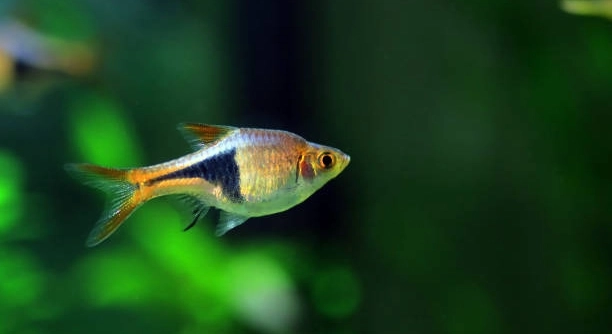
Are your rasboras showing signs of aggression, chasing or nipping each other in your aquarium? These small fish are usually peaceful, but certain conditions can trigger stress and conflict among tank mates, affecting their overall wellbeing.
Controlling rasbora aggression requires adjusting tank conditions and social structure. Increasing space, providing hiding spots, maintaining consistent water parameters, and monitoring group size are essential strategies. Proper feeding and compatible tank mates also play a crucial role in reducing aggression.
Implementing these measures can help create a calmer environment for your rasboras. Following the tips will ensure they thrive peacefully in their shared habitat.
Understanding Rasbora Behavior
Rasboras are generally peaceful, schooling fish that thrive in groups. Aggression often arises when tank conditions are not ideal or when they feel stressed. Territorial disputes, overcrowding, and sudden changes in water parameters can trigger nipping and chasing among tank mates. Recognizing these behavioral patterns is essential to maintain harmony in the aquarium. Providing enough swimming space, ensuring the tank has hiding spots, and keeping compatible species together can reduce stress levels. Observing their interactions daily helps identify early signs of conflict, allowing you to act before aggression becomes severe. Feeding routines also affect behavior, as competition for food can increase tension. Adjusting diet, maintaining consistent lighting, and keeping the environment stable will contribute to calmer, healthier fish. Understanding why your rasboras act aggressively allows you to make informed adjustments to tank setup, social grouping, and care practices, ultimately creating a peaceful, balanced aquatic environment that supports their natural behavior and reduces unnecessary stress.
Monitoring tank conditions consistently is key to preventing repeated aggression and ensuring all fish remain healthy.
Aggression in rasboras can escalate quickly if ignored. Overcrowded tanks or incompatible companions worsen their behavior, making stress management essential. Using plants, rocks, and driftwood to create hiding spots allows timid fish to escape confrontations. Adjusting water temperature, pH, and cleanliness reduces stress-induced aggression. Feeding small amounts more frequently prevents food-related disputes, while observing fish behavior helps you identify dominant individuals and separate them if necessary. Introducing new fish gradually and in proper group sizes can maintain balance. Attention to these details ensures a calm, thriving community tank, letting each rasbora express natural schooling behavior without conflict.
Practical Steps to Reduce Aggression
Small adjustments in tank setup can make a significant difference in rasbora behavior. Simple changes often prevent fights before they start.
Providing a spacious tank with ample hiding places, maintaining water stability, and keeping appropriate group sizes are fundamental. Plants, rocks, and decorations allow fish to retreat, lowering stress and reducing aggressive encounters. Avoid mixing overly aggressive species with rasboras, as they may dominate weaker fish. Feeding consistently, monitoring behavior, and adjusting as needed ensures a balanced environment. Over time, these steps encourage natural, peaceful interactions and reduce incidents of chasing and nipping. Gradual changes and careful observation maintain stability and prevent sudden behavioral shifts, supporting long-term health and harmony within the aquarium.
Ensuring rasboras coexist peacefully requires attention to space, companions, and environmental enrichment. Observing behavior daily lets you respond to emerging conflicts, helping maintain a calm tank. Regular maintenance, proper feeding, and careful planning prevent stress, promoting well-being. Selecting the right tank mates and structuring the environment thoughtfully supports natural schooling patterns. Even small changes, like adding plants or adjusting water flow, can significantly reduce tension. Consistent monitoring allows you to identify problem areas early and intervene before aggression escalates. By implementing these strategies, you create a stable, peaceful setting where rasboras can thrive, interact healthily, and display natural behavior without unnecessary stress or injury.
Adjusting Tank Size and Layout
A larger tank helps reduce aggression by giving rasboras more space to swim freely. Adding plants, rocks, and hiding spots breaks lines of sight, preventing territorial disputes and giving timid fish safe retreats from more dominant individuals.
Providing an appropriately sized tank is essential to reduce stress and aggressive behavior. Overcrowded conditions increase competition for space and food, often resulting in nipping and chasing. Rearranging decorations periodically helps disrupt established territories, preventing dominance hierarchies from forming. Incorporating dense plant areas and vertical structures allows weaker fish to escape and hide, reducing injury risk. A well-planned layout encourages natural schooling behavior, improves swimming patterns, and fosters a calmer environment. Additionally, maintaining consistent water flow and lighting further stabilizes the tank, supporting healthier interactions among all fish.
Tank adjustments also include monitoring temperature, pH, and filtration. Proper water quality supports overall health, preventing irritability and stress-related aggression. Introducing decor that mimics natural habitat promotes security and natural movement. Regular observation ensures dominant fish do not harass others excessively, allowing intervention when necessary. Consistency in environmental conditions, combined with adequate space, creates a balanced habitat where rasboras can coexist peacefully. Small modifications in layout and enrichment can significantly improve behavior, resulting in a thriving, harmonious community aquarium where aggression is minimized and all fish feel secure.
Grouping and Compatibility
Keeping rasboras in larger groups reduces aggression, as individual fish are less likely to dominate when surrounded by peers. Ideal group sizes depend on species but typically start around six or more individuals.
Ensuring tank mates are compatible with rasboras is critical. Aggressive or territorial species can provoke fights, while peaceful, similarly sized fish maintain balance. Monitoring introductions carefully prevents bullying or harassment. When adding new fish, gradual acclimation and maintaining established groups minimize stress. Observing interactions allows you to separate problematic individuals if aggression persists. Maintaining species-specific schooling behavior also reduces tension, as rasboras feel safer and exhibit natural movement patterns. Choosing the right companions and group sizes is a practical, effective method to prevent frequent conflicts and support a stable, calm environment.
Feeding Techniques
Feeding small amounts multiple times a day reduces competition and aggression. Rasboras are less likely to chase each other when food is evenly distributed.
Using sinking or floating food ensures all fish have access, preventing dominant individuals from monopolizing meals. Consistent feeding schedules help maintain calm behavior.
Hiding Spots and Decorations
Dense plants, rocks, and driftwood give rasboras places to retreat. These hiding spots lower stress and prevent constant chasing. Regularly rearranging decorations helps disrupt territories, keeping aggression minimal and the tank dynamic.
Monitoring Water Quality
Stable water parameters are essential. Sudden changes in temperature, pH, or ammonia levels can increase stress and provoke aggression. Maintaining proper filtration and routine water changes keeps the environment healthy, supporting calmer, more peaceful interactions among all tank inhabitants.
Observing Behavior
Daily observation helps identify dominant or aggressive fish early. Prompt intervention prevents injuries and maintains a balanced, harmonious tank environment for all rasboras and their companions.
How can I tell if my rasboras are being aggressive?
Aggression in rasboras often appears as chasing, nipping, or fin biting. Dominant individuals may repeatedly harass weaker fish, causing torn fins or stress. Other signs include hiding more often, rapid swimming, or loss of appetite. Observing their behavior during feeding and at rest can help identify patterns of conflict.
What group size is best to minimize aggression?
Keeping rasboras in groups of six or more helps reduce aggression. Larger schools distribute social pressure evenly, making it harder for a single fish to dominate. Smaller groups increase stress and territorial behavior, leading to frequent chasing and nipping. Consistency in group size is key for maintaining balance.
Which tank mates are most compatible with rasboras?
Peaceful, similarly sized fish are ideal companions. Avoid aggressive or territorial species that may provoke conflicts. Tetras, small danios, and some peaceful barbs work well. Monitoring new additions for compatibility is important, as mismatched behavior can trigger aggression and disrupt the tank’s harmony.
How does tank size affect aggression?
A larger tank reduces aggression by providing space for swimming and retreat. Overcrowded tanks lead to competition for space and food, which increases chasing and stress. Incorporating hiding spots, plants, and vertical structures further minimizes territorial disputes and promotes calm behavior.
Can decorations help control aggressive behavior?
Yes, plants, rocks, and driftwood provide hiding spots and break lines of sight. This prevents dominant fish from constantly chasing others and gives shy individuals refuge. Rearranging decorations occasionally disrupts territories, further reducing aggression and encouraging natural schooling behavior.
How often should I feed rasboras to reduce fights?
Feeding small amounts two to three times daily helps prevent competition. Evenly distributed food ensures all fish eat and reduces chasing. Using a mix of sinking and floating foods allows every individual access, preventing dominant fish from monopolizing meals and lowering aggression levels.
Does water quality impact aggression?
Absolutely. Sudden changes in temperature, pH, or ammonia levels can stress fish and trigger aggressive behavior. Maintaining stable water parameters, regular water changes, and proper filtration keeps fish healthy and calmer. Consistent monitoring prevents stress-induced conflicts and supports a harmonious tank environment.
What should I do if one fish is overly dominant?
Observe interactions carefully. If a fish consistently harasses others, consider separating it temporarily or permanently. Adding more hiding spots or rearranging decorations can reduce dominance. Ensuring proper group size and compatible companions also prevents a single fish from controlling the tank and stressing others.
Can stress from overcrowding increase aggression?
Yes, overcrowded tanks cause stress, leading to frequent chasing, nipping, and competition for food and space. Providing adequate swimming room, hiding spots, and appropriate group sizes lowers stress and encourages peaceful social interactions among rasboras.
Are there behavioral changes I should monitor daily?
Monitor chasing, hiding, fin damage, feeding behavior, and general activity levels. Early detection of aggression or stress allows intervention before injuries occur. Keeping a routine observation habit ensures timely adjustments in tank setup, group size, or feeding practices to maintain a calm, healthy aquarium.
How do I introduce new fish without increasing aggression?
Introduce new fish gradually, preferably in a separate quarantine tank first. Use a slow acclimation process to prevent stress. Adding them to the established group in a neutral area with plenty of hiding spots reduces territorial disputes and helps maintain a balanced social dynamic.
Can rearranging the tank help reduce aggression?
Yes, rearranging decorations disrupts established territories, which can prevent dominant fish from repeatedly chasing others. Changing plant positions or adding new hiding areas encourages exploration, reduces stress, and promotes calmer interactions among all tank inhabitants.
How long does it take for aggression to decrease after changes?
It varies, but typically behavior improves within days to a few weeks. Providing adequate space, hiding spots, compatible tank mates, and stable water conditions allows fish to adjust. Consistent monitoring ensures that improvements are maintained and aggression does not resurface.
Is aggression normal in rasboras?
Some level of chasing is natural, especially during feeding or establishing schooling order. However, persistent nipping, fin damage, or stress indicates environmental or social issues that need correction. Managing tank size, group structure, and enrichment minimizes harmful aggression.
Can diet affect rasbora behavior?
Yes, an inconsistent or insufficient diet can increase competition and chasing. Feeding a balanced mix of flakes, pellets, and occasional live or frozen food prevents hunger-related aggression and supports overall health, reducing stress-induced conflicts.
How do I prevent aggression long-term?
Maintain proper group sizes, compatible tank mates, stable water conditions, and adequate hiding spots. Monitor behavior consistently, adjust feeding practices, and rearrange the tank as needed. Consistent care and attention to environmental enrichment promote lasting peace and natural schooling behavior among rasboras.
Managing rasbora aggression is an important part of maintaining a healthy and peaceful aquarium. These small fish are generally calm, but environmental stress, overcrowding, and incompatible tank mates can lead to chasing, nipping, and other aggressive behaviors. Understanding their natural behavior is the first step in creating a harmonious environment. Rasboras are schooling fish, so they feel safer and more secure in groups. Keeping them in appropriately sized groups helps distribute social interactions evenly and prevents one fish from becoming overly dominant. Providing enough space for swimming is equally important, as limited room can cause tension and increase competition among individuals.
Proper tank setup and maintenance play a key role in reducing aggression. Hiding spots, plants, and decorations give fish places to retreat, breaking lines of sight and minimizing territorial disputes. Rearranging decorations occasionally can disrupt established territories and prevent ongoing conflicts. Stable water conditions, including temperature, pH, and cleanliness, also help maintain calm behavior. Sudden changes in water quality can stress fish, making them more prone to aggression. Feeding routines matter as well, since competition for food is a common trigger for chasing and nipping. Offering small, evenly distributed meals multiple times a day ensures all fish have access and reduces conflict. A balanced diet that meets nutritional needs supports both physical health and calmer behavior.
Monitoring and observation are essential for long-term success. Daily attention to how fish interact allows for early detection of aggression or stress. Dominant individuals can be separated or managed if necessary, and adjustments in group size, tank layout, or companions can be made promptly. Selecting compatible tank mates and maintaining a consistent environment are also key strategies. By combining proper group management, tank setup, feeding routines, and careful observation, aggression can be minimized, creating a stable and peaceful environment. These measures ensure that rasboras can thrive, display natural schooling behavior, and coexist without unnecessary stress or injury, making the aquarium both healthy and enjoyable to watch.

Hello,
If you enjoy the content that we create, please consider saying a "Thank You!" by leaving a tip.
Every little bit helps us continue crafting quality advice that supports the health, happiness, and well-being of pets around the world, for pets of all shapes, sizes, and species.
We really appreciate the kindness and support that you show us!