
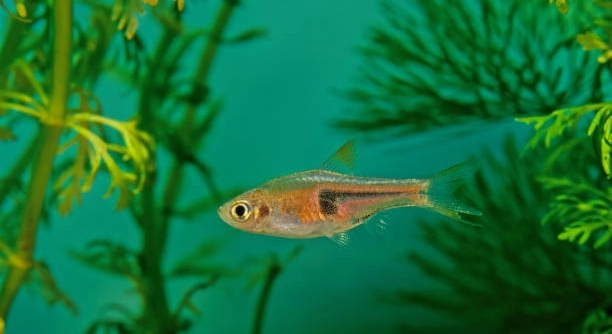
Rasboras are lively fish that can brighten up any aquarium with their graceful movements. Sometimes, they start swimming faster than usual, catching the attention of anyone watching. Observing this behavior can be both surprising and intriguing.
Rasboras may swim faster due to changes in water conditions, stress, or increased activity in their environment. Factors such as temperature fluctuations, water quality, and the presence of other fish can significantly influence their swimming patterns and speed.
Noticing these shifts in behavior is important, as it can reveal the health and comfort of your fish. Maintaining stable conditions will help them thrive consistently.
Understanding Rapid Swimming in Rasboras
Rasboras often speed up their swimming when something in their environment changes. This can be linked to water temperature, oxygen levels, or the presence of other fish nearby. In a well-maintained tank, sudden bursts of activity are usually short-lived, but they can indicate underlying stress. Observing their behavior closely helps you spot potential issues early, whether it is overcrowding or a shift in water chemistry. Lighting also plays a role, as brighter or flickering lights can startle fish and prompt them to move quickly. Even slight changes, such as a new decoration or recent water change, can affect their comfort. Regular monitoring ensures that their habitat remains stable and safe. Paying attention to their swimming patterns can also help you understand social dynamics within the tank. Rasboras are sensitive creatures, and consistent care can keep them active without unnecessary stress.
Rapid swimming often signals that their environment needs attention. Adjustments to water and tank conditions can restore normal behavior quickly.
Keeping a consistent routine, including regular water testing and gentle handling, helps rasboras feel secure. Over time, you can notice patterns in their behavior and respond before problems escalate. Ensuring adequate space, hiding spots, and compatible tank mates reduces stress and promotes calm swimming. Even minor tweaks, like adjusting the filter flow or temperature gradually, can make a significant difference. Watching them swim together and maintaining proper nutrition also supports their energy levels and overall well-being.
Environmental Factors Affecting Rasboras
Water temperature fluctuations directly impact how fast rasboras swim.
Rasboras are highly sensitive to changes in water conditions. Temperature shifts can increase metabolism, making them more active than usual. Poor water quality, including high nitrate or ammonia levels, can also trigger stress and rapid swimming. Even subtle variations in pH can influence their comfort. Tank overcrowding may cause fish to dart around to find personal space, while new tank mates can provoke similar reactions. Lighting intensity and placement, along with sudden noises, can further affect their behavior. Observing patterns over time helps determine whether the changes are temporary or require intervention. Regular care and monitoring are essential to maintain a stable environment that allows rasboras to swim calmly and safely.
Proper monitoring and maintenance can prevent stress-related swimming and promote healthy, predictable behavior in your rasboras. Gradual adjustments in their environment, including water chemistry and tank setup, are key to ensuring long-term well-being. Adequate space for swimming, hiding spots, and compatible companions all contribute to reducing stress-induced rapid movement. Consistent feeding schedules, proper filtration, and attention to temperature stability help maintain normal activity levels. By carefully observing their behavior, you can identify early warning signs and act before stress escalates. Balancing environmental factors with their natural behavior patterns ensures that your rasboras remain active, healthy, and comfortable, creating a peaceful and thriving aquarium.
Common Triggers of Fast Swimming
Stress is a frequent reason rasboras swim quickly. Sudden changes in their tank environment can startle them and trigger bursts of energy. Overcrowding, aggressive tank mates, or abrupt lighting changes often cause noticeable increases in speed.
Maintaining stable conditions is key to preventing stress-induced swimming. Regular water testing ensures that temperature, pH, and ammonia levels remain within safe ranges. Avoid sudden changes in tank decorations or layouts, as rasboras are sensitive to new surroundings. Providing hiding spots allows them to retreat when they feel threatened. Observing their interactions helps identify dominant fish that may be causing anxiety. Gradual adjustments and attentive care support calmer behavior.
Even minor disturbances can make rasboras react. Vibrations from nearby activity, tapping on the tank, or sudden water flow changes often provoke fast swimming. Keeping the tank in a quiet, stable location and minimizing abrupt movements around it reduces these reactions. Consistent routines, such as feeding at regular times, also promote a sense of security, helping fish maintain steady swimming patterns and avoid unnecessary stress.
Water Quality and Its Effects
Water quality directly affects rasboras’ activity levels. Poor conditions can make them restless and prompt rapid swimming, signaling discomfort or health risks. Proper filtration and regular water changes are essential.
Testing for ammonia, nitrite, and nitrate ensures water remains safe. Imbalances can irritate fish, causing erratic movements or lethargy. Maintaining the correct temperature and pH supports metabolic stability and reduces stress. Consistent monitoring and gradual adjustments prevent sudden changes that might trigger fast swimming. Clean, well-oxygenated water allows rasboras to swim normally and remain healthy, minimizing unnecessary stress responses.
Stable water conditions also contribute to overall well-being. Fluctuations in chemical levels, temperature, or oxygen content can disrupt their behavior, causing bursts of speed or erratic swimming. Keeping the tank environment predictable helps rasboras settle into routine patterns, reducing stress and aggression. Regular care, including careful feeding, debris removal, and observation of tank interactions, promotes a harmonious aquatic environment. Understanding the direct link between water quality and behavior ensures that your rasboras thrive in a comfortable, controlled habitat, swimming naturally and calmly.
Temperature Changes
Rasboras are sensitive to temperature shifts. Even a few degrees higher or lower than their usual range can make them swim faster. Sudden changes in heater settings or cold water additions often trigger these bursts of activity.
Keeping the temperature stable is essential. Using a reliable heater and thermometer ensures fluctuations are minimal. Gradual adjustments prevent stress and help rasboras maintain normal swimming patterns.
Social Interactions
Rasboras’ speed can be influenced by tank mates. Aggressive or overly active fish may cause them to dart quickly to avoid conflict. Even playful chasing among similar-sized fish can increase swimming pace.
Feeding Effects
After feeding, rasboras often swim faster. They may become more energetic while searching for food or competing for portions, especially in larger groups.
FAQ
Why are my rasboras suddenly swimming so fast?
Rasboras swim faster when they are stressed, excited, or reacting to changes in their environment. Sudden temperature changes, poor water quality, or the introduction of new tank mates often cause these bursts of activity. Observing their behavior carefully can help you determine the cause.
Is rapid swimming a sign of illness?
Not always. Fast swimming can be a normal reaction to stimuli, but it can also indicate stress or health issues. Look for other signs, such as clamped fins, loss of appetite, or unusual spots, which may signal illness. Early detection is key for treatment.
Can water quality affect swimming speed?
Yes. High ammonia, nitrite, or nitrate levels, as well as improper pH and temperature, can make rasboras restless. Consistent testing and regular water changes maintain a stable environment and prevent stress-induced rapid swimming.
Do tank decorations influence behavior?
Absolutely. Sudden changes in the tank layout or the addition of sharp or unfamiliar decorations can startle rasboras. Providing hiding spots and keeping the layout stable reduces stress and helps maintain calmer swimming patterns.
Does overcrowding make them swim faster?
Yes, overcrowding is stressful. Rasboras may dart around to find personal space when the tank is too full. Ensuring enough swimming room and maintaining proper stocking levels encourages natural, relaxed movement.
How does temperature impact activity?
Rasboras are sensitive to temperature fluctuations. Water that is too warm can increase metabolism and swimming speed, while water that is too cold can shock them. Using a stable heater and monitoring with a thermometer prevents sudden bursts of activity.
Can lighting affect their swimming?
Lighting plays a role. Bright, flickering, or sudden changes in light can startle fish, causing fast swimming. Gradual lighting changes and dimmer areas help rasboras feel secure and maintain steady activity.
Does feeding influence their speed?
Yes. During feeding, rasboras often become more energetic as they compete for food. This increased activity is normal but should calm down after they have eaten. Overfeeding or inconsistent feeding schedules can lead to ongoing restlessness.
How do tank mates affect swimming behavior?
Other fish can impact rasboras’ activity levels. Aggressive or overly active species may provoke them to swim quickly. Keeping compatible, calm tank mates and observing social interactions ensures a balanced and stress-free environment.
When should I be concerned about fast swimming?
Fast swimming that is accompanied by other unusual behaviors, such as lethargy, loss of appetite, or physical signs of disease, warrants attention. Consistent monitoring and maintaining optimal tank conditions help prevent problems before they escalate.
What can I do to calm my rasboras?
Maintain stable water conditions, provide hiding spots, reduce sudden noises or movements near the tank, and ensure compatible tank mates. A predictable feeding schedule and gentle handling also support calmer, healthier swimming behavior.
Can sudden water changes cause rapid swimming?
Yes. Large or abrupt water changes can startle rasboras, prompting bursts of speed. Gradual partial water changes are safer, helping them adjust without unnecessary stress.
Does tank location matter?
The position of the tank can influence behavior. High-traffic areas or locations with vibrations can cause stress and fast swimming. Placing the tank in a quiet, stable spot reduces these disturbances and promotes natural activity.
Are rasboras naturally fast swimmers?
Rasboras are active fish, but sudden, unusual bursts of speed typically indicate a reaction to external factors rather than normal activity. Regular observation helps differentiate between natural energy and stress responses.
How can I monitor their behavior effectively?
Keep a routine of watching your rasboras at different times of the day. Note any changes in speed, interactions with tank mates, and responses to feeding or environmental changes. Maintaining a journal can help identify patterns and potential problems early.
Can diet impact their activity levels?
Yes. A nutritious, balanced diet supports steady energy levels. Overfeeding or low-quality food can cause hyperactivity or lethargy. Feeding small, consistent portions helps regulate their swimming behavior and overall health.
What role does oxygenation play?
Oxygen levels affect swimming activity. Poor aeration or low oxygen can make fish restless, causing erratic swimming. Proper filtration and occasional aeration ensure rasboras remain calm and healthy.
Are there behavioral signs of long-term stress?
Persistent fast swimming, hiding excessively, or aggression toward tank mates may indicate chronic stress. Maintaining stable conditions, adequate space, and social harmony helps prevent these behaviors and supports long-term health.
How do I prevent sudden bursts of speed in the future?
Maintain stable water conditions, monitor tank mates, avoid abrupt changes, and provide a comfortable environment. Consistent care, including regular testing, gradual adjustments, and proper feeding, encourages calmer, predictable swimming patterns.
Can I introduce new fish without causing stress?
Yes, if done gradually. Quarantining new fish, acclimating them slowly, and observing interactions reduces stress on both newcomers and existing rasboras, preventing rapid swimming due to fear or social tension.
Do seasonal changes affect swimming behavior?
Seasonal temperature or light variations can influence activity levels. Monitoring and adjusting tank conditions during these periods helps maintain a stable environment and prevents unusual bursts of swimming.
How long does it take for rasboras to calm down after stress?
Depending on the cause, rasboras may settle within hours or a few days. Stable water conditions, reduced disturbances, and a calm environment accelerate recovery and restore normal swimming behavior.
Is it normal for young rasboras to swim faster?
Juveniles are naturally more energetic and may swim faster than adults. While this is normal, sustained rapid swimming or erratic behavior may still indicate environmental stress that needs attention.
Can music or vibrations affect them?
Yes. Loud sounds or vibrations can startle fish, causing them to dart. Keeping the tank in a quiet, stable area reduces stress and prevents unnecessary bursts of speed.
How do I know if fast swimming is temporary?
Observe behavior over a few days. Temporary fast swimming often follows environmental changes or feeding. Persistent speed combined with other abnormal signs requires closer attention and possible intervention.
What tools can help monitor their environment?
Thermometers, pH test kits, ammonia and nitrate kits, and reliable filters are essential. Consistent monitoring ensures water quality remains stable and reduces stress-induced swimming.
Are rasboras more active at certain times of day?
Yes. They tend to be more energetic during feeding and daylight hours. Understanding their natural activity patterns helps differentiate normal energy from stress responses.
How do I introduce hiding spots effectively?
Provide plants, caves, or decorations without sharp edges. Distribute them evenly so all fish have access. Hiding spots reduce stress, prevent overcrowding conflicts, and encourage natural, calm swimming behavior.
Does water current affect their speed?
Strong currents can cause rasboras to swim faster as they adjust to flow. Moderate currents promote exercise without causing stress. Adjust filter flow to match their comfort level and tank size.
Can fast swimming damage their health?
Occasional bursts are normal, but constant rapid swimming can increase stress, weaken the immune system, and lead to injury. Monitoring and maintaining stable conditions prevent long-term health issues.
How important is observation for preventing stress?
Observation is critical. Noticing early changes in swimming, feeding, or interactions allows timely adjustments to water quality, tank setup, or social dynamics, keeping rasboras healthy and calm.
What is the best way to respond to sudden fast swimming?
Remain calm and check water parameters, tank mates, temperature, and recent changes. Gradual adjustments and providing hiding spaces help restore normal behavior quickly and safely.
Are there natural signs of a comfortable environment?
Yes. Calm, steady swimming, healthy appetite, and normal interactions with tank mates indicate that rasboras feel secure and that their environment is well-maintained.
How can I reduce environmental stress overall?
Maintain stable water conditions, compatible tank mates, consistent feeding, quiet surroundings, and gradual changes. Reducing stress improves overall health and encourages natural swimming patterns.
Is fast swimming a problem if fish return to normal quickly?
No. Brief bursts are normal reactions. As long as they return to calm swimming and show no other abnormal signs, occasional fast swimming is part of their natural behavior.
How can I use observations to improve tank conditions?
Track swimming patterns, reactions to changes, and social interactions. Use these observations to adjust temperature, water quality, tank layout, and feeding schedules, creating a stable, comfortable environment for rasboras.
Can environmental enrichment affect activity levels?
Yes. Plants, caves, and decorations provide stimulation, but too much change at once can cause stress. Introducing enrichment gradually allows fish to adapt without triggering fast swimming.
How often should I test water to prevent stress?
Weekly testing of pH, ammonia, nitrite, nitrate, and temperature helps maintain stable conditions. Frequent monitoring prevents environmental stress that could cause excessive swimming.
Do rasboras communicate through swimming patterns?
Yes. Increased speed or sudden bursts can signal social interactions, stress, or responses to other fish. Observing these patterns helps understand their needs and behavior.
Can adding more rasboras reduce stress?
Adding tank mates can help if the group is too small, as rasboras feel safer in schools. However, overcrowding must be avoided to prevent stress and excessive fast swimming.
What is the impact of sudden noise or vibrations?
Noise or vibrations startle fish, causing bursts of speed. Reducing disturbances near the tank helps rasboras feel secure and maintain calm swimming patterns.
How does acclimation affect behavior?
Newly introduced fish may swim rapidly as they adjust. Proper acclimation through gradual temperature and water parameter matching reduces stress and promotes calmer behavior.
Are some rasboras naturally more active than others?
Yes. Individual personality and age affect activity levels. Young or more energetic fish may swim faster naturally, but extreme or constant speed usually indicates environmental or social stress.
Can I prevent stress from visitors or movement near the tank?
Yes. Placing the tank away from high-traffic areas and limiting sudden movements nearby reduces fear responses and prevents unnecessary bursts of fast swimming.
How long should I monitor after a change in the tank?
Monitor behavior for at least a few days. Temporary fast swimming is common after changes, but persistent activity indicates that adjustments may be needed.
Do seasonal light changes affect activity?
Yes. Longer or shorter daylight periods can influence energy levels. Using timers to maintain consistent lighting supports stable swimming patterns.
Can chemical treatments cause fast swimming?
Some treatments may irritate fish temporarily. Always follow instructions carefully and observe behavior closely to ensure safety and minimize stress.
Are rasboras more active in larger tanks?
They have more space to swim and explore, which can increase activity. Proper tank size reduces competition and stress, supporting balanced behavior.
Is there a link between breeding and swimming speed?
During breeding, rasboras may become more energetic, chasing each other or exploring. Providing plants and calm spaces helps manage increased activity during this period.
Can old age affect swimming patterns?
Older fish may slow down naturally, but sudden fast swimming can still indicate stress or environmental changes. Regular monitoring remains important throughout their lifespan.
Do water hardness levels matter?
Yes. Hardness outside their preferred range can cause stress and restlessness. Maintaining proper hardness supports comfort and normal swimming behavior.
How does tank size influence behavior?
Adequate swimming space reduces stress and prevents conflicts. Overcrowded tanks increase the likelihood of rapid swimming as fish try to navigate limited space.
Can cleaning routines impact activity?
Yes. Sudden or aggressive cleaning can startle fish. Gentle, gradual cleaning helps maintain a calm environment and prevents stress-induced swimming.
What role does tank cover play?
A secure, calm tank cover reduces disturbances from external light and movement, helping rasboras maintain steady swimming patterns without being startled.
Can sudden water additions cause fast swimming?
Yes. Rapid pouring or large water additions can shock fish. Adding water slowly and gently minimizes stress and prevents sudden bursts of activity.
Are some species of rasboras more prone to fast swimming?
Different species have varying energy levels. While some are naturally more active, prolonged or extreme bursts usually indicate stress or environmental factors rather than inherent behavior.
Does tank size relative to group size matter?
Yes. Too many fish in a small tank causes overcrowding, stress, and rapid swimming. Proper stocking density ensures comfort, social balance, and normal swimming behavior.
Can sudden changes in diet trigger fast swimming?
Introducing new foods abruptly can excite or stress fish. Gradual changes help rasboras adjust without causing unnecessary bursts of speed.
How do I distinguish normal energy from stress?
Normal energy comes and goes with feeding or daylight. Persistent rapid swimming, hiding, or aggression indicates stress or environmental issues that need attention.
What is the role of routine in preventing stress?
Consistent feeding, cleaning, and observation create a predictable environment. Predictable routines help rasboras feel secure and maintain calm, steady swimming behavior.
How long does it take for rasboras to adapt to a new tank?
Typically, a few days to a week. Proper acclimation, stable water conditions, and hiding spots help them adjust quickly and reduce stress-induced fast swimming.
Can tank vibrations from pumps or filters affect them?
Yes. Strong vibrations can startle fish. Adjusting filter flow or using quieter equipment reduces disturbances and promotes calm swimming behavior.
Are rapid swimming patterns inherited?
No. While energy levels vary, environmental factors and stress largely determine bursts of speed. Genetics play a minor role compared to tank conditions.
How important is hiding space for calm swimming?
Very important. Hiding spots allow fish to retreat when stressed, reducing the need for constant fast swimming and supporting natural, relaxed behavior.
Can seasonal temperature changes affect swimming speed?
Yes. Sudden seasonal shifts can change water temperature, impacting metabolism and activity levels. Monitoring and adjusting conditions helps maintain steady swimming.
Does group size influence swimming speed?
Rasboras feel safer in schools. Small groups may swim faster due to insecurity, while overcrowded groups experience stress. Maintaining an optimal group size supports calm, coordinated swimming.
Are there signs of permanent stress from constant fast swimming?
Persistent rapid swimming, aggressive interactions, loss of appetite, or poor coloration may indicate chronic stress. Prompt adjustments to tank conditions and social environment help prevent long-term health issues.
Can rapid swimming cause physical injuries?
Yes. Constant darting or collisions with tank walls, decorations, or other fish can lead to injuries. Ensuring adequate space and a safe environment minimizes risks.
How do I balance activity and calm behavior?
Provide a stable environment, compatible tank mates, hiding spots, proper nutrition, and gentle care. Monitoring behavior and making gradual adjustments ensures a healthy balance between energy and calm swimming.
Is fast swimming a problem if it happens occasionally?
No. Occasional bursts are normal reactions to feeding, light changes, or minor disturbances. Consistent patterns with calm periods indicate healthy behavior.
What is the most common reason rasboras swim faster than usual?
Environmental changes, stress, and social interactions are the main reasons. Observing patterns, maintaining stable conditions, and providing appropriate tank setup help prevent unnecessary bursts of speed.
How can I encourage calm swimming behavior?
Maintain stable water parameters, avoid sudden changes, provide hiding spots, monitor social dynamics, and follow consistent routines. These steps support relaxed and natural swimming.
Does water movement from a filter affect speed?
Yes. Strong currents can prompt faster swimming as fish adjust. Moderate flow provides exercise without stress, promoting natural, controlled swimming patterns.
Can feeding multiple times a day increase activity?
Yes. Frequent feeding may temporarily increase speed and energy. Balanced portions and routine schedules prevent overstimulation and maintain calm swimming behavior.
Are there differences between adult and juvenile behavior?
Juveniles are generally more energetic, while adults may swim at a steadier pace. Both can react to stress with bursts of speed, but juveniles’ activity levels are naturally higher.
How do I ensure a stress-free environment for my rasboras?
Maintain stable water conditions, provide hiding spots, choose compatible tank mates, and follow consistent feeding and cleaning routines. Observing their behavior and making gradual adjustments keeps them comfortable and calm.
Does sudden noise outside the tank affect swimming?
Yes. Loud sounds or vibrations can startle rasboras, causing rapid swimming. Placing the tank in a quiet area minimizes stress and maintains steady activity levels.
Can lighting cycles influence activity?
Yes. Abrupt changes or inconsistent lighting can startle fish. Using timers for a consistent light schedule helps rasboras maintain calm and predictable swimming patterns.
Are some rasboras naturally more timid?
Yes. Individual temperament affects responses to environmental changes. Timid fish may dart faster when stressed, while bolder individuals handle minor disturbances with less reaction.
How do I track swimming behavior effectively?
Observe daily, noting reactions to feeding, water changes, and social interactions. Recording patterns helps identify stress triggers and maintain a stable, comfortable environment.
Can excessive decorations cause stress?
Yes. Overcrowding the tank with decorations can reduce swimming space and trigger fast movement. Balanced layout with hiding spots promotes calm behavior.
How do I prevent aggressive behavior from tank mates?
Choose compatible species, provide adequate space, and monitor interactions. Removing or separating aggressive fish prevents stress and excessive fast swimming.
What is the role of water flow in activity?
Moderate flow encourages exercise without stress. Too strong currents make rasboras swim faster to adjust, while still water may lead to lower activity levels.
Can seasonal changes in room temperature affect behavior?
Yes. Fluctuating room temperature can influence water temperature, which affects metabolism and swimming speed. Monitoring and adjusting conditions prevent stress.
Does rapid swimming indicate happiness or stress?
Mostly stress or response to stimuli. Occasional bursts are normal, but persistent speed usually signals environmental or social factors that need attention.
How do I handle multiple stress factors at once?
Check water quality, tank mates, lighting, and feeding routines. Gradual adjustments and providing hiding spaces help rasboras adapt and return to normal swimming patterns.
Are there signs that fast swimming is temporary?
Yes. If behavior returns to normal quickly after a minor disturbance, it is likely temporary. Persistent or escalating speed requires closer observation and intervention.
Can interactions with humans affect swimming speed?
Yes. Frequent tapping, sudden movements, or loud noises near the tank can startle rasboras, causing rapid bursts of movement. Gentle handling and minimal disturbance help maintain calm behavior.
Does tank size relative to school size matter?
Yes. Adequate space reduces stress, while overcrowding increases rapid swimming. Proper tank-to-fish ratio supports
Rasboras are lively, sensitive fish that respond quickly to their environment. Their swimming patterns can tell you a lot about their health and comfort. Fast swimming is often a reaction to changes in water conditions, temperature fluctuations, social dynamics, or disturbances in their tank. Observing these behaviors closely is essential to understanding what your fish need. Not all rapid swimming indicates a serious problem, but consistent bursts accompanied by other unusual signs may point to stress or health issues that require attention. By maintaining a stable, well-monitored environment, you can help your rasboras feel secure and thrive. This involves keeping water parameters within safe ranges, providing adequate space, and paying attention to their social interactions.
Maintaining proper water quality is a cornerstone of healthy rasbora behavior. Parameters such as temperature, pH, ammonia, nitrite, and nitrate levels directly influence how fish swim and interact. Sudden changes or poor conditions can make them restless and more prone to rapid swimming. Regular testing and partial water changes help maintain a stable environment. A consistent cleaning and feeding routine also promotes a sense of security. The layout of the tank matters as well. Decorations, hiding spots, and plants offer shelter and reduce stress, allowing rasboras to swim naturally without feeling threatened. Even small adjustments in lighting, filter flow, or tank placement can affect their behavior. Gradually implementing changes ensures that your fish adapt comfortably and maintain normal activity patterns.
Social dynamics also play a significant role in rasboras’ activity levels. They are schooling fish and feel safer in groups, but overcrowding or incompatible tank mates can lead to increased speed and agitation. Observing interactions among tank mates helps you identify any dominant or aggressive individuals that may be causing stress. Providing hiding spots and adequate swimming space allows each fish to feel secure. Feeding patterns influence behavior too, as competition during mealtimes can temporarily increase activity. Overall, creating a calm, stable, and predictable environment helps rasboras maintain steady swimming patterns and reduces stress. With careful observation and attentive care, you can ensure that your fish remain healthy, active, and comfortable in their home.

Hello,
If you enjoy the content that we create, please consider saying a "Thank You!" by leaving a tip.
Every little bit helps us continue crafting quality advice that supports the health, happiness, and well-being of pets around the world, for pets of all shapes, sizes, and species.
We really appreciate the kindness and support that you show us!