
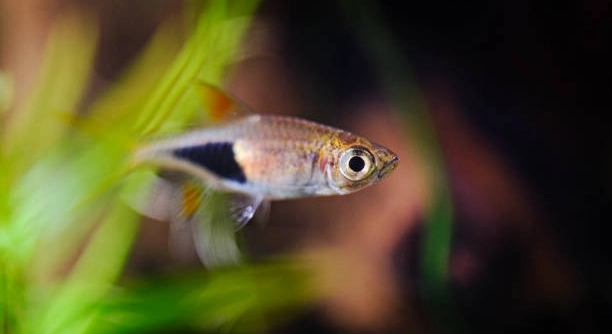
Rasboras are small, colorful fish that brighten up any aquarium. Watching them swim gracefully is relaxing, but sometimes their vibrant colors start to fade, leaving owners worried about their health and well-being in the tank.
Color loss in rasboras can result from various factors including poor nutrition, stress, inadequate lighting, disease, water quality issues, aging, and genetic predisposition. Each of these elements directly affects pigmentation and overall fish vitality in controlled environments.
Learning the reasons behind color fading will help you care for your rasboras better and maintain their lively, vivid appearance in your aquarium.
Poor Nutrition
Rasboras need a balanced diet to keep their colors bright and their bodies healthy. Feeding them only flakes or one type of food can lead to faded colors over time. Live or frozen foods, such as brine shrimp and daphnia, provide essential nutrients and pigments that enhance their appearance. Vegetables like blanched spinach or zucchini can also add important vitamins. Consistency in feeding is key, but overfeeding can stress the fish and affect their coloration. Observing your rasboras while they eat helps ensure they all get enough food without leaving excess uneaten portions in the tank, which can degrade water quality. Rotating different food types not only improves nutrition but also keeps them active and interested during mealtimes.
Feeding a varied and nutrient-rich diet supports vibrant pigmentation and overall health, reducing the risk of color loss in rasboras and promoting longer life expectancy.
Maintaining proper nutrition requires monitoring portion sizes and food quality. Fresh foods should be introduced gradually, and leftovers should be removed to prevent contamination. Over time, you will notice brighter, more lively rasboras that show off their natural patterns. Balanced feeding practices directly influence behavior, stress levels, and even breeding potential, creating a healthier tank ecosystem overall.
Stress
Stress is a common factor that leads to color loss in rasboras. Frequent tank changes, overcrowding, or aggressive tank mates can make them anxious, causing their colors to dull quickly.
To reduce stress, ensure adequate hiding spots, maintain stable water parameters, and avoid sudden changes. Calm environments help rasboras retain their vibrant hues.
Consistent care and attention to tank conditions can prevent prolonged stress. Using plants, decorations, and gentle lighting creates a comfortable habitat. Observing your rasboras’ interactions can indicate if stress is present. Avoid overcrowding by following proper stocking guidelines and separating aggressive fish. Stress management also involves proper feeding schedules and reducing loud noises or vibrations near the tank. A calm, stable environment encourages healthy behavior, reduces susceptibility to disease, and enhances natural coloration. When stress factors are controlled, rasboras display brighter, more vivid colors, swim actively, and live longer, healthier lives, making them more enjoyable to watch and care for in your aquarium.
Inadequate Lighting
Proper lighting is essential for rasboras to maintain their natural colors. Too little light can cause fading, while excessively bright light may stress them. A moderate, consistent light schedule supports healthy pigmentation.
Lighting affects both behavior and color expression. Rasboras exposed to natural day-night cycles or aquarium lights on timers show more vivid hues. Plants in the tank can provide shaded areas to prevent overexposure. Adjusting light intensity gradually allows fish to adapt without stress, enhancing overall well-being. Over time, consistent lighting improves not only coloration but also activity levels, feeding patterns, and social behavior.
Choosing the right light spectrum is also important. Full-spectrum aquarium lights mimic natural conditions, encouraging bright colors and healthy growth. Avoid placing the tank in direct sunlight, which can cause temperature fluctuations and algae growth. Combining proper lighting with balanced nutrition and stress management ensures rasboras display their best colors. Regular observation allows adjustments to light intensity or duration, optimizing visual appeal. A stable, well-lit environment contributes to healthier, more active, and vibrantly colored fish that enhance the aquarium’s aesthetic.
Poor Water Quality
Dirty or unstable water conditions directly impact rasboras’ coloration and health. High levels of ammonia, nitrite, or nitrate can cause stress and fading. Regular water changes and proper filtration are essential.
Maintaining consistent water parameters, including temperature, pH, and hardness, helps rasboras retain their colors. Sudden fluctuations can trigger stress responses and weaken immune systems, leading to dull pigmentation. Using a reliable test kit to monitor chemical levels ensures timely corrections. Overfeeding and leftover food contribute to water pollution, so careful feeding habits reduce waste accumulation. Aeration and gentle water flow support oxygen levels, further promoting healthy fish.
Proper maintenance includes cleaning the tank, filter, and substrate regularly. Partial water changes of 20-30% weekly prevent buildup of harmful chemicals. Conditioners can neutralize chlorine or chloramine in tap water. Keeping water stable also minimizes disease risk, which directly affects coloration. Healthy rasboras in clean, stable water swim actively and display bright colors, creating a visually appealing tank environment. Combining water quality control with proper nutrition, lighting, and stress reduction ensures the long-term vibrancy of your fish.
Disease
Diseases can cause rasboras to lose their vibrant colors quickly. Common infections, including bacterial or parasitic issues, weaken their immune system and affect pigmentation.
Early detection and treatment are crucial. Quarantining sick fish and using appropriate medications help prevent spread and restore health, allowing colors to return gradually.
Aging
As rasboras age, their colors naturally become less vivid. Older fish often show muted tones compared to younger ones. Regular care and stable tank conditions help minimize the effects of aging.
Genetic Factors
Some rasboras are genetically predisposed to lighter colors or fading patterns. This inherited trait affects the intensity and stability of their pigmentation over time.
Overcrowding
Overcrowding in the tank increases stress and reduces territorial space, both of which contribute to dull colors in rasboras.
FAQ
Why are my rasboras’ colors fading even though the water looks clean?
Even if the water appears clean, chemical imbalances like elevated ammonia, nitrite, or nitrate can stress fish and dull their colors. Test the water regularly and perform partial water changes to maintain optimal conditions. Stable temperature and pH are also crucial for healthy pigmentation.
Can changing their diet restore their colors?
Yes, introducing a varied diet rich in natural pigments helps restore colors. Foods like brine shrimp, daphnia, and vegetables provide carotenoids and vitamins that enhance coloration. Avoid overfeeding and remove uneaten food to prevent water quality issues that can counteract dietary benefits.
How long does it take for colors to return?
The timeframe varies depending on the cause. If fading is due to stress or diet, you may notice improvement within a few weeks. Color recovery from disease or prolonged poor water quality can take longer and may require ongoing care.
Does tank lighting really affect color?
Yes, appropriate lighting is essential. Moderate, consistent lighting helps display vibrant colors while preventing stress. Full-spectrum lights mimic natural conditions, and adding shaded areas with plants allows rasboras to regulate exposure comfortably. Gradually adjusting light intensity prevents sudden stress.
Can stress cause permanent color loss?
Prolonged stress may lead to lasting dullness, especially if it triggers illness or weakens the immune system. Reducing stress through hiding spots, calm tankmates, and stable conditions improves color retention and overall health.
Is it normal for older rasboras to look dull?
Yes, aging naturally causes colors to fade. While older fish may never regain youthful vibrancy, consistent care, balanced nutrition, and low-stress environments help maintain their best possible appearance.
Do genetics play a big role in coloration?
Genetics influence how bright and stable a rasbora’s colors can be. Some fish are naturally lighter or more prone to fading. Understanding your fish’s breed helps set realistic expectations for their coloration.
Can overcrowding affect color?
Yes, too many fish in one tank increases stress and competition, causing colors to dull. Following proper stocking guidelines and ensuring adequate space for swimming and hiding improves color retention and reduces aggression.
Will disease treatment restore faded colors?
Treating infections or parasites stops further color loss and can allow gradual recovery. Prompt identification and medication, combined with optimal water conditions, help rasboras regain health and vibrancy.
Are there other ways to enhance colors naturally?
Providing a stable environment, consistent diet, moderate lighting, and minimal stress naturally enhances color. Regular observation and minor adjustments to care routines ensure that your rasboras display their best hues consistently.
How can I prevent future color loss?
Maintain balanced nutrition, clean water, moderate lighting, and stress-free conditions. Monitor water parameters, avoid overcrowding, and respond promptly to signs of disease or stress. Preventive care is the most effective way to keep rasboras colorful and healthy.
Can tank decorations influence color?
Yes, plants and substrate colors can affect how colors appear. Natural backgrounds and hiding spots reduce stress and enhance visual contrast, making rasboras’ hues appear brighter. Choose decor that complements their natural patterns.
Is it possible to permanently restore color once it’s lost?
It depends on the cause. Colors lost due to stress, diet, or mild illness can often be restored. Fading from age or genetics may be permanent, but overall care can maximize remaining vibrancy and improve appearance.
How often should I feed my rasboras to maintain color?
Feed small portions 1-2 times daily, providing a variety of foods. Consistent feeding promotes healthy growth and vibrant colors while preventing overfeeding, which can degrade water quality and dull pigmentation.
Does water temperature affect coloration?
Yes, extreme or fluctuating temperatures stress fish and dull colors. Maintain species-appropriate temperatures consistently to support immune function, activity, and natural pigmentation. Stable environments encourage brighter and more stable coloration over time.
Can adding live plants improve color?
Live plants improve water quality, provide hiding spots, and reduce stress. They also create natural lighting effects that enhance the appearance of colors, making rasboras look more vivid and healthy.
Are there any signs that indicate color loss is serious?
Fading accompanied by lethargy, loss of appetite, clamped fins, or unusual spots may indicate disease or poor water conditions. Prompt intervention prevents further health decline and helps restore color.
Is color loss reversible in all cases?
Not always. Reversible cases include stress, poor diet, or mild water issues. Permanent fading may result from genetics or advanced age. Focus on preventive care and proper management to minimize lasting dullness.
Can mixing rasbora species affect color?
Some species may be more aggressive or dominate tank space, causing stress in others and dulling colors. Choosing compatible species and monitoring interactions helps maintain color stability.
Does tank size matter for color retention?
Yes, small tanks limit swimming space and increase stress, leading to fading. Adequate space reduces aggression, promotes exercise, and supports vibrant colors in healthy, active fish.
How often should I monitor water parameters for vibrant colors?
Weekly testing of ammonia, nitrite, nitrate, pH, and temperature ensures stability. Prompt corrections prevent stress and color loss. Consistent monitoring supports long-term health and keeps rasboras bright and active.
Can breeding affect coloration?
During breeding, colors may temporarily dull due to stress or energy allocation. With proper care and minimal disturbance, colors usually return once the process is complete.
Are commercial color-enhancing foods effective?
Yes, foods with natural pigments can boost coloration. Look for ingredients like carotenoids and astaxanthin. Combine with balanced nutrition for best results. Overreliance on supplements without proper care will not maintain long-term color.
Does lighting schedule matter for color consistency?
Yes, maintaining a regular day-night cycle prevents stress and supports natural pigmentation. Use timers to simulate consistent light periods, helping rasboras retain their vibrant appearance.
Can temporary stress events permanently affect color?
Short-term stress usually causes temporary fading. Colors often return once conditions stabilize. Chronic stress, however, can have lasting effects on pigmentation and overall health.
Is water hardness important for coloration?
Yes, inappropriate hardness levels can cause stress and color loss. Maintain species-appropriate hardness to support metabolism, immune function, and vibrant pigmentation.
Do tankmates influence coloration?
Aggressive or overly dominant fish can stress rasboras, leading to faded colors. Choosing peaceful, compatible tankmates ensures a calm environment and better color expression.
Can decorations with bright colors stress fish?
Extremely bright or reflective decorations may startle or stress rasboras. Use natural tones and provide hiding spots to minimize stress and maintain color vibrancy.
How can I tell if color loss is due to diet or stress?
Diet-related fading is gradual and improves with nutrient-rich foods. Stress-related fading is often sudden, with behavioral changes like hiding, erratic swimming, or loss of appetite. Identifying patterns helps address the cause effectively.
Can color loss indicate underlying disease?
Yes, rapid or patchy fading, combined with lethargy or abnormal behavior, may signal bacterial, fungal, or parasitic infections. Early diagnosis and treatment are essential to restore health and color.
Are all rasboras equally prone to color loss?
No, susceptibility varies by species, genetics, age, and environmental conditions. Some species naturally maintain brighter colors, while others fade more easily. Understanding your specific rasboras helps set realistic expectations.
How do I combine all preventive measures effectively?
Provide a balanced diet, maintain clean water, ensure proper lighting, reduce stress, monitor water parameters, and keep compatible tankmates. Together, these steps create a stable environment that supports long-term vibrant colors.
Can seasonal changes affect color?
Yes, sudden changes in temperature, lighting, or day length can stress fish and cause temporary fading. Gradual adjustments and consistent care minimize seasonal impacts on pigmentation.
Is it normal for colors to fluctuate daily?
Mild daily changes are natural and often related to activity, light, or feeding. Sudden or prolonged dullness indicates environmental or health issues needing attention.
Do medications impact coloration?
Some treatments may temporarily affect colors. Use medications as directed, monitor water quality, and provide optimal conditions to help colors recover once treatment ends.
Can water additives enhance color safely?
Certain additives with natural pigments can help, but they cannot replace proper nutrition, water quality, or stress management. Use sparingly and follow manufacturer guidelines to avoid harm.
How do I know if lighting or diet is the main issue?
Observe fish behavior and color changes. If fading occurs during normal lighting cycles but improves with enriched foods, diet is likely the factor. If colors fade despite proper feeding, lighting adjustments may be needed.
Can stress from handling cause fading?
Yes, frequent or rough handling can trigger temporary color loss. Limit disturbances during tank maintenance and use gentle techniques when moving or examining fish.
Is it possible to prevent color loss entirely?
Complete prevention is unlikely due to genetics and aging. However, consistent care, proper diet, clean water, stress reduction, and monitoring greatly minimize fading and support vibrant, healthy fish.
Do colors fade differently in males and females?
Males often display brighter colors, while females may be naturally paler. During breeding, both sexes may show temporary dullness due to energy allocation and stress, but proper care helps restore vibrancy.
Can changing tank location affect colors?
Yes, moving the tank can cause stress from altered surroundings, lighting, or temperature changes. Gradual relocation and stable conditions help prevent color loss during adjustments.
How important is observation for color maintenance?
Daily observation allows early detection of stress, disease, or environmental issues. Prompt intervention ensures fish remain healthy and colorful over time, preventing prolonged fading.
Are there any natural supplements to support color?
Natural supplements like spirulina or krill contain pigments that enhance coloration. Combine them with a balanced diet and proper care for sustainable results without relying solely on additives.
Does water flow affect coloration?
Gentle, consistent flow maintains oxygen levels and reduces stress. Excessive current can tire fish, while stagnant water affects health, both leading to duller colors. Proper circulation supports activity and vibrant pigmentation.
Can tank size changes impact color?
Yes, downsizing increases stress and competition, causing dulling. Adequate space supports natural behavior, reduces aggression, and allows colors to remain vivid.
How do I balance all factors to keep colors vibrant?
Maintain clean water, stable temperature, moderate lighting, balanced diet, minimal stress, and compatible tankmates. Consistency in these areas ensures healthy, brightly colored rasboras over time.
Can stress from tank noises affect pigmentation?
Yes, loud or constant vibrations can trigger stress responses, dulling colors. Placing the tank in a quiet area reduces disturbances and supports healthy pigmentation.
How long does it take to see improvements after fixing water issues?
Improvement depends on the problem’s severity. Minor adjustments may show results in days, while long-term water quality issues could take weeks to restore vibrant colors fully.
Do seasonal changes in feeding schedules impact color?
Yes, altering diet or feeding frequency can affect energy and pigmentation. Maintaining consistent, nutrient-rich feeding supports stable coloration throughout the year.
Are certain substrates better for color display?
Darker, natural-colored substrates enhance contrast, making colors appear brighter. Light-colored or reflective substrates can make fish appear paler, even if healthy.
Does plant density influence coloration?
Adequate plant coverage provides shade and hiding spots, reducing stress and enhancing perceived colors. Dense planting creates natural conditions that highlight rasboras’ vibrancy.
Is it safe to mix live and frozen foods for color enhancement?
Yes, combining live and frozen foods ensures a variety of nutrients and pigments. Balanced feeding supports both health and coloration, keeping fish active and vibrant.
How can I track gradual color changes?
Take regular photos under consistent lighting. Comparing images over time helps identify slow fading trends, allowing timely adjustments to diet, water quality, or environment.
Can occasional stress events have lasting effects?
Brief stress usually causes temporary fading. Repeated or chronic stress can weaken the immune system and reduce natural pigmentation, making long-term care essential.
Is it normal for new fish to fade initially?
Yes, acclimation stress can cause temporary dulling. Gradual introduction, stable water, and proper care help them regain colors within a few days or weeks.
Does tank shape affect color visibility?
Wide tanks allow better swimming and reduce stress, enhancing colors. Tall, narrow tanks may limit movement and make fish appear less vibrant. Proper layout supports both health and aesthetic appeal.
Can temperature swings affect pigment production?
Yes, rapid fluctuations stress fish and impair pigment formation. Maintaining consistent, species-appropriate temperatures helps preserve vibrant coloration.
Are there differences between wild-caught and captive-bred rasboras in color retention?
Wild-caught fish may show more vivid initial colors but are sensitive to tank conditions. Captive-bred fish are generally more adaptable, maintaining color better under controlled care.
Does stress from tank cleaning affect pigmentation?
Rough or frequent cleaning can startle fish, leading to temporary dulling. Gentle maintenance and minimal disruption protect both health and color.
Can water additives for plant growth affect fish color?
Some additives may alter water chemistry, stressing fish. Always monitor water parameters after using fertilizers to prevent color loss and maintain health.
Is it better to fix one issue at a time or all together?
Addressing all factors simultaneously—water quality, diet, lighting, and stress—yields faster and more reliable results. Small, consistent improvements maintain vibrant colors long-term.
Do different rasbora species need different care for color maintenance?
Yes, species vary in diet, temperature preference, and behavior. Tailoring care to each species ensures optimal health and coloration, preventing unnecessary fading.
Can low oxygen levels cause fading?
Yes, insufficient oxygen stresses fish, dulling colors. Proper aeration and circulation are essential to maintain bright pigmentation and overall vitality.
Is color loss reversible in genetically pale fish?
Genetically pale fish may never reach the vibrancy of other individuals, but optimal care can maximize their potential coloration and overall health.
How do I know if fading is due to water chemistry or diet?
Monitor changes after adjusting one factor at a time. If improved diet doesn’t restore color, water chemistry or other environmental conditions may be responsible.
Can seasonal lighting changes affect coloration?
Yes, abrupt shifts in light duration or intensity can stress fish. Gradual adjustments and consistent schedules help maintain stable, vibrant colors.
Does breeding stress affect long-term color?
Temporary dulling is normal during breeding. Proper care post-breeding ensures colors return, although repeated breeding cycles can slightly reduce vibrancy in older fish.
Can minor illnesses cause slow color fading?
Yes, subtle infections or parasites may gradually dull colors before other symptoms appear. Early detection and treatment prevent further loss and restore vibrancy.
How important is consistency in all care aspects for color retention?
Very important. Diet, water quality, lighting, and stress management must be consistent. Inconsistency leads to fading, stress, and susceptibility to illness, reducing overall coloration.
Can overcrowding and small tanks combine to worsen color loss?
Yes, limited space and high stress amplify fading. Providing enough room and managing population density ensures healthier, more colorful fish.
Do water changes improve colors immediately?
Partial water changes improve water quality and reduce stress, but color recovery may take days or weeks depending on the cause of fading.
Are some rasboras naturally duller than others?
Yes, species, age, and genetics affect natural coloration. Recognizing normal variations helps set realistic expectations for your fish’s appearance.
Can algae in the tank affect coloration?
Excessive algae can reduce light penetration and stress fish. Controlling growth helps maintain optimal lighting and reduces stress, supporting natural color expression.
Is it possible for colors to improve with age?
Some fish show slightly enhanced colors once fully matured, but aging generally leads to gradual dulling. Proper care prolongs peak vibrancy.
Do tank plants compete with fish for nutrients affecting color?
Plants and fish require different nutrients. Balanced feeding ensures fish receive pigments while plants thrive, preventing competition that could dull coloration.
Can changing water sources affect color?
Switching water without conditioning or matching parameters can stress fish, causing temporary fading. Gradual transitions and treatment prevent color loss.
Is it safe to use color-enhancing chemicals?
Some products are safe if used according to instructions. They supplement natural pigments but cannot replace proper care, diet, or stress management.
Do sudden environmental changes cause permanent fading?
Short-term exposure usually causes temporary dulling. Repeated or severe changes can lead to long-term fading if not corrected promptly.
Can tankmates with bright colors overshadow rasboras?
Brightly colored tankmates do not physically affect pigmentation but may create visual contrast, making rasboras appear less vibrant. Choosing compatible species helps maintain visual balance.
How do I prioritize factors to restore color?
Focus on water quality first, then diet, lighting, and stress reduction. Addressing primary causes first ensures quicker and more effective recovery of vibrant coloration.
Can frequent observation stress fish and affect color?
Occasional observation is fine, but constant disturbance can stress rasboras, leading to temporary dulling. Watch quietly and minimize handling.
Do color changes indicate mood or health?
Rapid fading often signals stress or illness rather than mood. Consistent dulling may reflect aging or genetics. Monitoring overall behavior alongside coloration provides better insights.
Can tank decorations with reflective surfaces cause stress?
Yes, reflections may confuse or startle fish, dulling colors. Using natural, non-reflective decor reduces stress and promotes brighter pigmentation.
How do I know if fading is permanent?
Permanent fading typically results from age or genetics. Temporary fading due to stress, diet, or illness can be restored with proper care. Observation over time helps distinguish between causes.
Is it necessary to change lighting gradually to prevent color loss?
Yes, sudden changes can stress fish. Gradual adjustments allow adaptation and prevent temporary or prolonged fading of pigmentation.
Does water hardness variation cause color changes?
Rapid changes in hardness can stress fish, dulling colors. Maintaining stable, species-appropriate levels supports healthy pigmentation and overall well-being.
Can stress from tank rearrangement affect colors?
Yes, frequent rearrangements disturb territories and increase stress. Stable layouts with consistent hiding spots maintain vibrant colors.
Are some colors more prone to fading than others?
Yes, red and orange pigments are often more sensitive to diet, stress, and water quality, while darker colors like black or blue are usually more stable.
Can combining multiple factors accelerate fading?
Yes, stress, poor water, overcrowding, and inadequate diet
Rasboras are small, delicate fish whose colors can bring life and beauty to any aquarium. Watching them swim gracefully is always calming, but it can be worrying when their colors start to fade. There are many reasons why this can happen, from poor nutrition and stress to water quality issues, inadequate lighting, disease, aging, or genetics. Understanding these causes is the first step toward keeping your fish healthy and vibrant. By paying attention to their environment and behavior, you can often prevent color loss before it becomes serious. A stable tank with clean water, proper diet, and compatible tankmates provides the foundation for healthy pigmentation.
Maintaining bright colors in rasboras requires consistency and care. Diet plays a key role because certain nutrients and pigments directly affect coloration. Live and frozen foods like brine shrimp or daphnia, combined with occasional vegetables, give them the vitamins and pigments they need. Stress management is equally important. Overcrowding, aggressive tankmates, or sudden changes in lighting or water conditions can cause anxiety, leading to dull colors. Providing hiding spots, plants, and calm environments reduces stress, which allows the fish to display their natural beauty. Lighting should be moderate and consistent, mimicking natural day and night cycles, while water quality must be carefully monitored. Stable temperature, pH, and hardness support healthy metabolism and pigmentation.
Even with proper care, some factors like age or genetics may naturally affect a rasbora’s colors over time. Older fish may lose some vibrancy, and some species or individual fish are genetically predisposed to lighter or more muted patterns. While these changes are normal, maintaining good nutrition, stress-free conditions, and optimal tank parameters can help your rasboras look their best. Observing your fish regularly and making small adjustments when needed ensures they stay healthy and active. Consistency in care, a balanced diet, and attention to the environment will help preserve their vivid colors, improve their overall well-being, and allow you to enjoy a beautiful, lively aquarium for years.

Hello,
If you enjoy the content that we create, please consider saying a "Thank You!" by leaving a tip.
Every little bit helps us continue crafting quality advice that supports the health, happiness, and well-being of pets around the world, for pets of all shapes, sizes, and species.
We really appreciate the kindness and support that you show us!