
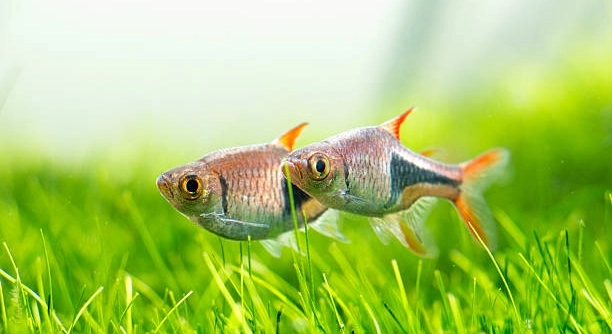
Rasboras are small, peaceful fish often kept in home aquariums for their calming presence and gentle movements. They tend to swim in groups, creating a lively display that can brighten any tank and catch your attention.
Rasboras can indeed react to human presence. They recognize movement and shadows outside the tank, responding by gathering, swimming closer, or showing subtle changes in behavior. These reactions demonstrate sensory awareness and a natural curiosity toward their environment.
Observing how they respond can make your aquarium feel more interactive and engaging, offering insights into their habits and preferences in daily life.
How Rasboras Sense Their Surroundings
Rasboras rely heavily on their senses to interact with the environment. They are especially sensitive to movement, light, and vibrations outside the tank. Even subtle changes, like someone approaching the aquarium, can trigger a noticeable response. This sensitivity helps them stay alert and coordinate with other fish in their group. In home aquariums, this means they may swim closer to the glass or gather together when they notice your presence. Over time, they can become familiar with daily routines, recognizing when feeding time is near or when someone is observing them. Their reactions are not random; they reflect natural instincts that keep them safe and aware. Observing these behaviors can give you a better understanding of how they experience their surroundings and how your actions impact them.
These responses show that rasboras are more aware than many people realize, making them engaging to watch regularly.
Spending time near the tank and moving gently can encourage rasboras to react positively. When they see you, they often swim in patterns that suggest curiosity, sometimes following your movements along the glass. Over time, the fish may associate your presence with feeding or calm observation, which strengthens their comfort level. Environmental factors, like tank lighting and plant placement, also influence how they respond. Fish in well-structured tanks with hiding spots may approach more cautiously, while open tanks can make reactions more visible. Their schooling behavior means that one fish noticing your movement can trigger the whole group to respond. By understanding their sensory triggers and behavior patterns, you can create an aquarium experience that feels interactive and rewarding, both for the fish and for yourself.
Recognizing Different Reactions
Rasboras display a range of behaviors depending on how they sense movement or presence.
Some fish may swim quickly while others hover near the tank’s front, showing cautious interest. Observing these subtle cues helps identify their comfort levels.
Fish react differently to humans based on their environment and previous experiences. Movement, shadows, and even tapping on the glass can elicit swimming patterns, hiding, or schooling adjustments. Over time, repeated exposure to gentle observation can reduce stress responses, allowing the fish to show more curiosity than fear. Each individual may have unique tendencies; some may approach the glass boldly, while others remain reserved. The presence of plants, decorations, and open swimming space can also impact how they respond, either encouraging exploration or providing areas to retreat. Understanding these behaviors allows aquarists to adjust interactions, tank setup, and feeding routines, creating a healthier environment. Paying attention to their reactions offers insight into their natural instincts, helping maintain their well-being and making daily observation a more enjoyable experience for both the keeper and the fish.
Feeding Time and Reactions
Rasboras often respond immediately when food is involved. They can sense vibrations and movement near the tank, which triggers excitement. Their reactions are usually more pronounced during feeding.
Feeding routines strongly influence how rasboras react to presence. When you approach the tank around feeding time, they often swim toward the front, gather in small groups, and show signs of anticipation. Over time, they learn to associate certain cues, like hand movements or shadows, with feeding. This behavior demonstrates not only their awareness but also their capacity to recognize patterns and respond consistently. The fish may also display schooling adjustments, coordinating with one another to approach food safely and efficiently.
Some rasboras may hover in place while others swim actively, depending on their confidence and position in the group hierarchy. Observation helps identify which fish are more dominant or cautious, and it can guide feeding strategies. Providing small amounts gradually allows all fish to participate without stress, ensuring everyone benefits. Tracking their responses over time gives insight into their personality traits and comfort level with human interaction, helping create a balanced and interactive aquarium environment.
Environmental Influence on Behavior
Tank setup affects rasboras’ reactions significantly. Plants, decorations, and open swimming space shape how they respond to your presence.
Rasboras tend to feel safer in tanks with hiding spots, like plants or rocks, and may approach humans more cautiously in well-decorated tanks. Open spaces encourage active swimming and more visible reactions, while cluttered areas provide retreat options for nervous fish. Lighting also plays a role; brighter light can make movements more noticeable, prompting quicker responses. Water temperature and quality further influence energy levels and alertness, shaping how they interact with their surroundings. Subtle changes in environment can enhance or reduce their curiosity toward people.
Consistent tank conditions help rasboras feel secure, increasing predictable reactions. Gradually adjusting decorations or lighting can encourage more natural behaviors without causing stress. Monitoring their movement patterns reveals preferences for open versus sheltered areas. Schooling tendencies interact with the environment, as fish coordinate movement in response to obstacles and space. Understanding how surroundings influence behavior allows for intentional design choices, promoting comfort, engagement, and healthy social interactions. Careful observation and adjustment ensure the fish remain responsive and content while maintaining a balanced tank ecosystem.
Social Behavior and Presence
Rasboras are schooling fish, and their reactions are often influenced by group dynamics. When one fish notices movement, the others quickly respond, showing collective awareness. Their social instincts make them more alert to external stimuli.
Individual personalities also play a role. Some fish may approach immediately, while others hang back. Observing these differences helps understand group behavior and hierarchy. Awareness of both social and individual tendencies allows for better interaction and feeding practices, creating a balanced and harmonious tank environment.
Recognizing Stress Signals
Rasboras show subtle signs when stressed by excessive movement or presence near the tank. These include darting, hiding, or sudden swimming changes.
Paying attention to these cues helps prevent long-term stress, ensuring the fish remain healthy and active. Regular observation allows adjustments to interaction patterns, tank placement, and environmental conditions.
Interaction Over Time
Rasboras can gradually become accustomed to human presence. Repeated calm observation reduces fear and encourages curiosity. Over weeks, fish may follow hand movements or swim closer during routine activities.
Influence of Tank Lighting
Lighting impacts how rasboras notice movement and react. Bright light makes them more alert, while dim lighting can reduce responsiveness and promote calm behavior.
FAQ
Can Rasboras really recognize humans?
Rasboras do not recognize humans like pets such as dogs or cats, but they can notice movement, shadows, and routines. Over time, they may associate certain actions, like approaching the tank or hand movements, with feeding or calm observation. This creates the impression that they “recognize” you, even though it is primarily a learned response.
Why do some Rasboras swim away when I approach?
Rasboras have natural instincts to avoid potential threats. Sudden movements, tapping, or shadows can trigger flight responses. Individual personality also matters; more timid fish may hide or swim faster than confident ones. Providing consistent, calm interaction helps them become comfortable and reduces stress-related reactions.
Do Rasboras respond more during feeding time?
Yes, feeding is the strongest trigger for interaction. They learn to anticipate food, and vibrations or shadows near the tank often excite them. Approaching at feeding time will generally prompt more active swimming, grouping near the front of the tank, and playful schooling movements.
Can tank size affect their reactions?
Tank size and layout significantly influence behavior. Larger, open tanks allow more visible movement and swimming, making reactions easier to observe. Smaller or crowded tanks can increase stress, causing fish to hide or remain less responsive. Well-planned decorations and hiding spots balance security and visibility.
How does lighting impact Rasboras’ behavior?
Lighting affects visibility and alertness. Bright lighting highlights movements, prompting faster reactions, while dim lighting reduces responsiveness and encourages calm swimming. Gradually adjusting lighting can help manage activity levels and ensure the fish feel secure without losing natural behaviors.
Are all Rasboras equally reactive?
No, individual fish have distinct personalities. Some are bold and curious, approaching humans quickly, while others are cautious and reserved. Schooling behavior also influences reactions; if one fish moves, others may follow, amplifying the overall response of the group.
How can I encourage positive interaction?
Consistent routines and calm movements near the tank help Rasboras become more comfortable. Avoid sudden gestures, loud noises, or tapping on the glass. Feeding at predictable times and observing quietly can gradually increase curiosity and visible engagement.
Do Rasboras show stress if they are watched too much?
Yes, constant or aggressive observation can stress them. Signs include hiding, darting, or erratic swimming. Balancing interaction with periods of calm ensures they remain healthy and maintain natural behavior patterns. Monitoring stress signals is essential to maintain a harmonious environment.
Can decorations and plants affect how they respond to humans?
Yes, plants and decorations provide hiding spots that influence comfort levels. Fish in heavily planted tanks may approach more cautiously, while open spaces encourage visible reactions. Understanding their preferences allows better tank design and observation opportunities without causing stress.
How long does it take for Rasboras to get used to my presence?
Adjustment varies, typically a few weeks to a couple of months. Gradual exposure through calm movement, consistent feeding routines, and a secure tank environment helps fish become comfortable. Over time, they may approach the glass or follow hand movements, showing curiosity rather than fear.
Do different Rasbora species react differently?
Yes, species variations exist. Some species are naturally more timid, while others are more active and responsive. Understanding species-specific tendencies helps set expectations and adapt interaction methods, ensuring healthy engagement with each type in a community tank.
Can I train Rasboras to respond to gestures?
Training is limited but possible. They can learn to associate certain movements with food or routines. Patience, repetition, and consistency are key. Unlike larger pets, their responses are instinctual and associative rather than complex, but gradual conditioning can improve their interactions with humans.
Is it safe to tap on the glass to get their attention?
Tapping is discouraged, as it creates stress and can damage their delicate senses. Rasboras are sensitive to vibrations, and gentle presence or consistent feeding signals are far more effective in eliciting positive responses.
Rasboras are small, gentle fish that bring life and movement to an aquarium. They may seem simple at first glance, but their behaviors reveal a lot about how they perceive their surroundings. Over time, it becomes clear that they can react to human presence, responding to movement, shadows, and routines outside the tank. These responses are not signs of complex recognition like with larger pets, but they do show awareness and curiosity. Observing their reactions can make caring for them more engaging and satisfying, offering insight into their natural instincts and daily habits.
Interaction with Rasboras is largely shaped by consistency and calm observation. Approaching the tank slowly, maintaining predictable feeding times, and minimizing sudden disturbances help the fish feel secure. Their schooling behavior adds another layer to their responses, as one fish noticing movement often prompts the others to follow. Tank setup also plays a role; open spaces encourage visible activity, while plants and decorations provide security for more timid fish. Over weeks and months, repeated exposure can reduce their fear and increase curiosity. This process allows them to interact with their environment in a way that seems responsive to humans without causing stress.
Caring for Rasboras involves more than feeding and cleaning; it includes understanding their behaviors and supporting their comfort. Monitoring reactions to presence, lighting, and environmental changes can guide decisions on tank arrangement, feeding routines, and general interaction. Each fish has unique tendencies, with some being bold and others more reserved, and recognizing these differences helps create a balanced and healthy environment. By paying attention to these details, you not only encourage natural behaviors but also ensure the fish remain active, healthy, and content in the tank. Observing their reactions over time can become a rewarding experience, offering subtle but meaningful interactions that enhance both their well-being and your enjoyment of the aquarium.

Hello,
If you enjoy the content that we create, please consider saying a "Thank You!" by leaving a tip.
Every little bit helps us continue crafting quality advice that supports the health, happiness, and well-being of pets around the world, for pets of all shapes, sizes, and species.
We really appreciate the kindness and support that you show us!