
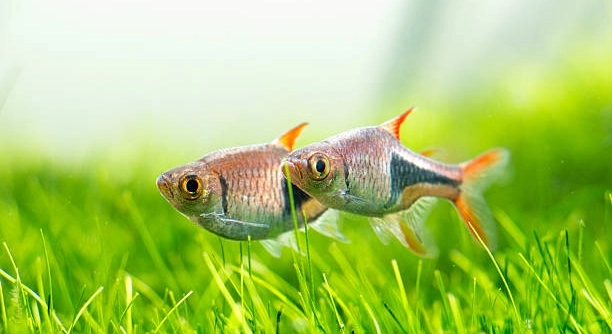
Keeping rasboras happy in a home aquarium can be tricky if conditions are not ideal. Many owners may not realize that small changes in their tank can create stress for these delicate fish. Proper care is essential for their well-being.
Rasboras experience stress due to poor water quality, overcrowding, inappropriate tank mates, lack of hiding spots, incorrect temperature, insufficient oxygen, and inconsistent feeding schedules. Each of these factors can negatively impact their health and overall behavior in the aquarium.
Understanding these common tank problems will help you create a calmer and healthier environment for your rasboras to thrive peacefully.
Poor Water Quality
Dirty or unbalanced water is one of the fastest ways to stress rasboras. High levels of ammonia, nitrites, or nitrates can irritate their gills and weaken their immune system. Even slight changes in pH or hardness can affect their behavior. Regular water testing is crucial to monitor these levels. Changing only a portion of the water at a time helps prevent sudden shifts that might shock the fish. Filters need cleaning too, but over-cleaning can remove beneficial bacteria. Using a water conditioner when adding new water reduces chlorine or chloramine exposure. Observing the fish daily can show early signs of stress like clamped fins or erratic swimming. Feeding sparingly and removing leftover food helps maintain water clarity and prevents bacterial overgrowth. Maintaining stable water conditions ensures rasboras remain active, healthy, and colorful, reducing the chance of disease.
Maintaining clean water protects rasboras from stress, illness, and abnormal behavior, helping them thrive consistently in your tank environment.
Consistency in water quality is key for long-term health. A small weekly water change, combined with careful monitoring of chemical levels, keeps ammonia, nitrites, and nitrates under control. Using a reliable test kit allows you to spot even minor imbalances. Filtration must be effective but not too aggressive, and removing uneaten food prevents waste buildup. Rasboras are sensitive to sudden temperature or pH shifts, so any changes should be gradual. Observing their behavior daily can alert you to subtle stress signs. Over time, maintaining a routine for cleaning, testing, and adjusting water ensures the tank remains a safe, comfortable home. Healthy water promotes normal swimming, feeding, and social behavior, allowing rasboras to display their natural colors. Preventing stress now avoids bigger health problems later, making your aquarium easier to manage and more enjoyable to watch.
Overcrowding
Too many fish in a tank can make rasboras anxious and aggressive. Limited space reduces swimming room and increases competition for food.
Overcrowding can lead to poor water conditions, aggression, and reduced lifespan, so maintaining proper stocking levels is essential.
Keeping the right number of fish is crucial. Rasboras prefer schools of six or more but need enough space to swim freely. Overcrowding raises stress and aggression, as dominant fish may chase others constantly. Extra fish also increase waste, quickly degrading water quality. Observing how fish interact can reveal tension caused by overcrowding. Adjusting the number of tank mates or upgrading tank size helps restore balance. A well-planned community with compatible species reduces stress and encourages natural behavior, making the tank a peaceful environment where rasboras can thrive without constant competition.
Inappropriate Tank Mates
Aggressive or large fish can stress rasboras by chasing or nipping them, leading to injury or constant hiding. Peaceful species are the best companions for their small size and timid nature.
Choosing compatible tank mates is essential for a calm environment. Rasboras thrive with other small, non-aggressive fish such as tetras or small rasbora species. Avoid larger fish that see them as food or constantly intimidate them. Even semi-aggressive species can trigger stress if space is limited. Observing interactions early helps identify potential issues before serious harm occurs. Introducing new fish gradually and ensuring enough hiding spots can reduce tension. A harmonious tank supports normal swimming, feeding, and social behavior.
Monitoring the tank closely is important. If rasboras show signs of fear or injury, separating them or rearranging decorations can restore peace. Providing plants, driftwood, or rocks allows them to retreat and feel safe. A carefully planned community tank prevents ongoing stress and promotes healthy, active fish behavior, maintaining their natural colors and reducing disease risk.
Lack of Hiding Spots
Rasboras feel vulnerable without places to hide, which increases stress and reduces activity. Plants and decorations create security and comfort.
Providing adequate hiding spots encourages natural behavior and reduces fear. Dense plants, caves, or driftwood give areas to rest and escape aggression.
A well-decorated tank prevents stress and promotes exploration. Rasboras enjoy swimming among plants and weaving through structures, which mimics their natural environment. Sparse tanks leave them exposed, causing constant vigilance and erratic movement. Creating layers with tall and short plants, along with hiding structures, allows each fish space to feel safe. These areas also help weaker fish avoid bullying by more dominant individuals. Decorating thoughtfully balances aesthetics with functionality, providing both beauty and security. Over time, rasboras become more active, confident, and social when they have places to retreat. A tank with varied hiding spots reduces stress, encourages natural schooling, and enhances overall health.
Incorrect Temperature
Rasboras become stressed if water is too cold or too warm, affecting their metabolism and immune system. Keeping the temperature stable is essential for their well-being.
A reliable heater and thermometer help maintain a consistent range. Sudden temperature changes can cause shock, reduce appetite, and increase susceptibility to disease.
Insufficient Oxygen
Low oxygen levels make rasboras lethargic and gasping at the surface. Proper aeration through filters or air stones ensures they can breathe comfortably and remain active.
Inconsistent Feeding
Irregular feeding schedules confuse rasboras and lead to stress. They benefit from small, frequent meals instead of sporadic or excessive feeding.
How often should I change the water for my rasboras?
Water changes are vital to keeping rasboras healthy. A weekly change of 20–30% is usually enough to maintain stable water quality. Smaller, more frequent changes are better than large, infrequent ones, which can shock the fish. Always treat new water with a conditioner to remove chlorine and chloramine. Consistent monitoring of ammonia, nitrites, and nitrates ensures the water remains safe. Even minor changes in pH or hardness should be gradual. Observing the fish during and after water changes can help spot stress early.
What is the ideal tank size for a school of rasboras?
Rasboras need space to swim and school freely. For six to eight fish, a 20-gallon tank is ideal. Larger tanks are even better, especially if you want plants and decorations. Overcrowding causes stress, aggression, and poor water quality. Avoid tiny tanks that limit movement. Proper spacing also allows each fish to establish its own territory within the school. A balanced number of tank mates ensures a calm environment and reduces competition for food. More room also helps maintain stable temperature and oxygen levels, which is crucial for long-term health.
Which tank mates are safe for rasboras?
Peaceful, small fish are the best companions. Tetras, small danios, and other rasbora species usually work well. Avoid larger, aggressive, or fin-nipping fish. Even semi-aggressive fish can stress rasboras if the tank is small. Introduce new fish slowly and watch interactions closely. Plants and hiding spots further reduce tension. Providing space, hiding spots, and compatible companions keeps rasboras active, healthy, and colorful. Regular observation ensures no one species dominates the tank or causes constant fear.
How can I tell if my rasboras are stressed?
Signs include clamped fins, erratic swimming, hiding constantly, or loss of appetite. Pale or faded colors are also common. Stress often comes from poor water conditions, overcrowding, or incompatible tank mates. Monitoring their behavior daily can catch problems before illness develops. Correcting the cause—water change, more space, or adding hiding spots—helps them recover quickly. Healthy rasboras swim actively, school together, and maintain bright coloration.
What is the best diet for rasboras?
Rasboras thrive on a varied diet. High-quality flake or micro-pellets form the base, supplemented with live or frozen foods like brine shrimp or daphnia. Small portions multiple times a day prevent overeating and water pollution. Rotating foods ensures balanced nutrition, vibrant colors, and active behavior. Uneaten food should be removed to maintain water quality. A consistent feeding schedule reinforces natural behavior and reduces stress caused by hunger or uncertainty.
How many hiding spots should I provide?
Several hiding spots are necessary. Plants, driftwood, and small caves create security. Dense foliage and layered decorations mimic natural environments and allow shy fish to retreat. Hiding spots also prevent bullying from dominant individuals and reduce stress in crowded tanks. Well-planned layouts balance swimming space and shelter.
What is the ideal temperature for rasboras?
Rasboras prefer water between 72°F and 78°F. Maintaining a stable temperature is crucial, as fluctuations cause stress and weaken their immune system. A reliable heater and thermometer help prevent sudden changes. Even a few degrees difference can affect appetite and activity. Gradual adjustments are safe when necessary.
How can I maintain oxygen levels in the tank?
Good aeration is key. Filters that create water movement or air stones increase oxygen. Live plants also help during the day. Low oxygen causes gasping at the surface, lethargy, and stress. Regularly checking the filter and cleaning it without removing all beneficial bacteria ensures proper oxygen circulation.
Can stress affect their lifespan?
Yes, chronic stress weakens immunity, making rasboras more prone to disease. Long-term exposure to poor water quality, aggression, or overcrowding shortens lifespan. Maintaining a calm environment, clean water, and consistent care helps ensure they live longer and stay healthy.
Is it safe to mix rasboras with other small fish?
Yes, as long as the species are peaceful and similarly sized. Mixing compatible fish promotes social behavior without fear. Avoid aggressive species, or they will chase and stress rasboras. Observing interactions during the first few days helps confirm compatibility.
How do I prevent disease in my rasboras?
Maintaining clean water, proper diet, consistent temperature, and stress-free conditions prevents illness. Quarantining new fish before introducing them also reduces risk. Observing behavior and appearance daily helps detect early signs of disease. Quick action stops spread and protects the entire tank.
How long can rasboras go without food?
They can survive one to two days without food, but longer periods cause stress and weaken their immune system. Regular, small feedings are better. Skipping meals occasionally is safe, but consistency keeps behavior stable and reduces unnecessary stress.
Can rearranging the tank stress rasboras?
Yes, sudden changes to decorations, plants, or hiding spots can confuse them. Gradual rearrangement is safer. Keeping some familiar structures allows them to maintain territory and feel secure while exploring new elements.
What are the most common causes of stress in rasboras?
Common causes include poor water quality, overcrowding, incompatible tank mates, insufficient hiding spots, temperature fluctuations, low oxygen, and inconsistent feeding. Addressing each factor proactively helps maintain a healthy, stress-free environment. Regular observation is essential to prevent issues before they escalate.
How often should I test the water?
Weekly testing of ammonia, nitrites, nitrates, and pH is recommended. Frequent checks allow quick corrections, preventing stress and disease. Using a reliable test kit ensures accuracy. Adjustments should be gradual to avoid shocking the fish. Monitoring is easier when kept as part of a consistent routine.
What is the best way to introduce new rasboras?
Acclimate them slowly by floating the bag in the tank and gradually mixing tank water over 30–60 minutes. This prevents shock from temperature or pH differences. Introduce them during quiet hours to reduce stress. Observing their behavior after introduction ensures they settle well into the school.
Taking care of rasboras requires attention to several key factors that influence their health and happiness. Water quality is the foundation of their well-being. Maintaining clean water with stable pH, ammonia, nitrite, and nitrate levels is essential. Regular partial water changes, proper filtration, and careful feeding routines all contribute to a balanced aquatic environment. Rasboras are sensitive to sudden changes in their surroundings, so any adjustments to water parameters, tank layout, or temperature should be done gradually. Observing the fish daily helps detect early signs of stress, such as clamped fins, erratic swimming, or loss of color. By keeping a consistent routine, you create a predictable and comfortable environment that reduces stress and supports their natural behavior.
Tank setup plays an equally important role in the life of rasboras. Providing enough space for swimming and maintaining appropriate stocking levels prevents overcrowding, which can quickly lead to aggression and poor water conditions. Hiding spots are also vital, as they give the fish a sense of security and reduce fear caused by larger tank mates or sudden movements. Plants, driftwood, and small caves are effective ways to create a safe and varied environment. When choosing tank mates, it is important to select peaceful, similar-sized species. Aggressive or overly active companions can create tension and stress, even in a spacious tank. A well-planned layout combined with compatible species encourages natural schooling behavior, active exploration, and healthy social interaction among the fish.
Feeding and daily care routines also significantly impact the stress levels of rasboras. They thrive on a consistent feeding schedule with small, frequent meals that include a mix of high-quality flakes or pellets and occasional live or frozen foods. Irregular feeding can lead to anxiety and poor health. Maintaining proper oxygen levels through effective filtration and aeration ensures they remain active and healthy. Temperature stability is equally important, as rasboras are sensitive to fluctuations that can affect metabolism and immunity. By paying attention to these details and making small, thoughtful adjustments, you can create a calm, stable environment where rasboras thrive. Over time, this careful attention to water quality, tank setup, compatible companions, and feeding routines not only reduces stress but also allows these small, colorful fish to display their natural behaviors and vibrant appearance. A consistent, attentive approach makes caring for rasboras manageable, enjoyable, and rewarding, ensuring they live long, healthy lives.

Hello,
If you enjoy the content that we create, please consider saying a "Thank You!" by leaving a tip.
Every little bit helps us continue crafting quality advice that supports the health, happiness, and well-being of pets around the world, for pets of all shapes, sizes, and species.
We really appreciate the kindness and support that you show us!