
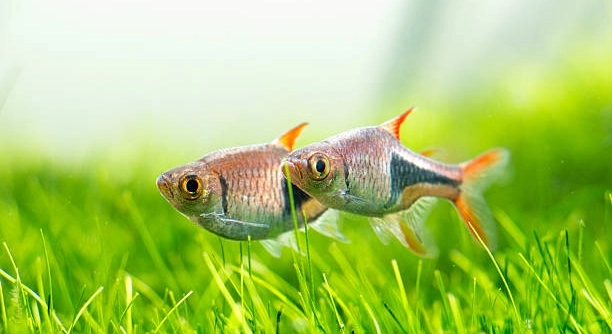
Rasboras are small, social fish that often fill the corners of home aquariums. They move gracefully in groups, creating a lively environment that can be both calming and visually appealing for any tank owner.
Rasboras can form consistent interactions with specific tank mates, showing recognition and preference over time. These behaviors suggest a form of loyalty, as they often swim together, share space peacefully, and respond more positively to familiar companions.
Understanding these social tendencies helps improve tank harmony and ensures that your fish remain healthy and stress-free in their aquatic environment.
Understanding Rasbora Social Behavior
Rasboras are naturally schooling fish, thriving in groups of five or more. Their behavior in a tank reflects their instincts to stick together for safety and comfort. Observing them closely, you may notice certain individuals swimming more closely with the same companions over time. These preferences indicate that rasboras are capable of recognizing and bonding with specific tank mates. Their social interactions include coordinated swimming, sharing feeding areas, and sometimes displaying protective behaviors. This behavior is more noticeable in calm, stable tanks where stress levels are low and territory is not contested. Introducing new tank mates slowly helps maintain harmony, allowing rasboras to adjust without aggression. Water quality and adequate space also play a key role in fostering these social bonds. Providing hiding spots and open swimming areas encourages natural schooling behavior. Understanding these dynamics is essential for anyone aiming to maintain a peaceful, interactive aquarium where each fish feels secure and connected.
Rasboras form stronger bonds when they feel safe and unthreatened, showing clear preferences for familiar companions.
Consistent observation helps identify pairings within the school. Some rasboras may follow one or two specific fish, swim together during feeding, or occupy the same regions of the tank. Stress reduction and stable tank conditions reinforce these patterns, highlighting the importance of a well-maintained environment for promoting social harmony.
Encouraging Loyalty Among Tank Mates
Providing a stable environment encourages rasboras to interact consistently with their chosen companions.
Slow introductions and consistent feeding routines allow rasboras to recognize each other, reducing conflict and enhancing group cohesion. Over time, these interactions develop into apparent loyalty, as fish tend to stick with familiar partners during movement and feeding. Maintaining proper water parameters, adequate hiding spaces, and avoiding sudden disturbances ensures that social bonds are not disrupted. Observing these patterns can be rewarding, as it shows how sensitive rasboras are to their surroundings and companions. With patience and careful tank management, these small fish can demonstrate predictable social preferences, improving the overall experience of keeping a peaceful, interactive aquarium.
Signs Rasboras Show Loyalty
Loyalty in rasboras appears as consistent swimming patterns with certain tank mates. They may stay close to the same companions, feed together, or respond to each other’s movements more readily than to unfamiliar fish.
Observing these behaviors requires patience. Over several days or weeks, some rasboras develop preferred partners within the school. They often follow each other, synchronize swimming, and even share hiding spots. These repeated interactions suggest recognition and comfort with specific tank mates. Stress, overcrowding, or sudden changes can disrupt this behavior, so maintaining a calm, stable tank is essential. Proper nutrition, water quality, and gentle handling all support the development of these social bonds.
Some rasboras may display protective behavior toward their preferred companions, such as swimming between them and perceived threats. This further highlights the depth of their social connections. Understanding these dynamics allows you to foster a more harmonious environment and ensures the fish remain healthy, stress-free, and content.
Supporting Social Bonds
Consistent routines help rasboras form and maintain bonds with chosen companions. Feeding schedules, gradual tank additions, and minimal disturbances encourage predictable interactions.
Water parameters play a critical role in social stability. Clear, well-maintained water reduces stress, allowing fish to focus on companionship rather than survival. Providing ample swimming space and plants or decorations for hiding creates a secure environment, which reinforces these social connections. Regular observation helps identify compatible pairings and monitor stress indicators. When tank mates show repeated cooperative behavior, it signals growing loyalty. Maintaining consistency ensures that these bonds strengthen over time, contributing to a peaceful and cohesive aquarium where each fish feels secure and engaged.
Common Tank Dynamics
Rasboras often establish small groups within larger schools, showing preference for certain companions. These mini-groups form naturally as fish interact and recognize each other over time.
Stressful conditions, like overcrowding or aggressive tank mates, can disrupt these bonds. Calm environments encourage stable interactions and predictable swimming patterns.
Feeding and Loyalty
Rasboras frequently eat alongside their chosen companions, showing synchronized movements and shared access to food. This behavior reinforces social bonds and strengthens familiarity. When a new fish is introduced, existing groups may temporarily avoid it, highlighting their preference for recognized companions. Over time, careful management allows these social patterns to stabilize, improving overall tank harmony.
Maintaining Stable Groups
Monitoring interactions and minimizing disturbances helps rasboras maintain their preferred pairings. Consistency in tank care supports these small social networks.
FAQ
Can Rasboras really recognize individual tank mates?
Yes, rasboras can recognize individual companions over time. They show preference by swimming closely with familiar fish, sharing feeding spots, and following the same individuals during movement. Recognition develops gradually, especially in calm, stress-free tanks. Repeated interactions strengthen these bonds, making some fish more connected than others.
How can I tell which Rasboras are bonded?
Bonded rasboras often swim side by side, coordinate movements, and occupy similar areas in the tank. During feeding, they may eat together and avoid aggressive interactions with each other. Observation over several days or weeks is necessary to notice these patterns clearly.
Do Rasboras ever switch preferred tank mates?
Yes, preferences can change, particularly if tank conditions shift. Stress, illness, or the introduction of new fish may cause rasboras to seek different companions. Maintaining a stable environment and proper care encourages long-term social bonds, though some changes are natural.
Does tank size affect loyalty?
Tank size plays a significant role in social interactions. Smaller tanks can cause crowding and stress, disrupting established bonds. Larger tanks provide space for comfortable swimming, hiding, and social organization, supporting more stable relationships between companions. Proper tank design is essential for encouraging loyalty.
How does feeding routine impact social behavior?
Consistent feeding schedules reinforce predictable behavior and help bonded fish coordinate. When food is regularly available, rasboras feel secure, allowing social interactions to remain stable. Sudden changes or inconsistent feeding can increase competition and stress, temporarily weakening established bonds.
Can aggressive fish break Rasbora bonds?
Yes, aggressive or territorial tank mates can disrupt social groups. Rasboras may scatter or avoid preferred companions to escape harassment. Choosing peaceful tank mates and monitoring interactions ensures the maintenance of stable pairings and reduces stress for all fish.
Do hiding spots influence loyalty?
Hiding spots help rasboras feel secure, which strengthens social bonds. Fish often share these areas with preferred companions, reinforcing recognition and comfort. Lack of sufficient cover can increase stress, causing fish to disperse and weakening established relationships within the school.
How long does it take for bonds to form?
Bonds can form within a few weeks under stable conditions, but full social preferences may take longer. Regular observation and consistent tank maintenance help you recognize these connections. Patience is key, as rushed introductions or changes can delay or disrupt bonding.
Can Rasboras form bonds with different species?
Rasboras primarily bond with their own kind but may show peaceful interactions with compatible species. Shared swimming or feeding behavior can occur, but loyalty is usually strongest among their own school. Careful selection of tank mates encourages harmony without forcing unnatural relationships.
What are signs of stress that affect social bonds?
Stress indicators include erratic swimming, hiding, loss of appetite, and chasing. Stress disrupts social cohesion, causing bonded fish to separate or avoid interactions. Maintaining clean water, stable temperature, and peaceful tank mates helps reduce stress and supports healthy social behavior.
Can I encourage Rasboras to bond faster?
Yes, slow introductions, consistent care, and minimal disturbances encourage faster bonding. Providing adequate space, hiding areas, and regular feeding routines helps fish feel secure, allowing recognition and social preferences to develop more quickly.
Are there differences between species in forming loyalty?
Yes, some rasbora species are more social or territorial than others. Species like Harlequin Rasboras tend to form strong school bonds, while others may be less selective in companionship. Knowing your species’ behavior helps manage tank dynamics effectively.
Does water quality impact social interactions?
Absolutely. Poor water conditions cause stress, which can break social bonds. Clean, stable water with proper temperature, pH, and filtration allows rasboras to focus on social interactions rather than survival, supporting loyalty and peaceful schooling behavior.
How many Rasboras should be kept together to encourage loyalty?
A minimum group of five to six fish is recommended. Smaller numbers can cause stress or lack of interaction, reducing opportunities for bonds to form. Larger groups allow natural social hierarchies and consistent companionship, which enhances loyalty over time.
Can bonded Rasboras survive alone?
While they may survive alone, bonded rasboras thrive in groups. Isolation increases stress and reduces natural social behavior. If a bonded companion is removed, remaining fish may show signs of anxiety and altered swimming patterns, highlighting the importance of maintaining compatible group sizes.
How does age affect loyalty?
Younger fish may form bonds more easily as they adapt to tank mates, while older fish can be more set in their preferences. Introducing new companions to older fish requires patience and gradual acclimation to maintain stable social bonds.
Can Rasboras forget their bonds?
Yes, if tank conditions change drastically or a bonded fish is removed for an extended period, rasboras may lose recognition and adjust to new companions. Consistency and stable environments are key to maintaining long-term loyalty.
Does temperature play a role in social behavior?
Temperature affects metabolism and activity levels, indirectly influencing social interactions. Stable, species-appropriate temperatures promote calm, coordinated swimming and feeding patterns, which help bonded fish maintain their relationships. Sudden fluctuations can cause stress and disrupt social cohesion.
Is observing loyalty beneficial for tank management?
Yes, recognizing bonded pairs helps with feeding, tank arrangement, and introducing new fish. Understanding social dynamics reduces stress, prevents aggression, and allows for a more peaceful, well-organized aquarium where each fish feels secure and supported.
How do I handle new introductions without breaking bonds?
Introduce new fish gradually using separation methods like breeding nets or temporary barriers. Allow established pairs to acclimate to newcomers slowly, maintaining routine care and feeding. This approach minimizes stress and preserves existing social bonds while integrating new companions.
Can bonded Rasboras influence other fish’s behavior?
Yes, bonded Rasboras can set a calm, coordinated example for other peaceful species. Their stable interactions encourage cooperative swimming and feeding behaviors, reducing overall tank stress. Maintaining harmony among bonded pairs positively impacts the entire aquarium environment.
Do Rasboras require observation to maintain loyalty?
Regular observation ensures that bonds remain healthy. Spotting stress signs, aggression, or illness allows timely interventions. Observing interactions helps identify compatible pairings and prevents disruptions, supporting long-term loyalty and overall tank harmony.
Can changes in tank décor affect bonds?
Yes, rearranging plants, rocks, or hiding spots can temporarily disrupt social patterns. Fish may explore new spaces or separate from companions. Gradual changes and careful planning minimize stress, allowing bonded fish to re-establish their connections efficiently.
What are the long-term benefits of recognizing loyalty in Rasboras?
Understanding loyalty helps maintain a peaceful, interactive tank. Bonded fish experience less stress, show natural behavior, and improve overall tank dynamics. Recognizing these patterns allows you to manage introductions, feeding, and tank layout effectively, ensuring a healthy environment for all companions.
How do I encourage older Rasboras to bond with newcomers?
Introduce newcomers slowly and maintain stable conditions. Gradually reduce barriers while keeping consistent routines. Older Rasboras may take time to recognize and accept new companions, but patience, calm handling, and adequate space increase the likelihood of successful social integration.
Can bonded Rasboras survive stress better?
Bonded fish often handle minor stress more effectively because familiarity provides comfort and reassurance. Being close to preferred companions reduces anxiety during routine disturbances, feeding, or minor environmental changes. Strong bonds contribute to overall resilience and health.
How does tank lighting affect social behavior?
Moderate lighting supports normal activity and calm interactions. Excessive brightness can stress fish, causing them to scatter and avoid companions. Consistent, gentle lighting promotes stable swimming patterns, allowing bonded Rasboras to maintain predictable interactions.
Are there signs that bonds are weakening?
Fish avoiding previous companions, irregular swimming, or increased hiding can indicate weakened bonds. Stress, illness, or changes in tank conditions often cause this. Addressing the underlying issue and maintaining stability helps restore social connections.
Can Rasboras bond with other schooling species?
Yes, if species are peaceful and similar in size. They may swim together and coordinate feeding behavior, though loyalty is typically stronger within their own school. Careful selection and observation ensure harmony without forcing unnatural pairings.
Does diet affect social behavior?
Balanced nutrition keeps fish healthy and calm, supporting consistent social interactions. Poor or irregular feeding can increase competition, disrupt bonds, and elevate stress levels. Feeding quality food regularly helps maintain natural companionship patterns and loyalty.
What is the best way to monitor bonds daily?
Observe swimming patterns, feeding behavior, and preferred companions for a few minutes each day. Note any changes in proximity or coordination, and ensure tank conditions remain stable. Daily monitoring allows for early detection of stress or bond disruption.
How long can bonded pairs maintain loyalty?
With consistent care and stable conditions, bonded pairs can maintain loyalty for years. Changes in tank dynamics or health issues may temporarily alter interactions, but careful management preserves long-term social connections.
Are there behavioral differences between males and females?
Males may display more territorial tendencies, while females often maintain consistent schooling behavior. Recognizing these differences helps predict interactions and manage group harmony, ensuring all fish remain comfortable and bonded with preferred companions.
Does water flow affect social behavior?
Moderate flow encourages natural swimming and coordination, supporting social interactions. Strong currents can separate companions and increase stress, while stagnant water may reduce activity. Proper flow maintains a comfortable environment for bonded pairs.
How do I prevent bond disruption during tank maintenance?
Perform maintenance gently, keeping routines consistent. Avoid sudden water changes, overhandling, or rearranging décor drastically. Small, gradual adjustments help preserve established social bonds and minimize stress for all fish.
Can bonded Rasboras coexist with aggressive species?
Aggressive tank mates can disrupt bonds, causing scattering or hiding. Keeping Rasboras with peaceful species reduces stress, allowing established bonds to remain intact and interactions predictable. Careful planning of tank mates is essential for maintaining harmony.
Do seasonal changes affect loyalty?
Temperature, lighting, and routine shifts may influence behavior. Stable conditions minimize the impact of seasonal changes, helping bonded Rasboras maintain familiar patterns. Sudden environmental changes should be avoided to preserve social cohesion.
Can bonded Rasboras influence newcomers positively?
Yes, calm, bonded pairs often help newcomers integrate by providing a stable example of swimming and feeding patterns. New fish observe interactions, which can reduce stress and facilitate gradual acceptance.
Is it normal for Rasboras to form multiple bonds?
Yes, fish may bond with more than one companion, creating small subgroups within the school. These mini-networks provide comfort and coordination, enhancing overall social stability. Proper monitoring ensures these multiple bonds remain harmonious.
Do temperature fluctuations break bonds permanently?
Temporary fluctuations may disrupt swimming patterns and social interactions, but bonds usually recover once conditions stabilize. Maintaining consistent temperature reduces stress and supports long-term loyalty.
How important is observation during feeding?
Watching feeding behavior helps identify bonded pairs and detect stress. Coordinated eating indicates strong social bonds, while competition or avoidance may signal disruption. Observation informs management decisions for maintaining harmony.
Can bonded Rasboras influence tank cleanliness habits indirectly?
While they don’t clean the tank, calm, bonded fish reduce stress-related waste and overactive swimming, contributing to stable conditions. Less agitation means filtration systems work more efficiently, supporting overall tank health.
How can I tell if a bond is forming?
Look for repeated proximity, coordinated swimming, and shared feeding areas. Fish that consistently interact and avoid aggression with each other are likely forming a bond. Consistency over time confirms recognition and comfort.
Does age of tank mates influence bonding?
Younger, adaptable fish bond more quickly, while older fish may take longer to accept companions. Gradual introductions and consistent care help older fish integrate, preserving existing social structures.
Are some Rasboras naturally more loyal than others?
Yes, individual temperament affects social behavior. Some are more selective, preferring specific companions, while others are less discerning. Recognizing these differences helps manage tank dynamics effectively.
Does light cycle affect bonds?
Consistent day-night cycles support regular activity, feeding, and schooling patterns. Disrupted cycles can stress fish, temporarily weakening bonds. Maintaining predictable lighting helps preserve social behavior.
Can illness break bonds?
Sick fish may isolate themselves or be avoided by companions, temporarily disrupting interactions. Prompt care and isolation when necessary prevent prolonged stress and support recovery while minimizing impact on social dynamics.
How do I reintroduce separated Rasboras?
Gradually acclimate them using barriers or slow release into the tank. Maintain routines and calm conditions. Over time, familiarity and recognition restore bonds without triggering aggression.
Is it normal for bonds to fluctuate?
Yes, minor changes in companions, environment, or stress can temporarily alter interactions. Stable conditions and consistent care help restore regular patterns and maintain loyalty over time.
How important is tank décor consistency?
Consistent layout reduces stress and supports stable social behavior. Drastic rearrangements can cause temporary separation, but gradual adjustments allow bonds to reform efficiently.
Can water chemistry changes affect loyalty?
Yes, sudden shifts in pH, hardness, or other parameters can stress fish and disrupt bonds. Stable, suitable water chemistry supports predictable social interactions and long-term loyalty.
Does tank population density matter?
Overcrowding increases competition and stress, weakening bonds. Adequate space allows natural schooling behavior and stable pairings. Maintaining proper population density ensures social harmony and predictable interactions.
Can bonded Rasboras help reduce aggression in the tank?
Yes, calm, bonded pairs model peaceful behavior and reduce overall tension. Observing established bonds can encourage other fish to follow predictable patterns, improving harmony and reducing conflict.
How do I monitor long-term loyalty?
Track interactions, feeding patterns, and swimming proximity over weeks. Consistent observation helps detect changes in social dynamics and ensures the maintenance of healthy, stable bonds.
Are some tank setups better for bonding?
Tanks with open swimming space, hiding spots, moderate flow, and stable lighting encourage interaction. Proper setup reduces stress and supports recognition, allowing loyal pairings to thrive naturally.
How do Rasboras respond to temporary isolation?
Temporary separation may cause mild stress, but fish usually resume normal interactions once reunited. Gradual reintroduction and calm conditions help maintain bonds without long-term disruption.
Can water temperature changes impact feeding coordination?
Yes, fluctuations affect metabolism and activity, altering feeding behavior. Stable temperature ensures synchronized eating, reinforcing social bonds and maintaining calm interactions during feeding times.
Does Rasbora size influence loyalty?
Fish of similar size tend to bond more easily. Large size differences can lead to competition or avoidance. Selecting compatible sizes promotes smoother interactions and stronger bonds.
Are bonded Rasboras more resilient to environmental changes?
Yes, familiar companions provide comfort, reducing stress responses to minor disturbances. Loyalty among fish supports calmer behavior, helping the group adapt more easily to changes.
Can bonds form between Rasboras of different ages?
Yes, but patience is required. Younger fish may approach older companions cautiously. Gradual acclimation and consistent care foster recognition and eventual interaction without conflict.
Do Rasboras bond more in planted tanks?
Planted tanks offer hiding spots and secure areas, reducing stress and encouraging consistent social behavior. Fish feel safer, which strengthens bonds and supports predictable interactions.
Can bonded Rasboras influence spawning behavior?
While bonding doesn’t guarantee spawning, stable social relationships reduce stress, which can improve reproductive success. Calm, familiar companions create a supportive environment for natural breeding behaviors.
How do I prevent bond disruption during water changes?
Perform water changes gradually, maintain routines, and minimize disturbances. Stable care prevents stress and helps preserve social connections, ensuring bonded fish remain comfortable and engaged.
Are bonds stronger in certain Rasbora species?
Yes, species like Harlequin Rasboras show strong school cohesion and preference for companions, while others may be less selective. Understanding species traits helps anticipate social behavior.
Does diet variety affect bonds?
Balanced, varied diets keep fish healthy and calm, supporting regular social interactions. Poor nutrition increases competition and stress, which can weaken established bonds. Consistent feeding reinforces loyalty and coordinated behavior.
Can Rasboras show loyalty outside the tank?
Behavior is limited to their environment, but within the tank, loyal interactions are clear. Recognized companions receive attention, coordinated swimming, and shared feeding, reflecting their social preferences.
How long should observation continue to confirm bonds?
Several weeks of consistent monitoring are usually sufficient. Patterns like coordinated swimming, feeding together, and proximity confirm loyalty and help maintain stable social networks.
Do Rasboras remember past companions?
Yes, familiarity persists over time if conditions remain stable. Removing and later reintroducing companions often results in recognition, though extended separation may weaken the bond.
Can tank lighting changes temporarily disrupt loyalty?
Sudden shifts in brightness can stress fish, causing temporary separation. Returning to consistent lighting restores normal interactions and helps maintain bonds efficiently.
How does filtration affect social behavior?
Moderate, stable filtration provides clean water without strong currents. Excessive flow can separate companions and stress fish, while calm conditions allow bonded pairs to interact predictably.
Do Rasboras bond differently when young versus adult?
Young fish are more flexible, forming new bonds quickly. Adults have established preferences and may take longer to accept changes or newcomers, requiring careful management to maintain harmony.
Can bonded Rasboras influence newcomer aggression?
Yes, calm pairs reduce tension by modeling peaceful behavior. New fish may follow their example, easing integration and promoting social stability throughout the tank.
Are bonded pairs more active or calmer?
They often appear calmer, swimming in coordinated patterns and feeding together. This behavior reduces stress and contributes to a stable, harmonious tank environment.
Can environmental enrichment support loyalty?
Yes, plants, hiding spots, and open swimming areas encourage natural behaviors. Enriched environments allow Rasboras to interact comfortably with preferred companions, reinforcing bonds and social cohesion.
How do I know if loyalty is temporary?
Temporary bonds may show inconsistent swimming patterns or avoidance. Observing interactions over weeks helps determine if connections are stable or short-lived, guiding tank management decisions.
Can bonded Rasboras help reduce stress in the tank?
Yes, familiar companions provide comfort and reassurance. Bonds promote calm swimming, coordinated feeding, and less erratic behavior, benefiting all fish in the aquarium.
How often should tank conditions be checked to maintain loyalty?
Daily observation of water quality, temperature, and fish behavior ensures stability. Maintaining consistent conditions supports social interactions and long-term loyalty among Rasboras.
Do bonded Rasboras respond differently to human presence?
They may swim confidently or remain close to familiar companions when humans approach. Recognition of their environment and companions reduces anxiety, allowing natural behavior to continue.
Can bonded Rasboras adapt if one companion is removed permanently?
Yes, fish often adjust by forming new bonds or strengthening existing ones. Gradual changes help minimize stress and maintain stable social dynamics.
How important is tank consistency for long-term loyalty?
Consistency in
Rasboras are small fish that bring life and movement to any aquarium. Their social nature makes them fascinating to observe, especially when they form connections with certain tank mates. Over time, you can notice patterns in their behavior, such as swimming closely with the same companions, sharing feeding spaces, and coordinating movements during activity. These behaviors suggest that rasboras are not just random swimmers but capable of recognizing and bonding with specific fish. Understanding these natural tendencies can help maintain a peaceful tank environment. Observing their interactions allows you to appreciate the complexity of their social behavior while ensuring that all fish remain comfortable and stress-free.
Maintaining loyalty among tank mates requires consistent care and attention. Providing a stable environment with proper water quality, temperature, and space reduces stress and supports natural social interactions. Slow introductions of new fish, gentle handling, and regular feeding routines also contribute to a sense of security. Hiding spots and open swimming areas encourage comfortable exploration while allowing bonded fish to maintain proximity to their preferred companions. Stressful conditions, such as overcrowding or aggressive tank mates, can disrupt social bonds, so it is important to monitor the aquarium regularly and address issues promptly. Over time, patience and consistent care help rasboras establish lasting connections with familiar companions, creating a calm and cohesive community in the tank.
Recognizing and supporting loyalty among rasboras benefits both the fish and the tank as a whole. Bonded fish tend to be calmer, more coordinated, and less prone to stress-related behavior, which improves overall harmony. Understanding their social dynamics allows you to make better decisions when introducing new fish, adjusting tank décor, or maintaining feeding routines. Even small changes in environment, lighting, or water parameters can influence their interactions, so consistent observation is important. By creating a secure, stable, and thoughtfully arranged aquarium, you allow rasboras to form and maintain meaningful social connections. Appreciating these interactions enhances the experience of keeping these fish while promoting their long-term health and well-being, ensuring a balanced and engaging aquarium environment.

Hello,
If you enjoy the content that we create, please consider saying a "Thank You!" by leaving a tip.
Every little bit helps us continue crafting quality advice that supports the health, happiness, and well-being of pets around the world, for pets of all shapes, sizes, and species.
We really appreciate the kindness and support that you show us!