
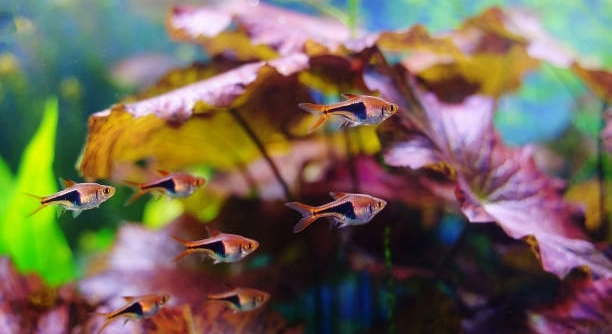
Rasboras are small, lively fish that brighten home aquariums with their movements and colors. Observing their behavior can be relaxing, especially when noticing subtle changes after routine activities like feeding. Their daily patterns are often predictable yet interesting.
After a meal, rasboras generally show reduced activity and slower swimming patterns. Their digestion requires energy, leading them to gather in calmer areas of the tank and exhibit less exploratory or social behavior than before feeding.
Understanding these shifts helps maintain a healthy environment and ensures your fish remain comfortable and stress-free throughout the day.
How Feeding Affects Rasboras’ Activity
After feeding, rasboras usually slow down and gather in calmer parts of the tank. Their energy focuses on digesting food rather than swimming actively or interacting with other fish. This reduced activity is natural and shows that their bodies are processing the nutrients properly. Over time, patterns emerge that allow aquarists to anticipate these calmer periods. Observing them closely after meals can help identify if their behavior is typical or if something may be affecting their health. In addition, the type of food given impacts how long they remain less active. Light, easily digestible foods result in shorter resting times, while heavier meals may cause longer periods of inactivity. Water temperature also plays a role, as warmer conditions can speed up metabolism, making digestion quicker, while cooler water slows it down. Understanding these factors ensures the fish remain healthy and content.
Digestive rest after meals is common. It is part of normal metabolism and indicates proper feeding and overall well-being.
Monitoring behavior after feeding allows you to adjust feeding schedules and portions. Small changes in diet or timing can improve energy levels and promote healthier interactions within the tank. Consistency helps rasboras develop predictable activity patterns, making it easier to maintain a balanced environment.
Signs of Digestive Comfort and Stress
Rasboras that are comfortable post-meal often swim slowly, hover mid-water, and sometimes nibble on substrate or plants. Their fins remain relaxed, and they maintain smooth, calm movements without sudden darting or erratic behavior.
Stress may show as rapid swimming, hiding excessively, or rubbing against tank surfaces. Overfeeding can lead to bloating, lethargy, or loss of appetite. Monitoring their behavior carefully after each meal helps identify early signs of digestive problems or environmental stressors. Correcting feeding amounts, improving water quality, or providing appropriate hiding spaces can restore balance. Observing these subtle cues ensures that rasboras remain healthy and active when ready. Adjusting feeding routines based on their responses helps maintain energy levels while preventing digestive strain. Over time, you can identify which foods and schedules work best for your fish. Careful attention to their post-meal behavior also aids in detecting illnesses early, ensuring the tank remains a safe and stable environment. Consistent observation reinforces a healthy routine and promotes longer, happier lives for rasboras.
Observing Social Behavior After Feeding
Rasboras often reduce social interactions after eating. They may scatter slightly or stay in small groups, focusing on digesting rather than schooling actively. These temporary changes are normal and indicate that their bodies are prioritizing energy for digestion rather than movement or interaction.
Their schooling behavior slows down as digestion begins. Normally energetic fish may linger near plants or decorations, displaying minimal movement. This period of reduced activity allows them to process nutrients efficiently. It is important to note that this does not mean they are unwell. Observing the timing and duration of these calmer moments can provide insight into their overall health. Food type, water temperature, and tank environment all influence how long they remain less active. By monitoring these patterns, you can maintain a comfortable and stable habitat for your rasboras, ensuring they resume normal social behavior afterward.
Some rasboras may still interact lightly, gently brushing against each other or nibbling near tank surfaces. These small interactions indicate comfort and a relaxed state, showing that digestion is progressing without stress. Adjusting feeding portions to prevent overfeeding ensures that social behavior returns smoothly once digestion is complete. Maintaining a regular routine helps fish anticipate feeding and post-meal rest, reducing sudden bursts of energy or agitation. This balance contributes to a harmonious tank environment, where each fish feels secure and healthy. Observing these subtle interactions provides valuable information about the overall well-being of the group.
Environmental Influence on Post-Meal Behavior
Tank temperature, lighting, and decor directly affect rasboras after meals. Cooler water slows digestion, while warmer water may shorten resting periods. Proper lighting and hiding spots reduce stress during these calmer times.
A balanced environment helps rasboras adjust naturally after feeding. Excessive light or sudden disturbances can trigger unnecessary movement or stress. Maintaining stable water parameters, such as pH, hardness, and cleanliness, supports efficient digestion and reduces erratic behavior. Adequate plants and decorations give fish space to rest safely and return to normal schooling once they are ready. Changes in temperature or water quality may prolong inactivity or trigger unusual behavior. By observing how environmental factors influence post-meal behavior, you can fine-tune conditions to support their health. These adjustments enhance their comfort, energy management, and overall quality of life, ensuring a more predictable and stable routine within the tank.
Feeding Frequency and Activity
Rasboras’ activity levels after meals are influenced by how often they are fed. Smaller, more frequent meals allow for steady energy levels and shorter resting periods, while large, infrequent meals can lead to prolonged inactivity as digestion takes more energy.
Overfeeding can overwhelm their digestive system, causing bloating and slower movements. Consistent portion control helps maintain normal swimming patterns and encourages natural social behavior. Observing how long they remain calm after each meal can guide adjustments in feeding schedules to keep them healthy and active.
Impact of Food Type
Different foods affect digestion and activity. Flake foods are easy to digest, while frozen or live foods may require more energy to process, temporarily slowing movement.
Monitoring Individual Behavior
Some rasboras digest faster than others, showing slight variations in post-meal activity. Tracking individual responses ensures each fish remains healthy and comfortable.
FAQ
Why do my rasboras swim less after eating?
After meals, rasboras focus their energy on digestion, which naturally slows their movement. Reduced activity is normal and shows that their body is processing nutrients efficiently. It is temporary and usually lasts until digestion is complete, depending on meal size and type of food.
How long should rasboras stay calm after a meal?
The resting period typically ranges from 20 to 60 minutes, but it can vary depending on water temperature, tank conditions, and the type of food provided. Lighter meals may result in shorter rest, while heavier foods or larger portions can extend calm behavior.
Is it normal for some rasboras to remain more active than others after feeding?
Yes, individual differences in metabolism and digestion can cause some rasboras to swim more actively even after a meal. Observing each fish helps ensure that all are healthy and adjusting feeding portions can accommodate these differences.
Can overfeeding affect post-meal behavior?
Overfeeding can lead to bloating, lethargy, and extended periods of inactivity. It may also cause digestive issues or stress, impacting swimming patterns and social behavior. Maintaining consistent, appropriate portions prevents these problems and encourages balanced activity after feeding.
Do different types of food change their behavior?
Yes. Flake foods digest quickly, leading to shorter calm periods. Frozen or live foods require more energy to process, often resulting in longer resting phases. Observation of responses to each type of food helps in selecting the best diet for your tank.
Does water temperature influence their post-meal activity?
Water temperature directly affects metabolism. Warmer water speeds up digestion, shortening resting periods, while cooler water slows it down, extending periods of reduced activity. Maintaining stable and appropriate temperature ensures consistent post-meal behavior.
Should I adjust lighting after feeding?
Bright lighting can stress rasboras during digestion, causing unnecessary movement. Dim or natural lighting helps them rest calmly. Providing shaded areas or plants allows them to feel secure while processing food.
How can I tell if post-meal behavior indicates a problem?
Signs such as prolonged inactivity beyond normal digestion time, erratic swimming, bloating, or refusal to eat during the next feeding may indicate digestive issues or illness. Monitoring changes and adjusting feeding or tank conditions can prevent further problems.
Do tank decorations affect post-meal behavior?
Yes. Plants, rocks, and hiding spots give rasboras safe areas to rest after eating. Open, sparse tanks may cause stress or unusual movement as fish seek security. Properly arranged decorations help them digest calmly and maintain natural behavior.
Is it important to track post-meal behavior regularly?
Consistent observation allows you to detect patterns, identify health issues early, and adjust feeding routines. Tracking behavior ensures each fish receives proper care, maintains energy levels, and promotes a stable, harmonious tank environment.
Can feeding schedule influence social interactions?
Regular feeding schedules help rasboras predict meal times, reducing stress and sudden bursts of activity. Consistent routines support natural schooling behavior and improve interactions once digestion is complete. Irregular feeding may lead to more erratic movement and temporary social disruption.
What adjustments can I make if some rasboras remain inactive too long?
Check portion sizes, water temperature, and diet type. Reducing food quantity, switching to lighter meals, or slightly warming the water can help restore normal activity. Observing individual fish responses ensures balanced recovery and maintains overall tank harmony.
Does the size of the tank affect post-meal behavior?
Larger tanks allow more space for calm resting without crowding, while smaller tanks may limit movement and increase stress. Proper space helps fish digest comfortably and return to normal swimming patterns faster.
Can stress impact digestion in rasboras?
Yes. Stress from sudden movements, loud noises, or tank disturbances can prolong resting periods or cause erratic behavior. A stable, quiet environment ensures smooth digestion and helps rasboras maintain natural activity levels.
How do I know if my feeding routine is optimal?
Healthy rasboras show moderate activity before and after meals, return to schooling behavior promptly, and maintain consistent energy levels. Observing behavior patterns over time allows fine-tuning of meal size, frequency, and food type for optimal health and comfort.
Are there signs that indicate the food type is unsuitable?
Symptoms like slow recovery after eating, bloating, or prolonged inactivity suggest the diet may be too heavy or hard to digest. Switching to lighter, easier-to-digest foods often restores normal activity and post-meal behavior.
Do juvenile rasboras behave differently after feeding?
Younger fish may digest faster or slower depending on growth rate and metabolism. They might remain more active than adults but still require calmer periods. Observing juveniles ensures they receive proper nutrition without overfeeding or stress.
Is fasting occasionally beneficial for rasboras?
Skipping one small meal occasionally can prevent overfeeding and support digestion. It also helps monitor natural activity levels and ensures fish remain healthy without prolonged inactivity or bloating.
How does water quality impact post-meal behavior?
Poor water quality can slow digestion, stress fish, and cause unusual activity. Maintaining clean water, stable pH, and proper filtration supports normal behavior and healthy recovery after each meal.
Can post-meal inactivity be mistaken for illness?
Temporary calm behavior is normal. Illness is suspected if inactivity persists beyond usual digestion, combined with visible symptoms such as bloating, discoloration, or erratic swimming. Observing patterns and tank conditions helps distinguish normal rest from health issues.
What role does observation play in maintaining healthy rasboras?
Regular monitoring of post-meal activity provides insight into digestion, health, and comfort. It allows for timely adjustments in feeding, tank setup, or water conditions, ensuring rasboras remain active, social, and thriving.
How can I encourage normal post-meal behavior?
Maintaining proper portion sizes, consistent feeding schedules, stable water conditions, and safe resting areas ensures rasboras recover comfortably after meals. Balanced diet and environment encourage natural activity, social interaction, and overall well-being.
Does group size affect post-meal behavior?
Smaller groups may show quicker recovery and more uniform activity, while larger groups can have varying post-meal behaviors due to competition or space. Observing group dynamics ensures each fish has access to food and calm resting spots, promoting harmony.
How do I adapt feeding routines for multiple fish species?
Different species may digest at different rates. Offering appropriate portions and types of food, and observing behavior individually, ensures all fish receive proper nutrition and post-meal rest without stress or conflict.
Is it necessary to track post-meal behavior over time?
Yes. Consistent tracking reveals patterns, helps detect health issues early, and allows optimization of feeding routines. Long-term observation promotes a balanced tank where fish remain healthy, active, and comfortable after meals.
How can I make post-meal periods more comfortable?
Provide hiding spots, maintain stable water parameters, and avoid sudden disturbances. These measures reduce stress, support digestion, and ensure fish resume normal activity safely and naturally.
What are the signs that my feeding routine needs adjustment?
Prolonged inactivity, bloating, loss of appetite, or irregular social behavior indicate a need to review portion sizes, frequency, or diet type. Making small, gradual changes restores normal post-meal activity and overall health.
Can temperature fluctuations cause unusual post-meal behavior?
Sudden changes in water temperature can stress rasboras and slow digestion. Maintaining a stable, species-appropriate temperature ensures predictable post-meal behavior and supports metabolic efficiency.
Do older rasboras behave differently after meals?
Older fish may digest more slowly, resulting in longer resting periods. Monitoring their activity helps adjust feeding schedules and portions to meet their changing metabolic needs without causing stress.
Are there tools to help monitor post-meal behavior?
Simple observation, video recording, or note-taking can track activity patterns. These methods help identify deviations, optimize feeding routines, and ensure the tank remains a healthy, comfortable environment for all rasboras.
How do I balance feeding for multiple rasboras?
Distribute food evenly, monitor individual consumption, and adjust portions to prevent overfeeding or underfeeding. Balanced feeding maintains normal post-meal activity and minimizes stress within the group.
Can irregular feeding cause permanent behavior changes?
Occasional irregularities are manageable, but consistent inconsistency may lead to stress, erratic swimming, and disrupted social patterns. Maintaining a predictable routine ensures rasboras retain normal post-meal behavior and energy levels.
How do I know if my tank setup supports healthy post-meal behavior?
Observation of calm resting, prompt return to schooling, and minimal stress signals a well-designed environment. Adequate space, hiding spots, proper lighting, and stable water parameters all contribute to healthy post-meal activity.
Is it normal for some rasboras to eat more slowly than others?
Yes. Individual appetites and metabolism vary. Monitoring each fish ensures everyone receives sufficient nutrition without overfeeding, supporting healthy digestion and post-meal behavior.
How important is portion control?
Portion control prevents overfeeding, bloating, and prolonged inactivity. Proper portions allow digestion to proceed efficiently, maintaining energy levels and normal swimming and social behavior after meals.
Can feeding schedule affect sleep patterns?
Yes. Regular feeding promotes predictable activity and rest periods. Irregular schedules may cause stress, delayed digestion, or altered swimming patterns, impacting overall health and comfort.
What signs indicate my rasboras are comfortable after meals?
Calm swimming, gentle nibbling, relaxed fins, and smooth movements indicate comfort. Fish may hover near plants or decorations and return to schooling once digestion is complete.
How do I know if a diet is balanced?
Healthy post-meal behavior, consistent energy levels, proper growth, and minimal bloating indicate a balanced diet. Adjustments in food type, portion size, or frequency ensure continued comfort and activity.
Can post-meal observation prevent health issues?
Yes. Tracking behavior helps detect early signs of illness, stress, or digestive problems. Timely intervention maintains fish health, prevents long-term issues, and supports a stable, comfortable tank environment.
What should I do if one rasbora consistently shows abnormal post-meal behavior?
Isolate the fish if needed, review feeding amounts and diet type, check water parameters, and monitor closely. Early adjustments can restore normal digestion and activity without affecting the group.
How often should I monitor post-meal behavior?
Daily observation after feeding provides consistent insights into digestion, activity patterns, and health. Even brief monitoring sessions help maintain a stable and comfortable tank environment for all rasboras.
Are resting areas necessary for post-meal comfort?
Yes. Plants, rocks, and shaded areas give fish space to recover after eating, reduce stress, and allow digestion to proceed naturally without disturbances.
Does schooling behavior return immediately after digestion?
Typically, yes. Once digestion is complete, rasboras resume normal swimming and social interactions. Minor delays may occur depending on meal size, water temperature, or individual differences, but routine behavior usually restores quickly.
Can water flow affect post-meal activity?
Strong currents may stress resting fish, slowing digestion or causing unnecessary movement. Moderate, consistent water flow supports comfort while allowing them to digest without disruption.
What are common mistakes when observing post-meal behavior?
Misinterpreting normal calm periods as illness, overfeeding, or disturbing fish during rest can create stress and unusual activity. Careful, patient observation ensures accurate understanding of behavior and health.
How does tank size influence resting behavior?
Larger tanks allow more space to rest comfortably and reduce stress from overcrowding. Small tanks may limit movement, causing temporary agitation or slower digestion. Appropriate tank size supports predictable post-meal activity.
Can lighting changes disrupt digestion?
Sudden bright light can startle fish, causing unnecessary movement and stress. Consistent, gentle lighting and shaded areas help maintain calm behavior during digestion.
Is it necessary to record post-meal patterns?
Yes. Documenting activity over time reveals trends, highlights potential issues, and informs adjustments to feeding routines, tank setup, or diet to maintain optimal health and comfort.
Do different rasbora species behave differently after meals?
Yes. Species variations in metabolism and temperament influence post-meal activity. Observing individual species ensures appropriate feeding and tank conditions to support natural digestion and behavior.
How can I support natural post-meal behavior in a community tank?
Provide adequate hiding spots, maintain proper water conditions, distribute food evenly, and monitor individual fish. These steps prevent stress, encourage digestion, and promote harmonious interactions after feeding.
Can post-meal behavior indicate long-term health?
Consistent patterns of calm activity, normal schooling, and energy levels reflect good health. Deviations may signal dietary, environmental, or illness-related issues, allowing early intervention to prevent complications.
How do I prevent overfeeding in a group of rasboras?
Measure portions carefully, distribute food evenly, and monitor consumption. Remove excess food promptly to prevent water quality issues and maintain normal post-meal behavior across all fish.
Is it normal for fish to hide more after a meal?
Yes. Seeking shelter after eating is a natural behavior that provides security and reduces stress during digestion. Adequate hiding spots support comfort and calm post-meal behavior.
Do seasonal changes affect post-meal behavior?
Temperature fluctuations or changes in daylight may slightly alter activity and digestion rates. Maintaining stable tank conditions minimizes these effects and ensures predictable post-meal behavior.
What adjustments help maintain consistent post-meal activity?
Stable water parameters, proper lighting, appropriate portion sizes, hiding spaces, and regular feeding schedules create a supportive environment. These measures encourage normal activity, social interactions, and comfort after meals.
How do I know if post-meal inactivity is excessive?
If calm periods extend beyond expected digestion time, accompanied by bloating, unusual swimming, or lack of appetite, it may indicate a problem. Adjust feeding, water conditions, or seek advice to restore normal behavior.
Can feeding at different times affect behavior?
Yes. Irregular feeding can disrupt routine, causing stress and unpredictable post-meal activity. Consistent meal timing helps rasboras anticipate feeding, digest efficiently, and return to normal social behavior promptly.
Do hiding spots improve digestion?
Yes. Secure areas reduce stress, allowing fish to rest and digest comfortably. Plants, rocks, or shaded corners provide protection and support normal post-meal behavior.
How do I manage post-meal behavior in a mixed-species tank?
Observe each species individually, adjust portion sizes, and provide ample hiding spaces. Ensuring all fish have access to food and safe resting areas prevents stress and supports healthy digestion for everyone.
What is the best way to observe post-meal behavior?
Watch quietly for 20–60 minutes after feeding, noting swimming patterns, social interactions, and resting locations. Minimal disturbance ensures accurate understanding of digestion and comfort levels.
Can water quality fluctuations alter post-meal behavior?
Yes. Poor water conditions can slow digestion, cause stress, or trigger unusual activity. Regular monitoring and maintenance help maintain stable behavior and overall health.
How important is consistent monitoring?
Frequent observation allows early detection of issues, fine-tuning of feeding routines, and support of healthy post-meal behavior. It ensures fish remain active, comfortable, and stress-free over time.
Do rasboras show signs of fullness after eating?
Yes. They may slow swimming, hover near the bottom, or seek shelter. Recognizing these signals helps prevent overfeeding and maintains normal behavior.
How can tank layout influence post-meal activity?
Providing plants, rocks, and open swimming areas balances safety and movement. Thoughtful layout allows fish to rest comfortably and resume normal behavior efficiently.
Does water flow impact digestion?
Strong currents can stress resting fish, slowing digestion or causing erratic movement. Gentle, steady flow supports calm post-meal behavior while maintaining proper oxygenation.
Can observation improve long-term feeding routines?
Yes. Tracking activity patterns, digestion times, and social behavior informs adjustments to portions, frequency, and diet type, ensuring rasboras remain healthy and active consistently.
What role does individual behavior play in a group tank?
Monitoring each fish prevents overfeeding, ensures proper nutrition, and supports harmonious interactions. Recognizing individual differences allows targeted care without disturbing group dynamics.
How do I prevent stress during post-meal periods?
Avoid sudden movements, maintain stable water conditions, provide hiding spots, and ensure adequate space. These steps promote comfort and smooth digestion for all fish.
Can post-meal observation help detect illness early?
Yes. Deviations from normal behavior, prolonged inactivity, bloating, or erratic swimming can signal digestive or health issues. Early detection allows timely intervention to maintain fish well-being.
How often should I adjust feeding based on behavior?
Adjust gradually as needed based on activity levels, digestion time, and overall health. Frequent observation ensures feeding routines remain optimal without causing stress or overfeeding.
Are some behaviors after feeding more important to track than others?
Yes. Resting duration, swimming patterns, schooling behavior, and appetite provide clear indicators of digestion and health. Tracking these behaviors helps maintain a balanced and comfortable tank environment.
What is the most effective way to ensure healthy post-meal activity?
Combine proper portion sizes, stable water conditions, safe resting areas, regular observation, and consistent feeding schedules. This approach supports digestion, normal activity, and overall well-being of rasboras.
Can stress from tank mates affect digestion?
Yes. Aggressive or overly active tank mates can disrupt calm periods, slow digestion, and cause unusual behavior. Providing sufficient space and hiding spots reduces conflict and promotes healthy post-meal activity.
How do I know if a change in behavior is temporary?
Temporary changes usually correspond to meal type, portion size, or minor environmental shifts. Persistent changes combined with physical symptoms may indicate health issues requiring attention.
Does tank lighting schedule affect behavior?
Consistent lighting supports predictable activity, reduces stress, and allows fish to rest comfortably after meals. Sudden changes can disrupt digestion and normal post-meal patterns.
How do I balance multiple factors affecting post-meal behavior?
Monitor feeding size, frequency, water temperature, lighting, tank layout, and group dynamics. Adjustments based on observation ensure digestion, comfort, and normal activity for all fish.
Can observation help optimize tank layout?
Yes. Noting where fish prefer to rest or gather after meals informs placement of plants, decorations, and hiding spots, improving comfort and reducing stress.
Is it normal for post-meal behavior to vary daily?
Minor variations are expected due to appetite, energy levels, or environmental factors. Significant or persistent changes may indicate stress, illness, or feeding issues requiring attention.
How can I support weaker or slower-digesting fish?
Provide accessible food, adequate resting areas, and monitor closely. Adjusting portions or feeding frequency ensures these fish remain healthy without being outcompeted or stressed.
Does tank size affect group digestion patterns?
Yes. Larger tanks allow
Rasboras are small, active fish that display noticeable changes in behavior after eating. Observing their post-meal activity provides insight into their health, digestion, and overall comfort. After a meal, they often slow down, gather in calmer areas, and show reduced swimming. This behavior is natural and indicates that their energy is focused on processing food. It is important to recognize that these periods of inactivity are temporary and vary depending on meal size, food type, and individual metabolism. Over time, regular observation allows you to understand the typical patterns of your fish and notice any deviations that may signal potential health issues.
Maintaining a stable and well-balanced tank environment is essential for supporting healthy post-meal behavior. Water temperature, cleanliness, pH levels, and proper filtration all contribute to how comfortably rasboras digest their food. Additionally, providing adequate hiding spots, plants, and decorations gives them secure areas to rest while remaining visible for observation. Feeding routines also play a key role. Smaller, consistent meals promote steady energy levels and shorter resting periods, while large, infrequent feedings can lead to extended inactivity or bloating. Monitoring individual behavior, especially in community tanks, ensures that all fish receive the nutrition they need without overfeeding or competition. By paying attention to these factors, you can create an environment that encourages natural digestion and healthy activity patterns.
Understanding post-meal behavior also helps in adjusting feeding practices, tank setup, and environmental conditions to support long-term health. Observing how different foods affect digestion, how water temperature influences activity, and how group dynamics impact behavior allows for informed decisions that improve comfort and well-being. Consistent monitoring helps detect early signs of stress or digestive problems, enabling timely adjustments. Over time, this attention to detail promotes a balanced routine, ensuring that rasboras remain active, social, and comfortable throughout the day. Healthy post-meal behavior reflects proper nutrition, stable conditions, and attentive care, which are all key to maintaining a thriving aquarium.

Hello,
If you enjoy the content that we create, please consider saying a "Thank You!" by leaving a tip.
Every little bit helps us continue crafting quality advice that supports the health, happiness, and well-being of pets around the world, for pets of all shapes, sizes, and species.
We really appreciate the kindness and support that you show us!