
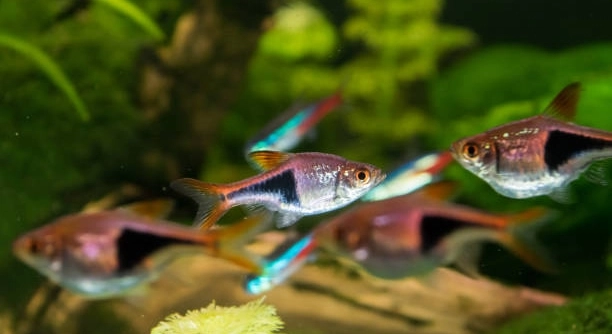
Rasboras are small, peaceful fish that thrive in a well-structured environment. Their natural habitats include densely planted areas with gentle currents, which help them feel safe, active, and socially engaged in their community.
Enhancing a rasbora’s environment involves providing varied plants, hiding spots, swimming space, gentle water flow, compatible tankmates, stimulating decorations, and regular maintenance. Each element supports their physical health, natural behavior, and overall well-being in a controlled aquatic setting.
Creating a vibrant tank can transform your rasboras’ daily experience, encouraging natural behaviors and increasing their overall activity and curiosity.
Add Dense Plant Life
Providing dense plants in a rasbora tank helps mimic their natural environment. They enjoy swimming among tall stems and leafy cover, which gives them a sense of security. Live plants like Java fern, Anubias, and Amazon sword are excellent options. Floating plants also provide shaded areas, reducing stress and creating gentle water flow patterns. Plants can serve as hiding spots for shy individuals and breeding sites for eggs. Artificial plants are an alternative, but live plants contribute to water quality by absorbing nitrates. A mix of tall background plants and shorter foreground plants encourages natural schooling behavior. Plants also offer stimulation through varied textures and shapes, keeping the fish engaged. Maintaining proper light and nutrient levels ensures healthy plant growth, which benefits the fish continuously. A tank with lush vegetation not only looks appealing but also fosters healthier, calmer, and more active rasboras. Regular pruning helps maintain plant density and prevents overcrowding.
Dense planting supports rasboras’ natural instincts, offering both hiding spaces and swimming paths that improve their overall behavior and health.
Creating a layered plant arrangement encourages exploration while maintaining open areas for swimming. Placing tall plants at the back and shorter ones at the front ensures that all fish can move freely. Floating plants reduce light intensity, which keeps the tank calm. Regular trimming prevents plants from overtaking the space, ensuring water circulation remains effective. Combining slow-growing plants with fast growers balances maintenance with visual appeal. Rocks, driftwood, and leaf litter complement the plants, providing texture and additional hiding spots. The presence of live plants can also improve water quality by reducing toxins and absorbing excess nutrients. Observing rasboras interacting with plants reveals their natural schooling and resting behaviors, which makes the tank more engaging to watch. This setup allows the fish to display their full range of activity, from resting among leaves to darting through open areas, creating a dynamic and enriching environment.
Provide Hiding Spots
Rasboras need spaces to retreat and feel secure. Rocks, caves, and small ornaments work well as shelters.
Adding hiding spots helps reduce stress and aggression. It allows timid fish to rest and prevents dominant individuals from controlling the tank space.
Using natural materials like driftwood or hollowed stones creates safe zones where rasboras can hide. Positioning these shelters in different areas of the tank ensures that all fish have access, which is especially important in groups. Leaf litter or coconut shells also make excellent small-scale refuges. Hiding spots encourage exploration and make the tank feel more like their natural habitat. While dense plants provide cover, shelters add structure and variation, supporting natural behaviors such as schooling and foraging. By giving each fish options to retreat, you maintain a calmer and healthier community. Regular cleaning of hiding spots prevents algae buildup and keeps the environment safe. Combining caves, rocks, and wood with plant clusters maximizes comfort and stimulation. Watching rasboras use these areas provides insight into their social dynamics, activity levels, and personality traits, creating a more balanced and harmonious aquarium setting.
Gentle Water Flow
Rasboras prefer calm currents that mimic slow-moving streams. A gentle water flow can be created using a low-power filter or by adjusting filter output. It encourages natural swimming patterns without stressing the fish.
Controlling water flow is important because strong currents can tire rasboras and interfere with schooling behavior. Using a sponge filter or placing a baffle on the output can reduce turbulence. Observing how your fish respond helps determine the best flow. Gentle circulation also promotes oxygen exchange and prevents stagnant areas where debris could accumulate. Ensuring the water moves evenly throughout the tank benefits plants and fish alike, maintaining a healthier environment.
Slow water movement supports feeding and social interactions. Rasboras can swim comfortably, explore their surroundings, and maintain their natural formation. Proper circulation also distributes heat and nutrients evenly, improving overall tank conditions. Adjusting flow gradually prevents sudden stress, keeping the fish calm. This setup makes both the fish and plants thrive.
Add Stimulating Decorations
Decorations provide visual interest and spaces for interaction. Small rocks, driftwood, or tunnels make the tank more engaging for rasboras.
Decorations should be arranged to leave open swimming areas while offering hiding spots. Mixing textures and shapes encourages exploration and natural behavior. Avoid sharp edges to prevent injuries.
Decorations act as environmental enrichment by breaking monotony and offering places to rest or explore. Driftwood and smooth stones give shelter, while tunnels or arches provide curiosity-driven spaces. Different heights and positions create layers that mimic natural habitats, allowing rasboras to choose preferred zones. This variety stimulates movement and mental activity, reducing stress and promoting healthy social interactions. Maintaining decorations with regular cleaning prevents algae buildup and keeps surfaces safe for fish. Combining decorations with plants and hiding spots balances stimulation with comfort, helping rasboras display natural behaviors. Observing how fish interact with these items reveals their preferences and activity levels, creating a more dynamic aquarium.
Compatible Tankmates
Rasboras do best with peaceful fish that share similar water preferences. Avoid aggressive or territorial species to maintain a calm environment.
Keeping compatible tankmates reduces stress and encourages natural schooling behavior. Fish like small tetras or corydoras are ideal companions.
Regular Maintenance
Consistent water changes, filter cleaning, and monitoring parameters are essential for rasbora health. Maintaining clean water prevents disease and keeps the environment stable, allowing fish to thrive and display natural behaviors.
Varied Diet
Offering a mix of high-quality flakes, frozen, and live foods ensures balanced nutrition. A varied diet supports growth, coloration, and energy levels while keeping rasboras active and healthy.
FAQ
How often should I change the water in a rasbora tank?
Water changes should be done weekly, replacing about 20-25% of the tank volume. This helps maintain water quality by removing excess nutrients and waste. Regular changes prevent the buildup of harmful compounds like ammonia and nitrites, keeping your fish healthy and active.
What plants are best for rasboras?
Rasboras thrive with a mix of tall background plants and shorter foreground species. Java fern, Anubias, and Amazon sword provide cover, while floating plants reduce light intensity and create shaded areas. Fast-growing stem plants can also add texture and hiding spots.
Can rasboras live with other fish?
Yes, they do well with peaceful, small fish like tetras, danios, or corydoras. Avoid aggressive or larger fish that may intimidate or harm them. Keeping them in groups of six or more encourages natural schooling behavior and reduces stress.
Do rasboras need live food?
Live food is not required but can boost health and activity. Brine shrimp, daphnia, and bloodworms offer variety and stimulate natural foraging behavior. Combining live, frozen, and high-quality flakes ensures balanced nutrition for coloration, growth, and energy.
How much space do rasboras need?
A minimum of 10 gallons is recommended for a small group, with additional space for each extra fish. Adequate swimming room and vertical space help them display natural behavior and reduce stress from overcrowding.
How do I create hiding spots effectively?
Use driftwood, rocks, tunnels, and leaf litter to provide secure retreats. Place them strategically so all fish can access them. Combining plants with these decorations ensures multiple shelter options, allowing shy individuals to feel safe and active fish to explore.
What water parameters do rasboras prefer?
Rasboras thrive in slightly acidic to neutral water, with a pH around 6.5-7.5 and temperature between 72-78°F. Regular testing helps maintain stability. Small fluctuations are tolerated, but sudden changes can stress the fish, impacting health and behavior.
Can I add decorations without stressing the fish?
Yes, but introduce them gradually. Rearranging the tank all at once may confuse or stress the fish. Slowly adding new items or changing layouts allows them to explore and adapt safely. Smooth surfaces and rounded edges prevent injuries during exploration.
Do rasboras require a strong filter?
No, gentle filtration is preferred. Rasboras come from slow-moving waters, so strong currents can tire them and disrupt schooling. Sponge filters or adjustable-flow filters provide adequate circulation while keeping the environment calm and safe.
How do I encourage natural behavior?
Dense plants, hiding spots, gentle flow, and varied diet encourage exploration, foraging, and schooling. Observing your rasboras interact with their environment can help you adjust enrichment elements, ensuring a dynamic and healthy tank that supports their instincts.
Is tank maintenance really that important?
Yes, consistent maintenance is essential. Regular water changes, filter cleaning, and monitoring parameters prevent disease, stabilize the environment, and allow rasboras to thrive. Neglecting maintenance can lead to stress, illness, and reduced activity. Proper care ensures your fish live longer, healthier lives.
How many rasboras should I keep together?
Rasboras are schooling fish and should be kept in groups of at least six. Larger groups increase activity, reduce stress, and display natural behavior. Smaller groups may become timid or stressed, especially in open tanks without adequate hiding spots or plant cover.
What is the best way to feed a group of rasboras?
Feed small amounts multiple times a day, ensuring everyone gets access. Using floating flakes, sinking pellets, or live/frozen foods encourages natural foraging and prevents overeating. Remove uneaten food to maintain water quality and prevent algae growth.
How do I know if my rasboras are happy?
Active swimming, bright coloration, schooling behavior, and regular feeding are signs of well-being. Lethargy, hiding excessively, or faded color may indicate stress or poor water quality. Adjusting environment and enrichment helps maintain healthy, content fish.
Can I combine live plants and artificial decorations?
Yes, combining both creates a visually appealing and functional tank. Live plants improve water quality, while artificial decorations provide additional hiding spots and structure. Arrange items to allow open swimming space and natural exploration without overcrowding the tank.
How do I prevent algae in a planted tank?
Maintain proper lighting, avoid overfeeding, and perform regular water changes. Fast-growing plants compete with algae for nutrients. Introducing algae-eating species, like snails or small shrimp, can also help control growth while keeping the environment balanced.
Are floating plants necessary for rasboras?
Floating plants are not required but beneficial. They provide shaded areas, reduce stress, and soften light intensity. These plants create a sense of security, especially for shy fish, and contribute to a more natural and enriched environment for the group.
How can I tell if my decorations are safe?
Check for sharp edges, loose particles, or toxic materials before adding them. Smooth stones, driftwood, and aquarium-safe ornaments minimize injury risk. Clean new items thoroughly to remove dust or chemicals that could affect water quality and fish health.
Do rasboras need a heater in the tank?
A heater is recommended if room temperature is below 72°F. Stable temperatures prevent stress and support immune function. Use an adjustable heater with a thermostat to maintain consistent warmth suitable for tropical fish.
How often should I trim plants?
Trim plants regularly to prevent overcrowding and maintain swimming space. Removing dead leaves improves water quality and encourages healthy growth. A balanced plant layout supports natural behavior and keeps the tank visually appealing while ensuring fish safety.
Can I change the tank layout frequently?
Frequent changes can stress rasboras. Introduce new elements gradually and rearrange carefully. Combining consistent hiding spots with occasional novelty keeps the environment stimulating without disrupting schooling, resting, or feeding behaviors.
What should I do if a rasbora gets sick?
Isolate the affected fish in a quarantine tank and monitor water quality. Identify symptoms and treat with appropriate medications or remedies. Maintaining clean water, proper nutrition, and minimal stress helps prevent disease and supports recovery.
How can I encourage breeding?
Provide dense plants or spawning mops for egg-laying. Maintain clean water, slightly cooler temperatures, and a varied diet to stimulate reproductive behavior. Separating eggs or fry helps increase survival rates. Observing natural behavior ensures breeding occurs safely without disrupting the main group.
Is it important to observe fish behavior daily?
Yes, daily observation helps detect early signs of stress, illness, or environmental issues. Monitoring schooling, feeding, and activity allows timely adjustments to water quality, tank layout, or enrichment, ensuring your rasboras remain healthy and thriving.
How do I balance open space and decorations?
Leave central swimming areas open while placing plants, rocks, and shelters along edges. This layout encourages exploration, reduces stress, and allows the fish to display natural behavior. Regularly reassess spacing as plants grow or decorations shift to maintain balance.
Can rasboras adapt to new decorations quickly?
Adaptation varies by individual. Most rasboras adjust within a few days if changes are gradual. Sudden, large rearrangements may cause stress, so introduce decorations slowly and observe responses to ensure comfort and continued activity.
Are live plants better than artificial ones?
Live plants improve water quality, provide oxygen, and support natural behavior. Artificial plants offer low maintenance and consistent hiding spots. Combining both types can maximize enrichment, aesthetics, and environmental stability while ensuring safety for rasboras.
How much light do rasboras need?
Moderate lighting supports plant growth and allows natural coloration to show. Avoid excessive brightness, which can stress fish. Floating plants or shaded areas can help diffuse light, creating a comfortable and natural environment for daily activity.
What is the best substrate for a rasbora tank?
Fine gravel or sand works well, supporting plants and preventing injury. Substrates with smooth texture allow natural foraging and reduce the risk of trapped debris. Layering with leaf litter or small pebbles adds variety and enrichment.
Do rasboras enjoy swimming near the surface or bottom?
They prefer mid to upper levels for schooling but may explore the bottom for food. Dense plants, hiding spots, and gentle flow create vertical layers that encourage natural movement throughout the tank.
Can I keep rasboras alone?
No, they are social fish and need a group to thrive. Alone, they become stressed, hide frequently, and show reduced activity. A minimum group of six encourages schooling and natural behavior while maintaining mental and physical health.
How do I clean decorations safely?
Rinse them with warm water and scrub gently. Avoid soaps or chemicals that can harm fish. Periodic cleaning prevents algae buildup, keeps surfaces safe, and maintains an attractive, stimulating environment for rasboras.
How long do rasboras live?
With proper care, rasboras can live 4-6 years. Maintaining water quality, a varied diet, and enriched environment supports longevity, reduces stress, and allows them to display natural behaviors consistently.
How do I reduce stress during tank changes?
Move fish slowly in acclimation containers, maintain stable temperature, and avoid sudden rearrangements. Gradual introductions of new elements and careful handling help preserve comfort and activity levels.
What temperature range is optimal for rasboras?
Maintain 72-78°F. Consistent warmth supports metabolism, coloration, and immune function. Avoid sudden drops or spikes, which can cause stress, illness, or erratic behavior.
Can rasboras live in brackish water?
No, they prefer freshwater. Brackish conditions can harm their health and disrupt behavior. Maintaining a stable freshwater environment ensures proper growth and activity.
How often should I feed them?
Feed small portions 1-2 times daily. Remove uneaten food to prevent water quality issues. A varied diet supports energy, coloration, and natural foraging behavior while keeping the tank clean.
Do rasboras recognize their owners?
They may respond to regular feeding routines and movement near the tank. This is not recognition in a human sense but a learned association with food and safety. Consistent interaction helps reduce fear and encourages activity.
How can I improve water quality naturally?
Live plants, regular water changes, and avoiding overfeeding reduce toxins. Gravel vacuuming and adding beneficial bacteria maintain a stable, healthy environment that supports rasbora well-being and natural behavior.
Is tank size important for behavior?
Yes, a spacious tank encourages schooling, swimming, and exploration. Overcrowding increases stress, aggression, and disease risk. Adequate space allows enrichment elements to be effective and ensures overall health.
What decorations are unsafe for rasboras?
Avoid sharp, rough, or painted items that can harm fins or leach chemicals. Smooth rocks, driftwood, and aquarium-safe ornaments prevent injuries and maintain water quality, ensuring a safe environment.
Do rasboras need a dark area at night?
Yes, a dark or dim area mimics natural day-night cycles, reducing stress and allowing rest. Turning off lights at night and providing shaded zones helps maintain normal behavior and health.
Can I overfeed rasboras?
Yes, overfeeding leads to poor water quality, obesity, and reduced activity. Provide measured portions that they can consume within a few minutes, adjusting based on tank size and group numbers to maintain health.
How do I encourage activity in shy rasboras?
Dense plants, hiding spots, and gentle water flow help shy fish feel safe. Gradually adding enrichment and observing interactions encourages exploration, schooling, and natural behavior without forcing exposure.
Are rasboras sensitive to water changes?
Sudden large water changes can stress them. Gradual weekly changes of 20-25% maintain stability while improving water quality, allowing them to remain active and healthy.
Can decorations affect breeding?
Yes, shelters and plants provide safe spawning sites. Dense cover allows eggs to remain hidden, increasing fry survival. Proper arrangement ensures breeding does not stress other tank inhabitants.
How do I remove uneaten food effectively?
Use a small net or siphon to remove debris. Timely removal prevents water quality deterioration, algae growth, and health issues while keeping the tank clean for rasboras.
Do rasboras enjoy variation in their environment?
Yes, variety encourages natural behavior. Different plants, hiding spots, and decorations stimulate exploration, reduce boredom, and improve mental and physical health. Regular, gradual changes keep the environment engaging without causing stress.
How often should I check water parameters?
Test weekly for pH, ammonia, nitrite, and nitrate. Monitoring ensures stability and identifies potential issues early, maintaining a safe and healthy habitat for rasboras.
Can rasboras tolerate cooler temperatures?
They can handle slight drops but prolonged cold stress weakens immunity and slows metabolism. Maintaining 72-78°F ensures activity, coloration, and overall health.
Are live plants necessary for breeding?
Live plants provide ideal spawning sites and help maintain water quality. Dense foliage gives eggs protection and encourages natural reproductive behavior, increasing survival rates of fry.
How do I prevent overcrowding?
Plan tank size and fish numbers carefully. A minimum of 10 gallons for small groups and extra space per additional fish ensures swimming room, reduces stress, and supports natural behavior.
Can rasboras adapt to artificial lighting?
Yes, moderate artificial lighting works well. Avoid excessive brightness. Timed lights simulate day-night cycles, supporting activity, plant growth, and overall comfort.
Is tank temperature more important than water chemistry?
Both matter, but stability in temperature is critical for metabolism, activity, and immune function. Proper water chemistry ensures safety and reduces disease risk. Balancing both factors maintains a healthy environment for rasboras.
Can decorations block swimming space?
Yes, overcrowding with decorations can restrict movement. Arrange items along edges and maintain open areas to allow natural schooling, exploration, and resting behaviors.
Do rasboras need a separate quarantine tank?
Yes, isolating new or sick fish prevents disease spread and reduces stress. Quarantine allows observation, treatment, and safe introduction to the main tank.
How long does it take for rasboras to adapt to a new tank?
Adaptation varies but generally takes 1-2 weeks. Gradual introduction, stable water parameters, and hiding spots help reduce stress and encourage normal behavior.
Are certain decorations better for shy individuals?
Yes, dense plants, tunnels, and caves provide security. Shy rasboras feel safe exploring at their own pace, gradually becoming more active as they gain confidence in the environment.
How do I keep plants healthy for enrichment?
Provide proper light, nutrients, and CO2 if necessary. Regular trimming prevents overcrowding. Healthy plants maintain water quality and offer ongoing enrichment for rasboras.
Can rasboras live with shrimp or snails?
Yes, peaceful invertebrates like shrimp or small snails are compatible. They do not compete aggressively and can help maintain tank cleanliness while providing additional interest for the fish.
How can I monitor stress in my rasboras?
Watch for hiding, clamped fins, loss of color, or erratic swimming. Adjust water quality, enrichment, or group composition to reduce stress and promote normal behavior.
Do rasboras enjoy different tank heights?
Yes, vertical variation encourages swimming at mid to upper levels while exploring decorations and plants. This creates a dynamic environment and supports natural activity.
How often should I clean the substrate?
Vacuum once a week to remove waste and debris. Clean substrate supports water quality, reduces algae growth, and ensures safe foraging space for rasboras.
Is it necessary to rotate food types?
Yes, rotating flakes, frozen, and live foods ensures balanced nutrition. Variation promotes activity, coloration, and overall health, preventing monotony in diet.
Do rasboras need a full day-night light cycle?
Yes, 10-12 hours of light with darkness at night mimics natural conditions. This supports rest, activity, plant growth, and reduces stress.
How do I encourage schooling behavior?
Keep at least six individuals together in open swimming areas. Dense plants and hiding spots provide comfort while gentle water flow encourages synchronized movement and natural interaction.
Can rasboras live with bettas?
Generally no, bettas can be aggressive and stress rasboras. Stick to peaceful species to maintain calm, active schooling groups.
How important is tank decoration variety?
Variety supports mental stimulation, exploration, and natural behavior. Different textures, heights, and hiding spots encourage activity and reduce boredom in the group.
Do rasboras benefit from leaf litter?
Yes, leaf litter provides hiding spaces, stimulates natural foraging, and supports water chemistry. It mimics natural habitats and enriches the environment for exploration.
How do I prevent aggression in a rasbora tank?
Keep peaceful tankmates, maintain groups of six or more, provide hiding spots, and avoid overcrowding. Stable water parameters also reduce stress-related aggression.
Can I use sand instead of gravel?
Yes, sand is safe, allows for natural foraging, and supports plant growth. Smooth sand prevents injury to fins and complements decorations and hiding spots.
What signs indicate my rasboras are healthy?
Bright color, active swimming, regular feeding, schooling behavior, and curiosity are indicators. Lethargy, clamped fins, or hiding excessively suggest stress or poor water conditions.
How do I safely rearrange plants or decorations?
Move items gradually, providing familiar hiding spots. Monitor fish reactions, avoid sharp edges, and maintain swimming space to reduce stress during changes.
Are rasboras sensitive to noise or vibrations?
Yes, loud sounds or sudden vibrations can stress them. Placing the tank in a quiet, stable area helps maintain calm and encourages natural behavior.
How can I prevent fin damage?
Avoid sharp decorations, maintain stable water conditions, and keep tankmates peaceful. Healthy nutrition and gentle water flow also protect fins from tearing or injury.
Do rasboras need air stones?
Not necessarily if proper filtration provides sufficient oxygen. Air stones can increase circulation and oxygenation but are optional if water movement is adequate.
Can I breed rasboras in a community tank?
It is possible but difficult. Eggs may be eaten by other fish. Providing dense plants or a separate breeding tank increases success and fry survival.
How long does it take for decorations to become safe for fish?
Rinse thoroughly and let items soak for 24 hours if needed. Ensure no chemicals or loose particles remain. Once submerged safely, decorations are ready for use.
Can rasboras live in soft water?
Yes, slightly soft to neutral water suits them. Extreme hardness can stress the fish. Regular testing ensures the water stays within the preferred range.
**How do I make sure all fish get enough food?
Creating a comfortable and engaging environment for your rasboras requires attention to several key factors. Dense plants, gentle water flow, hiding spots, and varied decorations all contribute to a habitat where these small fish can feel secure and active. Each element encourages natural behavior, such as schooling, exploring, and resting among plants or shelter. While some setups may appear simple, small details like the placement of decorations or the addition of floating plants can make a noticeable difference in how the fish interact with their surroundings. Observing your rasboras regularly allows you to adjust the environment in ways that keep them healthy and stimulated. Over time, these adjustments create a tank where the fish thrive, showing bright colors, active swimming, and reduced stress. Maintaining a balance between open swimming space and areas for retreat is essential. Too many decorations can restrict movement, while too few can leave the fish feeling exposed or insecure. By combining plants, natural and artificial decorations, and appropriate tankmates, you create a harmonious space that meets the physical and behavioral needs of the fish.
Proper maintenance is another important aspect of providing a healthy habitat. Regular water changes, monitoring parameters like pH and temperature, and cleaning the substrate and decorations help maintain water quality. Healthy water reduces the risk of disease and keeps fish active and vibrant. Consistency is key, as sudden changes in water conditions can cause stress or illness. Feeding a varied diet supports growth, coloration, and energy levels. Including live, frozen, or high-quality flake foods keeps rasboras engaged in natural foraging behavior. Removing uneaten food promptly prevents waste buildup, which could affect water quality. Balanced nutrition and environmental enrichment go hand in hand, ensuring that the fish not only survive but thrive in their home. The combination of proper care, a stimulating environment, and a balanced diet helps maintain healthy behavior and supports long-term well-being.
Enrichment is not just about the physical aspects of the tank; it also involves creating an environment that encourages activity and interaction. Rasboras respond positively to spaces that allow for exploration, shelter, and gentle movement. Decorations such as tunnels, caves, and varied plant textures encourage curiosity, while open swimming areas allow schooling behavior to remain natural and visible. Even small additions like leaf litter or subtle changes in plant arrangement can keep the fish engaged and mentally stimulated. Observing their behavior helps identify which elements are most effective and where improvements can be made. Every tank will have unique needs based on the number of fish, tank size, and available resources. Paying attention to these details ensures the fish feel secure while having enough space to explore. In the end, creating an enriched environment for rasboras is about balance. By providing thoughtful decorations, proper maintenance, suitable tankmates, and a varied diet, you support their health, natural behavior, and overall happiness, making the aquarium a more dynamic and enjoyable space for both the fish and those who care for them.

Hello,
If you enjoy the content that we create, please consider saying a "Thank You!" by leaving a tip.
Every little bit helps us continue crafting quality advice that supports the health, happiness, and well-being of pets around the world, for pets of all shapes, sizes, and species.
We really appreciate the kindness and support that you show us!