
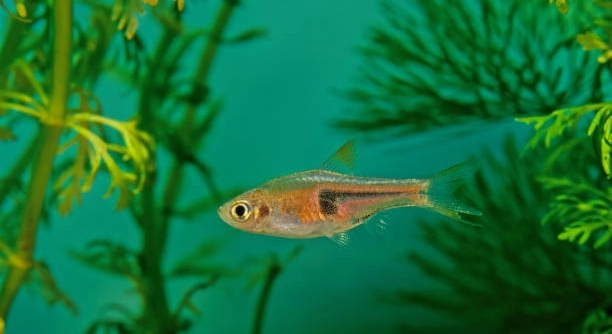
Have you ever noticed your rasboras staying in one spot instead of swimming around the tank? These tiny fish are usually active and curious, making it unusual when they suddenly reduce their exploration and movement inside their environment.
Rasboras may stop exploring due to stress, illness, poor water quality, insufficient space, improper diet, lack of hiding spots, or incompatible tank mates. Each factor can significantly affect their behavior, reducing their natural tendency to swim and investigate surroundings.
Understanding these reasons will help you create a healthier environment for your rasboras and ensure they remain active, curious, and comfortable in their home aquarium.
Stress and Its Impact on Rasboras
Stress can have a big effect on rasboras, causing them to stay in one place or hide. Changes in their tank, loud noises, sudden movements, or aggressive tank mates can make them feel unsafe. When stressed, their energy drops, and they avoid exploring. Overcrowding also increases stress, making swimming and interaction limited. Even small changes in water temperature or lighting can unsettle them. Observing your fish daily helps identify unusual behavior early. A calm environment encourages natural activity. Consistency in care routines reduces stress and supports overall health. Providing plants, decorations, and quiet spots gives them comfort and confidence. Over time, this encourages rasboras to swim more freely and interact with their surroundings. Stress is not always obvious, but recognizing it and making adjustments can improve their quality of life. Maintaining clean water and proper diet complements these efforts, helping them recover and regain normal behavior.
Stress in rasboras often shows as reduced movement, hiding, or staying at the bottom of the tank.
Small environmental changes, gentle handling, and quiet surroundings can significantly reduce stress, allowing rasboras to regain confidence and curiosity.
Poor Water Quality
Dirty or poorly maintained water makes rasboras sluggish and less willing to explore. High levels of ammonia, nitrites, or nitrates irritate their gills and skin. Temperature fluctuations also affect their comfort and health. Regular water testing helps detect issues early. Using a proper filter and doing partial water changes keeps the water clean and stable. Rasboras are sensitive to pH levels, so keeping it consistent helps maintain activity. Algae buildup or leftover food can reduce water quality and increase harmful bacteria. Clear water encourages swimming, feeding, and social behavior. Avoid overcrowding, as too many fish strain the filtration system. Proper maintenance ensures a safe, comfortable environment where rasboras feel confident moving around. Tank decorations, plants, and hiding spots in clean water make them more likely to explore. Clean, balanced water supports growth, immune health, and normal behavior. Understanding and managing these water conditions is essential to keeping rasboras active, happy, and healthy in a home aquarium.
Insufficient Space
Rasboras need enough room to swim freely. Small tanks limit movement, making them less active and more prone to hiding. Crowded conditions can also increase stress and aggression among tank mates, discouraging exploration and natural behavior.
A cramped tank restricts natural swimming patterns and social interactions. Rasboras are schooling fish, so they need both space and company to feel secure. In tight spaces, they may cluster together and avoid open areas, reducing activity. Providing at least a 20-gallon tank for a small group allows them to swim in different directions and explore their surroundings. Adding plants and decorations can create visual boundaries and comfort zones. Adequate space promotes exercise, reduces stress, and supports overall health, making rasboras more confident and active in the tank environment.
Limited swimming area can also affect growth and energy levels. Rasboras in too-small tanks may show slower development, lethargy, and less interaction with other fish. Over time, insufficient space can weaken their immune system, making them more vulnerable to illness. Ensuring enough room not only encourages movement but also improves overall well-being. Adding hiding spots and varied terrain can make even small tanks feel more spacious and engaging. By monitoring space requirements and adjusting the tank size accordingly, rasboras are more likely to stay active, healthy, and curious, maintaining their natural behavior and energy.
Improper Diet
Feeding rasboras the wrong food or irregularly can reduce their activity. A balanced diet is key for energy, health, and normal swimming behavior.
Rasboras thrive on high-quality flakes, micro-pellets, and occasional live or frozen foods. Inadequate nutrition can lead to lethargy, loss of color, and less curiosity in exploring the tank. Overfeeding may also cause digestive issues and poor water quality, indirectly affecting their behavior. Feeding small amounts multiple times a day helps maintain energy levels and encourages natural foraging instincts. Supplements, like finely chopped vegetables or brine shrimp, provide variety and support vitality. A consistent feeding routine, paired with water maintenance, ensures they remain healthy and active.
A proper diet strengthens immunity and supports growth, keeping rasboras active and playful. In contrast, poor nutrition can slow metabolism, cause irregular swimming, and reduce interaction with other fish. Observing their response to different foods helps identify preferences and deficiencies. Feeding the right amount prevents uneaten food from decaying and harming water quality, further promoting a safe environment. Balanced nutrition, combined with clean water and adequate space, ensures rasboras maintain energy, explore freely, and exhibit normal schooling behavior, enhancing overall tank life and their natural curiosity.
Lack of Hiding Spots
Rasboras feel safer with places to hide. Without plants or decorations, they may stay in one area, avoiding open water.
Providing caves, plants, and other shelters reduces stress. These spaces let them rest and regain confidence, encouraging more active swimming over time.
Incompatible Tank Mates
Aggressive or overly active fish can intimidate rasboras, causing them to hide or limit movement. Peaceful community fish are ideal companions.
Keeping compatible species ensures rasboras maintain natural behavior. Close observation of interactions helps prevent bullying, promoting a calmer and more active environment.
Illness or Disease
Changes in behavior often indicate health issues. Lethargy, loss of appetite, or unusual swimming may signal disease. Prompt diagnosis and treatment are essential for recovery and resuming normal activity.
Temperature Fluctuations
Rasboras are sensitive to temperature changes. Sudden drops or rises can reduce activity and make them hide. Maintaining a stable temperature supports energy levels and encourages natural swimming patterns.
Why are my rasboras hiding all the time?
Rasboras hide when they feel stressed, unsafe, or uncomfortable. Common reasons include aggressive tank mates, sudden changes in the tank environment, poor water quality, or insufficient hiding spots. Adding plants, caves, and decorations gives them places to feel secure. Maintaining stable water conditions and providing a calm environment encourages them to explore again. Observing their behavior can help identify triggers, and addressing these issues promptly supports both their health and natural activity.
Can poor water quality make rasboras stop swimming?
Yes, dirty or unbalanced water can make rasboras lethargic. High ammonia, nitrite, or nitrate levels irritate their gills and reduce energy. Temperature fluctuations or pH instability can also discourage swimming. Regular water testing, partial water changes, and a good filtration system are essential. Clean water promotes natural behavior, reduces stress, and keeps them active and healthy. Avoid overcrowding and remove leftover food to maintain a safe environment.
How much space do rasboras need to stay active?
Rasboras are small schooling fish, but they still need enough room to swim freely. A minimum 20-gallon tank for a small group allows natural movement and social interaction. Overcrowding reduces activity, increases stress, and may cause aggressive behavior. Adding plants and decorations creates comfort zones, encouraging exploration. Adequate space supports energy levels, healthy growth, and normal behavior. Observing them regularly helps ensure they use the space effectively.
What kind of diet keeps rasboras active?
A balanced diet is key for energy and overall health. High-quality flakes, micro-pellets, and occasional live or frozen foods like brine shrimp keep them nourished. Small, frequent feedings prevent overeating and maintain energy. Supplements such as finely chopped vegetables or daphnia provide variety and support vitality. Poor nutrition can lead to lethargy, loss of color, and reduced curiosity. Consistent feeding paired with clean water encourages normal swimming and interaction.
Can tank mates affect rasbora behavior?
Yes, aggressive or overly active fish can intimidate rasboras, causing hiding and reduced exploration. Choosing peaceful community fish helps maintain calm. Close observation ensures no bullying occurs. Proper schooling companions improve social behavior, reduce stress, and encourage activity. Creating separate zones with plants or decorations can minimize conflicts and allow rasboras to move freely without fear.
How do temperature changes affect rasboras?
Rasboras are sensitive to sudden temperature fluctuations. Rapid drops or increases can make them sluggish, hide, or stop exploring. Maintaining a stable range between 72-78°F supports energy, feeding, and swimming activity. Using a reliable heater and monitoring daily helps prevent stress. Gradual adjustments, when needed, minimize shock and support overall well-being.
What are signs of illness that reduce activity?
Lethargy, loss of appetite, unusual swimming patterns, clamped fins, or faded colors may indicate illness. Prompt attention is essential to prevent worsening. Quarantining sick fish, testing water parameters, and using appropriate treatment can restore activity. Healthy rasboras are alert, swim freely, and interact with other fish regularly. Early detection increases recovery chances.
Can stress alone stop rasboras from exploring?
Stress significantly affects activity levels. Causes include overcrowding, aggressive tank mates, sudden environmental changes, and poor water conditions. Stress reduces energy and can lead to hiding or sluggish swimming. Creating a calm environment, consistent routines, hiding spots, and proper nutrition supports confidence, health, and normal behavior. Regular observation helps identify stress early.
How do I encourage rasboras to explore again?
Provide clean water, proper temperature, sufficient space, and hiding spots. Ensure they have a balanced diet and peaceful tank mates. Adjust lighting gradually and minimize sudden disturbances. Introducing new plants or decorations can stimulate curiosity. Observing their preferences and addressing stressors encourages them to resume natural swimming and social behavior.
Can overcrowding really affect their energy levels?
Yes, overcrowding increases stress, reduces space for swimming, and limits interaction. This can lead to lethargy, hiding, and slower growth. Maintaining proper tank size and fish numbers supports active behavior, reduces aggression, and improves water quality, ensuring rasboras remain energetic and healthy.
How long does it take for rasboras to become active again after stress?
Recovery time varies depending on the cause. Minor stress may resolve in a few days with stable conditions. Illness or severe environmental changes can take weeks. Consistent care, clean water, proper diet, and safe tank mates accelerate recovery. Observing their behavior regularly helps gauge progress and ensures they return to normal activity.
Rasboras are small, active fish that rely heavily on their environment for comfort and safety. When they stop exploring, it often indicates that something in their tank is affecting their natural behavior. Stress, illness, poor water quality, insufficient space, improper diet, lack of hiding spots, and incompatible tank mates are all common factors that can limit their activity. Each of these issues can disrupt their usual swimming patterns and social interactions. Observing their behavior daily and understanding their needs is essential for maintaining a healthy and active tank. Addressing the root cause quickly helps prevent long-term problems and ensures that your fish remain energetic and curious.
Creating the right environment for rasboras involves careful attention to several key aspects. Tank size is important because overcrowding can lead to stress and limited movement. Adding plants, decorations, and hiding spots provides comfort and security, encouraging natural exploration. Water quality is equally crucial; clean, balanced water supports health and reduces lethargy. Maintaining a consistent temperature and stable pH prevents sudden stress, while a balanced diet ensures that the fish have enough energy to swim and interact normally. Choosing compatible tank mates reduces aggression and fear, allowing rasboras to feel safe in their surroundings. A calm, well-maintained environment supports both physical and behavioral health, making it easier to notice changes that may indicate illness or stress.
Even with careful attention, rasboras may still face challenges that temporarily limit their activity. It is important to remain patient and observe gradual improvements after making adjustments. Small changes, such as adding plants, adjusting feeding routines, or improving water quality, can have a significant impact on their behavior. Monitoring their reactions helps identify what works best for the group. Over time, a well-balanced habitat encourages exploration, social interaction, and healthy growth. By providing consistent care, addressing issues promptly, and maintaining a stable environment, rasboras are more likely to resume normal swimming and curiosity. Understanding their needs and responding appropriately ensures that these fish remain vibrant and active, creating a thriving aquarium that supports both their physical and behavioral well-being.

Hello,
If you enjoy the content that we create, please consider saying a "Thank You!" by leaving a tip.
Every little bit helps us continue crafting quality advice that supports the health, happiness, and well-being of pets around the world, for pets of all shapes, sizes, and species.
We really appreciate the kindness and support that you show us!