
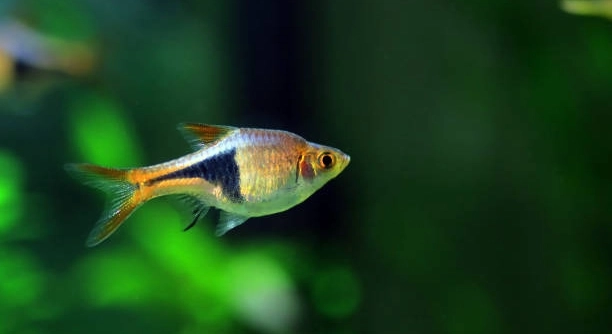
Rasboras are small, graceful fish that often brighten up home aquariums with their shimmering colors. Sometimes, these little fish can appear almost see-through, leaving hobbyists puzzled about their unusual appearance and overall health.
Rasboras may appear transparent due to a combination of genetics, diet, stress, water quality, disease, and natural developmental stages. Each factor can influence pigmentation and internal visibility, affecting the overall clarity and coloration of these freshwater fish in varying degrees.
Observing their transparency can reveal important insights about their care and environment. Understanding the causes helps maintain their health and vibrant appearance over time.
Genetics and Natural Pigmentation
Some rasboras are naturally more transparent due to their genetic makeup. Their scales and skin may lack certain pigments, making internal organs slightly visible. This is particularly common in younger fish or selectively bred varieties. While it may look unusual, transparency does not always indicate poor health. Observing their movement and behavior can help determine if their transparency is normal.
Genetics play a major role in determining how clear or colorful a rasbora appears.
Selective breeding often enhances traits like body shape and fin length, sometimes reducing pigmentation. In these cases, the fish may remain semi-transparent throughout their lives. Transparency can be more noticeable under certain lighting or in tanks with bright backgrounds. While it might seem concerning at first, understanding that some rasboras are naturally see-through helps aquarists avoid unnecessary stress. Monitoring their diet, activity, and interactions ensures that transparency is simply a natural feature rather than a sign of illness.
Stress and Environmental Factors
Stress can cause rasboras to lose some of their color temporarily.
Changes in water temperature, new tankmates, or frequent handling can all trigger stress responses.
Stress affects pigment cells, sometimes making fish appear more transparent than usual. A rasbora under prolonged stress may show faded colors, thinner bodies, and slower movement. Even subtle changes, like rearranging decorations or introducing a filter, can impact their comfort. Maintaining stable water conditions, avoiding sudden temperature swings, and providing hiding spots can help reduce stress levels. Feeding a balanced diet and limiting disturbances allows the fish to regain their normal coloration. Observing behavior alongside transparency is crucial because stressed fish might hide, eat less, or show unusual swimming patterns. In contrast, healthy transparent rasboras will continue to move actively and interact normally with other tankmates. By understanding how environmental stress influences their appearance, you can create a calmer, healthier habitat that supports both their physical and visual well-being.
Diet and Nutrition
Poor nutrition can make rasboras appear more transparent. A lack of essential vitamins and pigments in their diet directly affects skin coloration. Feeding them only flakes or limited food can reduce their natural vibrancy.
A balanced diet including high-quality flakes, pellets, and occasional live or frozen foods helps maintain coloration. Pigments like carotenoids in certain foods enhance red, orange, and yellow hues, which counteract transparency. If rasboras do not receive enough varied nutrition, their internal organs may become more visible, making them appear see-through. Supplementing their meals with spirulina, brine shrimp, or daphnia can improve both their health and overall pigmentation. Regular feeding schedules and portion control also prevent stress and ensure the fish receive the nutrients needed for strong immune function and proper development.
Even with proper feeding, some rasboras naturally remain semi-transparent. Genetics and age still influence how well pigments develop. Young fish often look clearer, gaining color as they mature. Transparent patches may persist, particularly in selectively bred varieties. Consistent nutrition and care, however, help them reach their healthiest, most vibrant appearance while keeping their internal organs less visible. Observing their diet alongside other environmental factors provides a fuller understanding of their unique look.
Water Quality and Tank Conditions
Dirty or unstable water can increase transparency in rasboras. Ammonia, nitrites, and nitrates affect pigmentation and overall health. Maintaining stable, clean water is essential for their normal coloration.
Poor water quality stresses fish, causing temporary color loss or transparency. Regular water changes, proper filtration, and monitoring parameters like pH, hardness, and temperature help preserve their appearance. Tanks that are too small or overcrowded can exacerbate stress and reduce pigmentation. Lighting also plays a role; bright or harsh light can make them appear clearer, while natural or diffused light highlights their colors. Providing plants, hiding spots, and gentle water flow creates a comfortable environment. Healthy, stable water conditions allow rasboras to display natural hues and maintain clarity without showing signs of stress. Regular observation ensures any changes are addressed before health issues arise.
Disease and Parasites
Illness can make rasboras appear more transparent. Parasites, bacterial infections, or internal issues often reduce pigmentation, affecting their overall appearance.
Infected fish may also show lethargy, clamped fins, or loss of appetite. Early detection and treatment are essential to restore both health and coloration.
Aging and Development
Young rasboras often look more transparent because their scales and pigments are still developing. As they grow, colors typically become more defined, though some may retain semi-transparency throughout life. Careful observation during growth stages helps distinguish natural development from health issues.
Lighting and Reflection
Tank lighting can influence how transparent rasboras appear. Bright lights or reflective backgrounds may enhance the visibility of their internal organs, making them look clearer than they actually are.
Why do my rasboras look transparent even though they seem healthy?
Some rasboras are naturally semi-transparent due to genetics. Young fish often appear clearer because their scales and pigments are not fully developed. Even healthy adults can retain some transparency, especially in selectively bred varieties. Transparency alone does not always indicate illness.
Can stress cause rasboras to become see-through?
Yes, stress can reduce pigmentation and make rasboras appear more transparent. Factors like sudden changes in water temperature, aggressive tankmates, or frequent handling can cause stress. Providing stable water conditions, hiding spots, and gentle care helps fish regain their normal color and confidence in the tank.
Does diet affect transparency in rasboras?
A poor diet lacking essential nutrients can make rasboras appear more transparent. Foods rich in pigments, like carotenoids, support vibrant coloration. Supplementing with spirulina, brine shrimp, or daphnia can enhance color, while a monotonous diet may leave internal organs more visible and colors muted.
Is water quality linked to their transparency?
Absolutely. Dirty or unstable water can stress rasboras and reduce pigmentation. Maintaining clean water, proper filtration, and consistent parameters like pH and temperature helps keep colors vibrant. Tanks that are overcrowded or have sudden environmental changes can also make them appear clearer than usual.
Can diseases make rasboras transparent?
Certain illnesses or parasites can reduce pigmentation, causing transparency. Signs of disease often include lethargy, loss of appetite, or clamped fins. Early detection and treatment are essential. Maintaining good hygiene, quarantining new fish, and monitoring behavior helps prevent illness-related transparency.
Do all young rasboras start out transparent?
Many young rasboras are more see-through because their bodies are still developing pigments and scales. Over time, colors usually become more defined. Some species or selective breeds may remain partially transparent even in adulthood, which is normal and not a cause for concern.
Does tank lighting affect how transparent they appear?
Yes, lighting and background reflection can make rasboras look more transparent. Bright lights or reflective surfaces highlight internal organs, while softer or natural lighting can enhance color. Adjusting lighting and using neutral or darker backgrounds can make their colors appear more vivid.
Will improving diet and water conditions reduce transparency?
Enhancing diet and stabilizing water conditions can help bring out natural pigments, but genetics also play a role. While proper care may make fish appear more colorful, some transparency is natural and may persist despite ideal conditions. Observation and consistent maintenance are key.
How can I tell if transparency is normal or a health issue?
Monitor behavior, activity, and appetite. Healthy transparent rasboras remain active, eat normally, and interact with tankmates. If transparency is accompanied by lethargy, weight loss, or unusual swimming, it could indicate stress, illness, or poor water conditions that need attention.
Can tankmates influence transparency?
Aggressive or overly active tankmates can stress rasboras, temporarily reducing pigmentation. Peaceful community tanks with adequate hiding spaces allow fish to feel secure, helping maintain natural coloration and reducing stress-induced transparency.
Is transparency more common in certain rasbora species?
Yes, some species, like the Harlequin Rasbora or certain dwarf varieties, naturally show more transparency. Recognizing the typical appearance of your specific species helps determine if transparency is normal or if intervention is needed.
Does age affect transparency in older fish?
Older rasboras may become slightly transparent as scales thin and pigments fade. While some loss of color is natural with aging, sudden or extreme transparency can indicate health issues that should be investigated.
Can breeding practices impact transparency?
Selective breeding sometimes emphasizes body shape or fin length at the expense of pigmentation, resulting in naturally semi-transparent fish. Understanding the breeding background of your rasboras can clarify if transparency is expected or unusual.
How long does it take for transparent rasboras to regain color after stress?
Recovery time varies based on the cause and severity of stress. With stable water, proper diet, and minimal disturbances, most rasboras regain normal pigmentation within a few days to a few weeks. Continuous observation ensures timely intervention if issues persist.
Should I treat transparent rasboras with special supplements?
Supplements can improve pigmentation, especially if diet is lacking. Spirulina, carotenoids, or high-quality protein foods support vibrant coloration. However, over-supplementing is unnecessary and can stress fish or pollute water. Balanced nutrition and overall care are more effective than relying solely on supplements.
Can environmental enrichment reduce transparency caused by stress?
Yes, adding plants, hiding spots, and gentle water flow can reduce stress and support normal pigmentation. A comfortable environment encourages natural behavior, improves health, and helps rasboras maintain their colors while reducing the likelihood of temporary transparency.
Does temperature fluctuation influence transparency?
Rapid or extreme changes in water temperature can stress rasboras, causing temporary transparency. Keeping the tank at a stable temperature suitable for the species supports both pigmentation and overall health. Using a reliable heater and monitoring fluctuations is important.
Is transparency permanent in some fish?
In certain genetically transparent or selectively bred rasboras, semi-transparency may persist throughout life. While care, diet, and environment can enhance natural colors, some internal visibility is normal and should not be treated as a health concern unless accompanied by other symptoms.
Can transparency indicate reproductive readiness?
In some species, subtle changes in transparency or coloration may occur before spawning. Males may intensify color while females show a slight internal visibility indicating egg development. Observing behavioral cues alongside physical changes helps identify natural reproductive patterns.
How often should I monitor transparency and overall health?
Daily observation is ideal. Watching for changes in color, behavior, and appetite ensures that any issues, whether environmental, dietary, or health-related, are addressed promptly. Consistent monitoring supports long-term wellbeing and helps distinguish normal transparency from concerning changes.
Can tank layout affect transparency?
Yes, the arrangement of plants, rocks, and background colors affects how transparency appears. Darker backgrounds and natural décor can make fish appear more colorful, while bright or reflective surfaces may exaggerate internal visibility. Adjusting layout can enhance visual appeal.
Is partial transparency a sign of malnutrition?
If accompanied by dull color, thin bodies, or lethargy, partial transparency may reflect insufficient nutrition. Providing a varied diet rich in natural pigments and high-quality protein helps restore healthy coloration and supports growth, immune function, and overall vitality.
Are there any preventive measures for stress-related transparency?
Maintaining stable water conditions, minimizing sudden changes, providing hiding spaces, and feeding a consistent diet are key preventive measures. Avoid overstocking, aggressive tankmates, and excessive handling. Consistent care reduces stress, supporting both health and natural pigmentation in rasboras.
Can tank size influence transparency?
Small or overcrowded tanks increase stress and reduce pigment expression. Adequate space allows normal swimming, social interactions, and reduces stress-induced transparency. Following species-specific recommendations for tank size supports natural coloration and overall health.
How long does it take for young rasboras to develop full color?
Color development varies by species and genetics. Most young rasboras gain noticeable pigmentation within weeks to months. Some may retain semi-transparency even as adults. Patience, proper nutrition, and stable care ensure healthy growth and color expression.
Is it safe to keep transparent rasboras in community tanks?
Yes, as long as tankmates are peaceful and environmental conditions are stable. Aggressive or fast-moving fish can stress transparent rasboras, affecting color. Careful selection of compatible species helps maintain their natural appearance and overall wellbeing.
Do supplements alone guarantee vibrant color?
No, supplements support coloration but cannot override genetics or poor environmental conditions. Balanced nutrition, clean water, low stress, and proper lighting are all essential for healthy pigment expression in rasboras. Supplements are helpful but not a complete solution.
How do I distinguish between natural transparency and illness?
Observe activity, appetite, and behavior. Natural transparency is accompanied by normal swimming, eating, and interaction. Illness-related transparency often shows lethargy, clamped fins, or unusual patterns. Monitoring regularly helps distinguish between healthy transparency and health concerns that need action.
Can seasonal changes affect transparency?
Seasonal variations in temperature, light, or feeding patterns can temporarily influence pigmentation. Ensuring consistent care and environment throughout the year reduces stress-related transparency and helps maintain stable coloration in rasboras.
Are some rasboras more prone to transparency than others?
Yes, certain dwarf or selectively bred varieties naturally show more internal visibility. Knowing the typical appearance of your species helps determine if transparency is expected or if environmental or dietary adjustments are needed.
What are the most effective ways to maintain healthy coloration?
Stable water conditions, varied nutrition rich in pigments, minimal stress, and proper lighting support healthy coloration. Regular observation, adequate tank space, and compatible tankmates further ensure rasboras retain their natural vibrancy while minimizing unnecessary transparency.
How can I prevent sudden transparency changes?
Avoid rapid water changes, overstocking, poor diet, and stressful handling. Maintaining a consistent, clean, and enriched environment minimizes sudden changes in pigmentation and supports overall health.
Can transparency indicate reproductive health in females?
Slight transparency in females may signal egg development. Observing behavior, body shape, and subtle color changes alongside transparency helps identify reproductive readiness without assuming illness.
Is it normal for older rasboras to lose some color?
Yes, pigment fading can occur with age. Minor transparency is natural, but sudden or extreme changes may indicate health issues requiring attention. Proper nutrition and care can slow color loss and maintain vibrancy.
Does water hardness or pH impact transparency?
Yes, unstable or inappropriate pH and hardness levels can stress fish and affect pigmentation. Maintaining parameters suitable for the species supports natural color expression and overall wellbeing.
Can lighting alone improve appearance?
Lighting affects perception but cannot change genetics. Proper lighting enhances natural pigments, making transparency less noticeable. Combine with diet, water quality, and stress management for best results.
Are transparent rasboras more fragile than colorful ones?
Not necessarily. Transparency is often a natural trait. Their health depends on diet, water quality, and stress levels rather than their pigmentation alone. Careful maintenance ensures they thrive regardless of transparency.
How do I know if I should consult a vet?
If transparency is accompanied by lethargy, abnormal swimming, weight loss, or visible signs of disease, a vet or experienced aquarist should be consulted to prevent worsening conditions.
Rasboras are small, delicate fish that often brighten a tank with their movement and subtle colors. Observing them can be both calming and educational. One trait that catches attention is their transparency, which can vary from one fish to another. Some are naturally more see-through due to genetics or selective breeding, while others may show temporary transparency because of stress, diet, or water conditions. Understanding the reasons behind this transparency is important, as it helps distinguish between normal traits and potential health concerns. Being aware of how factors like lighting, tank layout, and nutrition influence their appearance allows you to provide a supportive environment where they can thrive. Watching your rasboras closely can reveal patterns in their behavior and health, making it easier to respond if any issues arise.
Maintaining stable water conditions is essential for healthy rasboras. Fluctuating temperatures, poor filtration, or overcrowding can increase stress, which often results in temporary transparency. Regular water changes and careful monitoring of pH, hardness, and ammonia levels help keep the tank comfortable. A clean, well-planted environment with places to hide reduces stress and encourages natural behavior. Tankmates also play a role; aggressive or fast-moving fish can make rasboras nervous, affecting their coloration. A balanced diet that includes high-quality flakes, pellets, and occasional live or frozen foods ensures they receive necessary nutrients for growth and pigment development. Foods rich in carotenoids or protein help enhance color and minimize unnecessary transparency. Paying attention to both environmental factors and nutrition creates a harmonious setup that supports the physical and visual health of your fish.
Transparency in rasboras is not always a cause for concern, but it can be a helpful indicator of their overall condition. Healthy transparent fish remain active, eat regularly, and interact normally with their surroundings. Temporary transparency due to stress or minor dietary issues usually improves once conditions stabilize. Older fish may naturally lose some pigmentation, while younger fish may gradually gain color as they mature. Some species or selectively bred varieties will retain semi-transparency throughout their lives, which is a normal characteristic. Observing your rasboras over time allows you to notice changes and respond appropriately. By providing stable water, a proper diet, suitable tankmates, and a comfortable environment, you can support their health and help them display the best of their natural colors while understanding and appreciating their occasional transparency.

Hello,
If you enjoy the content that we create, please consider saying a "Thank You!" by leaving a tip.
Every little bit helps us continue crafting quality advice that supports the health, happiness, and well-being of pets around the world, for pets of all shapes, sizes, and species.
We really appreciate the kindness and support that you show us!