
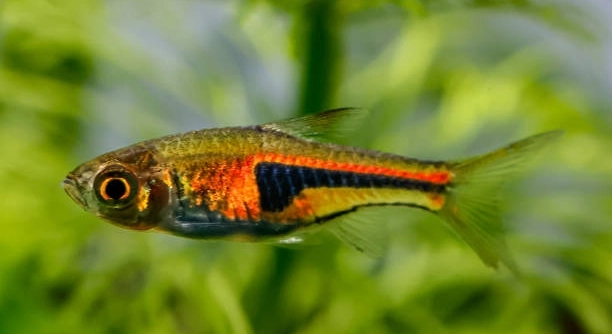
Rasboras are small, peaceful fish often kept in home aquariums. Their natural preferences play a key role in their health and comfort, making it important to understand the materials that best suit their environment.
Rasboras thrive in tanks furnished with natural materials such as smooth stones, driftwood, leaf litter, fine sand, aquatic plants, peat, and moss. These elements mimic their native habitats, supporting natural behavior, reducing stress, and promoting overall well-being.
Providing the right materials creates a comfortable environment while encouraging natural activity and enhancing the beauty of your aquarium space.
Smooth Stones
Smooth stones provide a safe and natural substrate for rasboras. They prevent injury to delicate fins and scales while allowing fish to swim freely without getting caught. Stones also help anchor plants and create small hiding spaces, which reduce stress and mimic the natural environment of these fish. When arranging stones, consider varying sizes and shapes to create depth in the tank, but avoid sharp edges that could harm the fish. Over time, smooth stones can collect biofilm and algae, which rasboras may nibble on, adding a small natural food source. Cleaning the stones occasionally helps maintain water quality without disturbing beneficial bacteria. Stones also influence water flow and aeration, creating gentle currents that rasboras prefer. Choosing neutral-colored stones keeps the focus on the fish and plants, and contrasts well with bright colors of rasboras. Overall, smooth stones are simple, safe, and effective for enhancing aquarium structure.
Smooth stones are a practical addition, supporting natural behavior while maintaining tank safety and aesthetic appeal.
By integrating smooth stones, the tank feels more authentic. They allow rasboras to explore, rest, and interact naturally, creating a dynamic and peaceful environment for observation and care. Stones can also act as anchors for moss or other plants, providing subtle shelter spots. Over time, these stones can develop textures and colors that further enrich the habitat. Placement matters, as clusters and gaps create areas for hiding, swimming, and feeding. With minimal maintenance, smooth stones remain a long-term solution for enhancing both the physical structure and ecological balance of the aquarium. Fish activity increases, stress reduces, and visual appeal improves, making the tank more lively and natural. Additionally, smooth stones help maintain water parameters by reducing sharp edges that might alter substrate chemistry. They are versatile, durable, and aesthetically pleasing, making them a reliable choice for anyone keeping rasboras.
Driftwood
Driftwood adds a natural touch and safe hiding spots for rasboras. It releases tannins, slightly softening water, which resembles their native habitats.
Driftwood not only creates shade but also encourages natural schooling behavior. Its presence promotes calmness and stimulates exploration, making the tank more engaging for the fish.
Leaf Litter
Leaf litter creates a soft, natural substrate that rasboras enjoy for foraging and resting. It gradually decomposes, releasing tannins that slightly acidify the water, which mimics their natural habitat and keeps them comfortable.
Leaf litter encourages natural behavior such as grazing and exploring. As it breaks down, it provides microhabitats for small microorganisms, which become a supplementary food source for rasboras. The gentle darkening of water from tannins reduces stress, making the fish feel secure. Placing leaves in shallow layers allows easy movement while maintaining open swimming areas. It also enhances the visual appeal of the tank, giving it a more natural, forest-floor look. Leaf litter works well with other decorations, such as driftwood and stones, creating diverse zones for activity and rest. Regularly replacing old leaves ensures water quality stays stable while maintaining the benefits of natural enrichment.
Combining leaf litter with plants and smooth stones supports a balanced habitat. It adds texture to the tank, creating zones for hiding, resting, and feeding while maintaining water chemistry close to their preferred conditions. This subtle layer improves overall tank health and encourages more natural behavior patterns in rasboras, making observation and care more rewarding.
Fine Sand
Fine sand offers a soft, safe surface for rasboras to swim and forage. It prevents injuries and allows easy digging behavior, helping fish feel secure in their environment.
Fine sand helps maintain natural foraging habits by allowing rasboras to sift gently through it without harming themselves. It supports rooting of plants and retains minimal debris while remaining easy to clean with a gentle siphon. Sand also contributes to a realistic bottom layer, enhancing the overall tank aesthetic. Choosing light-colored sand makes rasboras’ vibrant colors more visible and emphasizes natural textures in the aquarium. Properly rinsed sand reduces dust and cloudiness, keeping water clear and healthy. Over time, sand can subtly change the water’s appearance as it interacts with tannins from leaves or driftwood, blending into a natural, balanced ecosystem.
The use of fine sand in combination with leaf litter and stones creates a multi-layered substrate that replicates natural habitats. It encourages natural behaviors like sifting, exploring, and resting while minimizing stress. Sand provides comfort for rasboras and supports healthy plant growth. By carefully layering and arranging sand with other materials, you can create a visually appealing, functional tank that allows fish to display natural behaviors. This approach improves both fish well-being and the aquarium’s overall harmony, making it a practical and aesthetic choice for any rasbora setup.
Aquatic Plants
Aquatic plants provide shelter and resting spots for rasboras while improving water quality by absorbing nitrates and producing oxygen. They create a natural environment that reduces stress and encourages natural swimming patterns.
Plants also break up open space, giving fish areas to explore and feel safe. Dense planting helps rasboras form schools and exhibit more confident behavior.
Peat
Peat softens water slightly and releases tannins, creating conditions similar to rasboras’ natural habitat. It can help maintain stable pH levels, which supports overall fish health and reduces stress.
Peat also provides subtle color to the water, making the tank look more natural. Its porous structure can harbor beneficial bacteria, aiding in biological filtration.
Moss
Moss offers gentle hiding places and surfaces for foraging. It can attach to stones, driftwood, or substrate, adding texture and enriching the tank environment.
Moss growth encourages microfauna, which can serve as supplementary food for rasboras. Its presence also softens the overall look of the aquarium while supporting natural behaviors.
What type of stones are safest for rasboras?
Smooth, rounded stones are the safest choice for rasboras. They prevent injuries to delicate fins and scales and allow the fish to swim freely without getting trapped. Avoid sharp or jagged stones, as these can cause cuts or stress. Neutral-colored stones are preferable because they do not alter water chemistry significantly and enhance the visual appeal of the aquarium. Stones can also act as anchors for plants or moss, adding structure to the tank. Proper placement of stones creates hiding spots and swimming lanes, encouraging natural exploration and resting behavior. Regular cleaning of stones ensures that algae or biofilm buildup does not affect water quality. Smooth stones also subtly influence water flow, creating gentle currents that are comfortable for rasboras. They are durable, low-maintenance, and provide both functional and aesthetic benefits for any setup.
How often should leaf litter be replaced in a rasbora tank?
Leaf litter should generally be replaced every few weeks, depending on the rate of decomposition and water quality. As leaves break down, they release tannins that slightly acidify the water, which rasboras prefer. Old, decaying leaves can lead to excessive organic buildup if not removed, potentially affecting water parameters. Removing some leaves while leaving a few intact maintains the natural microhabitats for microorganisms, which can serve as a small food source. Fresh leaf litter also keeps the tank looking natural and provides hiding areas for the fish. Using a shallow layer ensures rasboras can move freely without obstruction, while the litter continues to support foraging behavior. Regular monitoring ensures the right balance between natural enrichment and water clarity.
Can driftwood affect water parameters for rasboras?
Yes, driftwood can slightly soften water and release tannins, creating a mildly acidic environment preferred by rasboras. This can reduce stress and simulate conditions similar to their natural habitats. While some tannin release is beneficial, excessive amounts may darken the water too much or affect pH levels. Boiling or soaking driftwood before adding it to the tank helps reduce initial tannin leaching. Driftwood also provides natural hiding spots and shaded areas, encouraging calmer behavior. Its porous surface can host beneficial bacteria and microfauna, enhancing biological filtration and serving as a supplementary food source. Combining driftwood with other natural materials, such as stones or moss, creates a more balanced, enriching environment. Placement of driftwood matters—arranging it in a way that does not block swimming areas ensures the tank remains both functional and aesthetically pleasing.
What are the benefits of using peat in a rasbora tank?
Peat slightly softens water and releases tannins, supporting a stable pH similar to the fish’s native environment. This helps reduce stress and maintains general health. Peat can also subtly color the water, creating a natural, slightly brown tint that mimics streams and rivers. Its porous structure encourages beneficial bacteria colonization, aiding biological filtration and improving water quality. When combined with leaf litter and driftwood, peat helps establish a balanced ecosystem by supporting microorganisms that serve as a small supplemental food source for rasboras. Over time, peat maintains its function with minimal maintenance, making it a practical choice for creating a natural, healthy habitat. Properly measured and monitored, peat contributes to both water chemistry stability and environmental enrichment for the fish.
How does moss improve the tank for rasboras?
Moss offers soft hiding places and surfaces for foraging, reducing stress and encouraging natural exploration. It can attach to driftwood, stones, or substrate, adding visual texture and creating microhabitats. Moss also encourages the growth of microorganisms, which serve as supplemental food. Its presence breaks up open swimming space, giving rasboras areas to feel safe. By adding moss, the tank gains a layered, natural look that enhances the overall aesthetic while supporting fish behavior. Regular trimming and occasional cleaning help maintain moss health and prevent overgrowth. Moss can coexist with plants and other natural decorations, making it a versatile, low-maintenance addition. It supports both the ecological balance of the aquarium and the well-being of the fish.
Is fine sand better than gravel for rasboras?
Fine sand is generally better than gravel for rasboras because it allows safe sifting and digging behavior without harming fins or scales. It supports rooting of plants while creating a soft, natural substrate. Light-colored sand enhances the appearance of the fish and highlights other decorations. Sand also reduces trapped debris compared to larger gravel, making maintenance easier. When combined with leaf litter or moss, it creates multi-layered habitats that mimic natural environments. Proper rinsing before use prevents dust and cloudiness. Sand is durable, low-maintenance, and flexible for various tank layouts, supporting natural behaviors and overall tank health.
Can I mix all these materials together?
Yes, combining smooth stones, driftwood, leaf litter, fine sand, peat, aquatic plants, and moss creates a balanced, natural habitat for rasboras. Each material serves a function, from hiding spaces and foraging surfaces to stabilizing water chemistry. The combination encourages natural behavior, reduces stress, and adds aesthetic appeal. Proper placement ensures open swimming areas while maintaining layered zones for exploration, rest, and feeding. Monitoring decomposition and cleaning periodically keeps water quality stable. Mixed materials also provide microhabitats for microorganisms that serve as supplemental food. By arranging these materials thoughtfully, the aquarium becomes both functional and visually pleasing, supporting healthy, active fish.
Are there risks to using too many natural materials?
Using too many natural materials can sometimes impact water clarity and chemistry. Excessive leaf litter or peat may overly acidify water, while dense plant or moss growth can limit swimming space. Regular observation, partial cleaning, and careful layering prevent these issues. Proper balance maintains both fish comfort and tank aesthetics.
Creating a comfortable environment for rasboras involves understanding the materials they prefer in their tanks. Natural elements like smooth stones, driftwood, leaf litter, fine sand, aquatic plants, peat, and moss all serve different purposes, from providing hiding spaces to supporting natural behavior. Each material contributes to the overall well-being of the fish by reducing stress, encouraging exploration, and mimicking their natural habitat. When these elements are combined thoughtfully, the aquarium feels balanced, giving rasboras areas to swim freely, rest, and forage. Careful selection and arrangement of materials help maintain water quality and stability while enhancing the visual appeal of the tank. Even simple additions, like a few moss patches or smooth stones, can make a noticeable difference in how comfortable the fish feel and how naturally they behave.
Regular maintenance and monitoring are important when using natural materials. Over time, items like leaf litter and peat can decompose and change water chemistry, so replacing or rinsing them as needed helps keep the environment stable. Stones and driftwood may also collect algae or biofilm, which requires gentle cleaning. Proper care ensures that the natural elements continue to support fish health without creating problems. Observing how the fish interact with their surroundings can guide adjustments, such as repositioning stones or trimming plants. Balancing aesthetic appeal and functionality is key; the tank should look natural without restricting swimming space or creating overcrowded areas. By paying attention to these small details, the aquarium can remain a safe, comfortable, and visually pleasing home for rasboras.
The overall goal of arranging natural materials is to create a tank that feels like a miniature ecosystem. Rasboras respond positively to environments that offer variety, shade, and hiding spots, which can be achieved using simple, natural decorations. The combination of stones, plants, moss, driftwood, and leaf litter provides both practical benefits and visual harmony, encouraging healthy behavior and activity. Over time, the tank may develop subtle changes in color and texture as materials interact with water and microorganisms, further enhancing the natural feel. Providing a habitat that closely resembles the fish’s native environment helps ensure their long-term health and happiness. With attention to detail, careful maintenance, and thoughtful selection of materials, a rasbora tank can be both functional and beautiful, supporting the fish’s natural tendencies while offering an enjoyable viewing experience.

Hello,
If you enjoy the content that we create, please consider saying a "Thank You!" by leaving a tip.
Every little bit helps us continue crafting quality advice that supports the health, happiness, and well-being of pets around the world, for pets of all shapes, sizes, and species.
We really appreciate the kindness and support that you show us!