
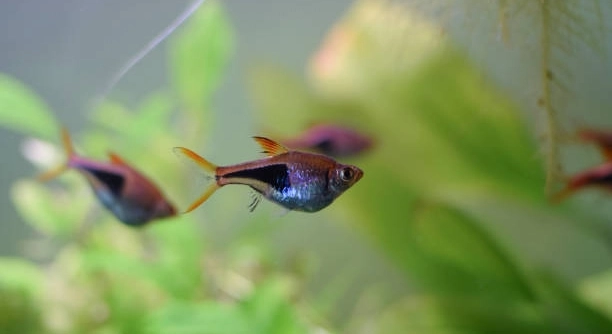
Rasboras are small, active fish that brighten up any aquarium. Watching them eat can be satisfying, but sometimes feeding doesn’t go as smoothly as expected. Even minor issues can make these fish hesitant to eat their food.
Several minor factors can interfere with Rasbora feeding, including water quality, tank temperature, stress from tankmates, improper diet, sudden environment changes, lighting conditions, and feeding schedule inconsistencies. Addressing these elements can improve feeding behavior and overall fish health.
Understanding these small disruptions can help create a calmer, more predictable feeding routine. Paying attention to these details ensures Rasboras remain healthy and active in their environment.
Poor Water Quality
Poor water quality is one of the most common reasons Rasboras may refuse to eat. Even small amounts of ammonia, nitrites, or nitrates can stress them and reduce appetite. Cloudy water, leftover food, and decaying plants contribute to poor conditions. Keeping the tank clean through regular water changes is essential. Testing water weekly ensures levels remain safe. Overcrowding can worsen water quality, making it difficult for Rasboras to feel comfortable eating. Introducing live plants and proper filtration helps stabilize the environment. Temperature fluctuations also play a role in water quality stress. Young or newly added fish are more sensitive, so they need extra care. Observing fish behavior and water clarity daily provides early warning signs. By maintaining clean water, feeding habits often improve naturally, as fish feel secure and healthy in their environment. This is the foundation for addressing other feeding challenges later.
Regular water changes, careful monitoring, and avoiding overcrowding are key steps to maintain a healthy feeding environment for Rasboras.
Good water quality not only encourages feeding but also supports overall health. Fish are more active and display natural behaviors when conditions are stable. Regular cleaning prevents disease outbreaks, reduces stress, and enhances tank aesthetics. A stable environment helps Rasboras adapt quickly to new foods, making feeding smoother. Maintaining proper pH and temperature also reduces hesitation during feeding times, ensuring they eat consistently.
Stress from Tankmates
Stress from tankmates can make Rasboras shy away from food. Aggressive or larger fish may intimidate them, causing anxiety during feeding.
Identifying peaceful companions and providing hiding spots helps Rasboras feel secure. Stress reduces appetite and can lead to long-term health issues. Adjusting tank layout to include plants or decorations gives them refuge during feeding. Observing interactions during mealtime allows you to notice tension early. Fish tend to eat more confidently when they have safe spaces and are not constantly chased. Smaller schools reduce competition, while adding gentle, calm species creates a harmonious tank. Reducing sudden movements or tapping on the glass also minimizes stress. Gradual acclimation to new tankmates is important, as immediate introduction can overwhelm them. By creating a calm environment, Rasboras will resume regular feeding and maintain a healthy growth rate. Keeping stress low ensures they enjoy meals without fear.
Improper Diet
Rasboras may ignore food that doesn’t match their preferences or nutritional needs. Feeding the same type continuously can cause them to lose interest.
Providing variety with flakes, pellets, and occasional live or frozen foods ensures they receive balanced nutrition. Overfeeding or offering unsuitable foods can upset digestion and reduce appetite. Young Rasboras require smaller, frequent meals, while adults benefit from controlled portions. Observing their reactions to different foods helps determine favorites and dietary needs. Introducing new foods gradually prevents sudden rejection. Fresh, high-quality ingredients support growth, vibrant colors, and energy. A consistent feeding routine, combined with diet variety, encourages regular consumption. Avoiding fillers and low-quality flakes improves overall health, making feeding times smoother and more predictable.
Regularly monitoring diet ensures Rasboras stay active and healthy, reducing the chances of selective eating or nutrient deficiencies.
Consistency and observation are key when managing their diet. Offering multiple food types helps prevent boredom and ensures balanced nutrition, improving appetite and overall well-being.
Sudden Environment Changes
Rasboras can be sensitive to sudden changes in their environment, which affects feeding. Moving tanks or adding new decorations may stress them.
Temperature fluctuations, altered water flow, or introducing new tankmates can make Rasboras hesitant to eat. They rely on stable conditions to feel secure. Gradually adjusting the environment helps them adapt without losing appetite. Even minor changes like rearranging plants or changing lighting schedules can cause temporary refusal of food. Maintaining a steady routine with gentle transitions supports natural feeding behavior. Observing their response after changes allows you to address stress quickly, preventing long-term feeding issues. Providing hiding spots and consistent care reassures them during adjustments.
Keeping environmental changes slow and predictable encourages regular feeding. A stable tank allows Rasboras to focus on eating rather than adjusting to stressors.
Lighting Conditions
Too bright or too dim lighting can affect Rasbora feeding. Harsh lights may make them nervous, while very low light can reduce visibility, making it harder to find food.
Adjusting light intensity and providing shaded areas with plants helps them feel comfortable. Natural light cycles encourage regular feeding patterns and reduce stress, allowing Rasboras to eat confidently.
Feeding Schedule Inconsistencies
Rasboras respond well to a predictable feeding routine. Irregular feeding times can confuse them and decrease appetite. Maintaining consistent times and portion sizes encourages steady eating habits. Overfeeding in the morning and skipping evening meals may disrupt digestion.
A structured feeding schedule helps regulate metabolism and keeps the fish active. When meals are offered consistently, Rasboras learn when to expect food, which reduces stress and improves overall health. Monitoring portion sizes prevents uneaten food from contaminating water, supporting both feeding efficiency and water quality. Consistency also helps detect changes in appetite, signaling potential health issues early.
Tank Temperature Fluctuations
Sudden changes in water temperature can make Rasboras hesitant to feed. Maintaining a steady, appropriate temperature ensures they remain active and comfortable during mealtime.
FAQ
Why is my Rasbora not eating even though the water looks clean?
Clean water is important, but other factors like stress, sudden changes, or diet can prevent feeding. Rasboras may refuse food if the tank temperature is off, lighting is too harsh, or they feel intimidated by tankmates. Checking these conditions helps identify the real reason behind their hesitation.
How often should I feed my Rasboras?
Adult Rasboras usually do well with two small feedings per day. Young or newly acquired fish may need three or four smaller meals. Overfeeding can harm water quality and lead to uneaten food, which stresses the fish and reduces appetite. A consistent schedule encourages regular feeding behavior.
Can Rasboras eat the same food every day?
Feeding only one type of food can cause them to lose interest. Offering a variety of flakes, pellets, and occasional frozen or live foods keeps their diet balanced. Gradually introducing new foods prevents rejection and ensures they receive proper nutrition for growth, color, and energy.
What role does tank size play in feeding?
Overcrowded tanks can cause competition and stress, making it harder for Rasboras to eat. Each fish needs enough space to swim and feed comfortably. Providing hiding spots and keeping the school size manageable reduces stress, encouraging consistent feeding and healthier behavior.
How do I know if my Rasbora is stressed?
Signs include hiding often, swimming erratically, or avoiding food. Stress may come from aggressive tankmates, sudden changes, or poor water conditions. Observing behavior regularly and creating a calm environment with consistent water parameters, gentle lighting, and secure hiding spots helps reduce stress and improves appetite.
Can water temperature affect feeding habits?
Yes, Rasboras are sensitive to temperature changes. Sudden drops or rises can make them hesitant to eat. Maintaining a stable, appropriate temperature promotes activity and comfort during feeding. Gradual adjustments are better than sudden shifts, which may temporarily suppress appetite.
Is it normal for Rasboras to skip meals occasionally?
Occasional missed meals are normal, especially if they are adjusting to a new tank or environment. Persistent refusal, however, may indicate stress, illness, or unsuitable conditions. Monitoring closely and addressing minor issues early helps prevent long-term feeding problems.
What are the best hiding spots to encourage feeding?
Live plants, rocks, and decorations provide safe spaces. Rasboras feel secure when they have areas to retreat to while feeding. This reduces anxiety, allowing them to eat confidently and maintain regular feeding habits.
How do sudden environment changes impact feeding?
Changing tank layout, adding new decorations, or introducing new tankmates can stress Rasboras, making them avoid food. Gradual adjustments and maintaining a predictable routine minimize stress, helping them return to normal feeding behavior quickly.
When should I worry about feeding issues?
If Rasboras consistently avoid food, lose weight, or show signs of illness, immediate attention is necessary. Checking water parameters, diet, tankmates, and environmental stability can identify the problem. Prompt action prevents health complications and ensures long-term well-being.
How can I encourage picky eaters?
Try offering a mix of high-quality flakes, pellets, and occasional live or frozen foods. Observe their preferences and adjust gradually. Feeding small portions multiple times a day encourages interest without overwhelming them, promoting steady growth and better overall health.
Does lighting affect feeding times?
Lighting influences visibility and comfort. Too bright or too dim lighting can reduce feeding activity. Creating shaded areas and maintaining a consistent light schedule encourages Rasboras to eat confidently while reducing stress.
Can tankmates affect Rasbora feeding?
Yes, aggressive or larger fish can intimidate Rasboras, causing hesitation at feeding times. Peaceful companions and secure hiding spots reduce stress and allow them to eat naturally. Observing interactions helps identify problems and adjust the tank environment accordingly.
Are live foods necessary for a Rasbora diet?
Live foods are not required but can be beneficial. They provide enrichment, improve nutrition, and stimulate natural hunting behavior. Combining live, frozen, and high-quality prepared foods creates a balanced diet that keeps Rasboras active, healthy, and engaged during feeding times.
How do I introduce new foods?
Introduce slowly by mixing a small portion with familiar food. Gradual exposure reduces rejection and allows them to adjust to taste and texture. Observation ensures they accept the new food and prevents waste or feeding disruptions.
Can stress from handling affect feeding?
Yes, frequent or rough handling can make Rasboras wary and less willing to eat. Minimizing disturbance and maintaining a calm environment encourages normal feeding behavior and reduces anxiety-related appetite loss.
Is it important to observe feeding behavior daily?
Daily observation helps detect issues early. Changes in appetite, activity, or social interactions can indicate stress, illness, or environmental problems. Early detection allows timely interventions, ensuring consistent feeding and overall health.
What is the ideal water condition for feeding?
Stable temperature, low ammonia and nitrite levels, moderate lighting, and gentle filtration create the best conditions. Consistency supports natural feeding behavior and prevents stress-related appetite loss. Regular monitoring ensures the tank remains suitable for Rasboras to eat confidently.
How long can Rasboras go without food safely?
Healthy adult Rasboras can go a day or two without food, but prolonged fasting can weaken them. Short periods are usually not harmful, but persistent refusal may indicate an underlying issue that needs attention. Monitoring ensures they stay healthy.
How do I prevent selective feeding?
Offer variety and rotate food types. Avoid overfeeding one type exclusively. Small, consistent portions encourage balanced eating. Observation helps identify preferences and ensures Rasboras get complete nutrition without developing picky habits.
What are signs of dietary deficiency?
Dull coloration, reduced activity, slow growth, or decreased appetite can indicate nutrient shortages. Providing a varied diet with high-quality ingredients helps prevent deficiencies and supports long-term health. Regular monitoring ensures dietary needs are met consistently.
Can changing feeding times help picky eaters?
Yes, minor adjustments can stimulate interest. Feeding during calmer periods, when the tank is quiet and stress-free, encourages Rasboras to focus on food. Consistency afterward helps maintain appetite and regular feeding behavior.
Do Rasboras prefer morning or evening feedings?
They can adapt to either, but consistency matters most. Observing activity patterns helps determine when they are most willing to eat. Maintaining a routine around these times supports steady appetite and healthy behavior.
How do I handle uneaten food?
Remove uneaten food after 10-15 minutes to prevent water contamination. Excess food can decay, leading to poor water quality and stress, which further discourages feeding. Cleaning regularly promotes a healthy environment and consistent feeding.
Can seasonal changes affect feeding?
Yes, temperature and light variations may influence activity and appetite. Maintaining stable tank conditions minimizes the impact, allowing Rasboras to feed consistently despite external changes. Gradual adjustments help them adapt without stress or refusal of food.
Is live or frozen food better for Rasboras?
Both have benefits. Live food encourages natural hunting behavior, while frozen food provides convenience and safety from parasites. Combining both with high-quality prepared foods ensures balanced nutrition and keeps feeding engaging and effective.
How important is tank decoration for feeding?
Decorations like plants and rocks provide hiding spaces, reduce stress, and create comfortable feeding zones. Secure environments make Rasboras feel safe, increasing their willingness to eat and improving overall health and activity levels.
What should I do if Rasboras stop eating suddenly?
Check water quality, diet, tankmates, and environmental stability. Sudden changes, illness, or stress may be responsible. Observing behavior closely and correcting any issues quickly helps restore appetite and prevents health problems.
Can small schools reduce feeding issues?
Yes, smaller groups reduce competition and stress, allowing each fish to access food more easily. Schools also provide social comfort, which encourages natural feeding behavior and promotes overall well-being.
How can I make feeding time more effective?
Offer small portions, consistent schedules, and variety in food types. Ensure the tank environment is calm, with hiding spots and appropriate lighting. Observation helps adjust routines and promotes healthier, more confident feeding habits.
Do Rasboras need supplements in their diet?
Supplements are usually unnecessary if the diet is balanced with flakes, pellets, and occasional live or frozen foods. Variety ensures they get essential nutrients for growth, color, and energy without extra additives.
How can I tell if feeding problems are health-related?
Persistent refusal, weight loss, abnormal swimming, or lethargy may indicate illness. Checking water quality and observing symptoms can help determine if feeding issues are related to health rather than environment or diet. Prompt care prevents serious problems.
Are Rasboras picky eaters by nature?
Some can be selective, but this is often influenced by environment, stress, or diet repetition. Providing variety, stable conditions, and gradual food introductions encourages more consistent and less selective feeding habits.
Can feeding pellets alone meet their needs?
High-quality pellets can meet nutritional requirements if balanced, but variety improves appetite, mental stimulation, and overall health. Rotating foods ensures Rasboras receive a more complete diet and remain interested in meals.
How do I introduce new tankmates without affecting feeding?
Introduce gradually, using dividers if necessary, and observe interactions. Ensure enough space and hiding spots to minimize stress. Stable social conditions help Rasboras maintain normal feeding patterns even as new fish are added.
Do Rasboras prefer live or floating foods?
Both types work well, but floating foods allow them to feed at the surface naturally, while live or sinking foods encourage exploration. Offering a mix caters to natural instincts and prevents boredom during feeding.
Is water movement important for feeding?
Moderate water flow helps distribute food evenly and stimulates activity. Too strong a current can stress Rasboras, while stagnant water may reduce interest. Adjusting flow creates an optimal feeding environment.
Can seasonal changes affect diet preference?
Yes, activity levels and appetite can vary with temperature and light. Maintaining consistent feeding routines and water parameters ensures they continue eating properly regardless of seasonal fluctuations.
What is the best way to transition Rasboras to new food?
Mix small amounts of new food with familiar options, increasing gradually. This reduces stress and encourages acceptance, ensuring they get a balanced diet without rejection or waste.
How important is observation during feeding?
Daily observation helps detect stress, illness, or feeding issues early. Monitoring ensures Rasboras eat properly, remain healthy, and allows quick adjustments to diet, schedule, or environment as needed.
Can Rasboras overeat?
Yes, overfeeding can lead to poor water quality, obesity, and digestive problems. Controlled portions and consistent schedules prevent overeating and encourage healthy feeding habits.
Are frozen foods safe for Rasboras?
Yes, when properly thawed and high-quality. Frozen foods provide nutrients and variety without introducing harmful parasites. Combining frozen with prepared and occasional live foods ensures a balanced, safe diet.
How do I know if the feeding issue is temporary?
Temporary issues often resolve after minor adjustments to water, environment, or diet. Persistent refusal, weight loss, or stress signs indicate a deeper problem requiring intervention. Observation and quick response help determine the cause.
Does tank decoration affect feeding confidence?
Yes, hiding spots and plants make Rasboras feel secure, reducing fear during feeding. A well-decorated tank encourages natural behaviors, increases appetite, and promotes consistent eating habits.
Can Rasboras adapt to new feeding times?
Yes, they can adjust if changes are gradual. Maintaining consistency after the transition ensures appetite remains steady and reduces stress-related feeding issues.
Is it necessary to hand-feed Rasboras?
Hand-feeding is optional but can help build trust and encourage eating in shy or new fish. It also allows close observation of appetite and health.
Do stress factors influence diet preference?
Yes, stressed fish may reject unfamiliar or less preferred foods. Reducing stress through stable water, gentle tankmates, and hiding spaces improves feeding consistency and willingness to try new foods.
Can improper feeding lead to illness?
Yes, overfeeding, poor-quality foods, or unbalanced diets can weaken immunity, cause digestive issues, and lead to disease. A consistent, varied diet prevents problems and supports long-term health.
Are some Rasboras naturally more selective?
Yes, individual personalities vary. Some fish may prefer certain food textures or types. Observation, variety, and patience help ensure all fish eat properly despite selectiveness.
How does water pH affect feeding?
Extreme pH levels can stress Rasboras and reduce appetite. Keeping pH within the recommended range creates a stable environment that encourages regular feeding behavior.
Can feeding issues indicate tank illness?
Yes, sudden appetite loss may signal infection, parasites, or water quality problems. Early detection through observation helps address health issues before they worsen.
How long should feeding sessions last?
Short sessions of 5-10 minutes are usually sufficient. Remove uneaten food promptly to prevent water contamination and maintain a clean, stress-free environment for Rasboras to eat regularly.
Do seasonal light changes impact feeding?
Yes, light intensity and duration influence activity and appetite. Maintaining a consistent light schedule helps Rasboras feed reliably, even as natural daylight changes throughout the year.
Can water hardness affect feeding habits?
Extreme water hardness may stress Rasboras, reducing appetite. Maintaining recommended parameters ensures they remain comfortable, active, and willing to eat consistently.
Is it necessary to feed at the same spot?
Feeding in consistent locations reduces anxiety and encourages Rasboras to recognize feeding times. Predictable routines improve appetite and make observation easier.
What is the effect of tank size on feeding?
Smaller tanks can cause stress and competition, reducing feeding efficiency. Providing adequate space ensures each fish can access food comfortably, promoting healthier eating patterns.
How can I tell if feeding problems are permanent?
Persistent refusal, weight loss, or stress signs despite adjustments suggest a long-term issue. Monitoring behavior and water conditions helps determine if intervention or medical care is needed.
Do Rasboras eat at different levels of the tank?
Yes, they often feed mid-water or near the surface. Offering food that floats or sinks slowly ensures all fish can access meals according to their natural feeding habits.
Can water movement disturb feeding?
Strong currents may make it hard for Rasboras to eat. Moderate flow ensures proper food distribution while allowing fish to feed comfortably. Adjusting filters and pumps helps create an optimal environment.
Is fasting ever beneficial?
Short-term fasting can help regulate digestion and prevent overfeeding. Occasional one-day breaks are safe but should not become regular without observing fish health.
How can I detect selective eating early?
Watching which foods are ignored or left behind helps identify preferences. Early intervention with varied diets ensures all Rasboras receive balanced nutrition before habits become problematic.
Can Rasboras eat too quickly?
Yes, rapid eating can cause choking or digestion issues. Offering smaller portions reduces risk and ensures each fish consumes food safely.
How do I introduce new tankmates without disrupting feeding?
Gradually, with dividers if needed, and by observing interactions. Secure hiding spots and enough space prevent stress, allowing Rasboras to continue eating normally.
Do feeding issues affect social behavior?
Yes, stressed or hungry fish may become aggressive or withdrawn. Maintaining consistent feeding routines and calm conditions supports healthy interactions and reduces stress-related conflicts.
Are live plants helpful for feeding?
Yes, they provide hiding spots, reduce stress, and encourage natural foraging. Plants also help maintain water quality, creating a safer and more comfortable feeding environment.
How long does it take Rasboras to adapt to new food?
It varies by individual, but gradual introduction usually results in acceptance within a week. Observation ensures proper intake and prevents rejection or waste.
Can changes in water flow affect appetite?
Yes, sudden changes may stress Rasboras and reduce feeding. Maintaining moderate, stable flow ensures comfortable eating conditions.
How important is feeding consistency?
Consistent schedules promote appetite, reduce stress, and make observation easier. Irregular feeding disrupts natural behavior and may lead to selective eating or health issues.
Do Rasboras prefer floating or sinking foods?
Both work, but offering a mix allows natural feeding at different tank levels. Variety keeps meals engaging and encourages healthy eating habits.
Can poor nutrition affect behavior?
Yes, it can lead to lethargy, stress, or aggression. Balanced diets ensure active, healthy fish with regular feeding habits.
Are Rasboras sensitive to external noises?
Yes, tapping or loud disturbances may make them wary, reducing appetite. A calm environment improves feeding consistency.
Can stress from frequent tank cleaning impact feeding?
Yes, overhandling or major disturbances can make them avoid food temporarily. Gentle maintenance and gradual cleaning reduce stress.
How can I prevent feeding-related water issues?
Feed small portions, remove uneaten food, and maintain regular cleaning. This supports healthy water quality and consistent feeding behavior.
Do Rasboras ever skip food for health reasons?
Yes, illness or stress can cause temporary refusal. Observation, water checks, and appropriate care are necessary to address the underlying cause.
Is monitoring water temperature crucial during feeding?
Yes, stable temperature keeps Rasboras active and comfortable, supporting regular feeding habits. Sudden fluctuations may reduce appetite or cause stress.
Can different food textures affect feeding?
Yes, offering flakes, pellets, and live or frozen foods provides stimulation and satisfies natural preferences. Texture variety encourages interest and proper nutrition.
How can I encourage shy Rasboras to eat?
Provide hiding spots, gentle feeding routines, and small portions. Gradual exposure and calm surroundings increase confidence and encourage consistent feeding.
Does tank lighting influence appetite?
Yes, appropriate light levels enhance visibility and comfort, promoting regular feeding and reducing stress-related refusal.
Can Rasboras eat too little even if healthy?
Yes, temporary appetite fluctuations may occur due to minor stress, environmental changes, or adjustment periods. Monitoring ensures they resume normal feeding quickly.
How do I maintain long-term feeding consistency?
Regular schedules, balanced diets, stable water conditions, and calm tankmates help Rasboras eat reliably. Observation and minor adjustments prevent feeding disruptions and support overall health.
Is it normal for Rasboras to compete for food?
Mild competition is natural, but excessive fighting indicates stress or overcrowding. Adequate space and hiding spots reduce tension, ensuring all fish feed properly.
Can seasonal water changes impact feeding behavior?
Yes, temperature and light shifts may alter appetite. Maintaining stable tank conditions helps Rasboras continue feeding consistently despite seasonal variations.
Do Rasboras need supplemental vitamins?
Not usually if the diet is varied and high-quality. Balanced nutrition from prepared, live, and frozen foods provides necessary vitamins and minerals.
What should I do if one fish refuses food consistently?
Isolate temporarily to monitor, check health, and adjust diet or environment. Persistent refusal may indicate
Rasboras are delicate, active fish that respond strongly to their environment and routine. Feeding them properly requires more than just dropping food into the tank. Many minor issues, such as water quality, temperature, lighting, or tankmates, can make them hesitant to eat. Addressing these factors carefully ensures that Rasboras remain healthy and active. Small adjustments, like stabilizing water parameters or creating hiding spots, can make a significant difference in their willingness to feed. Observing their behavior daily helps identify problems before they become serious. A consistent routine, combined with a balanced diet, is the most effective way to support healthy feeding habits and overall well-being.
Diet variety plays a crucial role in encouraging Rasboras to eat consistently. Offering flakes, pellets, and occasional live or frozen foods ensures they receive proper nutrition while preventing boredom. Young fish may require smaller, more frequent meals, while adults benefit from portion control to avoid overfeeding. Feeding at the same times each day helps them recognize when to expect food, reducing stress and increasing appetite. Sudden changes in the environment, such as rearranging decorations, adding new tankmates, or altering light cycles, can make them reluctant to eat. Gradual adjustments help them adapt without losing interest in food. Maintaining a calm, stable environment ensures that feeding times are stress-free and predictable, which is essential for their overall health.
Consistency and attention to detail are key to keeping Rasboras healthy and feeding properly. By monitoring water quality, temperature, and behavior, you can address minor issues before they impact their appetite. Providing a balanced diet, safe spaces, and a predictable schedule supports natural feeding habits and reduces stress. Even small improvements, like adjusting light intensity or spacing out feedings, can have a noticeable effect. Feeding is not just about nutrition—it is also about creating an environment where Rasboras feel secure, active, and comfortable. With patience and careful observation, minor feeding disruptions can be minimized, ensuring that your Rasboras remain vibrant, healthy, and consistently interested in their meals.

Hello,
If you enjoy the content that we create, please consider saying a "Thank You!" by leaving a tip.
Every little bit helps us continue crafting quality advice that supports the health, happiness, and well-being of pets around the world, for pets of all shapes, sizes, and species.
We really appreciate the kindness and support that you show us!