
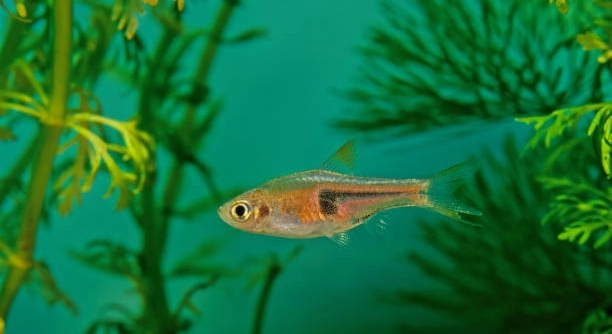
Rasboras are small, lively fish that brighten any aquarium. Watching them swim can be relaxing, but sometimes their energy changes. Subtle shifts in behavior may hint that they need more stimulation and interaction to stay happy.
Rasboras often display boredom through reduced activity, repetitive swimming patterns, and decreased interest in their environment. Environmental enrichment, varied tank decorations, and social interaction with other fish are essential to maintain their mental and physical well-being.
Recognizing these signs early ensures your fish remain healthy and engaged, making their aquatic home more enjoyable for both you and them.
Restless Swimming Patterns
When rasboras are bored, one of the first things you may notice is their swimming patterns. They might swim back and forth along the same route for long periods, almost as if they are pacing. Some may hover near the surface or corner of the tank, showing less interest in exploring other areas. Repetitive swimming can indicate a lack of mental stimulation, especially in tanks with minimal decoration or hiding spaces. Adding plants, rocks, or other obstacles encourages exploration and can break this monotonous behavior. Even small changes, like rearranging tank decorations or adding floating plants, can help. Observing these patterns closely allows you to understand what excites or bores your fish. It’s important to keep the environment dynamic, as rasboras are naturally curious. They need visual interest and variety to stay active. Over time, consistent boredom can affect their health and appetite.
Bored rasboras often appear restless, swimming in the same areas repeatedly, signaling a need for stimulation and environmental changes.
Introducing plants, ornaments, or gentle currents can help rasboras engage with their tank. Movement encourages natural behaviors, keeping them active and reducing stress. Changing their environment gradually prevents sudden disruptions while providing ongoing interest. Small adjustments, like adding floating decorations or rearranging rocks, can make a noticeable difference. These efforts support mental stimulation, which is crucial for overall health. Active fish are more likely to interact socially, explore, and feed consistently. Observing which changes capture their attention helps refine the tank setup over time. A varied environment also mimics natural habitats, improving comfort and reducing stress. Maintaining consistent enrichment routines ensures that rasboras remain curious and energetic, preventing the lethargy often associated with boredom.
Loss of Appetite
A decrease in appetite is a common sign of boredom in rasboras. They may ignore food or eat less eagerly than usual. Changes in diet or feeding schedule can affect their interest temporarily, but persistent disinterest often points to environmental issues. Fish thrive when they feel engaged and safe, so a dull or unchanging tank can reduce their desire to eat. Ensuring a variety of foods, including live or frozen options, can encourage feeding, but enrichment is equally important. Mental stimulation directly influences feeding behavior, making tank design and social interactions essential.
Rasboras showing reduced interest in food may require environmental adjustments, not just dietary changes.
Providing a dynamic environment is key to maintaining healthy feeding habits. Plants, decorations, and hiding spots encourage natural exploration and curiosity, which stimulates appetite. Social interaction with other rasboras also supports normal behavior, as they are schooling fish and respond well to companionship. Changing the tank layout or adding floating plants can make feeding times more engaging, turning them into moments of activity rather than routine. Feeding live or frozen foods occasionally adds variety and triggers natural hunting instincts. Boredom can suppress these instincts, so creating opportunities for engagement helps maintain both physical and mental health. Tracking appetite patterns alongside environmental changes can help you identify what your rasboras enjoy, making your aquarium more vibrant and enjoyable. Over time, these adjustments prevent lethargy and ensure they remain lively, active, and healthy.
Hiding More Than Usual
Bored rasboras often spend extra time hiding behind decorations or plants. This behavior can indicate they are avoiding interaction or stimulation. Lack of activity in their environment makes them seek comfort in secluded spots, which reduces their natural exploratory behavior and social interaction with other fish.
Extended hiding can affect both physical and mental health. When rasboras retreat too often, they miss out on social interaction and regular swimming exercise, which can lead to lethargy. Adding open swimming spaces combined with safe hiding spots encourages balance. Gradually changing the tank layout or adding new plants gives them curiosity and encourages movement. Even small shifts in environment can reduce hiding behavior, helping them remain active. Observing which areas they prefer can guide better tank arrangement for a healthier routine.
Providing new decorations, rearranging plants, and adding floating objects can stimulate activity. This reduces hiding tendencies and encourages interaction. Monitoring their favorite spots helps maintain a comfortable yet engaging environment, promoting a balance between security and exploration.
Reduced Schooling Behavior
Rasboras are naturally social and thrive in groups. When boredom sets in, you may notice them scattering or swimming alone more frequently. Reduced schooling indicates a lack of engagement with both the environment and fellow fish, which can signal mental stagnation.
Maintaining consistent group dynamics and a stimulating environment is essential to prevent isolation. Introducing varied decorations, mild currents, or visual barriers encourages schooling behavior. Observing interactions helps determine if the tank setup meets their social and mental needs. Lack of stimulation can reduce confidence and activity levels, making them less likely to school effectively. Ensuring a proper number of companions supports natural behavior patterns and prevents stress from isolation.
Encouraging schooling requires both social and environmental adjustments. Adding new plants or rearranging structures can spark movement and curiosity, promoting synchronized swimming. Live or floating decorations can create visual interest, motivating them to explore and interact as a group. Mild water flow or current can further stimulate coordinated activity. Tracking group behavior helps maintain healthy social patterns, ensuring rasboras remain active and engaged while preventing boredom-related behavioral changes.
Lethargy and Slow Movements
Bored rasboras often move more slowly and show less energy throughout the day. They may rest on the bottom or cling to decorations instead of swimming actively. Reduced movement is a clear sign that they need more stimulation in their environment.
Lethargy can also affect appetite and social behavior. Without new sights, hiding spots, or companions to interact with, rasboras may become passive. Introducing varied plants, decorations, and gentle currents encourages natural activity and helps restore energy levels. Observing which changes trigger movement allows you to create a more engaging and healthy environment for them.
Ignoring Tank Enrichment
Rasboras may ignore new plants or decorations when bored. Without curiosity, added features fail to capture their interest, leaving the tank underutilized and monotonous.
Frequent Nipping or Restlessness
Persistent boredom can cause rasboras to nip at fins or swim erratically. This behavior is often a sign of pent-up energy and frustration. Regular environmental changes, social interaction, and enrichment activities can help reduce these restless actions and promote calmer behavior.
Staring at Tank Walls
Bored fish often fixate on tank walls or outside objects. This repetitive behavior indicates a need for mental stimulation and environmental variation to maintain natural activity levels.
How can I tell if my rasboras are bored?
Bored rasboras often display repetitive behaviors, such as swimming back and forth along the same path or staying in one corner of the tank for long periods. They may hide more than usual, show reduced schooling behavior, or ignore tank decorations and plants. Watching their activity patterns daily helps identify changes in behavior. Lethargy, slow movements, and decreased appetite are additional signs. Frequent nipping or restlessness can also indicate pent-up energy due to lack of stimulation. Recognizing these signs early allows you to adjust the environment to keep them active and healthy.
What are simple ways to keep rasboras entertained?
Adding new decorations, plants, or hiding spots creates a more engaging environment. Rearranging existing plants or ornaments occasionally encourages exploration. Floating plants or gentle currents can add variety and stimulate natural swimming behavior. Providing different textures and levels in the tank, such as tall plants, rocks, or tunnels, gives fish areas to explore and rest. Offering occasional live or frozen foods promotes natural hunting instincts. Even minor adjustments, like changing the layout or adding small structures, can make the tank feel fresh and interesting. Social interaction is also important, as rasboras are schooling fish that thrive with companions.
How often should I change the tank setup for my rasboras?
Small changes can be made every few weeks, depending on how your fish respond. Rearranging plants or moving decorations slightly prevents boredom while maintaining familiar areas for comfort. Avoid drastic changes that could stress the fish. Observing their behavior after each adjustment helps determine what stimulates them most. Frequent minor updates are better than occasional major rearrangements. Consistency combined with gradual variation keeps them curious and encourages natural activity.
Are there specific foods that help prevent boredom?
Variety in diet can reduce boredom and stimulate natural behavior. Live or frozen foods, such as daphnia, brine shrimp, or bloodworms, encourage hunting instincts. Alternating between flakes, pellets, and occasional live food ensures both mental stimulation and balanced nutrition. Changing the feeding method, like scattering food or using feeding rings, adds interest. Feeding at different locations in the tank encourages exploration and movement. Combining a varied diet with environmental enrichment creates a more engaging experience for your rasboras, supporting both physical and mental health.
Can adding more fish help with boredom?
Yes, rasboras are social fish and feel more comfortable in groups. Increasing their numbers can encourage natural schooling behavior and reduce isolation. However, avoid overcrowding the tank, as this can cause stress and territorial conflicts. Monitor interactions carefully to ensure all fish are compatible. Introducing new companions gradually allows them to acclimate without disrupting existing social dynamics. A properly sized group provides both social stimulation and a sense of security, reducing boredom-related behaviors like hiding, lethargy, or erratic swimming.
Is there a way to make feeding time more engaging?
Feeding time can be an opportunity for enrichment. Scattering food throughout the tank encourages swimming and exploration. Using feeding rings or letting live foods swim freely triggers natural hunting instincts. Varying the type of food keeps meals interesting. Timing and location changes, combined with environmental variation, make feeding a stimulating activity rather than a routine task. This not only reduces boredom but also promotes healthy activity and interaction among the fish.
How can I tell if environmental changes are working?
Observe changes in activity, social behavior, and interest in the tank. Increased swimming, more consistent schooling, reduced hiding, and eagerness during feeding indicate positive results. Restlessness and repetitive behaviors should decrease as enrichment improves. Gradual improvements suggest your adjustments are effective. Keep monitoring to maintain a healthy balance between comfort and stimulation.
Are there decorations that are better than others for preventing boredom?
Live plants, rocks, tunnels, and floating objects are most effective. They create multiple levels and hiding spots, which encourage exploration. Avoid sharp or fragile decorations that could injure the fish. Natural textures and shapes mimic their habitat, keeping them active and mentally engaged. Variety in size and placement ensures that they interact with different areas of the tank regularly.
Can boredom affect health?
Yes, long-term boredom can lead to lethargy, reduced appetite, stress, and weakened immunity. Fish may also develop aggressive or erratic behaviors if not mentally stimulated. Maintaining a dynamic environment with varied decorations, proper group size, and dietary diversity is essential for both mental and physical well-being.
How long does it take to notice improvement after changes?
Some fish respond quickly, showing more activity and interest within days. Others may take a few weeks to adjust fully. Gradual, consistent environmental enrichment allows rasboras to regain natural behaviors without causing stress. Patience and careful observation ensure the changes are effective and sustainable.
Rasboras are small, lively fish that thrive in well-maintained and stimulating environments. Keeping them healthy is not only about feeding and cleaning but also about ensuring their mental and physical well-being. Boredom can show in many ways, such as hiding more than usual, swimming repetitively, or losing interest in food. These behaviors may seem minor at first, but they can affect the overall health of your fish over time. Observing their daily habits closely allows you to notice changes before they become serious problems. Small adjustments, like adding plants, rearranging decorations, or providing gentle water currents, can make a big difference in keeping them active and curious.
Creating a balanced environment is key to preventing boredom in rasboras. These fish are naturally social and enjoy schooling, so having the right number of companions is important. Decorations that provide hiding spaces, plants for swimming through, and open areas for free movement help simulate a more natural habitat. Changing the layout gradually prevents stress while keeping the tank interesting. Even feeding routines can be varied to encourage exploration and natural behavior. Live or frozen foods, scattered feeding, or occasional treats add variety and stimulate activity. The goal is to provide enough stimulation to maintain their energy levels without overwhelming them.
Consistency combined with gentle changes helps rasboras remain happy and healthy. Regular monitoring of behavior, appetite, and social interaction shows whether the environment is working or needs adjustment. Providing mental and physical enrichment supports natural instincts, keeps them active, and reduces behaviors linked to boredom. A tank that balances open space, plants, decorations, and companionship creates a stable, engaging home. By paying attention to subtle changes and making small improvements, you can ensure your rasboras remain lively, active, and comfortable in their habitat. Healthy, curious fish are a pleasure to watch and reflect the care you provide in maintaining a well-planned aquarium.

Hello,
If you enjoy the content that we create, please consider saying a "Thank You!" by leaving a tip.
Every little bit helps us continue crafting quality advice that supports the health, happiness, and well-being of pets around the world, for pets of all shapes, sizes, and species.
We really appreciate the kindness and support that you show us!