
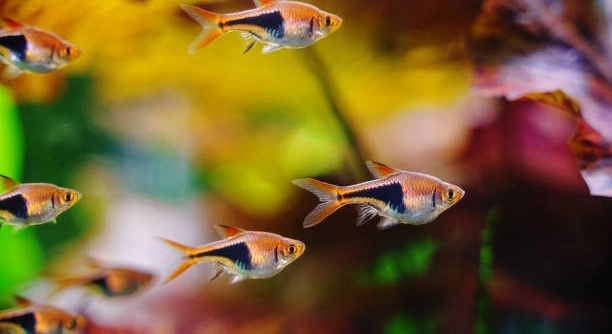
Do your rasboras seem shy when first introduced to a new tank? Over time, their behavior may change as they adjust to their environment and form social bonds with other fish. Observing these patterns can be rewarding.
Rasboras tend to become more social as they acclimate to their environment. Familiarity with tank mates, consistent feeding routines, and a stable habitat encourage group cohesion and reduce stress, promoting more active and interactive behavior over time.
Watching their gradual adaptation can be fascinating, revealing subtle shifts in interactions and group dynamics that enhance the overall aquarium experience.
Early Signs of Social Behavior
When I first introduced my rasboras to a new tank, I noticed subtle interactions that hinted at future social behavior. Initially, they tended to stick to the corners or swim alone, avoiding the more open areas. Over the first few days, some tentative chasing or following occurred, especially around feeding times. These small interactions gradually increased as the fish became more comfortable. Providing plants and hiding spots helped them feel secure, allowing them to explore more confidently. I observed that when the water conditions remained stable, and the temperature and lighting were consistent, the fish displayed less stress. Slowly, they began forming loose groups, swimming in closer proximity, and even mirroring each other’s movements. This transition is gradual, but consistent observation shows that their comfort level directly impacts how social they become. By the second week, their behavior was noticeably more coordinated and lively.
Early interactions often indicate how quickly rasboras will adapt and socialize with tank mates.
Consistency in the tank environment encourages rasboras to interact. Group swimming patterns emerge naturally, and fish learn to establish non-aggressive social hierarchies. Over time, they develop routines, such as synchronized feeding responses and gentle chasing behaviors, which reinforce group cohesion. Providing ample hiding spots and visual barriers reduces tension, allowing shy individuals to gradually join the group. Observing these behaviors reveals how social learning occurs, as more confident fish influence the timid ones. Lighting and water quality also play a role, as stable conditions reduce stress and promote activity. Their increased social engagement can be subtle at first, but with patience, it becomes evident in daily interactions.
Factors That Influence Social Growth
The size of the group significantly affects how social rasboras become. Smaller groups tend to show delayed social development.
Tank size, the number of fish, and environmental enrichment directly impact social behavior. Larger groups create a sense of security, encouraging individuals to explore and interact more confidently. Adequate space allows fish to establish territories without frequent confrontations. Plants, rocks, and hiding spots reduce stress and provide opportunities for playful chasing and schooling. Food distribution also matters—consistent feeding routines prevent competition and promote cooperation within the group. Overcrowding can lead to aggression, while isolated fish may remain timid. Gradual introductions of new tank mates support acclimation, preventing stress-induced withdrawal. Observing interactions daily helps in understanding individual temperaments and social dynamics. When all these factors are balanced, rasboras naturally form cohesive groups, displaying synchronized swimming, shared hiding behavior, and responsive feeding patterns. This structured environment ensures their social growth continues steadily, leading to a lively, interactive aquarium that reflects their natural instincts.
Patience and Observation
I noticed that giving rasboras time to adjust made a big difference. They don’t become social immediately. Watching them daily, even for a few minutes, helps in understanding their comfort level and interactions with each other.
Allowing the fish to settle into their environment without frequent disturbances encourages natural social behavior. I observed that sudden changes in lighting or rearranging decorations often caused hesitation or hiding. Over the first couple of weeks, subtle signs like following each other or briefly swimming side by side became more frequent. By keeping conditions stable and monitoring water quality, the fish gradually became more active and interactive, showing early signs of forming loose social groups. This patience is key to supporting their growth.
Consistent observation also helps identify individual personalities. Some rasboras are naturally bolder, leading the group in movement, while others remain cautious until they feel safe. Recognizing these patterns allows adjustments in tank setup, feeding, and group management, ensuring that even timid fish gradually participate in schooling behavior. This process strengthens social bonds and encourages balanced group dynamics.
Environmental Adjustments
Adding plants and decorations improved their comfort and interaction. They used these areas to hide, rest, and explore, which supported group cohesion.
Environmental enrichment directly impacts social behavior in rasboras. I noticed that a plain tank led to shy and isolated movements, while plants, driftwood, and rocks provided safe spaces for exploration. Hiding spots reduce stress, giving timid fish confidence to join group swimming. Light placement and water flow also influenced activity, as consistent conditions promoted regular movement and interaction. Over time, these adjustments led to more synchronized swimming and gentle chasing behaviors, showing increased social engagement.
Balancing the number of decorations with open swimming space is essential. Too many obstacles limit interaction, while too few leave shy fish exposed. Observing how each fish uses the environment helps fine-tune placement. I arranged plants and rocks in clusters to create visual barriers, allowing smaller subgroups to form naturally. This encouraged timid individuals to join larger groups gradually, increasing overall activity. Feeding locations were also adjusted, spreading food across multiple spots to prevent dominance or stress. These changes resulted in a lively, socially cohesive group, demonstrating how thoughtful environmental adjustments foster positive social growth over time.
Group Size and Dynamics
I found that the number of rasboras in a tank changes how social they become. Small groups tend to stay timid, while larger groups encourage more active swimming and interaction, creating a natural sense of security.
Observing their behavior, I noticed that fish in groups of six or more formed loose schools faster. They followed each other more often, explored the tank together, and displayed synchronized movements. Smaller groups were slower to develop these patterns and sometimes kept to themselves. Group size clearly impacts confidence and social growth, influencing how quickly they become interactive and cohesive.
Feeding Patterns
Regular feeding routines encouraged social behavior. Fish became more predictable and comfortable when food was distributed consistently.
Water Conditions
Stable water temperature and quality made a noticeable difference. Rasboras were more active and willing to interact when the tank environment was consistent.
Individual Personalities
Some rasboras are naturally bolder than others. Recognizing these differences helped me adjust interactions and support timid fish gradually.
FAQ
Do rasboras naturally become social with time?
Yes, rasboras gradually become more social as they adjust to their environment. Initially, they may hide or swim alone, but with consistent care and stable conditions, they begin interacting with other fish. Group swimming, gentle chasing, and synchronized movements usually develop after a few weeks.
How long does it take for rasboras to become social?
The timeline varies depending on the tank setup, group size, and individual personalities. Typically, noticeable social behavior starts appearing after one to three weeks. Fish in larger groups or well-decorated tanks may show social tendencies sooner, while smaller or sparsely decorated tanks may delay these behaviors.
Does tank size affect their social behavior?
Yes, tank size plays a major role. A larger tank provides space for exploring and establishing non-aggressive territories. Overcrowded tanks can lead to stress and reduced interaction, while too small a tank may make timid fish retreat, slowing social development.
What role does water quality play in social growth?
Stable water conditions are crucial. Fluctuations in temperature, pH, or ammonia levels can stress rasboras, making them less willing to interact. Maintaining consistent water parameters encourages activity, confidence, and the gradual formation of social bonds among the group.
How does group size influence social behavior?
Rasboras thrive in groups of at least six or more. Larger groups create a sense of security and encourage synchronized swimming and playful chasing. Smaller groups may remain shy, as fish have less opportunity to learn social cues from peers.
Do individual personalities affect socialization?
Yes, some rasboras are naturally bolder, often leading group activities. Timid individuals may take longer to join in but can gradually become more interactive. Observing individual behaviors allows adjustments in feeding, decorations, and group management to support all fish.
Can environmental enrichment encourage social behavior?
Adding plants, rocks, and hiding spots provides security and opportunities for exploration. Timid fish use these spaces to feel safe while gradually joining group activities. A mix of open swimming areas and visual barriers encourages natural interactions without stress.
Does feeding routine impact their interactions?
Consistent feeding schedules make fish predictable and confident. Distributing food in multiple locations prevents competition and allows timid fish to join the group comfortably. Over time, shared feeding experiences promote cohesion and synchronized behavior.
How can I help shy rasboras become more social?
Patience and observation are key. Avoid sudden changes in tank setup or lighting. Introduce new fish gradually, provide hiding spots, and maintain stable water conditions. Slowly, shy fish gain confidence and start participating in group swimming and feeding behaviors.
Are rasboras more social at certain times of the day?
Rasboras tend to be more active during feeding times or periods of gentle lighting. Observing their natural rhythms helps in understanding when they are most likely to interact, which can inform feeding schedules and tank activities to encourage social growth.
What signs indicate healthy social behavior?
Healthy social behavior includes coordinated swimming, gentle chasing, following peers, and resting together near plants or decorations. Avoiding aggressive interactions and showing curiosity toward tank mates are positive indicators that the group is cohesive and comfortable.
Can stress reverse social development?
Yes, stress from poor water conditions, overcrowding, or sudden changes can cause rasboras to retreat or hide. Timely adjustments in tank maintenance, group management, and environmental enrichment are essential to restore confidence and social activity.
Is it normal for some fish to remain solitary?
Occasionally, a few rasboras may stay on the sidelines longer than others. This is often due to personality differences. With continued stable conditions and gentle encouragement, most will gradually join the group without forced interaction.
How important is consistency in promoting social behavior?
Consistency in water quality, feeding, lighting, and tank setup is vital. Predictable conditions reduce stress, build confidence, and allow natural social behaviors to emerge. Rasboras respond slowly to abrupt changes, so steady care ensures steady social growth.
Can introducing new tank mates affect social behavior?
Yes, adding new fish can temporarily disrupt established social patterns. Gradual introductions, quarantine measures, and observing interactions help minimize stress and allow the group to adjust, ensuring that social bonds continue to develop naturally.
What role does lighting play in social activity?
Lighting affects activity levels and comfort. Gentle, consistent lighting encourages exploration and interaction, while sudden changes or overly bright conditions may cause hiding or reduced activity. Balancing natural day-night cycles supports overall social growth.
Are there signs that indicate a problem in social development?
Persistent isolation, aggression, or lethargy can indicate stress, illness, or unsuitable tank conditions. Addressing water quality, tank layout, or group size issues promptly helps restore normal social behavior and overall health.
Can social behavior vary between species of rasboras?
Yes, different rasbora species have varying temperaments. Some are naturally more gregarious, while others may be reserved. Researching specific species requirements ensures that tank conditions and group size support optimal social interaction.
How can I track the progress of social behavior?
Daily observation and note-taking on group swimming patterns, feeding responses, and individual interactions help track progress. Small changes over time reflect comfort levels, confidence, and the overall development of social cohesion.
Does tank decoration influence the speed of socialization?
Strategic decoration placement encourages natural interactions. Open spaces for swimming combined with hiding spots allow timid fish to observe and gradually join group activities. Rearranging decorations too frequently can slow socialization by creating stress and uncertainty.
Is it beneficial to have mixed species with rasboras?
Compatible tank mates can enhance activity without causing stress. However, aggressive or overly dominant species may hinder social growth. Careful selection and observation ensure that rasboras remain confident and continue developing social behaviors naturally.
Can social behavior improve the health of rasboras?
Yes, social engagement reduces stress, encourages activity, and promotes natural feeding patterns. Active, confident fish tend to have better immune responses and overall well-being, highlighting the link between social behavior and health.
How do I know when my rasboras are fully socialized?
Full socialization is indicated by cohesive group swimming, minimal hiding, shared feeding routines, and regular playful interactions. While personalities differ, consistent behavior across most of the group shows that they have adapted socially to their environment.
Does water flow affect social behavior?
Moderate water flow encourages movement and exploration, supporting interaction. Strong currents can stress fish, while stagnant water may reduce activity. Adjusting flow to suit rasboras’ comfort promotes natural schooling and social engagement.
Are there seasonal changes in social behavior?
Rasboras’ activity may slightly vary with seasonal lighting changes or water temperature fluctuations. Maintaining stable conditions minimizes disruption, ensuring that social patterns remain consistent throughout the year.
Can rasboras form bonds with specific individuals?
Yes, they often form loose partnerships within the group. These bonds are seen in synchronized swimming and mutual following. While not permanent, these temporary bonds strengthen group cohesion and promote overall social stability.
Is social behavior influenced by diet?
A balanced diet supports energy levels and activity. Adequate nutrition encourages active swimming, group interactions, and playful chasing behaviors. Inconsistent or insufficient feeding can lead to reduced social engagement and lethargy.
How do I handle aggressive behavior in rasboras?
Mild chasing is normal, but persistent aggression requires intervention. Adjusting group size, rearranging decorations, or separating overly dominant individuals helps restore balance and supports healthy social interactions.
Can lighting schedules mimic natural behavior?
Yes, consistent day-night cycles promote regular activity and social engagement. Rasboras respond to gradual transitions in lighting, which supports confidence in exploring and interacting with other fish.
Are there signs of stress that inhibit social behavior?
Hiding, rapid breathing, clamped fins, or reduced movement indicate stress. Addressing tank conditions, water quality, and group dynamics can restore confidence and encourage social interactions.
Does age affect socialization?
Younger rasboras may take longer to develop social skills, while older fish often display established patterns faster. Patience and observation are key in supporting all age groups.
Can social behavior improve breeding success?
Yes, confident and active fish are more likely to engage in spawning behaviors. Strong social bonds reduce stress, which enhances reproductive readiness and overall health in the group.
How often should I observe their social behavior?
Daily, brief observation is sufficient. Noting interactions, group cohesion, and feeding patterns allows for timely adjustments and ensures steady development of social behaviors.
Is it normal for behavior to fluctuate?
Yes, minor fluctuations are normal due to stress, tank changes, or individual mood. Stable conditions help maintain consistent social patterns over time.
Can water temperature adjustments encourage activity?
Slight temperature variations within recommended ranges can increase movement and interactions. Sudden or extreme changes, however, may cause stress and reduce social engagement.
Do rasboras ever become fully socialized with other species?
Yes, compatible species can integrate into schooling behavior. Observing interactions ensures that the group remains balanced and stress-free while maintaining natural social dynamics.
Can lighting color affect comfort and social activity?
Soft, natural lighting encourages exploration and confidence. Harsh or overly bright lights can inhibit movement, causing timid fish to hide and delaying social development.
Does tank maintenance schedule impact social behavior?
Regular maintenance, including water changes and cleaning, supports a stable environment. Irregular schedules may create stress, reducing confidence and social interactions.
How do I encourage shy fish to join group swimming?
Provide hiding spots near open areas, maintain gentle lighting, and allow time. Gradually, timid individuals gain confidence and start participating in group behaviors.
Can social behavior predict overall health?
Active, interactive fish are usually healthy. Lethargy, hiding, or lack of interaction often signals stress, illness, or unsuitable tank conditions that need attention.
Is it normal for some rasboras to remain on the outskirts?
Yes, certain personalities may prefer peripheral areas initially. With time and stable conditions, most gradually integrate into the main group, contributing to overall cohesion.
How does feeding type influence interactions?
Variety in diet keeps fish engaged and active. Live or frozen foods often stimulate movement and group activity more than dry flakes alone, encouraging social engagement.
Can rearranging tank decorations affect social dynamics?
Yes, changes may temporarily disrupt group patterns. Gradual adjustments help fish explore safely, encouraging timid individuals to participate without stress.
Do rasboras show leadership behavior in social groups?
Yes, bolder fish often lead swimming patterns and exploration. This helps the group coordinate movements, and shy individuals learn social cues from these leaders.
How do I know if social growth is progressing well?
Signs include increased group swimming, reduced hiding, synchronized feeding, and playful chasing. Regular observation confirms that fish are comfortable and interactive.
Are there environmental triggers that temporarily reduce social behavior?
Sudden changes in water conditions, lighting, or tank additions can cause temporary withdrawal. Maintaining stable conditions helps fish regain confidence and return to normal interactions.
Do all rasboras socialize at the same rate?
No, individual differences exist. Bold fish engage quickly, while timid ones need time. Consistent care and patience ensure gradual inclusion of all fish in group activities.
Can social behavior be enhanced with companions of the same species?
Yes, increasing numbers of the same species encourages schooling, following, and playful interactions, reinforcing natural social behavior.
Is observing social behavior important for long-term care?
Monitoring interactions helps identify stress, aggression, or health issues early, allowing adjustments that support a healthy, cohesive group over time.
Do rasboras respond differently to humans based on social comfort?
Yes, confident fish may approach glass during feeding, while timid ones remain hidden. Over time, social comfort encourages more visible and interactive behavior around humans.
Can feeding frequency impact social activity?
Regular feeding schedules promote predictable interactions and group cohesion. Irregular feeding may increase competition, stress, and reduce social engagement.
How does tank depth affect interaction?
Moderate depth allows comfortable schooling and exploration. Very shallow or deep tanks may limit movement and affect the development of synchronized swimming.
Are there indicators that shy fish are becoming social?
Signs include following peers, exploring open areas, and joining feeding sessions. Gradual inclusion in group activities shows growing confidence.
Does water clarity influence social behavior?
Clear water reduces stress and allows fish to see each other, encouraging interaction. Murky water can lead to hiding and less visible group behavior.
Can introducing new plants stimulate activity?
Yes, new structures encourage exploration and provide safe spaces for timid fish, supporting gradual participation in group swimming and social behaviors.
How important is tank stability for social development?
Very important. Consistent water conditions, lighting, and group composition minimize stress and allow natural social behaviors to emerge steadily.
Do rasboras remember previous interactions?
They display recognition patterns within their group, responding to familiar peers with coordinated swimming and following, indicating memory of social interactions.
How do I balance group size for optimal social growth?
Maintain at least six individuals for cohesion while avoiding overcrowding. Monitor interactions to ensure all fish are participating comfortably in group activities.
Can social interactions reduce stress?
Yes, cohesive schooling and gentle chasing behaviors provide comfort and security, reducing anxiety and encouraging active, confident behavior in the tank.
Are there long-term benefits to socialized rasboras?
Socialized fish are more active, less stressed, and display natural behaviors, contributing to better health, improved feeding efficiency, and a more dynamic tank environment.
Do rasboras show seasonal changes in social behavior?
Minor fluctuations can occur due to lighting or temperature changes. Stable tank conditions minimize disruptions, keeping social patterns consistent year-round.
How do I support social growth during tank rearrangements?
Move decorations gradually, provide familiar hiding spots, and maintain stable water conditions. This helps shy fish adapt without retreating from group interactions.
Can individual differences impact group cohesion?
Yes, balancing bold and timid personalities ensures overall social stability. Observing behavior allows adjustments in tank setup and group management to support all fish.
Does water hardness affect social behavior?
Moderate, stable water hardness supports comfort and activity. Sudden changes may stress fish, reducing interaction and social growth.
Are rasboras naturally schooling fish?
Yes, schooling is instinctive. Proper group size and stable conditions enhance this behavior, making socialization more predictable and consistent.
Can social behavior indicate overall happiness?
Active, cohesive groups suggest content, confident fish. Persistent hiding or isolation signals stress or discomfort that may require intervention.
Does tank temperature stability influence social cohesion?
Yes, consistent temperatures promote regular movement and group interactions. Sudden shifts can disrupt social patterns and reduce activity.
How can I encourage timid fish without stress?
Provide hiding spots near open areas, maintain stable conditions, and allow gradual exposure to peers. Over time, timid fish join group activities confidently.
Are all rasboras equally social?
No, individual personalities vary. Bold fish lead and engage quickly, while others require time. Balanced observation and patience ensure all fish integrate into the group.
Do environmental cues trigger social behavior?
Yes, light, water flow, and feeding locations guide movement and interactions. Predictable cues promote confidence and group cohesion, supporting natural social development.
Can social behavior improve over generations?
Yes, offspring raised in stable, enriched environments with proper group sizes tend to display social behaviors sooner and more consistently than first-generation fish in sparse setups.
Is monitoring social behavior important for breeding?
Observing interactions helps identify compatible pairs and ensures confident, stress-free fish, increasing the likelihood of successful spawning and healthy offspring.
Can minor tank disturbances temporarily reduce interaction?
Yes, short-term changes may cause hiding or hesitation. Stable conditions and gradual adjustments help fish regain normal social activity.
Do rasboras interact differently with juveniles?
Juveniles often follow older fish to learn group behaviors. Gradual exposure encourages schooling and participation without causing stress or aggression.
Does tank lighting intensity influence shy fish?
Lower, gentle lighting encourages exploration, allowing timid individuals to observe and gradually join group swimming, enhancing social growth.
Can adding new individuals stimulate activity?
Yes, introducing compatible fish can encourage movement and interaction, but gradual acclimation prevents stress and supports smooth integration into the group.
Are there signs that social behavior has plateaued?
Once most fish consistently school, share feeding, and interact comfortably, social development is largely complete, though minor adjustments may still occur with environmental changes.
Do rasboras show preference for certain peers?
Occasionally, fish form loose partnerships, swimming closely with specific individuals. These temporary bonds help maintain cohesion and reduce stress within the group.
How important is feeding distribution for social growth?
Spreading food across multiple locations prevents competition, reduces stress, and encourages timid fish to engage in group feeding, reinforcing social cohesion.
Can sudden noises impact social interactions?
Loud or unexpected sounds may cause hiding or scattered movement. Quiet surroundings support confidence and encourage consistent group behavior.
Does water current direction influence schooling?
Moderate currents encourage movement and group coordination. Too strong or irregular flow can stress fish, reducing interaction and schooling behaviors.
How do I maintain social balance with multiple species?
Select compatible species with similar temperament and swimming patterns. Monitor interactions to prevent aggression or isolation, ensuring cohesive social behavior.
Can seasonal light changes affect group dynamics?
Yes, abrupt changes may temporarily alter activity. Consistent, gradual lighting cycles help maintain social patterns throughout the year.
Do rasboras respond to humans more when socialized?
Yes, confident fish are more likely to approach the glass during feeding, while timid individuals may remain hidden until they feel safe.
Are shy fish more likely to become social in larger groups?
Yes, larger groups create a sense of security, encouraging timid fish to join in synchronized swimming and feeding behaviors over time.
Does water chemistry stability impact timid fish integration?
Stable pH, temperature, and hardness reduce stress, allowing cautious individuals to gradually participate in group activities and develop social confidence.
Can rearranging decorations improve interaction?
Gradual, thoughtful adjustments create new exploration opportunities, encouraging timid fish to join group swimming without causing stress or retreat.
Are socialized rasboras more active overall?
Yes, confident, interactive fish display higher activity levels, swim together, explore the tank, and engage in feeding and playful behaviors consistently.
Do rasboras show territorial tendencies in social groups?
Minimal territorial behavior occurs, usually around preferred hiding spots. Balanced tank layout and group size prevent aggression, supporting healthy social dynamics.
Can frequent observation influence behavior?
Brief, calm observation allows monitoring of social patterns without stress. Excessive tapping or disturbances may cause hiding and reduced interaction.
Is it normal for social patterns to change over time?
Yes, minor fluctuations occur due
Rasboras are naturally social fish, but their level of interaction depends on several factors. Observing their behavior over time shows that they gradually become more confident and engaged with tank mates. Initially, many fish may appear shy, hiding in plants or staying close to corners, avoiding open spaces. This cautious behavior is normal, especially when they are first introduced to a new tank or if the environment is not yet familiar. Over time, as they adjust to stable water conditions, lighting, and feeding routines, their behavior changes. They begin to swim closer to each other, follow peers, and explore the tank more freely. These small changes may seem subtle at first, but they indicate that the fish are becoming more comfortable and starting to form social bonds. Providing a consistent environment and observing their daily patterns helps to understand when they feel secure and ready to interact more actively.
The size of the group and the layout of the tank also play a significant role in their social development. Larger groups tend to feel more secure, encouraging synchronized swimming and group feeding behavior. Smaller groups may take longer to develop these patterns, as individual fish have less opportunity to learn from one another. Decorations such as plants, rocks, and hiding spots provide security and encourage exploration without stress. Open swimming areas are also important, as they allow fish to coordinate movement and engage in gentle chasing behaviors, which are part of their natural social activity. Regular feeding schedules and a balanced diet further support this growth by keeping fish active, confident, and engaged. Observing how each fish interacts with the environment and its peers helps identify timid or bold individuals, allowing for adjustments in tank setup to ensure that all fish can gradually participate in group activities.
Patience and consistency are essential when fostering social behavior in rasboras. Rapid changes in the tank, such as sudden rearrangements or unstable water parameters, can cause stress and temporarily reduce interaction. Allowing fish to adjust at their own pace, while maintaining stable conditions, encourages them to gradually integrate into the group. Recognizing individual personalities is also important, as some fish will naturally take longer to socialize than others. By paying attention to these details, it is possible to create a harmonious environment where all members of the group feel secure and active. Over time, social behavior becomes more predictable, resulting in a lively and cohesive community of fish. These patterns are not only beneficial for their comfort and well-being but also make observing the tank more rewarding. Consistently supporting their social growth leads to confident, healthy fish that display natural interactions, synchronized swimming, and engaging group dynamics, reflecting the care and attention provided in maintaining the aquarium.

Hello,
If you enjoy the content that we create, please consider saying a "Thank You!" by leaving a tip.
Every little bit helps us continue crafting quality advice that supports the health, happiness, and well-being of pets around the world, for pets of all shapes, sizes, and species.
We really appreciate the kindness and support that you show us!