
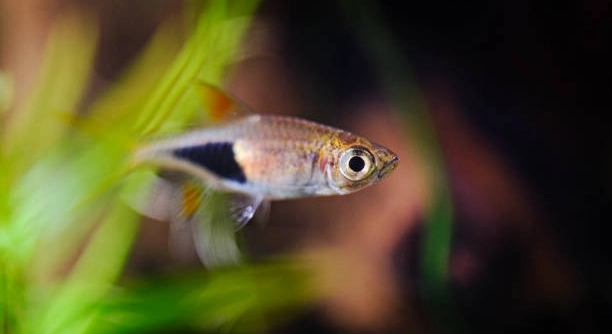
Are your rasboras suddenly swimming in tight, constant circles around your aquarium? This unusual behavior can be concerning for any fish keeper. Observing their patterns closely helps in understanding whether it is normal or a sign of stress.
Rasboras often swim in tight circles due to stress, poor water quality, or the presence of illness. Monitoring their environment, maintaining stable water parameters, and ensuring proper nutrition are key factors in addressing this behavior.
Recognizing these signs early allows you to take action before serious health issues arise. Understanding their behavior will help maintain a happier, healthier aquarium environment.
Common Causes of Circular Swimming
One of the main reasons rasboras swim in tight circles is stress. Stress can come from overcrowding, sudden changes in water temperature, or a tank that is too small. Poor water quality is another frequent factor. High levels of ammonia or nitrites, or even fluctuating pH, can affect their swimming patterns. Illnesses, including parasites or bacterial infections, may also trigger this behavior. Sometimes, it is related to diet. Lack of proper nutrients can make fish restless and lead them to swim repetitively. Observing their behavior carefully over several days can help identify patterns and potential triggers. Adjusting tank conditions gradually and ensuring a balanced diet often improves their overall well-being.
Keeping a consistent water temperature and feeding schedule can reduce stress and discourage repetitive swimming behaviors. Small adjustments can have noticeable effects quickly.
Maintaining proper water parameters is critical. Testing water regularly and performing partial water changes prevent toxic buildup. Providing hiding spots and plants gives rasboras a sense of security, which can decrease stress-induced circular swimming. Balanced nutrition, including occasional live or frozen foods, supports their immune system. Monitoring for signs of illness, like changes in color, fin damage, or lethargy, allows early treatment. By addressing environmental and health factors, most cases of tight-circular swimming can be resolved, creating a more peaceful tank and healthier fish overall.
When to Seek Help
If the behavior persists despite stable conditions, professional advice may be needed. Observing other symptoms helps in identifying serious issues.
Persistent circular swimming can indicate severe stress or illness that requires intervention. Consulting a veterinarian or experienced aquarist ensures proper diagnosis and treatment. Proper guidance can prevent worsening health problems and improve the tank’s overall balance.
Environmental Adjustments
Proper tank setup reduces stress and abnormal swimming. Maintaining clean water, stable temperature, and gentle filtration is essential. Adding plants and hiding spots gives rasboras comfort and security. Overcrowding should be avoided to allow enough swimming space and minimize aggression.
Regular water changes and testing prevent toxic buildup. Removing uneaten food and debris keeps the environment healthy. Adjusting lighting and flow can also influence behavior. Observing how rasboras respond to small changes helps identify the best setup for their needs. Ensuring a consistent routine for feeding and maintenance supports their overall stability.
Using natural decorations like rocks and live plants creates a familiar habitat. This reduces anxiety and encourages normal swimming. Structured hiding areas help rasboras feel safe during feeding or when startled. Gradually introducing changes allows them to adapt without triggering panic. Monitoring daily behavior ensures adjustments are effective and keeps the tank balanced for long-term health.
Diet and Nutrition
Balanced nutrition is key to reducing erratic swimming and improving overall health. Feeding a variety of quality flakes, pellets, and occasional live or frozen foods meets their dietary needs.
Providing foods rich in vitamins and proteins supports growth and strengthens immunity. Avoid overfeeding, as excess waste can degrade water quality and cause stress. Rotating food types ensures they receive a complete nutrient profile. Offering small portions multiple times a day prevents hunger-induced restlessness. Supplements or occasional treats, like brine shrimp, can enhance energy and coloration.
Observing eating habits helps detect early signs of illness or nutrient deficiency. Uneaten food should be removed promptly to maintain water quality. Maintaining a structured feeding schedule builds predictability, reducing anxiety-related behaviors like tight-circular swimming. Combining a balanced diet with proper tank conditions ensures healthier, calmer rasboras, supporting both their physical and mental well-being over time.
Observing Behavior Patterns
Tracking rasboras’ daily movements helps identify unusual patterns. Noting when they swim in circles and under what conditions can reveal potential stressors or environmental issues. Consistent observation is key to preventing long-term health problems.
Recording behavior alongside water parameters and feeding times allows for clear connections. Patterns often indicate causes like temperature shifts, overcrowding, or diet changes. Understanding these trends helps in making precise adjustments to improve comfort and reduce stress-related swimming behaviors.
Identifying Illness Signs
Rasboras showing lethargy, faded colors, or torn fins may be ill. Close attention to these signs allows for early intervention. Promptly addressing illness can prevent spread and improve recovery chances. Maintaining clean water and a balanced diet supports healing and strengthens their immune system.
Tank Hygiene Practices
Regular cleaning and water changes are essential for rasboras’ well-being. Removing debris, uneaten food, and waste keeps the environment safe and reduces stress. Clean tanks promote normal swimming behavior and overall health.
FAQ
Why are my rasboras swimming in tight circles suddenly?
Sudden tight-circular swimming is usually caused by stress or changes in the environment. It can result from water quality fluctuations, overcrowding, or sudden temperature shifts. Illness or nutrient deficiencies may also trigger this behavior. Observing your fish closely and checking water parameters often identifies the issue quickly.
How can I tell if it is stress or illness?
Stress usually comes with normal feeding habits and occasional bursts of frantic swimming. Illness often shows additional signs like faded color, clamped fins, abnormal spots, or lethargy. Noting all symptoms and comparing them to water and tank conditions helps determine the cause.
What water parameters are ideal for rasboras?
Rasboras thrive in a temperature range of 72–78°F (22–26°C), a pH of 6.0–7.5, and soft to moderately hard water. Regular testing for ammonia, nitrites, and nitrates ensures these levels remain safe and stable for healthy swimming behavior.
Can diet affect circular swimming?
Yes, a poor or unbalanced diet can lead to restlessness. Rasboras need high-quality flakes, pellets, and occasional live or frozen foods. Providing variety and proper nutrition strengthens immunity, reduces stress, and encourages normal swimming patterns. Overfeeding should be avoided to prevent water quality issues.
How often should I clean the tank?
Partial water changes of 20–30% once a week are usually sufficient. Removing debris, uneaten food, and waste is also essential. Regular cleaning prevents toxin buildup that can stress the fish and trigger tight-circular swimming. Maintaining filtration and checking equipment ensures a healthy environment.
Do rasboras need hiding spots?
Yes, plants, rocks, and decorations provide security. Hiding spots reduce anxiety and make them feel safer, especially if they are stressed or shy. A well-structured tank encourages natural behavior and reduces repetitive swimming caused by fear or discomfort.
Can tank mates cause this behavior?
Aggressive or overly active tank mates can stress rasboras, prompting circular swimming. Observing interactions and choosing compatible species is important. Keeping them in small groups of their own kind can also promote calm and coordinated swimming.
When should I seek professional help?
If tight-circular swimming continues despite stable water, proper nutrition, and environmental adjustments, consulting a veterinarian or experienced aquarist is recommended. Persistent abnormal behavior may indicate illness or neurological issues requiring professional intervention. Early treatment increases recovery chances.
Is temperature fluctuation a common cause?
Yes, sudden changes in water temperature can stress rasboras and cause erratic swimming. Using a reliable heater and thermometer helps maintain a stable environment. Gradual adjustments are safer if temperature changes are needed, preventing panic behavior in the fish.
Can overstocking the tank affect their behavior?
Overcrowded tanks limit swimming space and increase competition for resources. This often leads to stress, aggressive behavior, or repetitive swimming patterns. Ensuring appropriate stocking density for the tank size keeps rasboras comfortable and reduces tight-circular swimming incidents.
Do lighting conditions matter?
Lighting affects mood and activity levels. Excessive brightness or inconsistent lighting schedules can stress rasboras. Moderate lighting and a consistent day-night cycle help maintain normal swimming patterns and reduce anxiety-driven behaviors.
How long does it take for rasboras to return to normal?
The timeframe varies depending on the cause. Environmental improvements often show results within a few days, while recovery from illness may take longer. Consistent care, monitoring, and patience are key to restoring healthy, calm swimming behavior.
Can medications help?
Medications should only be used when illness is confirmed. Unnecessary treatment can stress fish further or harm water quality. Correct diagnosis and targeted treatment, combined with proper tank maintenance, are the most effective solutions.
Are there preventive measures I can take?
Yes, maintaining stable water parameters, providing balanced nutrition, including hiding spots, and avoiding overcrowding are the best preventive steps. Regular observation allows early detection of stress or illness, reducing the chances of tight-circular swimming recurring.
Does age affect swimming patterns?
Young rasboras may swim more actively and explore frequently, while older fish tend to be calmer. Age-related changes in energy levels can influence swimming, but persistent tight-circular swimming in older fish should still be monitored for stress or health issues.
Can water flow in the tank impact behavior?
Strong currents can tire fish or force them to swim in circles. Adjusting the filter or adding decorations to break flow patterns creates calmer areas, promoting natural swimming behavior and reducing stress-related repetitive motion.
Is group size important for rasboras?
Yes, rasboras are schooling fish. Small groups of at least six allow them to feel secure and swim naturally. Being isolated or in too small a group can increase stress and trigger tight-circular swimming. Balanced group dynamics support healthier behavior overall.
How can I monitor improvements effectively?
Keeping a simple log of water parameters, feeding routines, and daily behavior helps track changes. Observing responses to adjustments in diet, tank setup, or lighting shows whether interventions are working and ensures rasboras return to normal swimming patterns.
What role does pH stability play?
Fluctuating pH levels can stress rasboras and cause erratic swimming. Regular testing and gradual corrections maintain stability. Using buffering agents carefully or natural substrates can help keep pH within the ideal range for calmer, healthier fish.
Can seasonal changes affect their behavior?
Yes, changes in room temperature, lighting, or water evaporation can indirectly impact rasboras. Monitoring conditions during seasonal shifts and making gradual adjustments helps maintain a stable environment and prevents stress-induced circular swimming.
Final Thoughts
Observing rasboras swim in tight circles can be worrying, but it is often a sign that they are reacting to stress or environmental changes rather than an immediate threat. Maintaining a stable, clean tank with proper water parameters is essential for their overall well-being. Small adjustments, like adding plants, rocks, or gentle hiding spots, can make a significant difference in reducing stress and encouraging normal swimming patterns. Consistent maintenance, such as partial water changes and checking filtration, helps prevent the buildup of harmful substances that may trigger abnormal behaviors. Overcrowding and poor water quality are among the most common contributors, and addressing these factors promptly can restore balance in the tank. By carefully observing their behavior, you can often identify patterns that reveal what is causing the circular swimming and take steps to improve their comfort and security.
Diet also plays a critical role in the health and behavior of rasboras. Providing a balanced mix of high-quality flakes, pellets, and occasional live or frozen foods ensures that they receive the necessary nutrients for growth and immunity. Overfeeding should be avoided, as leftover food can degrade water quality and increase stress. A structured feeding schedule helps maintain consistency, giving the fish a sense of routine and stability. Nutritional support strengthens their immune system, which can reduce susceptibility to illness and prevent behaviors that stem from discomfort or restlessness. Monitoring feeding habits allows early detection of any potential health issues, such as decreased appetite or unusual activity levels, which may be connected to their circular swimming patterns. Attention to both diet and water conditions forms the foundation of a healthy, calm environment for your rasboras.
Regular observation and prompt intervention are key to ensuring that rasboras remain healthy and active without resorting to repeated tight-circular swimming. Keeping a log of water parameters, feeding schedules, and behavior trends can help identify stressors and evaluate the effectiveness of adjustments. Environmental factors, such as tank mates, water flow, and lighting, should be considered, as these can influence comfort and activity levels. If abnormal behavior persists despite proper care, consulting a professional or experienced aquarist may be necessary to rule out illness or more serious underlying issues. By combining careful tank management, balanced nutrition, and attentive monitoring, you can create a stable and supportive environment where rasboras thrive. This approach not only encourages normal swimming behavior but also promotes long-term health, allowing you to enjoy a peaceful and vibrant aquarium.

Hello,
If you enjoy the content that we create, please consider saying a "Thank You!" by leaving a tip.
Every little bit helps us continue crafting quality advice that supports the health, happiness, and well-being of pets around the world, for pets of all shapes, sizes, and species.
We really appreciate the kindness and support that you show us!