
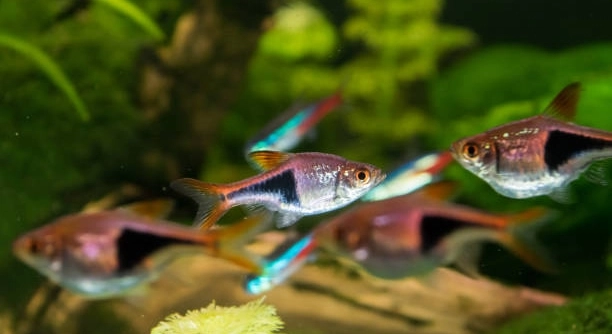
Are your rasboras showing signs of stress or crowded behavior in your aquarium? Many aquarists struggle with keeping the right population density to maintain a healthy and balanced environment for these small, active fish.
Overcrowding in a rasbora tank can lead to aggression, stunted growth, and poor water quality. Maintaining proper stocking levels, providing sufficient swimming space, and implementing appropriate tank management strategies are essential to prevent these negative outcomes.
Proper planning and monitoring of your tank can make a significant difference. Following the right strategies ensures your rasboras stay healthy, active, and stress-free in their aquatic environment.
Understanding Rasbora Space Requirements
Rasboras are small schooling fish, but they still need ample space to swim freely. Crowded tanks can cause stress, which affects their health and behavior. Each fish requires enough room for movement, hiding, and natural schooling patterns. Overcrowding often leads to increased aggression, constant darting, and reduced feeding efficiency. Observing your tank’s population and comparing it to recommended stocking levels can prevent these issues. A common guideline is to allow at least one gallon of water per inch of fish, but additional space improves comfort and reduces stress. Plants and decorations can help break up swimming areas, providing hiding spots and visual separation that mimic their natural environment. Balancing open swimming areas with structured spaces encourages natural behavior while maintaining social cohesion within the school. Regularly measuring tank dimensions and assessing fish growth ensures that adjustments can be made before overcrowding becomes a problem.
Proper spacing promotes calm, healthy fish that interact naturally and thrive.
Planning tank layout thoughtfully helps create an environment where rasboras can flourish without competition or stress, supporting both their physical and social needs.
Managing Tank Population
Maintaining an appropriate number of rasboras is essential to avoid overcrowding. Too many fish in one tank can quickly degrade water quality.
Careful population management involves monitoring growth and reproduction. Over time, a school may increase in size, making periodic adjustments necessary. Separating juveniles or relocating excess fish can prevent stress and aggression. Tracking the number of fish and their size ensures the tank remains within safe limits. Additionally, avoiding impulsive purchases and adding fish gradually allows the environment to stabilize, supporting overall health. Balanced feeding and consistent cleaning routines complement population control, reducing waste buildup and preventing illness. Creating a plan for unexpected breeding events helps maintain stability. By keeping numbers appropriate for the tank size, rasboras can swim freely, interact peacefully, and display their natural schooling behavior. Thoughtful management prevents overcrowding before it affects the ecosystem.
Regular Water Maintenance
Frequent water changes help maintain quality and prevent overcrowding-related stress. Clean water reduces toxins, supports healthy fish growth, and stabilizes the tank environment.
Removing 20-30% of the water weekly keeps ammonia and nitrate levels low. Filtration efficiency should match tank size and population. Overcrowded tanks produce more waste, so adjusting water change frequency is essential. Observing water clarity, odor, and fish behavior helps determine if maintenance routines are effective. Using a gravel vacuum prevents debris accumulation, which can otherwise harbor harmful bacteria. Testing water parameters ensures conditions remain within safe ranges. Maintaining consistent schedules reduces stress and supports healthy schooling patterns.
Regular maintenance also prevents algae overgrowth and keeps decorations clean. A well-maintained tank provides comfort, space, and stability for rasboras, promoting longevity and natural behavior patterns.
Choosing the Right Tank Size
Selecting an appropriately sized tank is vital for controlling overcrowding. Small tanks limit movement, causing stress and stunted growth.
A larger tank provides more swimming space, reduces territorial disputes, and allows for a proper school. Each rasbora needs at least one gallon per inch of body length, but additional space enhances comfort. Tanks with open areas and planted sections balance freedom of movement with hiding spots, supporting natural behavior. Monitoring fish growth ensures the tank remains suitable over time. Gradually adding new fish allows the environment to stabilize, preventing sudden population surges. A proper tank size simplifies maintenance, improves water quality, and encourages peaceful interaction.
Properly sized tanks also make it easier to manage water chemistry and distribute feeding evenly, ensuring all fish thrive. Careful consideration of dimensions and layout supports a harmonious and healthy rasbora school.
Avoid Overfeeding
Overfeeding increases waste, leading to poor water quality and overcrowding stress. Feed small portions that the fish can consume within two minutes.
Excess food decomposes quickly, raising ammonia levels and promoting algae growth. Stick to a consistent feeding schedule to maintain a healthy tank environment.
Provide Hiding Spots
Including plants, rocks, and decorations creates safe spaces for rasboras. These areas reduce stress, aggression, and territorial disputes within the school.
Well-placed hiding spots break up open swimming areas, allowing shy or smaller fish to retreat when needed. This promotes balanced social behavior and prevents dominant fish from controlling the entire tank.
Monitor Fish Health
Regular observation of behavior and appearance is crucial. Healthy fish are active, eat well, and show no signs of stress or disease.
Early detection of illness or stress prevents issues from escalating. Maintaining clean water, proper population levels, and adequate nutrition supports long-term health and reduces the risk of overcrowding complications.
How many rasboras can I keep in a 20-gallon tank?
A 20-gallon tank can comfortably house about 15 to 20 small rasboras. This allows each fish enough swimming space and reduces stress. Overcrowding in even moderately sized tanks can quickly lead to poor water quality and aggressive behavior.
What happens if my tank is overcrowded?
Overcrowding increases stress, reduces growth rates, and can cause aggression among rasboras. Poor water circulation and higher waste levels lead to ammonia and nitrate buildup, which harms fish health. Behavioral changes, such as constant darting and hiding, indicate that the tank is overpopulated.
How do I prevent overcrowding in a growing school?
Monitor fish growth and separate juveniles if necessary. Gradually introducing new fish helps the population stabilize. Planning ahead for potential breeding events or relocation can prevent sudden overcrowding and maintain a balanced tank ecosystem.
Is tank size more important than decorations for rasboras?
Tank size directly affects swimming space, while decorations provide hiding spots and social boundaries. Both are important, but open swimming space should take priority. Overdecorating a small tank can reduce effective swimming areas and stress the fish.
How often should I perform water changes to prevent overcrowding effects?
Weekly water changes of 20-30% are recommended for a moderately stocked tank. Overcrowded tanks may require more frequent changes. Regular water testing ensures ammonia and nitrate levels remain safe, supporting fish health and reducing stress.
Can overfeeding mimic signs of overcrowding?
Yes, overfeeding increases waste and can reduce water quality, creating conditions similar to overcrowding. Stick to small portions and remove uneaten food promptly to maintain clean water and prevent stress in your rasboras.
Are live plants helpful in preventing overcrowding stress?
Live plants provide hiding spaces and help maintain water quality by absorbing excess nutrients. They reduce aggressive interactions and offer visual separation within the tank, making a school of rasboras feel less cramped.
How can I tell if my rasboras are stressed due to overcrowding?
Signs include constant hiding, darting, loss of appetite, and color fading. Monitoring behavior daily helps detect stress early. Adjusting population, tank layout, or water maintenance can quickly alleviate overcrowding stress.
Should I separate new rasboras from an existing school?
Yes, introducing new fish gradually prevents territorial disputes. Quarantining new arrivals for a few weeks also protects existing fish from potential diseases and allows the school to adapt naturally.
Does filtration affect overcrowding management?
Efficient filtration helps maintain water quality, especially in densely populated tanks. It removes debris and toxins that accumulate from fish waste, reducing stress and supporting healthy growth even if the tank is moderately stocked.
How do I plan for a tank’s future population?
Consider adult size and potential breeding when buying rasboras. Avoid adding too many fish at once, and prepare extra tanks or plan for relocation to keep the environment stable. Proper planning reduces stress and prevents sudden overcrowding issues.
What are the risks of ignoring overcrowding signs?
Ignoring overcrowding leads to chronic stress, disease outbreaks, stunted growth, and higher mortality rates. Fish may become aggressive, and water quality deteriorates rapidly. Addressing population and tank conditions promptly ensures a healthy, peaceful environment.
Can tank shape influence overcrowding effects?
Yes, longer tanks provide more horizontal swimming space, which suits schooling fish like rasboras. Tall but narrow tanks may appear spacious but limit movement and increase stress if stocking levels are high.
Are there any behavioral tips to keep rasboras comfortable in groups?
Maintain proper school sizes, provide hiding spots, and avoid sudden changes in tank layout. Consistent feeding and clean water support social cohesion, reducing stress and promoting natural schooling behavior.
How important is regular observation for preventing overcrowding issues?
Daily checks allow early detection of stress, illness, or behavioral changes. Prompt adjustments in population, feeding, or water maintenance prevent problems from escalating, ensuring a balanced and healthy tank.
Can I mix rasboras with other species to reduce overcrowding stress?
Compatible, peaceful species can share space, but the tank must remain adequately sized. Avoid aggressive or territorial fish, as they may stress rasboras and worsen overcrowding issues.
Do juvenile rasboras require different care to prevent overcrowding?
Juveniles grow quickly, so tracking their numbers and separating some individuals when necessary helps maintain proper tank density. Regular monitoring prevents sudden overcrowding as the fish mature.
How does tank decoration placement affect stress levels?
Strategically placed plants and rocks create visual barriers and safe zones. Proper placement reduces conflict, allows hiding, and encourages natural schooling, minimizing stress from crowding.
Are there any signs that my rasboras have adapted well to tank population?
Healthy appetite, vibrant color, consistent schooling, and calm behavior indicate that the tank population is well managed. Fish display natural activity without excessive hiding or aggression.
What is the best approach to long-term overcrowding prevention?
Combine proper stocking, regular maintenance, tank planning, and careful observation. Gradual introductions, adequate tank size, and environmental enrichment create a stable, stress-free environment for rasboras to thrive over time.
How do I safely reduce an overcrowded tank population?
Relocate some fish to other tanks or give them to other aquarists. Avoid sudden large removals; reduce numbers gradually to maintain stability and prevent stress among remaining fish.
Can automated feeding or water systems help manage overcrowding?
Yes, automatic feeders ensure consistent portion sizes, reducing waste. Automated water change systems help maintain water quality, supporting a healthy population and mitigating overcrowding effects.
Does temperature control influence overcrowding stress?
Stable water temperature keeps metabolism and activity normal. Fluctuations combined with high population density increase stress, aggression, and susceptibility to disease. Maintain recommended temperature ranges for rasboras.
Are there any preventive strategies for rapid population growth?
Monitor breeding, separate males and females if necessary, and plan tank additions carefully. Controlling reproduction helps maintain safe densities and reduces overcrowding-related stress.
Can overcrowding impact lifespan?
Yes, stress, poor water quality, and disease from overcrowding reduce lifespan. Maintaining proper population, clean water, and adequate space is essential for longevity and overall health.
How often should I reassess tank population?
Regularly, at least monthly, and whenever fish grow or new ones are added. Reassessment ensures density remains safe, preventing the negative effects of overcrowding before they become severe.
Are certain rasbora species more sensitive to overcrowding?
Some species, like the harlequin rasbora, are more active and schooling-dependent. They require more space and are more prone to stress in crowded conditions compared to less active species.
Does lighting affect overcrowding stress?
Bright lighting can increase visibility and stress in a crowded tank. Balanced lighting with shaded areas and plants helps reduce tension and supports natural behavior in rasboras.
Is quarantine necessary for new additions to prevent overcrowding issues?
Yes, quarantining new fish protects the existing school from disease and allows gradual integration. This prevents sudden stress and maintains overall tank stability.
Can tank water parameters compensate for high population?
To some extent, proper filtration, frequent water changes, and monitoring can help. However, overcrowding still causes stress and behavioral issues, so maintaining adequate space is essential.
Are there visual cues to spot early overcrowding signs?
Look for constant hiding, faded color, darting, or uneven schooling patterns. These cues indicate stress and signal that adjustments in population or tank setup are necessary.
Does feeding frequency affect overcrowding management?
Feeding too often adds waste, worsening overcrowding effects. Small, controlled portions once or twice daily prevent water quality issues and reduce stress in densely stocked tanks.
Can I mix rasboras of different sizes safely?
Mixing sizes is possible but monitor feeding and behavior. Larger fish may dominate smaller ones, increasing stress if the tank is crowded. Proper space and hiding spots mitigate this risk.
How do I know when it’s safe to add more rasboras?
Evaluate tank size, current population, water quality, and behavior. Only add fish gradually when the tank can comfortably support them without reducing swimming space or increasing stress.
What role does oxygenation play in overcrowded tanks?
Higher populations consume more oxygen. Adequate aeration and surface agitation ensure oxygen levels remain sufficient, preventing lethargy, stress, and potential health issues.
Are there seasonal considerations for overcrowding?
Temperature and breeding cycles may affect behavior. During warmer months or breeding periods, extra monitoring and water maintenance help prevent stress and overpopulation problems.
Can overcrowding lead to long-term behavioral changes?
Yes, chronic stress can cause persistent aggression, fearfulness, and stunted schooling patterns. Proper management early prevents lasting behavioral and health consequences.
Does tank substrate influence overcrowding effects?
Substrate type affects waste accumulation. Smooth gravel or sand makes cleaning easier, preventing buildup that could worsen stress in densely populated tanks.
Are artificial plants as effective as live plants for stress reduction?
Artificial plants provide hiding spots but do not improve water quality. Live plants offer both shelter and environmental benefits, making them more effective for overcrowding management.
How do I combine all these strategies effectively?
Maintain proper population, clean water, appropriate tank size, hiding spots, and gradual introductions. Monitor behavior, health, and water parameters regularly to prevent overcrowding and support a thriving rasbora school.
Can sudden tank rearrangements affect overcrowded fish?
Yes, abrupt changes increase stress and aggression. Make adjustments slowly, allowing fish to adapt while maintaining their swimming space and hiding areas.
Are there signs that overcrowding has been successfully resolved?
Active schooling, healthy appetite, vibrant color, and calm behavior indicate the tank population and environment are well managed. Fish display natural behaviors without excessive hiding or aggression.
Does feeding type matter in overcrowded conditions?
High-quality flakes or small pellets reduce waste and maintain water quality. Avoid overfeeding and stick to consistent portions to keep stress levels low and prevent water deterioration.
How do I plan for long-term tank stability?
Combine population control, proper tank size, water maintenance, hiding spots, and observation. Gradual adjustments and preventive measures ensure a stable, healthy environment for rasboras indefinitely.
Are there any tools to help monitor overcrowding?
Water testing kits, automated feeders, and aquarium logs help track population, water quality, and feeding. These tools assist in maintaining balance and preventing stress-related problems in the tank.
Can overcrowding affect reproduction in rasboras?
Yes, stressed fish are less likely to breed. Maintaining proper space, hiding spots, and stable water conditions encourages healthy reproductive behavior when desired.
Is it better to understock than risk overcrowding?
Yes, slightly understocked tanks reduce stress, improve water quality, and allow growth. It is easier to add fish later than to resolve overcrowding issues once they occur.
How do I handle sudden population spikes due to breeding?
Plan for juvenile separation, relocation, or giving excess fish to other aquarists. Gradual adjustments prevent stress and maintain tank stability during rapid population increases.
Does tank background color affect perceived overcrowding?
Darker backgrounds can make the tank feel more spacious, reducing stress. Combined with hiding spots and open swimming areas, this supports a comfortable environment for rasboras.
Are floating plants beneficial for crowded tanks?
Yes, floating plants diffuse light, provide shelter, and create visual barriers. They reduce aggression and stress while maintaining open swimming space underneath.
How do I balance activity and hiding space?
Provide open areas for swimming and structured zones for retreat. Proper balance supports natural schooling, reduces aggression, and allows all fish to thrive comfortably.
Can water flow patterns influence overcrowding stress?
Moderate flow encourages exercise but excessive current may tire fish in crowded conditions. Adjust filter output and circulation to balance movement and comfort.
What is the role of consistent feeding schedules?
Consistent feeding reduces competition and stress. Fish learn when to expect food, preventing frantic behavior and maintaining calm social dynamics in the tank.
Are certain tank shapes better for large rasbora schools?
Longer tanks support horizontal swimming and schooling behavior. Tall, narrow tanks limit movement, which may increase stress if many fish are present.
How do I combine population control and tank enrichment effectively?
Monitor numbers, provide hiding spots, maintain water quality, and introduce fish gradually. Balanced attention to all aspects creates a healthy, stress-free environment.
Can overcrowding affect disease resistance?
Yes, stressed fish have weaker immune systems. Maintaining proper population, clean water, and nutrition reduces disease risk and promotes long-term health.
How can I use observation to prevent overcrowding problems?
Watch daily for behavior changes, feeding patterns, and health. Early intervention prevents stress, aggression, and water quality issues before they impact the entire school.
Does tank lighting influence feeding behavior in crowded tanks?
Bright light encourages feeding activity but may also increase stress in crowded conditions. Balanced lighting with shaded areas helps maintain calm and consistent feeding behavior.
Are community tanks safe for rasboras regarding overcrowding?
Yes, if compatible species are chosen and the tank is large enough. Peaceful tankmates reduce stress, while aggressive fish exacerbate overcrowding issues.
Can tank water hardness affect overcrowding stress?
Stable water parameters, including hardness, reduce physiological stress. Fluctuations combined with high population density worsen behavioral and health problems. Maintaining recommended levels is crucial.
Is gradual population adjustment better than sudden changes?
Yes, adding or removing fish slowly allows the school to adapt without triggering stress or aggression, maintaining a peaceful, balanced environment.
How does consistent tank care prevent overcrowding effects?
Regular cleaning, monitoring, and maintenance support water quality, reduce stress, and allow fish to grow and interact naturally, preventing the negative consequences of high population density.
Can overcrowding affect coloration in rasboras?
Yes, stressed fish may lose vibrancy. Proper tank size, hiding spots, and population control help maintain bright, healthy coloration in a school.
Are there any seasonal adjustments for overcrowding management?
Monitor temperature, growth, and breeding cycles. Seasonal changes may require increased water maintenance or temporary population adjustments to maintain stability.
What is the most effective overall strategy?
Combine appropriate tank size, careful stocking, hiding spots, water maintenance, and observation. Gradual additions and preventive measures ensure a healthy, thriving rasbora population over time.
How often should I reevaluate my overcrowding strategies?
At least monthly, or whenever fish grow or new ones are added. Frequent reassessment ensures the tank remains balanced and stress-free.
Can overcrowding affect social behavior long-term?
Yes, chronic stress can alter schooling patterns, increase aggression, and reduce overall harmony. Early and consistent management prevents lasting behavioral issues.
Are there any warning signs specific to harlequin rasboras?
Harlequin rasboras may show more pronounced darting, hiding, or refusal to school if stressed. Monitoring behavior closely helps address overcrowding before health issues arise.
Do tank plants require extra care in crowded tanks?
Yes, plants may accumulate debris faster and require pruning or cleaning. Healthy plants support hiding spaces and water quality, mitigating overcrowding stress.
Is it necessary to adjust feeding type for overcrowded conditions?
Smaller, high-quality portions reduce waste and maintain water quality. Avoid overfeeding, which can exacerbate stress in densely stocked tanks.
How can I combine water maintenance and population control effectively?
Regular water changes, efficient filtration, and controlled population create a balanced environment. Both strategies complement each other to prevent stress and promote healthy growth.
Does overcrowding impact activity levels?
Yes, stressed fish may become lethargic or hyperactive. Maintaining space, hiding spots, and stable water parameters encourages normal activity and reduces conflict.
Are automated tools recommended for overcrowding management?
Automated feeders and water systems help maintain consistent conditions, reducing stress and ensuring proper feeding and water quality for rasboras.
Can sudden environmental changes worsen overcrowding effects?
Yes, abrupt temperature, lighting, or layout changes increase stress. Gradual adjustments allow fish to adapt, maintaining calm and healthy behavior.
Is population planning essential for long-term tank health?
Yes, anticipating growth, breeding, and tank size prevents overcrowding, supports stable water conditions, and promotes overall well-being in rasboras.
Do all rasbora species react the same to overcrowding?
No, some species are more active or schooling-dependent, requiring more space. Understanding species-specific needs ensures appropriate tank management and stress reduction.
Can floating plants reduce stress in crowded tanks?
Yes, they provide shade, create barriers, and allow safe swimming zones underneath, minimizing aggression and tension within the school.
Are there visual indicators that overcrowding has been resolved?
Active schooling, bright coloration, healthy appetite, and calm behavior indicate a well-managed tank population. Fish interact naturally without hiding or aggression.
How important is consistent observation for long-term overcrowding prevention?
Daily monitoring allows early detection of stress, disease, or behavioral changes. Prompt adjustments maintain stability, ensuring a healthy, peaceful rasbora school.
Can overcrowding affect feeding behavior long-term?
Yes, competition may cause some fish to eat less, leading to malnutrition. Proper space, hiding spots, and controlled feeding schedules prevent this issue.
Does aeration play a role in crowded tanks?
Yes, sufficient oxygenation supports metabolism, reduces lethargy, and prevents stress, especially when population density is high. Proper aeration ensures all fish thrive.
Are small decorations helpful for overcrowded tanks?
Yes, small items break up open space, offering hiding spots without significantly restricting swimming areas. They support natural behavior and reduce aggression.
Can overcrowding impact breeding behavior?
Stress from overcrowding reduces reproductive activity. Maintaining proper population, hiding spots, and water quality encourages healthy breeding when desired.
How do I combine all preventive strategies effectively?
Maintain tank size, control population, provide hiding spots, manage water quality, observe behavior, and introduce fish gradually. This holistic approach prevents overcrowding and supports thriving rasboras.
Is tank shape relevant to long-term overcrowding management?
Yes, horizontal space supports schooling behavior better than tall, narrow tanks. Proper tank dimensions reduce stress and allow all fish to swim freely.
How can I safely integrate new fish into a balanced tank?
Quarantine new arrivals, add gradually, and monitor interactions. Providing hiding spots ensures smooth adaptation and prevents overcrowding stress.
Can overcrowding affect longevity?
Yes, chronic stress, poor water quality, and disease from overcrowding shorten lifespan. Proper tank management supports long-term health and activity.
Does water hardness influence overcrowding tolerance?
Stable water parameters, including hardness, reduce physiological stress. Fluctuations combined with high population increase behavioral and health issues. Maintaining consistent levels is essential.
**Are there
Maintaining a healthy rasbora tank requires attention to several factors, with overcrowding being one of the most important. Fish need enough space to swim freely, interact naturally, and remain stress-free. Even small species like rasboras can experience negative effects if too many are kept in a limited area. Overcrowding can lead to aggressive behavior, stunted growth, and poor water quality, all of which affect overall fish health. By planning the tank size and population carefully, these problems can be avoided. Choosing an appropriately sized tank is the first step in ensuring comfort for each fish. It is important to allow room for open swimming while still providing some structure through plants and decorations. These elements help break up space, giving smaller or shy fish places to retreat. Providing a balanced environment helps rasboras display natural schooling behavior, which reduces stress and improves overall activity.
Proper tank management goes hand in hand with population control. Regular monitoring of the number of fish and their growth is essential to prevent sudden overcrowding. As juveniles grow, their needs change, so it is important to make adjustments when necessary. Gradual addition of new fish, along with planning for breeding events, ensures that the tank population remains stable. Water maintenance is equally important in keeping the tank healthy. Frequent water changes and an efficient filtration system help maintain good water quality, removing excess waste and toxins that accumulate in a crowded tank. Overfeeding should be avoided, as uneaten food can quickly degrade water conditions and increase stress levels. Observing fish behavior regularly allows for early detection of any issues related to population density, helping to address problems before they affect the entire school.
Finally, providing an environment that balances swimming space, hiding spots, and stable conditions promotes long-term health and comfort for rasboras. Consistency in care, from feeding to water maintenance, supports natural behavior and reduces stress associated with overcrowding. Live plants and decorations can enhance the environment, offering shelter and visual separation without restricting movement. Careful observation, population management, and proper tank setup together create a safe and peaceful habitat. By focusing on these aspects, it is possible to maintain a thriving, healthy group of rasboras that exhibit natural activity and vibrant coloration. Overcrowding can be avoided with thoughtful planning, attentive care, and consistent monitoring, ensuring the fish remain healthy, active, and content in their aquatic home.

Hello,
If you enjoy the content that we create, please consider saying a "Thank You!" by leaving a tip.
Every little bit helps us continue crafting quality advice that supports the health, happiness, and well-being of pets around the world, for pets of all shapes, sizes, and species.
We really appreciate the kindness and support that you show us!