
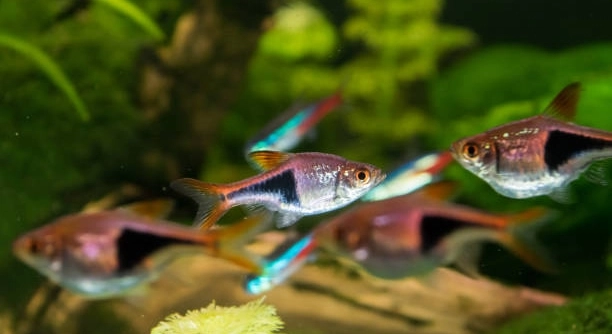
Feeding rasboras may seem simple, but many aquarists often make mistakes without realizing it. Even small errors in diet or portion size can affect their health and behavior in noticeable ways over time.
Common feeding errors with rasboras include overfeeding, providing inappropriate food types, inconsistent feeding schedules, and neglecting nutritional balance. These mistakes can lead to health issues, poor growth, stress, and decreased lifespan, making careful feeding practices essential for their well-being.
Learning to spot and correct these errors can help ensure rasboras remain healthy and active, while maintaining a stable and balanced aquarium environment for the long term.
Overfeeding Rasboras
It’s easy to overfeed rasboras because they are small and constantly active. Many people think more food means healthier fish, but it actually harms them. Excess food sinks to the bottom and begins to rot, which can pollute the tank and encourage harmful bacteria growth. Overfeeding can also lead to bloating and digestive problems, causing discomfort and sometimes death. Feeding should be limited to what the fish can consume in a few minutes, usually once or twice a day. Observing their eating habits helps determine the right portion. Using a small spoon or tweezers can prevent adding too much at once. It’s better to feed small amounts consistently than a large quantity all at once. Overfeeding also wastes food and increases tank maintenance, as uneaten pellets or flakes need removal. Proper feeding keeps the water cleaner and the fish healthier.
Limiting portions and timing feedings correctly is critical to preventing health issues and maintaining a balanced tank environment for rasboras.
Controlling how much you feed makes a noticeable difference in their activity and overall health, keeping the tank environment stable and clean.
Feeding the Wrong Type of Food
Rasboras need a varied diet with protein, plant matter, and essential vitamins. Feeding only one type of food can cause nutritional deficiencies. Flakes, frozen foods, and live foods should be rotated to provide complete nutrition.
Choosing the right food ensures that rasboras grow properly, remain active, and maintain vibrant colors. Flakes alone may lack protein, while only live food can miss other essential nutrients. Supplementing with tiny vegetables or specially formulated pellets helps fill gaps in their diet. Avoid feeding human food or items not intended for aquarium use, as they can introduce toxins or harmful bacteria. Observing their preference can help you adjust feeding schedules and food types. Proper nutrition also reduces stress, preventing illnesses related to weakened immune systems. Balancing protein and vegetable content ensures healthy digestion, reduces waste, and maintains water quality. Feeding variety mimics natural feeding patterns and supports social behaviors in the tank. Over time, careful selection of food types leads to longer, healthier lives for your rasboras.
Inconsistent Feeding Schedule
Rasboras thrive on routine, and irregular feeding can stress them. Feeding at different times each day may cause them to become anxious, reducing activity and appetite.
Maintaining a consistent schedule helps regulate their metabolism and digestion. Fish recognize patterns, and feeding them at the same time each day encourages them to eat properly. Skipping days or feeding at random intervals can lead to overeating during the next feeding, increasing the risk of bloating or waste buildup in the tank. Consistency also reduces aggression over food and helps establish a stable social environment, which is important in small schooling species like rasboras. Using an alarm or timer can simplify daily feeding and ensure no meal is missed.
Predictable feeding fosters healthier behavior, better growth, and a calmer tank environment. Rasboras will adapt to a routine and display more natural, active behaviors when their schedule is reliable.
Ignoring Water Quality After Feeding
Leftover food can quickly affect water quality, increasing ammonia and nitrite levels. Removing uneaten food prevents toxic buildup.
Regular water testing is essential to catch rising toxins early. Uneaten flakes or pellets decompose, creating waste that encourages algae growth and harmful bacteria. Frequent small water changes and using a good filter help maintain a stable environment. Cleaning the substrate where food collects prevents buildup, which otherwise affects gill health and oxygen levels. Overfeeding accelerates water contamination, so feeding the right amount and removing excess is key. Observing water clarity and fish behavior can indicate if conditions are worsening.
Proper post-feeding care ensures rasboras remain healthy, energetic, and free from stress-related illnesses. Maintaining clean water is as important as feeding itself, as it directly impacts longevity and vitality in the tank.
Feeding Too Quickly
Rasboras can gulp food too fast, leading to choking or digestive problems. Slow, controlled feeding is safer for their small mouths.
Offering smaller amounts at a time helps them eat comfortably. Spreading food over several minutes reduces stress and ensures each fish gets its share.
Not Rotating Food Types
Rasboras need variety to meet all nutritional needs. Relying on only flakes or live food can cause deficiencies.
Rotating foods like flakes, micro pellets, frozen brine shrimp, and occasional vegetable matter provides balanced nutrition. Variety supports growth, strengthens immune systems, and enhances coloration. Regular rotation prevents boredom and encourages natural foraging behavior, which contributes to overall well-being and activity levels.
Feeding in Poor Lighting
Feeding in dim or overly bright conditions can confuse rasboras. Proper lighting helps them locate food easily.
Using Human Food
Human food is unsafe for rasboras. It can introduce harmful substances and upset their digestive system.
FAQ
How often should I feed my rasboras?
Rasboras should be fed once or twice a day, depending on their size and activity level. Small portions are better than large amounts, as overfeeding can lead to bloating, waste buildup, and water quality issues. Feeding at consistent times helps them develop a routine and remain active.
What types of food are best for rasboras?
A balanced diet includes high-quality flakes or micro pellets, frozen or live foods like brine shrimp or daphnia, and occasional vegetable matter. Rotating food types ensures they receive all necessary nutrients, supporting growth, coloration, and overall health. Avoid human food or anything not intended for fish.
Can I feed rasboras too much at once?
Yes, overfeeding is a common problem. Rasboras may eat more than they need, causing digestive problems and polluting the tank. Offering small amounts that can be consumed within a few minutes is ideal. Remove any uneaten food to maintain water quality and reduce stress.
Is it okay to skip a feeding occasionally?
Skipping one feeding is generally safe if the fish are healthy, as rasboras can go short periods without food. However, irregular feeding can cause stress and erratic eating behaviors. Maintaining a consistent schedule helps keep them healthy and ensures they consume the right amount.
How do I know if my rasboras are hungry?
Signs of hunger include active swimming near the surface or approaching the feeding area eagerly. They may nudge the substrate or follow your movements around the tank. Observing these behaviors helps adjust portion sizes and timing to meet their needs without overfeeding.
Should I feed my rasboras at night or during the day?
Rasboras are most active during the day, so feeding during daylight hours is ideal. This ensures they see the food clearly and reduces the risk of uneaten food accumulating overnight. Proper lighting during feeding also supports natural behaviors and encourages all fish to eat.
Can feeding mistakes affect water quality?
Yes, leftover food decomposes quickly, producing ammonia and nitrites that harm fish. Regularly removing uneaten food, monitoring water parameters, and performing partial water changes prevent water quality problems. Feeding the correct amount and type reduces contamination and keeps the tank healthy.
Is live food necessary for rasboras?
Live food is not strictly necessary but provides enrichment and high protein content. Including live food occasionally mimics natural feeding behaviors, encourages activity, and helps maintain vibrant coloration. Frozen alternatives like brine shrimp or daphnia are also effective and easier to manage.
What happens if I feed only one type of food?
A single food type can cause nutritional deficiencies, weakened immune systems, and poor growth. Flakes alone may lack protein, while live food alone may miss other vitamins. Rotating food types ensures balanced nutrition and reduces the risk of health problems.
How do I prevent overeating in a community tank?
Distribute food evenly and offer small portions multiple times if needed. Observe feeding behavior to ensure shy or slower fish get enough. Using feeding tools like tweezers or feeding rings helps control portions and prevents dominant fish from consuming all the food.
Can rasboras eat vegetables?
Yes, small amounts of blanched vegetables like zucchini or spinach provide fiber and nutrients. Vegetables should be offered sparingly and cut into tiny pieces to avoid water contamination. They complement protein-rich foods and support digestion.
How long can I store fish food safely?
Dry flakes and pellets should be kept in a cool, dry place and used within six months to one year. Frozen food should be stored according to package instructions. Expired or improperly stored food loses nutritional value and may cause illness.
What should I do if my rasboras refuse food?
Check water conditions, tank temperature, and feeding routine. Stress, illness, or poor water quality can reduce appetite. Offering a variety of foods in small amounts often encourages them to eat. Observing behavior and adjusting care can resolve most feeding issues.
Are there any foods I should avoid entirely?
Avoid human food, bread, or fatty meats, as they can harm digestion and water quality. Some store-bought fish treats may also contain additives or preservatives unsuitable for rasboras. Stick to fish-specific flakes, pellets, frozen, or live options for safe feeding.
Can feeding affect coloration?
Yes, high-quality foods rich in carotenoids and natural pigments enhance coloration. Protein-rich foods and occasional live food help maintain vibrant colors. A varied diet contributes to both health and appearance, making your rasboras look their best.
How can I tell if my feeding routine is working?
Healthy rasboras are active, display bright colors, and show consistent growth. Water remains clear, and uneaten food is minimal. Observing these signs indicates your feeding schedule, portion sizes, and food types are appropriate, while adjustments may be needed if problems arise.
Is it necessary to feed baby rasboras differently?
Yes, fry require smaller, more frequent feedings of finely crushed flakes or specialized fry food. Proper nutrition supports development and prevents stunted growth. As they grow, gradually transition to adult-sized food while maintaining variety and balance.
Can stress impact feeding behavior?
Stress from overcrowding, poor water quality, or aggressive tankmates reduces appetite. Feeding may become irregular, and fish might ignore food. Addressing environmental stressors first helps restore normal feeding patterns and overall health.
How do I introduce new foods to rasboras?
Introduce new foods gradually, mixing them with familiar options. Observe their response and adjust portions accordingly. Gradual introduction reduces the risk of digestive upset and ensures they accept a varied diet over time.
What tools help with controlled feeding?
Tweezers, feeding rings, or small spoons allow precise portion control. Timers or alarms help maintain consistent schedules. Using these tools prevents overfeeding, ensures all fish receive food, and reduces stress caused by sudden large meals.
How important is water temperature during feeding?
Proper water temperature supports digestion and activity. Rasboras in water that is too cold or too warm may eat less and digest poorly. Maintaining stable, appropriate temperatures ensures they process food efficiently and stay healthy.
Can feeding mistakes shorten their lifespan?
Yes, chronic overfeeding, poor nutrition, or ignoring water quality can lead to health issues, reduced immunity, and early death. Consistent, balanced feeding combined with clean, stable conditions maximizes lifespan and promotes a thriving aquarium environment.
Should I adjust feeding if the tank has plants?
Yes, plants can trap uneaten food and cause decay. Feeding small amounts and monitoring food distribution prevents buildup around plants, maintaining water quality and ensuring fish and plants coexist without problems.
How can I encourage slow feeders?
Distribute food in multiple spots, offer smaller portions, and observe shy fish. Using slow-sinking pellets or spreading flakes across the tank gives all fish a chance to eat, reducing competition and stress.
Do rasboras need supplements?
High-quality, varied diets typically meet their needs. Occasional vitamin or mineral supplements may help during illness or growth stages. Avoid overuse, as excess supplements can harm water quality and fish health.
Can feeding affect social behavior?
Yes, overfeeding or irregular schedules can increase aggression or competition. Consistent, fair feeding promotes calm social interactions and reduces stress, helping rasboras thrive in schooling groups.
How should I store live food?
Live foods like brine shrimp or daphnia should be kept in proper containers with aeration and clean water. Replace water regularly to maintain health and prevent contamination. Proper storage ensures nutritional value and safety for your fish.
Is it necessary to clean the tank immediately after feeding?
Not always, but removing uneaten food after a few minutes prevents decay and water contamination. Regular substrate cleaning and partial water changes maintain a healthy environment without stressing the fish.
Can feeding practices help prevent disease?
Yes, balanced nutrition and portion control strengthen the immune system, reducing susceptibility to infections. Combined with clean water, proper feeding is a key factor in disease prevention and overall well-being.
What signs indicate overfeeding?
Excess food in the tank, bloated fish, sluggish behavior, or cloudy water are signs. Adjusting portion sizes and feeding frequency helps restore health and prevents long-term problems.
How do I manage feeding in a community tank?
Offer multiple feeding points, monitor fish behavior, and adjust portions to ensure all species receive adequate nutrition. Spread food evenly and provide variety to meet diverse dietary needs. Observation is key to avoiding overfeeding or underfeeding individual species.
Can I feed my rasboras during water changes?
It’s best to feed before or after water changes rather than during. Feeding during changes can stress fish and reduce appetite. Keeping a routine separate from maintenance helps maintain normal feeding behaviors.
Do rasboras need fasting days?
Occasional fasting can help prevent digestive issues and reduce waste buildup. One small fasting day per week is safe for healthy adults, but always observe their condition and adjust as needed.
How does tank size influence feeding?
Smaller tanks require careful portion control because waste accumulates faster. Larger tanks dilute waste more effectively, but overfeeding still poses risks. Adjust feeding according to tank size and stocking density to maintain balance.
Are commercial pellets better than flakes?
Pellets often provide concentrated nutrition and less waste than flakes. Both can be used effectively, but rotating between pellets, flakes, and live or frozen foods ensures a balanced diet and variety.
Can feeding impact breeding success?
Yes, well-nourished rasboras are more likely to breed successfully. Balanced diets rich in protein and vitamins improve fertility, egg quality, and fry survival rates. Proper feeding enhances overall reproductive health.
How do I prevent food from sinking too fast?
Use slow-sinking pellets or sprinkle flakes lightly. Spreading food across the water column encourages natural foraging behavior and prevents waste accumulation at the bottom, supporting tank cleanliness.
Can feeding mistakes cause aggression?
Yes, inconsistent portions or overfeeding can trigger competition, causing dominant fish to chase or harass others. Controlled feeding and spreading food evenly reduces conflict and stress in the tank.
How long should feeding sessions last?
A few minutes is sufficient. Most food should be eaten quickly, and any leftovers should be removed to prevent decay. Quick, controlled feeding ensures all fish get their share without polluting the water.
Do rasboras require supplements for color enhancement?
Occasional carotenoid-rich foods like certain brine shrimp or specialized flakes enhance color, but over-reliance is unnecessary. Balanced nutrition and clean water are more important for long-term health and vibrancy.
Can temperature fluctuations affect appetite?
Yes, sudden changes in water temperature can reduce feeding response. Keeping temperature stable within the recommended range ensures consistent appetite and proper digestion.
Should I adjust feeding for new fish?
New fish may be stressed and eat less initially. Offer small, frequent meals and monitor closely. Gradually introduce them to the established feeding routine once they acclimate.
Can overfeeding affect tank plants?
Yes, decaying food increases nutrients in the water, encouraging algae growth that competes with plants. Proper feeding reduces waste and maintains a healthier planted environment.
Is live food better than frozen food?
Live food offers natural movement, stimulating foraging, but frozen options provide similar nutritional benefits and are easier to store. A mix of both works best for balanced feeding.
How do I track feeding success?
Observe fish behavior, growth, and water quality. Active, well-colored fish with minimal leftover food indicate effective feeding practices. Adjust portions or types if signs of overfeeding or underfeeding appear.
Can feeding mistakes lead to disease outbreaks?
Yes, poor nutrition or water contamination from uneaten food weakens the immune system and increases susceptibility to bacterial or fungal infections. Proper feeding reduces this risk significantly.
How do I feed fry differently from adults?
Fry require finely crushed flakes or specialized fry food multiple times per day. Adults need larger portions less frequently. Gradual transition ensures proper growth and avoids digestive stress.
What is the safest way to introduce new food?
Mix small amounts with familiar food gradually. Observe acceptance and digestion before fully switching. Gradual introduction minimizes stress and prevents sudden nutritional imbalances.
Are frozen foods as nutritious as live foods?
Yes, frozen foods retain protein and vitamins if stored properly. They are convenient, reduce contamination risk, and can effectively replace live foods when necessary.
How much food is too much?
Excess is any food left uneaten after a few minutes. Adjust portions to match the fish’s appetite and prevent overfeeding, which harms health and water quality.
Does feeding affect social hierarchy?
Yes, uneven food distribution can cause dominant fish to monopolize meals, stressing others. Spreading food and using multiple feeding spots reduces competition and promotes calm interactions.
Can feeding mistakes affect lifespan?
Yes, chronic overfeeding, poor nutrition, and water contamination can reduce lifespan. Proper portion control, varied diet, and clean conditions support longevity and healthy development.
How can I tell if my rasboras are underfed?
Signs include slow growth, dull coloration, reduced activity, and frequent searching for food. Adjust portions and schedule to ensure all fish receive adequate nutrition.
Is it necessary to measure food each time?
Measuring ensures consistency, prevents overfeeding, and maintains water quality. Small scoops or pre-portioned amounts simplify routine feeding while promoting healthy growth.
Can feeding affect behavior outside the tank?
Feeding influences stress and activity levels in the tank. Proper nutrition and routine keep fish calm, active, and less prone to erratic or aggressive behavior within their environment.
Do rasboras need extra protein during breeding?
Yes, additional protein supports egg development, fry growth, and overall reproductive success. Include live or frozen protein-rich foods to enhance breeding outcomes.
How do I handle picky eaters?
Offer variety, small portions, and rotate food types. Observation and patience help them accept new foods without compromising nutrition or water quality.
Are there seasonal feeding adjustments?
Yes, growth and metabolism vary with temperature. Slightly higher feeding may be needed during warmer months and reduced feeding in cooler periods, always observing appetite and behavior.
Can feeding affect coloration permanently?
Consistent nutrition supports natural vibrancy. Poor diet can dull colors long-term, while balanced feeding helps maintain bright and healthy appearance throughout their life.
Is it okay to feed after water changes?
Feeding shortly after water changes is fine, but avoid immediately during the process. Stress during changes can reduce appetite and lead to uneaten food accumulation.
How do I prevent food from fouling the water?
Feed small amounts, remove leftovers promptly, and use appropriate food types. Proper distribution and controlled feeding reduce waste and maintain stable water conditions.
Can overfeeding hide health problems?
Yes, excessive food can mask lethargy or slow growth caused by illness. Regular observation and proper feeding help detect early signs of health issues.
Does feeding technique matter in a community tank?
Yes, spreading food across multiple areas and using varied forms ensures all species are fed fairly, reducing competition and stress while supporting diverse dietary needs.
What’s the best way to feed shy rasboras?
Place food near them slowly, in small portions, and avoid sudden movements. Observing their habits and adjusting feeding spots encourages shy individuals to eat without stress.
Are commercial color-enhancing foods necessary?
They can help, but balanced nutrition and good water quality are more important for long-term color and health. Occasional specialized foods are optional rather than essential.
How long should I wait between feedings?
Typically 12–24 hours is sufficient for adults. Smaller fry may require more frequent feedings. Avoid continuous feeding, which stresses digestion and pollutes water.
Do all rasboras eat the same amount?
No, individual size, age, and health influence consumption. Monitor each fish and adjust portions to ensure all receive adequate nutrition without overfeeding the tank.
Can feeding mistakes affect breeding behavior?
Yes, poor nutrition reduces fertility, egg viability, and fry survival. Balanced, varied diets and proper feeding schedules improve reproductive success and overall health.
How do I ensure even feeding in a tank?
Distribute food at multiple points, observe shy or slow eaters, and use sinking or floating foods to reach different tank levels. This prevents dominance by a few individuals and ensures proper nutrition for all.
Can overfeeding lead to algae problems?
Yes, excess nutrients from uneaten food promote algae growth, reducing water quality and stressing plants and fish. Controlled feeding prevents these issues and maintains a balanced tank.
Is fasting beneficial for digestion?
Occasional fasting helps prevent bloating and supports digestive health. One fasting day per week is sufficient for healthy adult rasboras.
Do water parameters affect appetite?
Yes, poor water quality or sudden changes can reduce feeding response. Stable conditions encourage consistent eating and proper nutrient absorption.
Can feeding frequency influence growth?
Yes, appropriate frequency supports steady growth. Too little slows development, while too much causes bloating and water quality issues. Finding the right balance is essential for healthy rasboras.
How do I introduce frozen foods safely?
Thaw frozen food in clean water or use a small amount of tank water. Rinse if necessary to remove preservatives, then feed in small portions to prevent overfeeding.
Can feeding affect disease resistance?
Yes, balanced diets strengthen the immune system. Proper nutrition reduces susceptibility to infections and supports recovery if illness occurs.
What is the best feeding order for multiple foods?
Start with protein-rich foods, then provide flakes or vegetables. This ensures energy and nutrients are consumed efficiently while reducing waste and supporting digestive health.
How do I know if feeding is balanced?
Healthy fish display activity, growth, coloration, and minimal waste. Observing these indicators helps confirm a proper feeding regimen and allows adjustments if needed.
Can feeding mistakes stress rasboras?
Yes, overfeeding, irregular schedules, or poor food quality can cause stress, reducing immunity and causing abnormal behavior. Proper routine minimizes stress and promotes overall well-being.
Is feeding location important?
Yes, placing food where all fish can access it prevents competition and ensures shy or slow eaters receive adequate nutrition. Multiple feeding points improve fairness and reduce stress.
How much live food should I provide?
Small amounts occasionally are enough. Too much can cause water quality issues and digestive upset. Balance live food with flakes, pellets, or frozen options.
Do feeding habits change with age?
Yes, young rasboras need more frequent small meals, while adults eat less often. Adjust portions and frequency as they grow to support health and prevent overfeeding.
Can feeding affect water oxygen levels?
Decomposing food consumes oxygen, potentially stressing fish. Removing uneaten food promptly and feeding appropriate amounts helps maintain healthy oxygen levels in the tank.
Are homemade fish foods safe?
Homemade options can be risky due to nutrient imbalance or contamination. Commercial foods or carefully prepared frozen/live options are safer and
Feeding rasboras properly is one of the most important steps to keeping them healthy and active. Small mistakes, like overfeeding or giving the wrong type of food, can quickly lead to health problems or stress. Consistency is key, so feeding them at the same times each day helps regulate their metabolism and behavior. It is better to offer small portions multiple times rather than a large amount at once, as this reduces the chance of bloating and leftover food polluting the tank. Observing how your fish respond to food also provides important clues about their health and appetite. If some fish are not eating or appear stressed, adjusting portion sizes, types of food, or feeding schedules can make a noticeable difference. Taking these simple steps ensures that your rasboras stay active, vibrant, and free from digestive issues. Proper feeding is more than just giving food; it is part of maintaining their overall well-being in a balanced tank environment.
A varied diet is another key factor for healthy rasboras. They need a mix of protein, plant matter, and essential nutrients to grow and maintain strong immune systems. Relying only on flakes or one type of food can cause deficiencies over time, affecting growth, coloration, and behavior. Including frozen or live foods, as well as occasional small pieces of vegetables, provides the nutrients they need and encourages natural foraging behaviors. Rotating food types also prevents boredom and keeps them more engaged in the tank. Avoid feeding human food or anything not specifically designed for aquarium use, as it can introduce toxins or harmful bacteria. By paying attention to diet variety, you not only improve their health but also promote natural behaviors and maintain the visual appeal of your fish. This approach is a simple but effective way to ensure long-term vitality and overall happiness in your tank.
Maintaining clean water and a stable environment goes hand in hand with proper feeding. Uneaten food decomposes quickly and can cause spikes in ammonia or nitrites, which stress fish and increase the risk of disease. Regularly removing leftover food, performing partial water changes, and monitoring water parameters help prevent these problems. Even when feeding the right portions and types of food, poor water quality can undo your efforts and harm your rasboras. Observing their behavior and appearance provides valuable feedback about both diet and tank conditions. Healthy, active fish with bright colors indicate that feeding practices and water maintenance are effective. Ultimately, successful care for rasboras involves a combination of balanced nutrition, controlled feeding routines, and consistent attention to water quality. When these factors are managed carefully, your rasboras can thrive, live longer, and display their natural behaviors, making the aquarium a stable and enjoyable environment.

Hello,
If you enjoy the content that we create, please consider saying a "Thank You!" by leaving a tip.
Every little bit helps us continue crafting quality advice that supports the health, happiness, and well-being of pets around the world, for pets of all shapes, sizes, and species.
We really appreciate the kindness and support that you show us!