
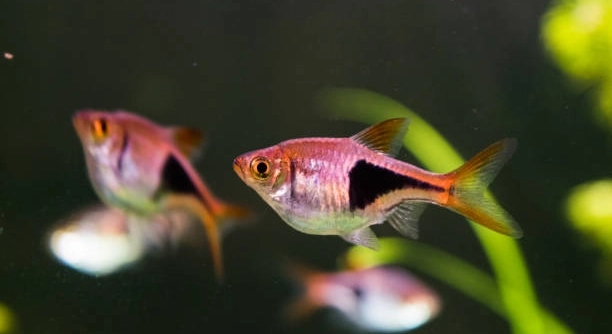
Have you ever set up a Rasbora tank and felt something was missing from its natural look? Leaf litter can add a soft, earthy touch that helps fish feel comfortable and safe in their environment.
Using leaf litter in a Rasbora tank involves carefully selecting, rinsing, and layering natural leaves on the substrate. This practice promotes beneficial bacteria growth, softens water slightly, and provides hiding spots, creating a more stable and natural habitat for the fish.
Introducing leaves may seem simple, but there are important steps and considerations to ensure your Rasbora thrive and the tank remains healthy.
Choosing the Right Leaves for Your Rasbora Tank
Not all leaves are suitable for a Rasbora tank. Indian almond leaves, oak leaves, and beech leaves are popular choices because they release tannins slowly, lowering pH and softening water naturally. These leaves create a natural, shaded environment that Rasboras appreciate, helping to reduce stress and encourage natural behavior. Avoid leaves treated with pesticides or chemicals, as these can harm your fish. Rinse leaves thoroughly before placing them in the tank to remove any dust or debris. Some hobbyists like to boil leaves briefly to sterilize them, though this is optional. Over time, leaves will break down, providing a gentle layer of detritus that supports beneficial bacteria and microfauna, which can be a supplemental food source for Rasboras. Leaf litter also gives the tank a calm, muted aesthetic, making the environment feel closer to the streams and rivers these fish come from.
Careful selection ensures your tank stays safe and natural, supporting healthy fish and a stable environment.
Regularly replacing decomposed leaves prevents water quality issues and keeps the tank visually appealing, maintaining a balanced ecosystem for Rasboras to thrive.
Preparing and Adding Leaf Litter
Rinse all leaves to remove dust, dirt, and any chemical residues.
Before adding leaf litter, inspect the tank’s substrate and remove any old or decayed leaves. Layer fresh leaves gently across the bottom, allowing some to float briefly before settling. This layering creates a soft, natural floor while giving fish places to explore and hide. Avoid overcrowding the tank, as too many leaves can trap debris and affect water flow. Monitor the tank’s water parameters after adding leaves, especially pH and ammonia levels, to ensure the environment remains safe. Over time, leaves will slowly break down, releasing tannins that slightly tint the water and contribute to a natural acidic balance preferred by many Rasbora species. You can remove heavily decomposed leaves during routine maintenance or let them continue to decompose for additional biofilm and microfauna, which can enrich the fish’s environment. Incorporating leaf litter thoughtfully supports both the aesthetic and the ecological balance of the tank.
Benefits of Leaf Litter in a Rasbora Tank
Leaf litter provides hiding spots that reduce stress for Rasboras. The decomposing leaves release tannins, slightly lowering pH and softening water, which mimics the fish’s natural environment and encourages natural behavior.
The leaves act as a substrate for beneficial bacteria and microfauna, supporting a balanced ecosystem. As leaves break down, they create a natural detritus layer that can serve as supplemental food. This slow decomposition helps maintain water quality by buffering minor changes in pH. Leaf litter also adds a muted, natural look to the tank, making it feel more like a forest stream. By introducing leaves, the tank becomes both functional and aesthetically pleasing, supporting fish health and comfort in subtle ways.
Over time, the tannins released by the leaves gently color the water, creating a soft, brown tint. This not only looks natural but can calm Rasboras, helping them feel secure. Leaves also give shy fish places to hide, reducing aggression and improving overall tank harmony.
Maintaining Leaf Litter
Remove heavily decomposed leaves promptly to prevent excessive waste buildup and water quality issues.
Regularly check the tank for old leaves and debris, removing them before they affect water quality. You can leave some partially decomposed leaves for microfauna growth, but balance is important. Avoid adding too many leaves at once, as this can trap detritus and reduce water circulation. Rinse new leaves before adding them to prevent contaminants from entering the tank. Monitoring water parameters like ammonia, nitrites, and pH ensures the tank remains stable. With careful maintenance, leaf litter can stay a beneficial part of the habitat.
Replacing leaves periodically keeps the tank healthy and visually appealing. Fresh leaves maintain tannin levels, support beneficial bacteria, and provide hiding spots. Over-decomposed leaves can release excess organic material, increasing the risk of ammonia spikes. By rotating and managing leaf litter, you create a sustainable, natural environment that supports Rasbora health. Additionally, properly maintained leaves encourage fish to display natural behaviors, including foraging and schooling, while also enriching the tank with microfauna. A consistent maintenance routine prevents water quality problems and helps the tank feel like a miniature forest stream.
Choosing the Right Amount of Leaf Litter
Too many leaves can trap debris and reduce water circulation. A thin layer across the substrate is enough to create hiding spots without causing maintenance issues.
Start with a small amount and observe how your Rasboras interact with the environment. Adjust gradually to balance aesthetics and functionality.
Observing Fish Behavior with Leaf Litter
Rasboras tend to explore and hide among the leaves. This behavior indicates comfort and reduced stress. Shy or newly introduced fish often use leaf litter as a safe zone, gradually becoming more active over time. Leaves also provide a surface for biofilm, which some fish nibble on naturally. Monitoring how your fish interact with the leaves helps determine if adjustments are needed. If leaves are ignored, you might need to reposition them or reduce the number to make the area more inviting. Healthy interaction reflects a well-set-up tank that meets the species’ natural preferences.
Cleaning Around Leaf Litter
Remove debris gently without disturbing the leaves too much.
FAQ
How often should I replace leaf litter in my Rasbora tank?
Leaf litter should be replaced when it becomes heavily decomposed or starts to affect water quality. Typically, this is every 4–6 weeks, but it depends on tank size, water flow, and the number of fish. Lightly decomposed leaves can remain to support microfauna and beneficial bacteria. Always remove any leaves that appear slimy or have a foul odor to prevent ammonia spikes. Replacing a portion of the leaves gradually helps maintain tannin levels without shocking the fish. Monitoring water parameters will guide you on the best timing for replacement.
Can I use any type of leaf in the tank?
Not all leaves are safe. Indian almond leaves, oak, and beech are commonly used because they release tannins slowly and are safe for fish. Avoid chemically treated or pesticide-covered leaves, as they can harm Rasboras. Always rinse leaves thoroughly before adding them, and some hobbyists boil them briefly for extra safety. Exotic or unknown leaves should never be added, since they may contain toxins. Using the right leaves ensures a healthy, natural environment that supports fish comfort and water stability.
Do leaf litter affect water chemistry?
Yes, leaf litter releases tannins that slightly lower pH and soften water, mimicking natural streams. This creates a favorable environment for Rasboras, reducing stress and encouraging natural behavior. Excessive leaves can, however, overly acidify water or increase organic waste. Regular monitoring of pH, ammonia, nitrites, and nitrates is important. Removing overly decomposed leaves prevents sudden water chemistry changes. Controlled use of leaves creates a gentle, natural buffer that benefits fish while keeping the tank stable and balanced.
Will my fish eat the leaves?
Rasboras generally do not eat leaves directly, but they may nibble on the biofilm, algae, or microfauna growing on them. This adds a minor food source and encourages natural foraging behavior. Leaves act as more than decoration—they create surfaces for microorganisms that support a healthy tank ecosystem. While the leaves themselves aren’t a primary food, they indirectly enhance nutrition. Removing all leaf litter may reduce these natural interactions and diminish environmental enrichment, which is especially important in small tanks or for shy fish.
How do I clean the tank without removing all leaves?
Use a siphon or a gentle net to remove debris trapped between leaves. Avoid disturbing the leaves too much, as they provide hiding spaces and a natural substrate for beneficial bacteria. Spot-cleaning lets you maintain water quality without losing the benefits of leaf litter. Partial water changes help manage waste while keeping tannins in the water. Maintaining a balance between cleanliness and natural habitat ensures Rasboras stay healthy and stress-free.
Can leaf litter cause algae growth?
Leaf litter can contribute slightly to algae growth due to decomposing organic matter. However, the tannins released may also inhibit certain types of algae. Regular tank maintenance, proper lighting, and water changes control algae without removing leaves entirely. Balanced care ensures a natural-looking tank while keeping algae in check.
Is it safe for baby Rasboras?
Yes, leaf litter provides shelter and biofilm for fry, giving them places to hide from adults and feel secure. Small Rasboras benefit from the microfauna that develops on leaves, which can serve as a supplemental food source. Monitor the tank to ensure decomposing leaves don’t compromise water quality, as young fish are sensitive. By maintaining clean yet natural leaf litter, you support healthy fry growth and reduce stress in the early stages of development.
How do I store leaves for future use?
Store dried leaves in a cool, dry place away from direct sunlight. Keep them in sealed containers or paper bags to prevent mold. Properly stored leaves maintain their beneficial properties for months and are ready for use when needed. Avoid using wet leaves, as they may decompose or develop mold before entering the tank. Prepping and storing leaves carefully ensures a consistent supply for maintaining a natural environment in your Rasbora tank.
Are there any risks with too much leaf litter?
Excess leaf litter can trap debris, reduce water flow, and increase organic waste, leading to spikes in ammonia or nitrites. Overcrowding the substrate also makes cleaning harder and may cause stress for fish. It’s important to balance the aesthetic and functional benefits of leaves with water quality. Gradual additions and careful observation prevent problems while keeping the tank safe and natural.
Can I combine different types of leaves?
Yes, combining leaves like Indian almond and oak can create varied tannin levels and textures. This enhances the tank’s appearance and provides diverse hiding spots. Ensure all leaves are safe, rinsed, and free from chemicals. Mixing leaves also supports microfauna diversity, which benefits the fish ecosystem. Careful selection and placement prevent overcrowding while keeping water parameters stable and suitable for Rasboras.
Final Thoughts
Using leaf litter in a Rasbora tank is a simple and natural way to improve the environment for your fish. Leaves provide hiding spots, encourage natural behavior, and create a softer, shaded area that reduces stress. By adding a thin layer of carefully selected leaves, you can make the tank feel more like the streams and rivers Rasboras are used to. Over time, these leaves release tannins that slightly soften water and lower pH, which many Rasboras prefer. The effect is gentle, creating a calmer space where fish can explore, hide, and school without feeling threatened. Leaf litter also contributes to the overall health of the tank by offering surfaces for beneficial bacteria and microfauna to grow. These microorganisms help maintain a balanced ecosystem and can even serve as a minor food source for the fish. This makes leaf litter a functional addition, not just a decorative one.
Maintenance is important when using leaf litter. Leaves will naturally decompose, so it is necessary to monitor water parameters like pH, ammonia, nitrites, and nitrates regularly. Removing heavily decomposed leaves helps prevent spikes in ammonia or other harmful substances, keeping the tank safe for Rasboras. At the same time, lightly decomposed leaves can remain to continue supporting microfauna growth and maintain some tannin levels in the water. Adding new leaves gradually ensures that water chemistry stays stable while still providing the benefits of fresh litter. It’s also essential to rinse leaves thoroughly before placing them in the tank to remove dust or potential contaminants. Some hobbyists prefer to boil leaves briefly for extra safety, which can help remove any remaining microorganisms that might be harmful. Careful selection and preparation of leaves make a significant difference in maintaining a healthy tank.
Leaf litter also brings an aesthetic benefit to the tank. The soft brown tint from tannins, combined with natural textures, creates a calming and realistic environment. Rasboras seem more confident and display more natural behaviors when they have areas to hide and explore. Watching them swim among the leaves can be rewarding, as it shows that they feel secure and healthy. The use of leaves can also reduce aggression or stress among fish, since shy or newly introduced Rasboras have spaces to retreat to when needed. Overall, leaf litter is a small addition that provides multiple benefits, from water quality support and habitat enrichment to a natural appearance that mimics the fish’s native environment. With careful maintenance and observation, using leaf litter can make a Rasbora tank both functional and visually pleasing, supporting the long-term health and comfort of your fish.

Hello,
If you enjoy the content that we create, please consider saying a "Thank You!" by leaving a tip.
Every little bit helps us continue crafting quality advice that supports the health, happiness, and well-being of pets around the world, for pets of all shapes, sizes, and species.
We really appreciate the kindness and support that you show us!