
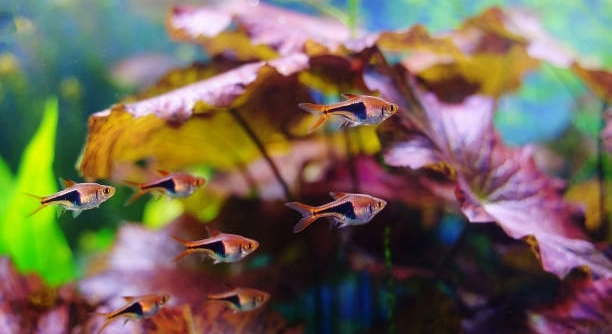
Acclimating new rasboras to a home aquarium requires patience and care. These small fish are sensitive to sudden changes in water conditions, and ensuring a calm transition can greatly improve their health and comfort.
The most effective approach to calming new rasboras on arrival involves controlling water temperature, reducing light intensity, minimizing sudden movements, and gradually introducing them to the tank environment. Maintaining stable water chemistry and providing hiding spots reduces stress significantly.
Following these steps will help your rasboras settle quickly and stay healthy, creating a peaceful and balanced environment for your aquarium community.
Preparing the Tank Before Arrival
Before bringing rasboras home, it is essential to prepare their tank properly. Start by cycling the aquarium to establish beneficial bacteria, ensuring stable water conditions. Check the temperature, aiming for 24–27°C, and maintain pH between 6.5 and 7.5. Add plants, hiding spots, and gentle filtration to create a secure environment. Avoid overcrowding, as stress can quickly affect new fish. Clean decorations and substrate thoroughly to remove dust or residues. Light should be dimmed initially to reduce sudden stress. Introduce a soft current to mimic natural water movement without creating turbulence. Monitor ammonia, nitrite, and nitrate levels closely during the first days. By setting up the tank carefully, you reduce the chances of shock and help the rasboras adjust smoothly. Taking these steps shows that even small adjustments can make a big difference in the comfort and health of your fish upon arrival.
Proper tank preparation ensures that rasboras have a safe and calm space, ready for their new environment.
A well-prepared tank allows rasboras to explore gradually without panic. It promotes natural behavior, encourages feeding, and reduces the risk of illness. Starting with a stable environment gives you peace of mind and helps establish a healthy aquarium ecosystem from the beginning. Paying attention to water quality, hiding spots, and temperature ensures that your rasboras will feel secure and adjust quickly, allowing their colors and activity to shine. Additionally, these steps make daily maintenance easier and create a more enjoyable viewing experience. Over time, a carefully prepared tank supports the growth of plants and overall tank balance, making it a pleasant space for all inhabitants. Consistency and patience during this period are key to ensuring your rasboras thrive.
Gradual Acclimation
Introduce new rasboras slowly by floating the sealed bag in the tank for 20–30 minutes to equalize temperature.
Once temperature is balanced, gradually add small amounts of tank water into the bag over 30–60 minutes, allowing the fish to adjust to new water chemistry. Avoid rushing this process, as sudden changes in pH or hardness can cause stress or even shock. Keep the lighting low and avoid sudden movements around the tank during this period. Once the fish appear calm and active, gently release them into the aquarium, minimizing disturbance. Observe them closely for signs of stress or unusual behavior in the first few hours. A slow acclimation helps the rasboras feel safe, reduces the risk of illness, and encourages them to explore their surroundings naturally. Maintaining a calm environment during this period is essential for building a stable and healthy community in your tank.
Reducing Light Stress
Keep lighting low for the first 24–48 hours after introducing new rasboras. This prevents sudden exposure stress and encourages them to explore the tank gradually.
Dim lighting allows rasboras to adjust without panic, reducing erratic swimming and hiding. Use floating plants or cover part of the tank if lights are bright. This creates shaded areas and gives fish a sense of security while they become familiar with their new surroundings. Over time, lighting can be slowly increased to normal levels without causing stress. Observing their behavior during this adjustment helps ensure they are adapting well.
Excessive light can trigger stress responses in rasboras, including rapid breathing, hiding, or jumping. Maintaining low light initially reduces these reactions, giving the fish time to acclimate. Provide hiding spots like plants or small caves to further reduce anxiety. Gradually increase the light intensity over several days to mimic natural day-night cycles. This approach ensures rasboras remain calm, feed regularly, and display natural colors. Monitoring behavior closely helps you catch early signs of stress, making adjustments easier and supporting long-term health in the aquarium.
Offering Hiding Spaces
Provide multiple hiding spots to make rasboras feel secure. Plants, rocks, and decorations help reduce stress and encourage natural behavior.
Hiding spaces allow rasboras to escape perceived threats and rest safely. Dense plant clusters or small caves offer shelter, giving them confidence to explore when ready. Varying sizes of hiding areas accommodate different fish and reduce competition.
A well-structured environment with plenty of hiding spots promotes calmness and reduces aggression. Rasboras are small and often shy, so giving them places to retreat helps them feel safe. Dense plants, driftwood, and small decorations create layers of shelter, allowing each fish to claim its own space. This not only minimizes stress but also encourages natural schooling behavior. Additionally, hiding areas help protect timid individuals from more dominant tank mates, allowing them to feed and swim without fear. Rotating or adding new decorations occasionally keeps the environment stimulating while maintaining security, supporting overall health and activity levels.
Minimizing Sudden Movements
Move slowly around the tank to avoid startling new rasboras. Quick actions or tapping can trigger stress and hide-and-seek behavior.
Limit activity near the aquarium for the first few hours. Gentle movements help the fish feel secure, encouraging them to explore without panic.
Gentle Feeding
Offer small amounts of food initially, allowing rasboras to adjust. Avoid overfeeding, which can worsen stress and pollute the water. Feed tiny portions two to three times a day, monitoring how much they consume. Gradually increase amounts as they settle, ensuring consistent feeding patterns.
Maintaining Water Quality
Check water parameters daily, focusing on ammonia, nitrite, and nitrate levels. Stable water quality reduces stress and supports healthy acclimation for new rasboras.
FAQ
How long does it take for rasboras to settle in a new tank?
Rasboras usually start to settle within a few hours, but complete adjustment can take several days. Initial hiding and cautious swimming are normal. Providing stable water conditions, low lighting, and hiding spots speeds up the process, helping them feel secure and comfortable.
What is the best temperature for new rasboras?
Maintain the water temperature between 24°C and 27°C. Consistent temperature reduces stress and supports natural activity. Sudden changes can cause shock, weaken their immune system, and increase vulnerability to disease. Using a reliable heater and thermometer ensures stability.
Should I add all my rasboras at once?
It is better to add a small group together, as they are schooling fish and feel safer in numbers. Avoid introducing them alongside other new fish simultaneously to reduce stress and aggression. Gradually adding more fish helps them acclimate smoothly.
How can I tell if my rasboras are stressed?
Signs of stress include hiding excessively, rapid breathing, clamped fins, erratic swimming, or loss of appetite. Monitoring their behavior daily allows you to catch stress early. Adjusting lighting, water quality, and providing hiding spaces usually resolves these issues.
Is it necessary to float the bag when acclimating?
Yes. Floating the sealed bag for 20–30 minutes balances water temperature between the bag and the tank. This prevents thermal shock, which is especially important for small, delicate fish like rasboras.
Can I feed rasboras immediately after introducing them?
Feed only small amounts after the first hour if they appear calm. Overfeeding or feeding stressed fish can harm their digestion and pollute the water. Gradually increase portions over the next few days as they become more comfortable.
Do rasboras need hiding places right away?
Absolutely. Hiding spots reduce stress and help fish feel safe. Plants, caves, and driftwood allow them to retreat and rest, which is essential during the first few days in a new environment.
How often should I check water parameters during acclimation?
Daily checks for ammonia, nitrite, and nitrate are recommended for the first week. Maintaining stable water quality prevents stress-related illnesses and supports a smooth transition for new rasboras.
Is dimming the lights really necessary?
Yes. Sudden bright light can startle rasboras and trigger hiding or erratic swimming. Dim lighting for the first 24–48 hours helps them adjust gradually and encourages natural behavior.
What if my rasboras refuse to eat?
Refusal to eat is common initially. Continue small, frequent feedings and ensure hiding spots are available. Patience is key; most rasboras will start feeding within a day or two once they feel safe and comfortable.
Can I acclimate rasboras with other fish already in the tank?
Yes, but ensure the tank is calm and the other fish are not aggressive. Introduce rasboras slowly, provide plenty of hiding spots, and monitor interactions to prevent stress or bullying.
How long should I keep up with gradual water introduction?
Gradually adding tank water to the bag over 30–60 minutes is sufficient for safe acclimation. This helps rasboras adjust to differences in pH, hardness, and other chemical parameters without shock.
Do rasboras need a specific diet during acclimation?
Feed high-quality flakes, micro pellets, or frozen foods suitable for small schooling fish. Offer tiny amounts multiple times a day. Consistent feeding helps them regain energy and reduces stress during their adjustment period.
Can stress cause illness in new rasboras?
Yes. Stress weakens the immune system, making rasboras more prone to infections. Maintaining stable water, low light, hiding spaces, and careful handling reduces stress and supports overall health.
How can I encourage rasboras to explore the tank?
Ensure hiding spots are available and gradually increase light intensity. Offering small amounts of food near open areas encourages movement, allowing them to explore safely without panic.
What’s the ideal schooling size for rasboras?
A minimum of six is recommended. Rasboras feel secure in groups, and schooling behavior reduces stress. Smaller numbers may hide more and show timid behavior, so proper group size is important for their well-being.
How do I know if acclimation was successful?
Rasboras will swim freely, feed regularly, and show bright colors. Reduced hiding, normal breathing, and active schooling are signs they have adapted well to their new environment.
Is it okay to handle rasboras during acclimation?
Avoid handling unless necessary. Physical stress can shock them and damage delicate fins or scales. Observation and patience are better for a smooth transition and overall health.
How long should I maintain low activity around the tank?
For the first 24–48 hours, minimize movements near the aquarium. This prevents sudden stress, giving rasboras time to settle into hiding spots and explore gradually without fear.
What if water parameters change unexpectedly?
Correct issues immediately using water changes or chemical adjustments. Sudden fluctuations in temperature, pH, or ammonia can stress or harm rasboras, so constant monitoring is crucial for a stable environment.
Can acclimation practices affect long-term health?
Yes. Proper acclimation reduces stress, encourages natural behavior, and lowers disease risk. Establishing calm and stable conditions from the start helps rasboras thrive for years in your aquarium.
Acclimating new rasboras to your aquarium requires careful attention and patience. Each small adjustment you make can significantly affect how quickly and comfortably they settle into their new environment. From preparing the tank to monitoring water parameters, every step plays a role in reducing stress. A stable tank with proper temperature, pH, and gentle filtration is essential. Hiding spaces, floating plants, and dimmed lighting help the fish feel secure. Even small gestures, like minimizing sudden movements around the tank, can make a noticeable difference in how calmly your rasboras behave. Following a consistent and gradual process ensures the fish can explore their surroundings confidently, feed normally, and begin to display their natural colors. Taking the time to set up a safe environment from the beginning helps prevent health issues and promotes long-term well-being.
Observing your rasboras closely during the first few days is just as important as the preparations themselves. Stress in fish can manifest through rapid breathing, hiding, or erratic swimming, and identifying these behaviors early allows for timely adjustments. Gradually introducing water from the tank into the transport bag, offering small portions of food, and maintaining low light all contribute to creating a calm atmosphere. Hiding spots and decorations give the fish the ability to retreat when needed, reducing anxiety and supporting natural schooling behavior. Regularly checking water quality for ammonia, nitrite, and nitrate levels ensures that conditions remain safe and stable. These actions collectively provide a controlled environment in which rasboras can thrive. By prioritizing calm and gradual acclimation, you give the fish a strong start in your aquarium, supporting both their physical health and mental comfort.
The process of calming new rasboras is not only about avoiding stress but also about promoting long-term health and activity. Once the fish begin to explore freely, feed regularly, and interact with one another, it is a clear sign that the acclimation has been successful. Maintaining these practices beyond the initial introduction period continues to support a healthy, balanced aquarium. Consistent care, attention to water quality, and providing a safe environment for retreat help the fish maintain confidence and display their natural behaviors. Over time, the initial patience and careful steps you take during acclimation will result in a thriving school of rasboras, vibrant and active within your tank. This thoughtful approach creates a sustainable and enjoyable aquarium where the fish can remain calm, healthy, and visually appealing for years to come.

Hello,
If you enjoy the content that we create, please consider saying a "Thank You!" by leaving a tip.
Every little bit helps us continue crafting quality advice that supports the health, happiness, and well-being of pets around the world, for pets of all shapes, sizes, and species.
We really appreciate the kindness and support that you show us!