
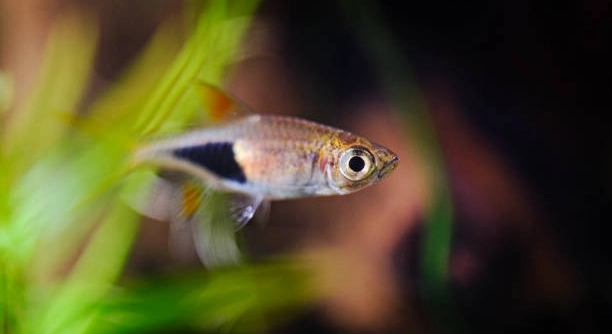
Are your rasboras swimming in a tank that feels a little empty or overcrowded? Small, colorful, and active, these fish thrive in well-planned groups, making the right number of companions important for their health and happiness.
Rasboras generally fare better in odd numbers, as odd groupings reduce the likelihood of evenly split conflicts and promote more stable social interactions within the school. Maintaining proper numbers supports both behavioral balance and overall well-being.
Choosing the right number of fish can transform your aquarium from chaotic to calm, creating a harmonious environment for your rasboras to flourish.
Why Odd Numbers Work Best
When I first added rasboras to my tank, I noticed something interesting. A group of five swam smoothly, rarely showing aggression, while a group of four often split into pairs, chasing each other and stressing. Odd numbers help prevent these even splits, which can create tension in the school. In a group of seven or nine, the fish naturally form a loose hierarchy, reducing fights and promoting movement throughout the tank. Social balance is key for their well-being. Stress can lead to illness and dull coloration, so maintaining a harmonious group benefits both the fish and the overall tank environment. Odd numbers allow each fish to establish its position without repeated confrontations. Over time, this makes the aquarium feel livelier and calmer at the same time, as the fish interact more naturally and display their typical schooling behavior without constant conflict or hiding.
Even small tanks benefit from odd-numbered groups for stability.
Keeping an odd number ensures smoother social interactions and a balanced display. Proper planning prevents stress-related issues in the tank.
How Even Numbers Can Affect Behavior
Even-numbered groups often divide into pairs, creating tension and competition for dominance.
In my experience, tanks with six or eight rasboras show more frequent chasing and occasional hiding. The even splits make it harder for the school to form a single, cohesive unit. Fish may cluster into smaller groups, which increases stress and reduces natural movement patterns. Stress can lead to weaker immune systems and less vibrant colors. While even numbers might seem balanced at first glance, the social dynamics inside the tank are more important than numerical symmetry. Odd numbers, in contrast, allow one fish to act as a mediator in conflicts, helping the group stay stable. Observing my rasboras over several months, the differences were clear. Odd-numbered groups were calmer and more active, displaying healthy schooling behavior, while even-numbered groups had repeated confrontations and uneven swimming patterns. Adjusting tank numbers according to these patterns ensures both peace and a visually pleasing environment for anyone observing the fish.
Choosing the Right Tank Size
A tank that is too small limits movement and increases stress among rasboras. Each fish needs space to swim freely, especially in odd-numbered groups.
When I upgraded to a larger tank, the difference was immediate. Five rasboras that previously seemed tense now spread out, exploring the corners and interacting naturally. Adequate space prevents clustering and reduces aggressive behavior. Plants and decorations also help break lines of sight, giving shy fish spots to rest. A spacious environment encourages schooling behavior, letting the group swim as a unit without repeated conflicts. Small tanks amplify every minor dispute, making even a calm group seem chaotic. A proper tank size ensures that your rasboras can thrive both physically and socially, keeping colors vibrant and activity levels high throughout the day.
Proper tank size supports stable odd-numbered groups and promotes natural schooling, enhancing both health and visual appeal.
Enough space allows rasboras to maintain social hierarchy, swim freely, and avoid stress-related issues, creating a calm and balanced aquarium environment.
Feeding and Nutrition Tips
Overfeeding can cause health issues and water quality problems if not managed carefully.
I learned that feeding my rasboras in measured amounts made a huge difference. Too much food led to uneaten particles, clouding the water and stressing the fish. Feeding small portions twice daily kept the group active and healthy. A balanced diet of flakes, frozen, and live foods ensures proper growth and coloration. Rotating food types also prevents boredom and promotes natural foraging behavior. Nutrition impacts energy levels, making schooling more dynamic and interactions more natural. Observing them after adjusting feeding, I noticed calmer swimming patterns and improved overall health. Proper feeding practices are as important as tank size when maintaining a harmonious odd-numbered group.
Feeding rasboras carefully ensures better health, stable water conditions, and more natural social behavior within the group.
Maintaining Water Quality
Clean water is essential for rasboras’ health and social stability. Regular partial water changes prevent buildup of toxins and keep the tank environment safe for all fish.
Filtration helps maintain oxygen levels and removes debris. I noticed that rasboras became more active and less stressed when water parameters stayed consistent.
Ideal Temperature and pH
Rasboras thrive in slightly warm water, around 22–28°C, with a neutral to slightly acidic pH. Stable conditions support metabolism, immune function, and natural behavior. Fluctuations can stress fish, causing hiding or aggression. I keep a thermometer and pH test kit nearby to monitor changes closely. Adjusting temperature gradually during seasonal shifts has prevented illness and ensured schooling remains smooth. Consistent conditions make it easier to maintain odd-numbered groups without conflicts, as fish feel secure and less prone to stress-related behavior. Proper temperature and pH management creates a calm, active, and healthy environment for every rasbora in the tank.
Tank Decorations
Adding plants and hiding spots reduces stress and provides natural boundaries for rasboras.
FAQ
How many rasboras should I keep together?
I always recommend keeping rasboras in odd numbers, ideally starting with five or more. Odd-numbered groups reduce the chance of pairs forming and fighting, creating a smoother social dynamic. Smaller groups of three can work, but larger odd numbers, like seven or nine, provide more stability and natural schooling behavior.
Can I keep even numbers of rasboras?
Even numbers can work, but I noticed more stress and chasing in these groups. Fish often split into pairs, which can lead to dominance issues. Odd-numbered groups allow one fish to mediate conflicts, keeping the school calmer. For a peaceful tank, odd numbers are generally safer.
Do tank size and decoration matter for rasboras?
Absolutely. A cramped tank increases stress, even in odd-numbered groups. I use a tank large enough for free swimming and add plants, driftwood, and hiding spots. These decorations reduce line-of-sight stress and allow shy fish to rest while still being part of the school.
What is the best diet for rasboras?
I feed a mix of high-quality flakes, frozen foods, and occasional live foods. Small, frequent meals prevent leftover waste that can harm water quality. Rotating food types keeps the fish healthy, promotes natural foraging behavior, and enhances their colors. Overfeeding is a common mistake that causes stress and poor water conditions.
How often should I perform water changes?
Weekly partial water changes are ideal. I usually replace about 20–25% of the tank water, which keeps toxins low without shocking the fish. Combined with a good filtration system, this routine keeps rasboras active and healthy. Clean water is key for maintaining odd-numbered groups without stress or aggression.
What temperature and pH are best?
Rasboras do best in slightly warm water, 22–28°C, with neutral to slightly acidic pH. I monitor temperature and pH daily, especially during seasonal changes. Stable conditions prevent hiding, chasing, and stress-related illnesses. Proper parameters help maintain natural schooling behavior and a calm tank environment.
How can I tell if my rasboras are stressed?
Signs include hiding frequently, dull coloration, erratic swimming, or aggression. I noticed that even small changes in tank conditions or group dynamics can trigger stress. Observing behavior closely helps catch issues early, allowing me to adjust water, decorations, or feeding to restore calm.
Is it necessary to quarantine new rasboras?
Yes. I always quarantine new fish for at least two weeks. This prevents introducing disease to the established group and allows me to monitor behavior. Quarantine helps ensure that odd-numbered groups stay healthy and reduces the risk of illness spreading in the main tank.
Can rasboras live with other fish?
They do well with peaceful tank mates of similar size. I avoid aggressive or much larger species that could bully or eat them. Keeping compatible fish ensures the odd-numbered group remains stable and stress-free, letting rasboras display natural schooling behavior without constant threats.
How do I handle breeding in a community tank?
If breeding occurs, I remove eggs or separate fry to prevent them from being eaten. Rasboras don’t aggressively protect eggs, and adult fish may disturb them. I’ve found that setting up a small breeding tank with plants and gentle filtration works best for safe hatching while maintaining the health of the main odd-numbered group.
What common mistakes should I avoid?
Overcrowding, overfeeding, and sudden water changes are frequent issues I’ve seen. Even with odd-numbered groups, these mistakes can cause stress and illness. Maintaining proper tank size, clean water, balanced diet, and stable conditions ensures rasboras remain active, healthy, and socially balanced.
How do I encourage natural schooling behavior?
Keeping an odd number of fish, providing enough space, and maintaining proper water conditions are essential. I’ve observed that well-fed, comfortable rasboras swim in loose, coordinated schools. Decorations and hiding spots help reduce tension, giving each fish a sense of security while encouraging natural interactions.
How often should I monitor the tank?
Daily observation is important. I check water temperature, pH, and fish behavior. Small changes can affect odd-numbered groups more noticeably, so regular monitoring allows me to catch issues before they escalate. Consistent care keeps rasboras calm, healthy, and vibrant.
What if my group is too small or too large?
Small groups may cause stress and uneven social dynamics. Large groups can be difficult to manage without sufficient tank space. I aim for an odd-numbered group that fits the tank size, ensuring each fish has room to swim freely while maintaining natural schooling and minimal aggression.
Final Thoughts
Keeping rasboras in the right numbers is essential for their health and well-being. Over the years, I have learned that odd-numbered groups tend to work best. In these groups, the fish are less likely to split into pairs and engage in unnecessary chasing. Stress is reduced, and the group maintains a more natural, balanced social structure. I have observed that even small tanks benefit from this approach, as it allows the fish to interact without forming rival groups. A well-planned number of rasboras promotes smoother schooling behavior, making the tank look lively and organized.
Tank size and decorations also play a key role in maintaining harmony. I have found that a spacious tank with plants, driftwood, or hiding spots allows rasboras to swim freely and reduces conflict. These elements give shy fish a chance to rest while still staying part of the group. A crowded tank, even with the ideal number of fish, can lead to stress and aggressive behavior. Proper water quality, temperature, and pH levels further support a calm environment. When all these factors are managed together, odd-numbered groups thrive naturally. The combination of space, structure, and stable conditions makes it easier to keep the fish active, healthy, and visually appealing.
Feeding and monitoring are equally important in keeping rasboras happy. I feed small portions multiple times a day and rotate food types, including flakes, frozen, and occasional live food. Overfeeding can harm water quality and lead to health issues, so careful attention is necessary. Regular water changes and monitoring water parameters ensure the tank remains safe for the fish. Observing their behavior daily helps identify stress early and allows for adjustments before problems escalate. Overall, maintaining odd-numbered groups in a properly sized and well-decorated tank with stable conditions creates a balanced, peaceful environment. The fish are healthier, more active, and display natural schooling behavior, making the aquarium more enjoyable to watch.

Hello,
If you enjoy the content that we create, please consider saying a "Thank You!" by leaving a tip.
Every little bit helps us continue crafting quality advice that supports the health, happiness, and well-being of pets around the world, for pets of all shapes, sizes, and species.
We really appreciate the kindness and support that you show us!