
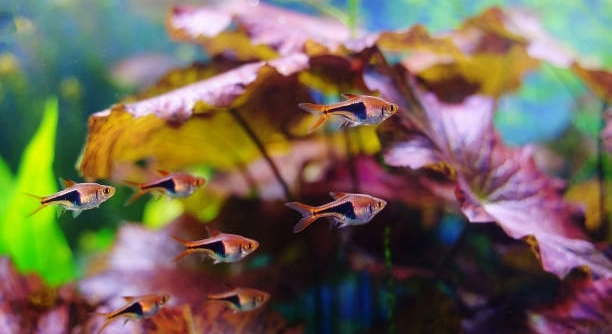
Have you ever noticed your small rasboras swimming together in tight groups, moving gracefully through the water with a sense of comfort and familiarity? Their social behavior can often be fascinating for aquarium enthusiasts.
Rasboras are inherently social fish that thrive in groups. Keeping them in adequate numbers reduces stress, encourages natural behaviors, and supports overall health. A lack of frequent social contact can lead to anxiety and diminished activity.
Maintaining the right group size is essential, as it directly influences your rasboras’ behavior and overall well-being. Understanding this can help create a happier, healthier aquarium environment for them.
Why Rasboras Need Companionship
Rasboras are schooling fish, which means they feel safest and most comfortable in groups. In small numbers, they can become shy, hiding among plants or decorations for most of the day. I remember when I first added only three to my tank; they barely moved, seeming unsure and nervous. When I increased their group to six, their behavior changed completely. They swam confidently, exploring every corner and even interacting with other tank mates. Social contact keeps their stress levels low, supporting their immune system and overall health. It also encourages natural behavior, such as synchronized swimming and subtle hierarchy displays. Observing them interact can be quietly rewarding, as you see patterns emerge in their movements. Maintaining an appropriate group size is essential, especially in smaller tanks where space is limited. Even a well-decorated tank can feel empty for a lone rasbora, emphasizing how much they rely on one another to feel secure.
Group size directly affects their energy and confidence levels in the aquarium.
Keeping at least six rasboras together provides safety, promotes activity, and ensures healthier, more natural behavior patterns in daily life.
Signs Your Rasboras Are Feeling Lonely
Rasboras that lack companions often display unusual or withdrawn behavior, sticking to corners or hovering near decorations without exploring.
Lonely fish may lose appetite, swim erratically, or spend long periods motionless. These signs indicate stress, which can reduce immunity and increase susceptibility to disease. I noticed my own rasboras became unusually pale and skittish when one of their group was removed for a week. Reintroducing more companions immediately improved their activity and restored normal coloration. Social interaction stimulates mental engagement, keeping them alert and responsive to their environment. It also reinforces natural schooling instincts, where each fish feels safer moving together. Without it, they can develop repetitive or anxious movements, making the tank less lively. Observing their social signals—such as synchronized turns, following patterns, and occasional gentle nudging—helps determine if your fish are happy or need additional company. A well-sized group creates a balance where each rasbora thrives, reducing stress and promoting overall longevity in a confined tank space.
Creating a Comfortable Group Environment
Rasboras feel safer when surrounded by plants, hiding spots, and open swimming areas. A well-balanced tank layout encourages natural schooling behavior and reduces stress among the fish.
Providing ample space allows the group to spread out while still interacting naturally. I arranged my tank with tall plants along the back and sides and left the center open for swimming. This setup allowed my rasboras to form small clusters or move together freely, depending on their mood. Rocks and driftwood added extra hiding spots, which became particularly useful during feeding or sudden tank disturbances. Observing them navigate this environment showed me how much layout impacts social comfort. A cramped or bare tank can amplify stress, even if the group size is adequate, so creating both open and sheltered spaces is essential for balanced social interaction.
Maintaining a dynamic environment supports mental stimulation and encourages consistent movement throughout the tank.
Rasboras are more active and visually vibrant when their surroundings promote natural behaviors. Plants, decorations, and open swimming areas help reduce stress, encourage schooling, and create a balanced atmosphere that mirrors their natural habitat.
Monitoring Group Health
Regular observation is key to ensuring all rasboras are thriving together. Watch for changes in behavior, coloration, and energy levels.
Group health depends on the comfort and cohesion of its members. I noticed subtle differences in my own fish when one became ill; the others immediately altered their swimming patterns and stayed closer together. Healthy groups display synchronized movement, shared feeding activity, and minimal aggression. Stress can arise from overcrowding, poor water quality, or insufficient hiding spaces, so monitoring daily is important. Paying attention to how each fish interacts helps detect early signs of illness or discomfort. Keeping notes on behavior and feeding patterns allows quick adjustments to maintain harmony. Social stress can affect growth, immunity, and lifespan, making careful observation a critical part of tank maintenance. Creating a stable, comfortable environment ensures each rasbora contributes to a healthy, active school.
Ideal Group Sizes
Keeping at least six rasboras together helps them feel secure and display natural behavior. Smaller groups often lead to stress and hiding.
Larger groups, around ten to twelve, increase activity and allow more interaction. Too many in a small tank can create overcrowding, so balance is important.
Observing Social Behavior
Rasboras show clear social cues, like following each other, swimming in synchronized patterns, and gently nudging neighbors. I noticed my fish often cluster together near plants or decorations, especially when startled. These behaviors indicate comfort and cohesion. When one fish is removed, the group quickly adjusts, showing the importance of consistent companionship. Watching them interact provides insight into their emotional state and overall health. Social signals are subtle but telling, from small fin movements to coordinated turns. Recognizing these patterns ensures the group is thriving, reduces stress, and helps prevent illness. A healthy school keeps the tank lively and balanced.
Feeding in Groups
Feeding together encourages interaction and reduces competition. Rasboras tend to eat more confidently when surrounded by their group.
How many rasboras should I keep together?
Rasboras are naturally schooling fish, so keeping at least six is ideal. Smaller numbers can make them shy and stressed, hiding for most of the day. I once started with only four, and they seemed nervous, barely moving. When I increased the group to eight, they became active, exploring the tank confidently and interacting naturally with each other. Larger groups of ten or more work well in bigger tanks, but overcrowding must be avoided. Proper group size encourages natural behavior, reduces stress, and supports overall health.
Can rasboras live alone?
Rasboras are social by nature and do not thrive alone. A single fish often becomes withdrawn, spending hours hiding or swimming erratically. In my experience, a lone rasbora appeared pale and less active, clearly stressed without companions. Social interaction stimulates mental engagement, reduces anxiety, and encourages schooling behavior. Even a well-decorated tank cannot replace the companionship of its own kind. Keeping them in a proper group ensures they display normal behaviors, eat confidently, and maintain proper coloration. Alone, their immune system may weaken, making them more prone to illness.
What are the signs my rasboras are lonely?
Lonely rasboras often hide for long periods, avoid swimming in the open, and lose appetite. They may swim erratically or hover near decorations constantly. I noticed my own fish became less colorful and skittish when a companion was removed. Stress from isolation can lead to weakened immunity and lower activity levels. Signs of social discomfort include failing to school, reduced interaction during feeding, or repetitive, anxious swimming. Healthy groups swim together confidently, display synchronized turns, and engage in gentle nudging. Observing behavior closely helps determine if your fish need more companions to restore social balance.
How do I introduce new rasboras to an existing group?
Introduce new fish gradually by floating their bag in the tank for 15–20 minutes to equalize temperature. Slowly mix small amounts of tank water into the bag over 30–60 minutes before release. I follow this routine and notice less stress and faster integration. Adding one or two fish at a time prevents aggression or social imbalance. Monitor the group closely for the first few days to ensure no fish are bullied or overly stressed. Proper acclimation and careful observation allow new rasboras to join the school smoothly, maintaining harmony and group cohesion.
Do rasboras need plants and decorations to feel secure?
Yes, plants and decorations provide shelter and reduce stress. Rasboras naturally seek hiding spots, especially when startled or resting. I arranged tall plants along the back and sides of my tank while leaving the center open for swimming. Driftwood and rocks add extra cover, giving them options for temporary retreats. A well-decorated tank allows the group to spread out while still feeling safe together. Even a comfortable group can become anxious without proper shelter, making tank layout important. Open swimming areas combined with secure hiding spots support natural schooling behavior and social confidence.
What happens if the group is too small?
Small groups often become shy, hiding most of the day and showing little activity. I saw this with my first batch of three rasboras; they barely moved and often stayed in corners. Stress can lead to loss of appetite, dull coloration, and increased susceptibility to illness. Social stimulation is vital for their mental and physical health. Without enough companions, rasboras may develop repetitive or anxious movements, disrupting the balance of the tank. Maintaining at least six ensures proper schooling, confidence, and interaction, allowing each fish to thrive in a stable environment.
Can rasboras adjust to new tank mates?
Yes, they can, but careful planning is needed. Rasboras generally tolerate peaceful species that do not compete aggressively for food. I introduced small tetras and shrimp, and the group adapted without conflict. Avoid large, aggressive, or territorial fish, as this causes stress and disrupts schooling behavior. Observing interactions after introductions is crucial to prevent bullying or social disruption. Ensuring a balanced environment with plants, hiding spots, and adequate space allows rasboras to maintain confidence while coexisting peacefully with compatible tank mates.
Rasboras are small, delicate fish that rely heavily on social interaction to feel safe and confident in their environment. Unlike solitary species, they thrive when kept in groups of at least six, allowing them to display natural behaviors such as synchronized swimming, gentle nudging, and exploring the tank together. I have noticed that when their group is too small, they often become shy, hide among plants, and lose their energy. Over time, this lack of social contact can lead to stress, a weakened immune system, and even health problems. Keeping an adequately sized group is essential not only for their happiness but also for maintaining a balanced and lively tank. The sight of a well-coordinated school moving together is both calming and reassuring, showing that the fish feel secure and comfortable in their home.
Creating the right tank environment is just as important as maintaining group size. Rasboras benefit from a layout that combines open swimming spaces with secure hiding spots. Tall plants along the sides and back, low decorations in the center, and occasional driftwood or rocks provide them with options to explore and retreat if needed. I have seen my own fish become noticeably more confident and active once their tank offered both shelter and room to swim freely. Overcrowded or bare tanks, even with a proper number of fish, can increase stress and reduce activity levels. A thoughtfully arranged environment supports social interaction, encourages natural behaviors, and keeps the group dynamic and healthy. Proper tank conditions, combined with an adequate number of companions, create a setting where rasboras can thrive physically and mentally.
Monitoring the group regularly is crucial for long-term health and well-being. Rasboras show subtle signs when they are stressed, lonely, or unwell, including hiding, loss of appetite, erratic swimming, or dull coloration. By observing their behavior closely, it becomes easier to detect issues early and adjust the tank conditions or group composition accordingly. Introducing new fish gradually, maintaining proper water quality, and ensuring a stable environment all contribute to a harmonious group. In my experience, paying attention to these details makes a significant difference, as the fish remain active, vibrant, and engaged. Ultimately, rasboras are happiest when they have consistent social contact, a comfortable environment, and careful monitoring, allowing them to live full, healthy lives in a peaceful aquarium setting.

Hello,
If you enjoy the content that we create, please consider saying a "Thank You!" by leaving a tip.
Every little bit helps us continue crafting quality advice that supports the health, happiness, and well-being of pets around the world, for pets of all shapes, sizes, and species.
We really appreciate the kindness and support that you show us!