
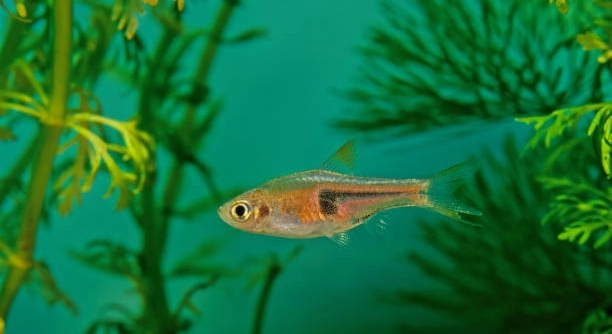
Have you ever watched a school of rasboras and noticed certain fish move with calm purpose, holding position and interacting smoothly, while others seem hesitant, scattered, or easily startled within the group at feeding times.
A confident rasbora displays steady swimming patterns, maintains central positioning within the school, and engages in consistent social interactions. Such behavior reflects reduced stress levels, established social standing, and effective adaptation to environmental conditions within a stable, well-managed aquarium setting.
Learning these subtle signals helps create a calmer aquarium, supporting healthier group dynamics and allowing your rasboras to thrive together.
Behavioral Signs of Confidence in Rasboras
I often notice that confident rasboras move with smooth, deliberate motions that remain consistent throughout the day. They swim without sudden darts, adjust direction calmly, and rarely collide with tank mates. Their bodies appear relaxed, with fins held open rather than clamped close. During feeding, they approach food steadily instead of rushing in panic. Confident individuals also maintain awareness of their surroundings without appearing skittish. They do not freeze when shadows pass or when hands approach the glass. Instead, they continue swimming at a measured pace. This steady behavior suggests comfort within the environment and familiarity with routine. Over time, these fish help stabilize the group by setting a calm rhythm that others follow, reducing unnecessary stress and promoting predictable, balanced movement across the entire school. This balance is especially noticeable in established aquariums where conditions remain stable and daily care follows a consistent, thoughtful pattern over long periods time.
These behaviors are easier to spot when observing the group quietly for several minutes. Sudden movements or frequent tank changes can mask natural behavior, making confidence harder to recognize during brief or distracted viewing sessions. Consistency in observation allows patterns to emerge clearly over time with repeated calm daily checks.
In my experience, confident rasboras often influence the school without aggression. They lead short movements, pause calmly, and resume swimming in ways others mirror. This is not dominance but quiet assurance. When these fish are present, the group appears tighter and more coordinated. Spacing between individuals remains even, reducing frantic clustering. At rest, confident fish hold position midwater instead of hiding near plants or corners. This behavior shows trust in their environment. Observing these details helps separate true confidence from temporary bursts of activity caused by stress or excitement within stable, well-maintained community tanks with lighting, water quality, and routines.
Environmental Factors That Support Confidence
Confidence does not appear randomly and is closely tied to tank conditions. Stable water parameters, proper group size, and predictable routines allow rasboras to settle. When their needs are met consistently, calm behavior becomes the norm rather than the exception. This foundation supports long-term stability across the entire aquarium setup.
I pay close attention to how the environment shapes behavior over time. Adequate swimming space allows rasboras to move freely without constant avoidance. Overstocked tanks often lead to tension and erratic motion. Gentle filtration and consistent lighting reduce startle responses, helping fish remain visible and active. Feeding routines also matter. When food arrives at regular times and spreads evenly, confident fish do not feel pressured to compete aggressively. Tank layout plays a role as well. Open areas combined with planted zones give fish options without forcing them into hiding. Water quality stability is equally important. Sudden changes in temperature or chemistry can disrupt even well-adjusted groups. Regular maintenance done on a predictable schedule supports trust in the environment. Over weeks, these conditions encourage relaxed movement, social cohesion, and steady interaction patterns. Confidence becomes less about individual personality and more about the space supporting natural behavior. When the setup is right, the entire school reflects it. This shift is noticeable during daily observation, where behavior remains consistent despite minor external disturbances. Over time, such stability reduces stress signals and supports overall health, making confidence an expected outcome rather than a rare trait within freshwater community aquariums maintained with care, and patience.
Social Position Within the School
I notice confident rasboras often hold central positions within the school, swimming evenly among others. They rarely linger at edges or hide near decor. This placement reflects comfort, awareness, and acceptance by the group, creating steady spacing and reducing tension during normal movement throughout daily group activity cycles and routines.
I have observed that confident individuals are not chased or displaced frequently. Other rasboras adjust around them without abrupt turns or bursts of speed. This mutual awareness reduces collisions and sudden retreats. Confident fish pause midwater without triggering alarm responses. Their presence stabilizes spacing, allowing the school to move as a loose unit rather than scattered individuals. Over time, this pattern becomes predictable. When a fish repeatedly maintains position without being challenged, it signals established social balance. Such balance supports calm feeding, resting, and swimming behaviors across the entire group within stable, well-maintained aquarium environments over extended observation periods consistently.
In less confident groups, I often see frequent shuffling and uneven spacing. Fish rotate positions constantly, reacting to minor movements. This behavior creates visual noise and increases stress. Confident groups show fewer corrections. Individuals trust shared direction and speed. This trust develops through consistent conditions and time. Observing who remains steady during these moments helps identify confidence clearly. It is not about size or color brightness. It is about how calmly a fish holds space while others adjust naturally around it within established schools observed over long periods in calm tanks with consistent care routines and minimal external disturbances present.
How Feeding Behavior Reveals Confidence
I watch feeding time closely because confidence shows clearly there. Calm fish approach food without rushing. They take turns naturally and resume swimming afterward. There is no frantic darting or prolonged hovering. This steady response suggests trust in availability and reduced competition pressure. I have learned this behavior remains consistent when routines, portions, and group size stay balanced over time in stable aquariums with minimal variation between daily feedings across observation sessions and lighting conditions.
Confident rasboras do not guard food or push others aside. They eat efficiently and move on. This behavior reduces tension during feeding windows. When fish trust that food will continue to appear, urgency fades. I notice less surface splashing and fewer rapid dives. Subordinate fish feed successfully without hesitation. Over time, this pattern supports even growth and stable energy levels. Feeding confidence also reflects environmental reliability. Regular schedules and consistent portions matter. Sudden changes can disrupt this balance quickly. Watching feeding behavior over several days provides clear insight into overall group stability. This observation helps me adjust care practices while maintaining calm, predictable conditions that support long-term health and social balance within community aquariums of similar species kept under attentive daily care and observation routines.
Physical Appearance and Body Language
Confident rasboras show steady fin movement and relaxed posture while swimming. Fins remain open, not clamped, and bodies stay level. I notice fewer sharp turns and smoother transitions, which signal comfort. These physical cues appear consistently, not only during calm moments but also when activity increases within stable aquarium conditions.
Coloration also reflects confidence over time. Colors appear even and well defined, without pale patches or sudden fading. I often see confident fish maintain their tones throughout the day, including feeding periods. This consistency suggests low stress levels and stable health supported by proper care routines and balanced tank environments.
Response to Environmental Changes
Confident rasboras respond calmly to minor disturbances in the tank. When lights change or someone approaches the glass, they continue swimming instead of freezing or scattering. I notice they recover quickly from brief disruptions and return to normal patterns. This response shows trust in surroundings. Fish lacking confidence often hide or dart repeatedly. Over time, calm reactions indicate that the environment feels predictable and safe. Stable routines, gentle maintenance, and consistent lighting help reinforce this behavior. Watching how quickly fish settle after change reveals their comfort level more clearly than brief bursts of activity observed during daily aquarium care routines.
Consistency Over Time
Tank hierarchy becomes easier to read with time and patience. Confident rasboras are rarely isolated or excluded. They move freely among others without resistance. I find this acceptance reduces visible stress signals and supports balanced group behavior that remains steady across different times of day within stable community aquarium setups.
FAQ
How long does it take for rasboras to show confident behavior in a new tank?
In my experience, rasboras usually begin showing signs of confidence after two to four weeks. This depends on stable water conditions, consistent lighting, and minimal changes. During the first days, hiding and scattered swimming are common. As routines settle, movement becomes smoother and spacing evens out. I have noticed that frequent adjustments delay this process. Leaving the tank undisturbed allows fish to learn patterns and feel secure. Confidence builds gradually, not overnight, and patience plays a major role.
Can a single rasbora appear confident on its own?
Rasboras are schooling fish, so confidence is closely tied to group presence. When kept alone or in very small numbers, even healthy individuals often show stress behaviors. I rarely see true confidence without a proper group. Swimming becomes uneven, and hiding increases. In a school, confidence emerges through shared movement and social balance. Keeping enough individuals helps distribute attention and reduces pressure on any single fish.
Does tank size affect how confident rasboras behave?
Tank size matters more than many expect. In cramped spaces, rasboras struggle to maintain natural spacing. I often see increased darting and uneven grouping in smaller tanks. Adequate length allows smooth swimming and reduces forced interactions. When fish can move freely, confidence follows naturally. Even with good water quality, limited space can restrict behavior. A properly sized tank supports calm movement and stable group structure over time.
Are confident rasboras always the largest or strongest fish?
Confidence is not linked to size alone. I have observed smaller rasboras display calm, steady behavior while larger ones remain reactive. Confidence comes from comfort, not dominance. Fish that trust their environment hold position without force. Physical size may influence visibility, but behavior tells the real story. Watching how a fish responds to others is more useful than judging by appearance.
Can confident behavior change over time?
Yes, confidence is not permanent. Changes in maintenance routines, water parameters, or group composition can affect behavior. I have seen calm fish become reactive after sudden tank adjustments. Likewise, hesitant fish can gain confidence once conditions stabilize. Behavior reflects the present environment. Regular observation helps catch shifts early. Consistency supports long-term confidence more than any single factor.
Does feeding frequency influence confidence?
Feeding routines play a larger role than many realize. When food arrives at predictable times, fish remain calm. I notice less rushing and fewer sudden movements. Irregular feeding creates urgency and competition, which disrupts group balance. Consistent portions spread across the tank help maintain even access. Over time, this reduces tension and supports steady behavior during both feeding and non-feeding periods.
How can I tell the difference between confidence and curiosity?
Curiosity often appears as brief exploration followed by retreat. Confidence looks steadier. Curious fish dart forward, then pull back quickly. Confident rasboras move smoothly and remain visible. I watch how long a fish stays exposed and how it reacts after noticing movement outside the tank. Confidence shows through calm continuation rather than quick checks. Observing these patterns over several days makes the difference clearer.
Do confident rasboras help other fish feel calmer?
I have noticed that confident individuals often set the tone for the group. Their steady movement reduces panic responses. Other fish follow their pace and spacing. This influence is subtle but consistent. When confident fish are present, the school appears more organized. Over time, this shared calm supports healthier interaction patterns across the entire group.
Final Thoughts
Watching rasboras over time has taught me that confidence is not loud or dramatic. It shows through calm movement, steady positioning, and consistent behavior that does not change with minor disturbances. These signs become clearer when the tank remains stable and daily care follows a predictable rhythm. Confidence develops slowly and reflects how safe the fish feel in their surroundings. It is shaped by water quality, space, group size, and routine rather than any single action. Paying attention to these details helps create an environment where rasboras can settle naturally. When conditions remain steady, behavior becomes easier to read and patterns repeat themselves day after day. This consistency allows confident fish to stand out without needing to compete or display dominance. Their presence brings balance to the group and reduces visible stress responses across the school.
It is also important to remember that confidence is flexible. Rasboras may shift behavior when changes occur, even small ones. Adjustments to lighting, feeding schedules, or tank layout can affect how secure they feel. I have found that patience matters just as much as maintenance. Rushing changes or reacting too quickly can interrupt established balance. Allowing time between adjustments gives fish space to adapt. Observation becomes more valuable than intervention. Sitting back and watching how the group responds often provides clearer answers than constant correction. Over time, confident behavior becomes familiar and easier to recognize. It blends into the background of the tank, creating a calm and steady visual rhythm that feels natural rather than forced.
Confidence in rasboras reflects thoughtful care rather than perfection. No tank remains unchanged forever, but steady habits support long-term comfort. When fish swim calmly, feed without urgency, and maintain relaxed spacing, it suggests their needs are being met consistently. These signs offer quiet reassurance that the aquarium is functioning as intended. Focusing on these behaviors helps guide future decisions without overcomplicating care. It encourages a balanced approach that values stability over constant adjustment. In the end, confident rasboras are not just easier to observe, they also signal a healthy environment where fish can behave as they are meant to. That outcome comes from patience, consistency, and attention to subtle details that often speak louder than obvious displays.

Hello,
If you enjoy the content that we create, please consider saying a "Thank You!" by leaving a tip.
Every little bit helps us continue crafting quality advice that supports the health, happiness, and well-being of pets around the world, for pets of all shapes, sizes, and species.
We really appreciate the kindness and support that you show us!