
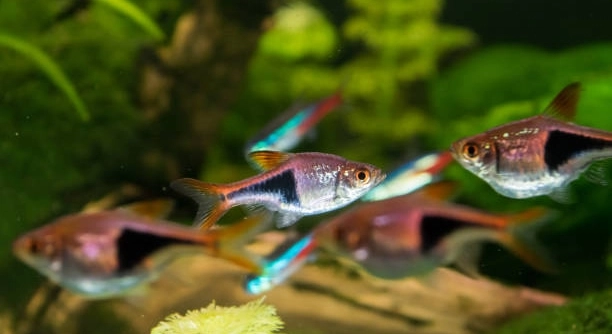
Rasboras are small, lively fish that often bring color and movement to a home aquarium. Many aquarists notice their social nature and how they interact with each other in groups, creating a peaceful and active environment.
Research suggests that rasboras may exhibit signs of stress or altered behavior after the loss of tankmates. While direct mourning as seen in mammals is not confirmed, their social bonds influence feeding, swimming patterns, and overall activity within the group.
Observing these subtle changes can help aquarists ensure the well-being of remaining fish and maintain harmony in the tank.
Recognizing Changes in Behavior
After losing a tankmate, rasboras often display subtle shifts in their usual behavior. They may swim more slowly, hide in corners, or separate from the group. Feeding habits can also change, with some fish showing less interest in food. Observing these behaviors closely allows for timely intervention to reduce stress. Environmental factors such as water temperature, tank size, and decorations also play a role in how quickly rasboras adjust. Providing familiar hiding spots and maintaining consistent care routines can help them regain a sense of normalcy. Social species like rasboras rely heavily on group interaction, and even a single loss can disrupt their equilibrium. It is important to monitor the remaining fish for signs of anxiety or lethargy. Adding new companions should be done carefully to avoid additional stress. Understanding these patterns can improve the overall health and happiness of the aquarium community, making it easier to respond appropriately when changes occur.
Small changes in swimming patterns or feeding behavior can indicate stress after the loss of a tankmate.
Keeping a consistent routine, maintaining clean water, and observing interactions can help rasboras adapt. Attention to these details ensures they feel secure and supported.
Supporting Rasboras Through Loss
Offering hiding spots and familiar decorations can reduce stress in affected fish.
It is helpful to provide a calm and stable environment when rasboras lose a tankmate. Sudden changes, loud noises, or overcrowding can worsen their anxiety. Observing their interactions with each other will indicate whether they are adjusting or need additional support. Some rasboras may gradually resume normal activity, while others might continue to show signs of stress, such as isolation or reduced feeding. Adding new tankmates can be beneficial, but it should be done slowly and carefully, ensuring compatibility and introducing them under low-stress conditions. Maintaining optimal water quality, temperature, and lighting supports recovery. It is also useful to engage in regular, gentle observation, noting any behavioral changes over time. By providing a stable and attentive environment, aquarists can help rasboras cope with loss while promoting social cohesion within the group. Consistent care and attention to their needs increase the likelihood that the remaining fish will regain confidence, reduce stress, and restore balance to the tank environment.
Monitoring Social Interactions
Rasboras may cluster more tightly or avoid areas they used to explore when a tankmate is lost. Watching these interactions can reveal their stress level and readiness to accept new companions.
Some rasboras may become more reserved, staying near the bottom or behind plants. Others might swim erratically or display sudden bursts of activity. These changes often reflect confusion and anxiety caused by the absence of a familiar companion. Regular observation helps identify which fish need more attention or adjustments in their environment. Providing spaces for retreat and gentle feeding routines encourages a gradual return to normal behavior. Over time, most fish adapt if their environment remains stable, and social patterns slowly restore.
Introducing new tankmates requires careful timing and observation. Adding them too quickly can increase stress and aggression among the existing group. Ideally, new fish should be similar in size and temperament to avoid conflict. Using a separate acclimation container for the newcomers reduces immediate stress and allows the current group to adjust gradually. Maintaining consistent water conditions during this period minimizes additional disruptions. Observing interactions over several days ensures that the integration is smooth, and the social structure remains stable. By taking these steps, the tank becomes balanced again, helping rasboras regain confidence and reduce anxiety.
Signs of Emotional Response
Changes in color intensity can indicate stress or sadness in rasboras. Dull or faded hues often accompany the loss of a tankmate, showing their emotional state.
Rasboras that were once vibrant may lose some of their typical shine after losing a companion. Their schooling patterns may also be disrupted, as they rely on group cohesion for safety and comfort. Stress can manifest in reduced appetite, longer resting periods, and less interaction with other fish. Observing these subtle signs provides insight into how deeply a fish is affected. Adjustments like rearranging tank decorations or introducing gentle visual barriers can help mitigate stress. Maintaining a stable routine and avoiding sudden environmental changes support emotional recovery. Over time, the group may regain normal activity, but attentive care ensures no fish is overlooked during this period of adjustment.
Adjusting to the Loss
Rasboras may initially appear restless or hesitant after losing a tankmate. They often spend more time near hiding spots or cling to the remaining group members for reassurance.
Some fish may reduce their activity, swimming less or staying at the tank bottom. These behaviors are temporary as they gradually adapt to the change.
Encouraging Group Cohesion
Maintaining a consistent routine helps rasboras rebuild their social structure. Feeding at regular times, keeping water conditions stable, and limiting sudden disturbances all support recovery. Social interactions gradually resume, with fish forming smaller clusters or resuming previous swimming patterns. Observing these interactions ensures the group regains balance.
Environmental Support
Adding plants, rocks, or other hiding places provides comfort. Rasboras use these areas to feel secure and regain confidence after the loss of a companion.
FAQ
Do rasboras truly notice when a tankmate is gone?
Yes, rasboras are social fish that rely on group interaction for security. When a companion disappears, they often show signs of confusion or stress, such as altered swimming patterns or reduced activity. Their awareness of group changes reflects their dependence on social cohesion.
How long does it take for rasboras to adjust after losing a tankmate?
Adjustment varies depending on the individual fish and tank conditions. Some may regain normal behavior within a few days, while others might take weeks. Providing a stable environment, hiding spots, and consistent feeding helps speed up their recovery. Patience is key during this period.
Can adding new tankmates help rasboras cope with the loss?
Introducing new companions can help restore social balance, but it must be done carefully. New fish should be compatible in size and temperament. Gradual acclimation using a separate container reduces stress and allows existing rasboras to adjust slowly, preventing aggressive behavior or prolonged anxiety.
What are the signs of stress in rasboras after a loss?
Stress signs include reduced swimming, hiding, erratic movements, and diminished appetite. Color fading is also common. Monitoring these behaviors is essential to provide timely support. Adjusting the environment, maintaining stable water conditions, and minimizing disturbances can help reduce stress levels effectively.
Do rasboras mourn like mammals?
While they do not mourn in the same way mammals do, rasboras exhibit noticeable behavioral changes in response to the absence of a tankmate. These changes reflect social dependency rather than grief but indicate an emotional response that requires care and observation.
Should I change their tank setup after losing a fish?
Minor adjustments, like adding new hiding spots or rearranging decorations, can provide comfort and reduce stress. Avoid drastic changes that may further unsettle the group. Stability in water conditions, lighting, and temperature is more important than frequent environmental alterations.
Is it necessary to separate stressed rasboras from the group?
Separation is rarely required unless aggression arises or a fish is severely weakened. Most rasboras benefit from remaining in the group while having access to shelters. Observing interactions closely ensures no fish is left vulnerable or overly stressed during the adjustment phase.
How do I maintain social bonds among the remaining rasboras?
Encouraging group activity through consistent feeding times and gentle observation supports social cohesion. Adding visual barriers or plants helps them feel secure while regrouping. Patience and careful monitoring allow rasboras to gradually reestablish familiar swimming patterns and social behaviors.
Can environmental enrichment reduce stress after losing a tankmate?
Yes, adding plants, rocks, or other hiding areas helps rasboras feel secure. These elements provide opportunities for retreat and exploration, which lower anxiety levels and promote gradual recovery of normal behavior. Enrichment is an effective way to support emotional well-being.
How do I know when rasboras have fully adjusted?
Normal swimming patterns, active feeding, vibrant coloration, and reestablished schooling behaviors indicate that the group has adapted. Continued observation ensures that any lingering stress or social disruption is addressed promptly. A balanced, interactive group signals successful adjustment after the loss.
Can repeated loss affect long-term behavior?
Repeated loss or frequent changes in group composition can increase anxiety and stress levels, leading to prolonged hiding, reduced feeding, or abnormal swimming patterns. Minimizing sudden changes and maintaining a stable social environment helps prevent long-term behavioral issues.
Are some rasboras more sensitive than others?
Yes, individual personalities vary. Some fish adapt quickly, while others are more prone to stress and show extended periods of altered behavior. Monitoring each fish separately ensures that vulnerable individuals receive additional support and protection.
Does tank size influence recovery after a loss?
Larger tanks allow fish to maintain personal space and reduce stress, aiding recovery. Smaller tanks may increase tension and competition for hiding spots, potentially prolonging adjustment. Ensuring adequate space, decorations, and swimming areas is essential for well-being.
How important is water quality during recovery?
Maintaining clean, stable water is critical. Fluctuations in temperature, pH, or ammonia levels increase stress and slow behavioral recovery. Regular monitoring and consistent care create a stable environment that supports rasboras in adapting to the loss of a companion.
Can I prevent stress from future losses?
Providing a sufficiently large group, stable environment, and gradual introduction of new fish reduces stress from future changes. Understanding social needs and observing interactions closely allows for proactive care, minimizing anxiety caused by unexpected loss.
Final Thoughts
Rasboras are delicate, social fish that thrive in groups. Their interactions are essential for their well-being, and losing a tankmate can noticeably affect their behavior. While they may not mourn in the same way mammals do, their reactions to the absence of a companion show that social bonds are important to them. Changes such as reduced activity, altered swimming patterns, or hiding are clear indicators that the fish are experiencing stress. Observing these behaviors carefully allows aquarists to provide the support needed to help rasboras adjust and maintain a balanced, healthy environment.
Creating a stable and consistent environment is key to helping rasboras recover from loss. Maintaining water quality, temperature, and lighting within ideal ranges reduces additional stress and supports normal behavior. Providing hiding spots and decorations allows fish to feel secure, while consistent feeding routines reinforce a sense of stability. Introducing new tankmates can help restore social cohesion, but it should be done gradually and carefully. Using a separate acclimation container for new additions and observing interactions over several days ensures that stress is minimized and the group can integrate successfully. These steps help the remaining fish regain confidence, restore activity levels, and resume their typical social patterns.
Patience and attentive observation are crucial for aquarists managing the loss of a rasbora. Each fish adapts at its own pace, and some may take longer to return to normal behavior than others. It is important to monitor individual responses and adjust care practices as needed. Even small changes, like rearranging decorations or providing more hiding areas, can make a significant difference in helping fish feel secure. By maintaining a stable environment, offering consistent care, and observing social interactions closely, aquarists can support their rasboras through the adjustment period. Over time, the group typically regains balance, allowing each fish to thrive while fostering a healthy and peaceful aquarium community. This approach ensures that the well-being of the remaining fish is prioritized and that their social and emotional needs are met.

Hello,
If you enjoy the content that we create, please consider saying a "Thank You!" by leaving a tip.
Every little bit helps us continue crafting quality advice that supports the health, happiness, and well-being of pets around the world, for pets of all shapes, sizes, and species.
We really appreciate the kindness and support that you show us!