
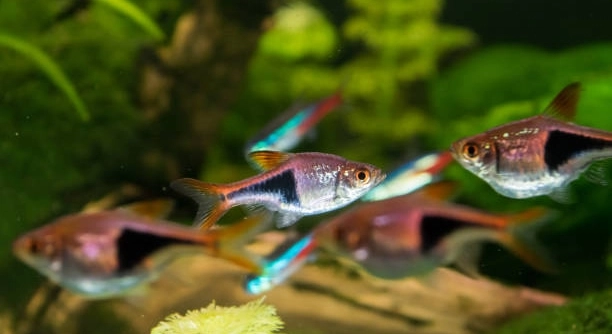
Do your rasboras often rub against the glass of your aquarium, leaving you puzzled about their behavior? Many fish owners notice this habit and wonder if it signals a problem or is simply normal activity.
Rasboras rub against the glass primarily due to irritation, stress, or a response to poor water conditions. Physical discomfort from parasites or algae buildup can prompt this behavior, while insufficient space or incorrect water parameters may also contribute.
Understanding why rasboras exhibit this behavior can help maintain a healthy aquarium environment and ensure the well-being of your fish companions.
Common Causes of Glass Rubbing
Rasboras may rub against the glass for several practical reasons. One frequent cause is irritation from parasites or minor injuries. Even small skin abrasions can make fish more likely to scrape against surfaces. Water quality is another key factor. High ammonia or nitrite levels can cause discomfort, prompting this behavior. Stress is also common, often triggered by overcrowding, sudden changes in water temperature, or aggressive tankmates. Lighting and reflections may play a role as well, as bright lights or mirrored surfaces can confuse or alarm the fish. Finally, a lack of stimulation in the tank can lead to repetitive movements, including rubbing against the glass. Regular observation and testing of water parameters help identify and reduce these issues. By addressing environmental and physical factors, you can improve your rasboras’ comfort and reduce unwanted rubbing behavior.
Consistently checking water quality and observing fish behavior ensures rasboras stay healthy and less prone to rubbing the glass.
Providing hiding spots, smooth decorations, and stable conditions helps rasboras feel secure, lowering stress-induced rubbing and improving overall tank harmony.
Preventive Measures and Tank Maintenance
Maintaining clean water and proper tank conditions is essential for rasboras’ health.
Routine water changes, gentle filtration, and testing for ammonia, nitrites, and nitrates are critical. Avoid overcrowding and ensure the tank has adequate space for swimming. Soft decorations and plants reduce friction and provide hiding spots, helping the fish feel safe. Gradual changes in temperature and light prevent stress-related behaviors. Introducing compatible tankmates encourages natural movement rather than repetitive rubbing. Monitoring for signs of illness allows early intervention, preventing irritation or discomfort. Overfeeding should be avoided, as leftover food can harm water quality. Regular observation helps you notice changes in behavior, ensuring any potential problems are addressed quickly. Overall, careful attention to tank setup and maintenance reduces glass rubbing and supports a comfortable, balanced environment.
Along with clean water and stable conditions, attention to diet, plant placement, and stress reduction keeps rasboras active, healthy, and calm, minimizing rubbing behavior in the tank.
Monitoring Fish Behavior
Regular observation is key to understanding why rasboras rub against the glass. Watching their movement patterns and noting any changes can reveal stress, illness, or environmental issues. Small adjustments often prevent recurring problems and improve overall fish well-being.
Tracking behavior over time helps identify specific triggers. If rubbing occurs after water changes, lighting adjustments, or the introduction of new tankmates, it signals a response to the environment. Parasites or infections may also become apparent through repeated rubbing or unusual swimming patterns. Documenting these behaviors allows you to act promptly and maintain a healthy tank.
Not all rubbing indicates serious problems, but consistent monitoring is essential. Observing swimming habits, feeding responses, and interactions with other fish provides valuable insight. Early detection of irritation, illness, or environmental stress allows you to make precise changes before issues escalate. Combining behavior tracking with proper tank care promotes a stable, comfortable habitat and reduces unwanted rubbing.
Adjusting Tank Conditions
Temperature and water chemistry play a major role in rasboras’ comfort. Even slight deviations can lead to rubbing and stress behaviors.
Maintaining a consistent temperature suited to your species is crucial. Regular water testing for pH, hardness, ammonia, nitrites, and nitrates ensures the environment remains stable. Sudden fluctuations, harsh lighting, or strong currents can increase stress, causing fish to scrape against the glass. Proper filtration and partial water changes reduce toxins, while soft substrates and smooth decorations prevent injuries during rubbing. Consistency in feeding schedules and portion control also helps maintain water quality and reduces stress-related behavior.
Tank layout adjustments are equally important. Plants, hiding spots, and open swimming areas provide security and reduce repetitive rubbing. Avoid overcrowding, as excessive competition increases stress and glass-rubbing tendencies. Introducing gentle tankmates and removing reflective surfaces can minimize confusion. Observing fish responses to each adjustment helps determine the most effective changes. Gradually implementing modifications ensures the fish adapt smoothly, maintaining comfort and minimizing stress-induced behaviors while supporting long-term health and natural activity patterns.
Identifying Parasites
Parasites are a common reason rasboras rub against the glass. Signs include scratching, flashing, or unusual spots on the body. Early detection helps prevent serious health problems.
Observing behavior closely allows you to identify infected fish quickly. Quarantining affected individuals reduces the risk of spreading parasites to others in the tank.
Water Quality and Filtration
Proper filtration is essential for maintaining clean water. Accumulated waste, uneaten food, and decaying plants increase toxins, causing stress and irritation. Efficient filters remove debris while promoting water circulation. Regular cleaning and filter maintenance ensure stable water conditions, which reduce rubbing behaviors and improve overall fish health.
Choosing Compatible Tankmates
Aggressive or overly active tankmates can stress rasboras, triggering rubbing against the glass. Selecting peaceful, similarly sized fish minimizes conflict and promotes calm interactions within the aquarium environment.
FAQ
Why do rasboras rub against the glass only at certain times?
Rasboras may rub against the glass during feeding, when water conditions change, or if tank lighting is brighter than usual. Changes in temperature, water chemistry, or reflections on the glass can trigger temporary stress, prompting this behavior for short periods.
Is rubbing always a sign of illness?
Not always. Occasional rubbing can occur due to normal exploration or minor irritation. However, frequent or intense rubbing may indicate parasites, skin injuries, or poor water quality. Observing other signs, like lethargy, clamped fins, or color changes, can help determine if medical attention is needed.
Can water changes reduce glass rubbing?
Yes. Regular partial water changes help maintain clean, stable conditions, reducing stress. Sudden, large water changes may worsen rubbing, so gradual adjustments are preferable. Proper water chemistry reduces irritation from ammonia or nitrites, which are common triggers for rubbing behavior.
Do tank decorations affect rubbing behavior?
They can. Rough or sharp decorations may cause minor injuries, leading fish to rub against surfaces. Providing smooth plants, driftwood, and hiding spaces allows rasboras to explore safely, minimizing contact with hard surfaces while reducing stress-related rubbing.
How do I know if my rasboras are stressed?
Signs of stress include constant rubbing, erratic swimming, hiding, loss of appetite, and faded coloration. Stress often results from overcrowding, aggressive tankmates, or poor water quality. Identifying and addressing the source quickly helps maintain healthy behavior.
Are certain rasbora species more prone to rubbing?
Yes. Some species, like the harlequin rasbora, are more sensitive to environmental changes. They react quickly to water quality fluctuations, tankmates, or reflections. Monitoring these species closely and maintaining stable conditions reduces rubbing incidents.
Can diet influence rubbing behavior?
Indirectly. Overfeeding or leftover food can deteriorate water quality, causing irritation. Feeding a balanced diet in controlled portions helps maintain clean water and supports overall health, reducing stress-related rubbing.
Should I isolate fish that rub against the glass?
Isolation is only necessary if illness or parasites are suspected. Quarantining affected fish prevents spread to healthy individuals and allows targeted treatment. For minor or stress-induced rubbing, improving tank conditions is usually sufficient.
Does lighting intensity matter?
Yes. Bright lights or strong reflections can confuse rasboras, causing them to rub against the glass. Adjusting lighting or reducing reflective surfaces provides a calmer environment, preventing stress-induced behavior.
How long does it take for rubbing behavior to stop?
It depends on the cause. Correcting water quality, adjusting tankmates, or treating parasites can reduce rubbing within days to weeks. Continuous observation ensures changes are effective and that the fish are returning to normal, healthy behavior.
Can rubbing cause injury to my rasboras?
Frequent or aggressive rubbing can lead to abrasions, fin damage, or infection. Providing smooth surfaces and minimizing stress factors helps prevent injuries, ensuring fish remain healthy while reducing repetitive rubbing tendencies.
What preventive measures help maintain comfort?
Regular water testing, proper filtration, gentle water changes, smooth decorations, balanced diet, and compatible tankmates all contribute to a stable environment. Consistent care reduces stress, lowers irritation, and minimizes rubbing behavior in rasboras.
Is rubbing behavior common in all freshwater fish?
Many freshwater species display similar behaviors when stressed or irritated, but rasboras are particularly sensitive. Understanding species-specific needs and tank conditions ensures appropriate care and reduces the likelihood of glass-rubbing behaviors.
Can stress from tankmates trigger rubbing?
Absolutely. Aggressive or overly active fish increase stress, prompting rubbing. Maintaining peaceful, similarly sized tankmates promotes calm interactions and helps rasboras feel secure, reducing the need to rub against glass surfaces.
How often should I check water parameters?
Frequent monitoring, at least weekly, is recommended. Checking pH, ammonia, nitrite, and nitrate levels ensures stable conditions. Immediate action to correct imbalances prevents irritation and helps minimize stress-related rubbing in rasboras.
Do temperature changes influence rubbing?
Yes. Sudden or extreme temperature fluctuations can cause discomfort. Maintaining a stable temperature suited to the species helps reduce stress and prevents rubbing behavior caused by environmental changes.
Are there signs that indicate rubbing is serious?
Persistent, vigorous rubbing combined with lethargy, loss of appetite, color changes, or visible lesions indicates a serious issue. Immediate investigation and intervention, including water testing or treatment, are necessary to protect fish health.
Can reflections in the glass confuse rasboras?
Reflections can create illusions of other fish, triggering defensive or territorial behavior. Reducing reflective surfaces, dimming lights, or rearranging decorations can help prevent rubbing caused by confusion or stress.
What is the best way to respond to occasional rubbing?
For minor, infrequent rubbing, simply observing and ensuring optimal tank conditions is sufficient. Routine maintenance, balanced diet, and stable environmental conditions allow rasboras to remain comfortable without unnecessary interventions.
How can I prevent rubbing long-term?
Consistent care, including stable water parameters, proper tank setup, compatible tankmates, and smooth decorations, creates a safe environment. Monitoring behavior regularly allows early detection of stress or irritation, preventing rubbing before it becomes a persistent problem.
Can rubbing behavior signal breeding readiness?
In some cases, increased activity or rubbing may occur during spawning, especially near tank surfaces or plants. Observing additional behaviors like pairing, chasing, or egg-laying helps distinguish reproductive behavior from stress-induced rubbing.
Is professional help sometimes necessary?
Yes. If rubbing persists despite proper care, or if parasites, illness, or severe stress is suspected, consulting a veterinarian or aquatic specialist ensures accurate diagnosis and effective treatment, protecting rasboras’ health and tank stability.
Final Thoughts
Rasboras rubbing against the glass can be unsettling, but it is often a natural response to their environment. Many times, this behavior is linked to minor stressors or changes in the tank rather than a serious health issue. Understanding the different factors that contribute to glass rubbing is essential for any fish keeper. Observing your fish daily allows you to notice subtle changes in behavior, which can be an early warning of water quality problems, irritation, or stress. Simple adjustments to their environment, such as improving water quality, adjusting lighting, or providing more hiding spots, can make a significant difference. Even small changes, like smoothing decorations or rearranging plants, can reduce rubbing tendencies. Consistent care and attention help create a more comfortable, stable environment, allowing rasboras to swim and interact naturally.
Maintaining a healthy tank requires routine observation and preventative measures. Water testing, partial water changes, and proper filtration are crucial in keeping chemical levels safe and stable. Overfeeding or leaving decaying food can negatively impact water quality, causing irritation that leads to rubbing. Tank layout also plays a significant role in comfort. Providing plants, smooth surfaces, and open swimming areas gives rasboras security while allowing them to explore freely. Overcrowding or introducing aggressive tankmates can create stress and worsen rubbing behavior. Paying attention to the needs of your specific rasbora species ensures that they feel safe and secure. A balanced diet, combined with careful monitoring of the tank environment, helps maintain overall health and reduces stress-related behaviors. Taking these steps consistently improves the well-being of your fish and reduces the likelihood of repeated glass rubbing.
It is important to recognize that occasional rubbing is not always a sign of illness, but frequent or vigorous rubbing may require intervention. Early detection of issues, whether they involve parasites, water chemistry, or stress, allows you to act before the behavior escalates. Quarantining affected fish, adjusting tank conditions, or seeking professional guidance can prevent long-term problems. Over time, creating a stable, comfortable environment will help your rasboras feel secure and reduce repetitive behaviors. Regular attention to water parameters, diet, tank layout, and compatibility with tankmates forms the foundation of a healthy aquarium. By understanding their needs and responding appropriately to signs of discomfort, you can ensure that your rasboras remain active, healthy, and calm, enjoying a safe and balanced habitat for years to come.

Hello,
If you enjoy the content that we create, please consider saying a "Thank You!" by leaving a tip.
Every little bit helps us continue crafting quality advice that supports the health, happiness, and well-being of pets around the world, for pets of all shapes, sizes, and species.
We really appreciate the kindness and support that you show us!