
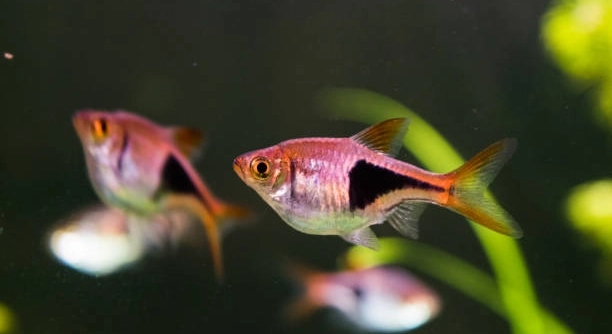
Rasboras are small, active fish that enjoy swimming in groups. Many aquarists wonder how they manage to move around when their tanks are filled with plants, rocks, and other obstacles. Observing their behavior can be quite engaging.
Rasboras are capable of navigating obstacle-filled tanks due to their agility, small size, and social behavior. They use their keen senses and coordinated group movements to avoid collisions and explore complex environments efficiently.
Learning how rasboras interact with their surroundings can improve tank design and fish well-being, making their aquatic habitat safer and more stimulating for daily activity.
How Rasboras Sense Their Environment
Rasboras rely on their senses to move through complex spaces. Their lateral line system helps detect changes in water pressure, letting them sense nearby objects. Vision also plays an important role, especially in well-lit tanks. They often swim in groups, following each other’s movements to avoid collisions. Adding plants and decorations can create hiding spots and safe pathways. Smooth surfaces and open areas make it easier for them to glide around. Observing their swimming patterns shows they adapt quickly to new obstacles. Sudden changes in tank layout may cause short periods of hesitation, but rasboras generally regain confidence after a few minutes. Their small size allows them to slip through narrow spaces, and their streamlined bodies help them maneuver efficiently. By watching their behavior carefully, it becomes clear that they can handle moderate tank complexity without stress, provided the layout is thoughtfully arranged.
Swimming in schools improves navigation and reduces stress, helping them avoid obstacles naturally.
Designing a tank with gradual obstacles, like low plants and rocks, encourages natural movement. Open areas combined with dense spots give them choice in routes. Observing how they interact with new objects reveals their adaptability. Over time, they learn which paths are safest and fastest, making their movements smoother. Encouraging exploration with varied but safe obstacles keeps them active. Some rasboras may hesitate initially near unfamiliar objects, but repeated exposure builds confidence. Lighting affects visibility, so gentle, consistent light allows them to better detect obstacles. Avoid overcrowding the tank, as too many fish can increase collisions. Providing both vertical and horizontal structures supports different swimming behaviors. By understanding these factors, it becomes easier to create a stimulating environment that supports both safety and natural movement patterns. Their intelligence, though subtle, is impressive when navigating diverse layouts.
Factors Affecting Navigation
Tank size and shape influence how easily rasboras move. Wider tanks allow for longer, unobstructed swimming paths, while narrow tanks may limit turns.
Water flow, decoration placement, and group size all affect their ability to navigate. Currents can push them off course, while obstacles should be arranged to create clear passages. Dense groups often coordinate movements better, helping each fish avoid collisions. Overcrowding can cause stress and restrict free swimming, reducing their confidence around obstacles. Lighting conditions matter; strong light can highlight hazards, but too much glare may confuse them. Soft substrate and smooth rocks minimize injury risk if they bump into surfaces. Regularly monitoring tank layout and fish behavior ensures that rasboras maintain healthy swimming habits. Adjusting decorations gradually allows them to acclimate without sudden stress. Observing responses to different arrangements helps identify optimal pathways and resting areas. Overall, a balanced combination of open space, safe obstacles, and gentle flow encourages natural, confident navigation in a tank environment.
Obstacle Placement and Fish Behavior
Proper obstacle placement keeps rasboras active without causing stress. Tall plants near corners provide shelter, while open areas in the center allow free swimming. Avoid cluttering one side, as uneven distribution may lead to crowding and collisions. Gradual changes in layout help them adapt smoothly.
Placing rocks, driftwood, and plants thoughtfully encourages natural movement patterns. Rasboras tend to explore edges first, using obstacles as guidance. Open spaces let them swim freely and maintain speed, while clustered areas give hiding spots. They often circle around tall plants or move in small groups along decorations. Observing their swimming habits shows how they prefer pathways with minimal obstruction, and how they interact with new objects. Adjusting obstacles gradually reduces stress and helps maintain overall tank harmony.
Some rasboras may test new paths cautiously, especially near unfamiliar objects. They often return to safe spots before exploring further. Smooth surfaces and rounded decorations prevent injuries during these exploratory movements. Over time, they become more confident navigating both open and densely planted areas. Group swimming enhances coordination, helping them avoid obstacles collectively. Proper lighting and gentle water flow further support natural navigation, allowing them to remain active and healthy. Monitoring their behavior regularly ensures a comfortable, stimulating environment.
Water Conditions and Mobility
Water temperature and quality directly affect rasboras’ swimming performance. Consistent conditions support agility and reduce hesitation around obstacles. Sudden changes can make them sluggish or stressed, limiting exploration and increasing the risk of collisions.
Ideal water parameters create a comfortable environment for movement. Rasboras prefer slightly acidic to neutral pH and moderate temperatures. Clean water improves buoyancy and swimming efficiency, while adequate filtration prevents strong currents that could disrupt paths. Oxygen levels influence stamina; low oxygen may reduce activity and impair coordination. Regular testing and gradual adjustments maintain stability. Stable conditions let rasboras focus on navigating obstacles rather than coping with stress. Over time, fish acclimate to minor variations, but consistent care remains essential for maintaining natural behavior and confidence in complex tank setups.
Social Dynamics and Navigation
Rasboras rely on group behavior to move efficiently. Swimming in schools helps them follow clear paths and avoid obstacles together. Individual fish often mimic others, reducing hesitation when approaching new objects.
Dominance and hierarchy affect movement. Some fish lead while others follow, creating coordinated patterns. This reduces collisions and ensures smoother navigation.
Lighting and Visibility
Proper lighting improves visibility and confidence. Bright but diffused light helps rasboras see obstacles clearly without causing stress. Shadows and sudden glare can confuse them, so positioning lights carefully is important. Consistent lighting patterns allow fish to learn routes and navigate safely around plants, rocks, and decorations.
Obstacle Materials
Smooth, non-abrasive materials prevent injuries. Rounded rocks, driftwood, and soft plants reduce the risk of cuts or scrapes during exploration. Avoid sharp edges that may harm delicate fins. Choosing safe materials ensures rasboras can swim actively and confidently while interacting with tank structures.
Observation Tips
Regular observation helps track how rasboras adapt to obstacles. Note hesitant movements or repeated collisions. Adjust decorations gradually and monitor changes in swimming patterns to maintain a safe and stimulating environment for all fish.
FAQ
How do rasboras react to sudden changes in tank layout?
Rasboras may initially hesitate or swim cautiously when new obstacles are added. They often return to familiar spots before exploring the changes. Gradual rearrangement helps them adapt faster. Observing their behavior during these adjustments ensures they are not stressed and can continue swimming confidently.
Can overcrowding affect their ability to navigate?
Yes, too many fish in a small tank increases collisions and stress. Rasboras need space to swim freely around obstacles. Maintaining appropriate group sizes and distributing decorations evenly allows them to move naturally and avoid unnecessary conflicts.
Do different types of obstacles affect navigation differently?
Soft plants, smooth rocks, and driftwood are easier for rasboras to navigate around. Sharp or densely packed decorations can cause hesitation or injuries. Mixing open spaces with safe obstacles encourages exploration while maintaining safety. Gradual introduction of new materials helps them learn pathways effectively.
Does water flow influence their movement?
Moderate water flow supports natural swimming, but strong currents can push fish into obstacles and cause stress. Rasboras navigate better in gentle, consistent currents. Adjusting filter output or creating flow breaks with decorations ensures smoother movement and safer interactions with tank structures.
How important is group behavior in navigating obstacles?
Rasboras swim better in schools, using each other as guides. Group coordination reduces collisions and increases confidence when exploring complex areas. Following experienced or more active fish helps hesitant individuals adapt quickly to new layouts, reinforcing natural movement patterns and safety.
Can lighting changes affect their confidence around obstacles?
Yes, bright or uneven lighting can create shadows or glare, confusing fish. Diffused lighting allows rasboras to see pathways clearly and reduces stress. Consistent lighting schedules help them memorize safe routes and encourage active, confident swimming throughout the day.
Do young rasboras navigate obstacles differently than adults?
Juveniles may be more cautious and slow around new decorations, taking time to learn routes. Adults are generally more confident and agile. Providing gentle exposure to obstacles helps younger fish build navigation skills without causing injury or stress. Group swimming also supports their learning process.
What signs indicate navigation issues or stress?
Frequent collisions, hesitation, or staying in one area for long periods suggest discomfort or difficulty navigating. Fin damage, rapid breathing, or erratic swimming may also indicate stress. Adjusting tank layout, spacing decorations, or checking water quality can help resolve these problems.
How do tank size and shape affect movement?
Wider tanks provide more room for free swimming, while narrow or long tanks limit turning space and may cause congestion. Balanced obstacle placement and open areas are essential regardless of tank size. Observing fish patterns helps identify areas where movement is restricted.
Is it necessary to change obstacles regularly?
Occasional rearrangement stimulates activity, but frequent drastic changes can stress rasboras. Gradual adjustments, such as moving a few decorations at a time, encourage exploration without disrupting their learned pathways. Consistency paired with minor variation keeps their environment engaging and safe.
Do rasboras learn from repeated exposure to obstacles?
Yes, they memorize safe routes over time. Fish that initially avoid certain areas gradually become confident once they recognize paths and hiding spots. Observing repeated behaviors helps you understand preferred swimming routes and optimize tank layout for smoother navigation.
Can environmental enrichment improve navigation skills?
Adding safe, varied obstacles promotes natural exploration and physical activity. Balanced placement of plants, rocks, and open spaces strengthens swimming coordination, encourages social behavior, and reduces stress. Thoughtful enrichment ensures rasboras remain healthy and agile in their environment, making navigation easier.
How does water temperature affect swimming efficiency?
Rasboras are more active at optimal temperatures. Water that is too cold or too warm can slow them down, making obstacle navigation difficult. Maintaining stable, species-appropriate temperatures supports energy levels, reaction times, and overall movement confidence in the tank.
Do rasboras ever get stuck or trapped by obstacles?
With proper tank setup, this is rare. Smooth, well-spaced decorations reduce the risk of entrapment. Observing fish during initial exploration ensures they can move freely. Avoid tight clusters or sharp edges that could cause injury or restrict movement.
How can I monitor and improve navigation over time?
Regular observation of swimming patterns helps identify problem areas. Adjusting obstacle placement, ensuring open paths, maintaining water quality, and supporting group behavior all improve navigation. Gradual changes and attention to fish responses keep the tank safe, stimulating, and well-suited for rasboras.
This FAQ provides practical guidance for maintaining obstacle-filled tanks while supporting natural movement and well-being of rasboras, ensuring a balanced and safe aquatic environment.
Final Thoughts
Rasboras are small, active fish that can handle tanks with obstacles if the environment is set up thoughtfully. Their ability to navigate comes from a combination of natural agility, social behavior, and environmental awareness. Observing their swimming patterns shows how they adapt to decorations, plants, and rocks over time. Open areas allow them to move freely, while clusters of obstacles provide hiding spaces and opportunities for exploration. Careful placement of these objects can encourage activity without causing stress or collisions. It is clear that rasboras are capable of learning their environment and adjusting their movements, especially when gradual changes are introduced. By understanding their behavior, aquarists can create a tank that is both safe and engaging.
Water quality, lighting, and tank size all influence their confidence in navigating obstacles. Stable conditions reduce stress and improve swimming efficiency, allowing rasboras to explore more actively. Gentle, consistent lighting ensures they can see pathways clearly, while moderate water flow supports natural swimming without pushing them into decorations. Overcrowding should be avoided, as it increases collisions and limits freedom of movement. Maintaining optimal temperature and water parameters further supports their activity and helps prevent hesitation around obstacles. Regular observation is key to noticing signs of stress or difficulty, such as repeated collisions, hesitant swimming, or staying in one area for long periods. Adjusting tank conditions, decoration placement, and group size based on these observations can significantly improve their navigation and overall well-being.
Group behavior plays an important role in how rasboras move through obstacle-filled tanks. Swimming in schools provides guidance, reduces hesitation, and promotes coordinated movement around decorations. Young or timid fish often follow more confident members of the group, which helps them learn safe routes and adapt to new layouts more quickly. Gradual changes to tank structure allow them to adjust at a comfortable pace, reducing stress and encouraging exploration. Safe, rounded decorations, open swimming spaces, and varied plant placement create a stimulating environment that encourages natural behaviors. Over time, rasboras become more confident and agile, demonstrating how adaptable and intelligent they are in navigating their habitat. By paying attention to these factors, aquarists can ensure a tank that supports both safety and activity, giving rasboras the best opportunity to thrive.

Hello,
If you enjoy the content that we create, please consider saying a "Thank You!" by leaving a tip.
Every little bit helps us continue crafting quality advice that supports the health, happiness, and well-being of pets around the world, for pets of all shapes, sizes, and species.
We really appreciate the kindness and support that you show us!