
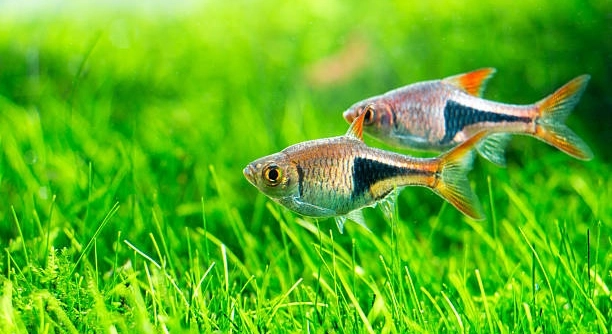
Do your rasboras seem less lively than usual despite your care and attention? Many fish owners unknowingly feed their tiny pets in ways that can affect their health over time. Nutrition plays a bigger role than it might appear.
Several diet mistakes can negatively impact rasboras’ health, including overfeeding, providing low-quality food, offering improper supplements, neglecting variety, and feeding unsuitable human foods. These errors can lead to poor growth, weakened immunity, and shortened lifespan.
Understanding these feeding pitfalls will help you improve your rasboras’ wellbeing and ensure they thrive in a balanced and healthy environment.
Overfeeding Rasboras
Overfeeding is a common mistake that many rasbora owners make, often out of affection or concern for their fish. Giving too much food can lead to uneaten scraps in the tank, which decay and release harmful toxins. This can cause poor water quality and increase the risk of disease among the fish. Rasboras have small stomachs, and they do not require large portions. Feeding them once or twice a day with only what they can consume in a few minutes is sufficient. Observing your fish while they eat helps prevent waste and ensures each rasbora gets enough nutrition. Maintaining a consistent feeding schedule also supports their natural behavior and overall health.
Even a small amount of excess food can drastically affect water quality and fish health if repeated daily.
It is important to measure food carefully and adjust portions based on the number and size of your rasboras. A good rule of thumb is to feed small amounts that they finish in two to three minutes. Using a feeding ring or spoon can help distribute food evenly. Monitoring their growth and activity level provides insight into whether the feeding routine is appropriate. By controlling the quantity of food, you protect both the tank environment and the fish, creating a healthier habitat. Maintaining moderation in feeding promotes long-term wellbeing and prevents common health issues such as bloating or swim bladder problems. Overfeeding is easily avoided with simple observation and discipline.
Feeding Low-Quality Flakes
Low-quality flakes may seem convenient, but they often lack essential nutrients that rasboras need for healthy growth.
Choosing high-quality food ensures proper nutrition, supports vibrant colors, and boosts immunity. Look for brands that include proteins, vitamins, and minerals suitable for small tropical fish.
Poor-quality flakes can lead to slow growth, dull coloration, and frequent illness. Many budget flakes contain fillers and artificial ingredients that offer little nutritional value. Over time, reliance on low-quality food weakens the fish, making them more prone to infections and stress. Supplementing with occasional live or frozen food, such as daphnia or brine shrimp, can provide necessary variety and improve overall health. Quality flakes designed for small schooling fish help maintain energy levels and encourage active swimming. Observing the ingredients and selecting reputable brands is crucial. Proper nutrition reduces disease risk, enhances coloration, and promotes natural behavior, keeping your rasboras lively and healthy. Maintaining a balanced diet prevents long-term deficiencies and ensures they thrive in your aquarium.
Neglecting Variety
Rasboras need more than just flakes to thrive. Feeding the same food repeatedly limits their nutrient intake and can lead to deficiencies.
Providing a mix of high-quality flakes, frozen or live foods like brine shrimp, and occasional vegetable matter ensures a balanced diet. Variety stimulates natural feeding behavior and supports vibrant coloration. Using different textures and types also encourages activity, preventing boredom. Over time, a single-food diet may cause slower growth, weaker immune response, and reduced energy. Alternating food types weekly helps maintain health and mirrors what they might find in natural habitats. Careful observation of how your rasboras respond to different foods will guide adjustments for optimal nutrition and overall wellbeing.
Variety also reduces the risk of selective eating, where some fish dominate preferred foods. Incorporating multiple options ensures all individuals get essential nutrients, keeping your school healthy. Maintaining a diverse diet protects against long-term deficiencies and contributes to longevity.
Feeding Inappropriate Human Foods
Human foods like bread, chips, or processed snacks are unsuitable for rasboras. Even small amounts can cause digestive problems and water contamination.
Many owners assume small portions are harmless, but human food lacks proper protein, fat balance, and micronutrients needed for fish. Ingredients like salt, spices, and oils are harmful to their delicate systems. Feeding these foods can result in bloating, constipation, or fatty liver disease. Over time, repeated exposure increases the likelihood of illness and reduced lifespan. It’s safer to stick with food specifically formulated for small tropical fish, ensuring balanced nutrition and avoiding unnecessary health risks.
If you want to supplement their diet, choose live or frozen options. Vegetables like blanched spinach or peas in tiny amounts can be safe and nutritious. Avoid processed snacks entirely, as the risks outweigh any perceived benefit. Consistency in appropriate feeding prevents stress, maintains water quality, and keeps your rasboras energetic and healthy. Prioritizing suitable foods supports natural growth, coloration, and activity levels within the aquarium.
Skipping Live or Frozen Foods
Live or frozen foods are essential for a balanced diet. Rasboras benefit from the nutrients and stimulation these foods provide.
Neglecting them can lead to weaker immune systems and less active behavior. Incorporating small amounts of brine shrimp or daphnia supports growth, coloration, and overall health.
Overreliance on Flakes
While flakes are convenient, depending on them exclusively limits essential nutrients. Rasboras require proteins, vitamins, and minerals from varied sources. Feeding only flakes can result in slow growth, dull colors, and susceptibility to disease. Supplementing with frozen, live, or finely chopped vegetables ensures a complete and healthy diet.
Inconsistent Feeding Schedule
Feeding rasboras at irregular times disrupts digestion and daily activity. A consistent routine maintains their metabolism and encourages natural behavior.
FAQ
How often should I feed my rasboras?
Rasboras should be fed once or twice a day. Each feeding should only last two to three minutes, allowing them to consume all food. Overfeeding increases waste, reduces water quality, and can cause digestive problems or obesity. Watching their behavior while eating ensures proper portion control.
Can I feed my rasboras only flakes?
Relying exclusively on flakes is not recommended. While flakes provide basic nutrition, they often lack essential proteins and vitamins. Supplementing with live or frozen foods like daphnia, brine shrimp, or finely chopped vegetables ensures balanced nutrition, promotes growth, and enhances coloration. Variety keeps the fish active and healthy.
Are human foods safe for rasboras?
Most human foods are unsafe. Ingredients like salt, spices, and oils can harm their digestive system and overall health. Even small portions of bread, chips, or processed snacks can lead to bloating, constipation, or liver issues. Stick to fish-specific food to avoid risks.
Why is my rasbora losing color?
Color loss often indicates poor diet, stress, or inadequate nutrition. Feeding a variety of high-quality flakes, live or frozen foods, and vegetables supports vibrant colors. Proper water conditions and avoiding overfeeding also contribute to maintaining natural coloration.
Is it necessary to include live or frozen foods?
Yes, live or frozen foods are highly beneficial. They provide essential proteins, vitamins, and minerals, stimulate natural hunting behavior, and encourage activity. Occasional supplementation improves immune function, supports growth, and prevents the dullness and lethargy associated with a flakes-only diet.
What happens if I feed too much?
Overfeeding can cause uneaten food to decay, polluting the tank and increasing ammonia and nitrite levels. This harms water quality and can trigger disease. Excess feeding can also lead to bloating, swim bladder issues, and obesity in rasboras. Controlled portions are key for long-term health.
How important is a consistent feeding schedule?
A consistent schedule maintains metabolism and reduces stress. Feeding at irregular times disrupts digestion, encourages competition for food, and can make fish more aggressive. Rasboras thrive on routine, which helps regulate their energy levels and promotes stable behavior.
Can I give vegetables to my rasboras?
Yes, small amounts of blanched vegetables like peas or spinach can be a nutritious supplement. These provide fiber and essential nutrients. Chop finely to prevent choking and feed sparingly. Vegetables should complement, not replace, protein-based foods for balanced nutrition.
How do I know if my rasboras are eating enough?
Healthy rasboras will actively swim to food, finish it within a few minutes, and remain lively afterward. If some fish are consistently leaving uneaten food or appearing lethargic, adjust portion size or food type. Observing their feeding habits is crucial to prevent underfeeding or overfeeding.
What is the best approach to a balanced diet?
A balanced diet includes high-quality flakes, occasional live or frozen foods, and small vegetable supplements. Rotate food types to ensure all nutrients are provided. Feed small amounts that can be consumed quickly, maintain a consistent schedule, and monitor their behavior and growth to ensure proper nutrition.
Can improper feeding affect lifespan?
Yes, diet directly impacts longevity. Overfeeding, low-quality food, or lack of variety weakens the immune system and causes disease, shortening lifespan. Providing balanced nutrition, avoiding harmful foods, and maintaining a regular schedule supports long-term health and vitality for your rasboras.
How do I introduce new foods?
Introduce new foods gradually. Start with tiny amounts alongside familiar foods to encourage acceptance. Observe for any digestive issues or refusal. Gradual introduction reduces stress and ensures the fish adapt well to varied nutrition without disrupting tank harmony.
Are treats like bloodworms safe?
Occasional treats like bloodworms are safe in small amounts. They are high in protein but should not replace regular meals. Feeding too frequently can cause imbalances, so limit treats to maintain a healthy, well-rounded diet.
What should I do if some fish refuse certain foods?
If individual rasboras refuse certain foods, offer alternatives or finely chop live/frozen items to make them easier to eat. Patience is key, and rotating food types ensures all fish get necessary nutrients. Monitor growth and energy levels to ensure they remain healthy.
Can diet mistakes cause disease?
Yes, poor feeding practices like overfeeding, low-quality food, or lack of variety can weaken the immune system, making rasboras more prone to bacterial, fungal, and parasitic infections. Proper nutrition, portion control, and regular observation are essential for disease prevention and long-term health.
How can I prevent selective eating?
Prevent selective eating by providing small portions spread evenly across the tank. Rotate food types to ensure all fish have access to essential nutrients. Observing feeding patterns helps identify dominant fish and ensures weaker individuals also receive adequate nutrition.
Do rasboras need supplements?
Supplements are rarely necessary if the diet is varied and high-quality. Occasional vitamins can help during stress or illness, but routine supplementation is usually not required. Focus on balanced foods, variety, and proper feeding practices to meet nutritional needs naturally.
How do I adjust feeding for young versus adult rasboras?
Juvenile rasboras require smaller, more frequent feedings due to their faster metabolism and growth needs. Adults can be fed slightly larger portions once or twice daily. Observing size, activity, and appetite ensures feeding amounts are appropriate for different life stages.
What signs indicate overfeeding or underfeeding?
Overfed fish may appear bloated, sluggish, or have leftover food in the tank. Underfed fish may be thin, pale, or overly active in search of food. Monitoring physical condition, behavior, and tank cleanliness helps maintain proper feeding practices and overall health.
Feeding rasboras correctly is essential for their overall health and wellbeing. Many diet mistakes stem from overfeeding, relying too heavily on flakes, or offering unsuitable human foods. Each of these practices can harm their digestive system, weaken immunity, and reduce lifespan. Observing your fish during feeding and keeping portions small ensures that they consume all the food provided without leaving excess waste behind. A balanced diet combined with a consistent feeding schedule helps rasboras maintain natural energy levels, vibrant colors, and proper growth. Small adjustments in feeding habits can make a significant difference in how healthy and active your fish remain over time.
Variety in the diet is just as important as portion control. While high-quality flakes are convenient, supplementing with live or frozen foods provides essential nutrients that flakes alone may not supply. Including occasional vegetables, like blanched peas or spinach, can further support digestive health and provide additional vitamins and minerals. Feeding different types of food not only improves nutrition but also stimulates natural behavior and keeps rasboras active. Maintaining a balanced and varied diet prevents deficiencies and reduces the risk of stress-related illnesses. Careful attention to the types and quality of food ensures that your fish enjoy a long, healthy, and active life in their tank environment.
Consistency and careful observation are key components of successful feeding. Establishing a regular schedule and monitoring how your fish respond to different foods helps you avoid overfeeding or underfeeding. Signs like sluggishness, bloating, or faded coloration can indicate nutritional problems that need to be addressed promptly. Providing a clean, well-maintained environment alongside a proper diet further supports their health and reduces the risk of disease. By understanding the needs of rasboras and applying straightforward feeding practices, you can create a stable and thriving habitat. Following these guidelines ensures that your fish remain healthy, active, and colorful, and allows you to enjoy the beauty and vitality of a well-cared-for aquarium.

Hello,
If you enjoy the content that we create, please consider saying a "Thank You!" by leaving a tip.
Every little bit helps us continue crafting quality advice that supports the health, happiness, and well-being of pets around the world, for pets of all shapes, sizes, and species.
We really appreciate the kindness and support that you show us!