
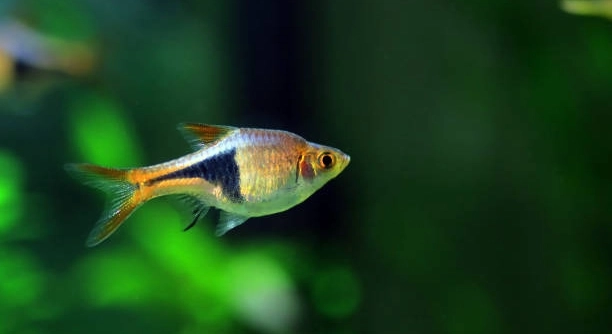
Do you ever watch your rasboras interact and notice subtle shifts in behavior when other fish are nearby? In calm community tanks, small changes can feel personal, even though aquarium life follows simple biological patterns.
Rasboras do not experience jealousy in the human sense. Observed behaviors that resemble jealousy are driven by competition for resources, social hierarchy adjustments, and environmental stressors. These responses are instinctive survival mechanisms rather than emotional reactions within captive aquarium environments.
Understanding why these behaviors appear helps create a peaceful tank and improves the daily well being of every fish inside.
Why Rasboras May Seem Jealous
I have spent many hours watching rasboras in mixed tanks, and their behavior often changes when space or food feels limited. When new fish are added, rasboras may swim faster, hover near feeding areas, or chase briefly. These actions are not emotional reactions but natural responses to competition. Rasboras rely on group balance, and any shift can cause temporary tension. Limited hiding spots, strong currents, or uneven feeding schedules can amplify these behaviors. In smaller tanks, even peaceful species react more sharply to change. Rasboras are sensitive to their surroundings, and subtle stress can show quickly. Observing these signs early allows adjustments that reduce pressure and restore calm. Stable routines, adequate space, and consistent care help rasboras return to relaxed schooling patterns. I learned that patience matters, because fish need time to settle, and sudden changes rarely reflect lasting problems when conditions remain steady over weeks of observation in aquariums.
These behaviors often fade once resources feel secure. Proper tank size, calm tankmates, and clear routines reduce competition. When balance returns, rasboras resume gentle schooling, showing that stability matters more than constant interaction with other fish from my experience with long term community tanks over time and careful observation daily.
Rasboras thrive when their environment feels predictable. Even small changes, like rearranging decor or altering feeding order, can trigger brief tension. I prefer gradual adjustments and spreading food across the tank to prevent crowding. Plants and open swimming areas both matter. When fish can choose where to be, stress decreases. Consistent lighting and gentle filtration also support calm behavior. Over time, rasboras show their natural rhythm again, moving together without urgency. These patterns reinforce that what looks emotional is simply a reaction to surroundings, not social resentment. I see this repeatedly in well maintained tanks with stable conditions over months.
How to Reduce Stress Between Fish
Reducing tension starts with observation. Watch feeding time, swimming patterns, and resting spots. If chasing appears, review space and stocking levels. Small adjustments often resolve issues quickly, without disrupting the tank balance you worked hard to maintain based on my own careful aquarium habits built slowly over years of experience.
I have found that prevention matters more than correction. Start with a tank size that allows movement without constant contact. Choose tankmates with similar temperaments and swimming speeds. Feed smaller amounts in multiple areas so no single fish guards food. Maintain plants, hiding spots, and open water equally. Regular water changes keep conditions steady, which supports calm behavior. Avoid frequent rescapes or sudden lighting shifts. When changes are needed, introduce them slowly. Observe fish daily, but resist reacting to every minor chase. Short bursts of movement are normal. Long term tension usually signals an environmental issue. By focusing on stability and thoughtful care, rasboras remain relaxed and cooperative, showing that harmony is built through consistency rather than intervention. I apply this approach because it creates predictability. Fish respond to patterns more than attention. When routines stay the same, stress fades. Over weeks, behavior evens out. The tank becomes quieter, and schooling looks effortless. This steady environment benefits every species present and reduces unnecessary adjustments that often cause more disruption than improvement. I noticed fewer conflicts and healthier fish overall when I committed to patience and long term consistency instead of constant corrections and reactions based on momentary observations and assumptions.
Signs Often Misread as Jealousy
Rasboras may dart, pause feeding, or cluster tightly when conditions change. These actions are often mistaken for jealousy but reflect awareness of space and resources. I notice this most during feeding time or after adding new fish, when routines briefly feel unsettled for the entire group within the tank environment.
Schooling fish respond quickly to movement around them. When one rasbora changes direction, others follow without hesitation. This can look reactive or targeted, but it is a safety response. In my tanks, tighter schooling appears after lighting changes, maintenance, or unfamiliar tankmates. Food competition also causes brief chasing. Faster fish reach pellets first, forcing slower ones to adjust position. These moments pass once food spreads and swimming space opens. None of this behavior shows preference or resentment. It reflects instinctive coordination meant to reduce risk and maintain access to shared resources during daily life inside community aquariums with stable conditions.
Rasboras rely heavily on visual cues and consistency. When those cues shift, behavior shifts with them. I have learned that most tension fades without intervention. Overreacting by separating fish often creates more stress. Instead, I focus on tank layout, feeding spread, and water quality. When these remain steady, schooling relaxes. Over time, individuals stop reacting to minor disturbances. Observing quietly helps distinguish normal adjustments from lasting problems. What appears personal is usually temporary. Patience allows natural balance to return, supporting calm behavior across the entire tank for all fish involved over long periods of consistent care and stable routines daily.
Knowing When to Intervene
Some behaviors require attention rather than patience. Persistent chasing, torn fins, or refusal to eat signal ongoing stress. When I see these signs lasting several days, I reassess tank size and compatibility. Quiet fish often suffer silently. Watching interactions at different times helps reveal patterns that feeding alone may hide, especially in shared community tanks with mixed activity levels. This approach prevents escalation and protects long term health of sensitive species within the aquarium environment.
Intervention should be measured and calm. I start by testing water parameters, since poor quality often drives aggression. Next, I review stocking levels and swimming zones. Crowding forces constant interaction. Rearranging decor can break visual lines and reduce tension without removing fish. If needed, adjusting feeding methods helps ensure equal access. I avoid sudden removals unless injury occurs. Short term separation sometimes helps weaker fish recover. The goal is not control but balance. When conditions improve, behavior usually settles. Acting slowly prevents creating new stress while solving the original issue, which supports long term stability in the tank and keeps routines predictable for sensitive species that depend on consistency over extended periods of careful observation and steady maintenance practices within home aquariums long term care.
Managing Feeding and Daily Routines
I notice feeding time shapes most interactions. When food drops in one spot, rasboras rush together and tension rises. Spreading food across the surface slows competition. Smaller portions given twice daily help everyone eat calmly without frantic movement or lingering pressure during shared meals within stable home aquariums daily routines.
I also adjust lighting and noise around the tank. Sudden changes increase alert behavior. Keeping lights on timers and avoiding loud movement nearby reduces reactivity. Over time, rasboras anticipate consistency and remain relaxed, even during feeding or maintenance periods that once caused brief unrest in smaller community setups at home.
Creating a Balanced Environment
I prioritize environment over behavior correction. Tank size, flow, and plant cover influence how rasboras interact. Gentle filtration prevents constant swimming strain. Open areas allow schooling, while dense plants offer retreat. I avoid mixing overly active species. Matching energy levels reduces friction. Stable water parameters matter most. When conditions stay predictable, rasboras stop reacting defensively. I have seen calm tanks form without intervention simply by improving layout, spacing, and routine. Behavior follows environment. Adjusting surroundings supports natural balance better than separating fish or reacting to every chase that appears during normal daily activity in shared aquariums over time at home.
Letting Natural Behavior Settle
I have learned restraint matters. Not every quick chase needs action. Watching patterns over days reveals true issues. When I stay patient and consistent, rasboras settle naturally. Their behavior reflects conditions, not feelings, and calm setups reward quiet observation through steady care and thoughtful tank management over long periods consistently.
FAQ
Can rasboras recognize individual fish in the tank?
Rasboras do not recognize other fish as individuals in a personal sense. They respond to movement, size, and proximity. I notice they react the same way to any fish that enters their swimming space. Their behavior is based on patterns, not identity. Familiar tankmates simply become part of the background once routines stabilize. This is why adding new fish causes brief disruption, even if the species is peaceful. Over time, that reaction fades as the new presence becomes predictable. Recognition is environmental, not social.
Why do rasboras chase other fish during feeding time?
Feeding brings urgency. Rasboras are quick swimmers and rely on speed to access food. When pellets land in one area, competition increases. I have seen chasing stop almost immediately when food is spread out. This behavior is not aggression but a response to limited access. Once food becomes available across the surface, movement slows. Feeding methods influence behavior more than tankmates do.
Do rasboras get stressed by more colorful fish?
Bright colors alone do not cause stress. Activity level matters more. Fast or assertive fish draw attention and disrupt schooling patterns. In my experience, rasboras remain calm around colorful but slow moving species. Stress appears when other fish constantly cross their swimming paths. Choosing tankmates with similar movement patterns keeps behavior steady.
Is tight schooling a sign of discomfort?
Tight schooling often signals alertness, not distress. Rasboras group closely when lighting changes, maintenance occurs, or movement happens near the tank. I usually see this after water changes. Within minutes or hours, spacing returns to normal. Persistent tight schooling may point to environmental issues, such as strong flow or limited cover. Short term clustering is normal and protective.
Can tank size affect how rasboras behave toward others?
Tank size plays a major role. Smaller tanks force constant interaction. I noticed more chasing and darting when space was limited. Upgrading tank size reduced tension without changing fish. More room allows rasboras to adjust distance naturally. Space gives choice, and choice reduces reactive behavior. Even peaceful species show strain when confined.
Do rasboras compete with bottom dwellers?
Direct competition is rare. Rasboras feed near the surface and midwater. Issues arise only when food sinks quickly or feeding schedules overlap poorly. I avoid fast sinking food when keeping bottom dwellers. Providing appropriate food types prevents overlap. When each species feeds in its natural zone, interaction stays minimal.
How long does it take rasboras to adjust to new tankmates?
Adjustment varies. In my tanks, most changes settle within one to two weeks. Initial darting and grouping are common. If conditions remain stable, behavior evens out. Longer adjustment periods often indicate environmental imbalance rather than social conflict. Watching daily patterns helps determine whether patience or changes are needed.
Should I separate rasboras if chasing continues?
Separation should be a last step. I first check water quality, space, and feeding methods. Most chasing fades once these factors improve. Removing fish too quickly can increase stress. I only separate when injury or refusal to eat occurs. Addressing causes works better than removing symptoms.
Can rearranging the tank reduce tension?
Yes, when done carefully. Rearranging decor breaks visual lines and resets movement patterns. I avoid frequent changes. One thoughtful adjustment often helps more than constant tweaks. Adding plants or open space where needed improves flow and reduces forced interaction. Balance matters more than decoration.
Do rasboras behave differently at night?
At night, rasboras rest and movement slows. I notice less interaction and tighter grouping near plants. Sudden light changes can startle them. Using timers helps maintain calm transitions. Night behavior reflects safety needs, not social shifts. Predictable lighting supports steady routines and calmer daytime behavior.
Final Thoughts
Keeping rasboras in a community tank often teaches patience more than anything else. Their behavior reflects their surroundings with little delay. When conditions feel balanced, they move calmly and predictably. When something shifts, their response is immediate. I have learned that most concerns fade once routines settle. What looks emotional is usually environmental. Space, lighting, flow, and feeding habits shape how rasboras behave each day. Watching them over time reveals patterns that make sense once the tank stays consistent. Stability creates calm. Without constant changes, rasboras return to gentle schooling and quiet movement. This consistency helps remove assumptions and replaces them with understanding based on observation rather than reaction. It becomes easier to trust the process instead of intervening too quickly.
Rasboras respond best to steady care rather than frequent adjustments. Small changes made slowly have a lasting effect. I focus on providing enough room, spreading food evenly, and keeping water parameters stable. These simple actions influence behavior more than mixing or separating fish. Over time, the tank feels settled. Rasboras become predictable, and brief moments of tension no longer stand out. It helps to watch without expecting perfection. Fish do not behave the same way every day, and slight variations are normal. Allowing them space to adjust naturally prevents unnecessary stress. This approach builds confidence in long term care instead of quick fixes that often create new issues.
Understanding rasboras means accepting that their actions are practical, not emotional. They respond to movement, pressure, and routine. When those elements remain steady, behavior follows. I have found that calm tanks come from consistent habits rather than constant observation. Letting go of the idea that fish react personally changes how the aquarium feels. It becomes easier to focus on overall balance instead of isolated moments. With time, rasboras show their natural rhythm. Their behavior becomes quieter, smoother, and easier to read. This clarity makes care feel simpler and more rewarding. A stable environment supports healthy behavior, and healthy behavior confirms that the setup is working as intended.

Hello,
If you enjoy the content that we create, please consider saying a "Thank You!" by leaving a tip.
Every little bit helps us continue crafting quality advice that supports the health, happiness, and well-being of pets around the world, for pets of all shapes, sizes, and species.
We really appreciate the kindness and support that you show us!