
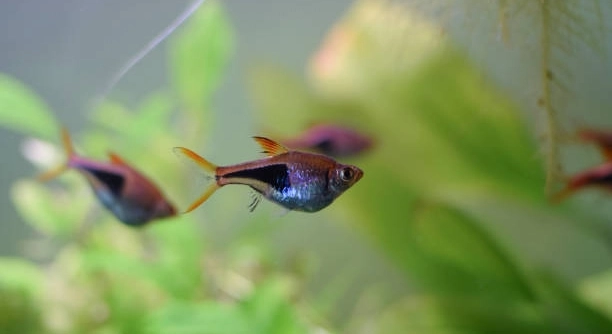
Rasboras are small, peaceful fish that often catch the eye with their shimmering scales and lively movement. Many aquarists notice them spending a lot of time near the aquarium glass, creating a curious scene in the tank.
Rasboras hover near the glass primarily due to environmental stimuli and social behavior. They may respond to their reflection, perceive movement outside the tank, or associate the glass area with feeding, creating repeated patterns of hovering close to the aquarium walls.
Observing this behavior can reveal insights into their habits, tank setup, and interaction patterns, offering guidance for maintaining a healthy and engaging aquatic environment.
Reasons Rasboras Stick Close to the Glass
Rasboras often hover near the aquarium glass because it gives them a sense of security. In a tank, open spaces can feel exposed, so staying close to the walls reduces stress. They also react to reflections, mistaking their image for other fish. Bright lights or movement outside the tank can catch their attention, making them linger in that area. Over time, they can develop a habit of staying near the glass because it consistently offers stimulation or comfort. Feeding patterns also influence this behavior. If they are used to being fed at a certain spot near the glass, they will often wait there in anticipation. Even minor changes in the tank, like new decorations or altered water flow, can make them curious or cautious, reinforcing their preference for the glass. Watching them can help you notice patterns that indicate their comfort levels and overall well-being in the aquarium.
This behavior is normal and often reflects natural instincts and learned responses in the tank environment.
By paying attention to where and why rasboras spend their time, you can adjust tank elements. For example, rearranging decorations, adding hiding spots, or varying feeding locations can encourage more balanced movement throughout the tank. Observing their reactions to light, reflections, and tank changes gives insight into their stress levels and social interactions. Recognizing these habits can improve your ability to maintain water conditions and tank cleanliness while supporting their natural behaviors. Over time, slight adjustments can create a more stimulating and comfortable habitat, reducing repetitive hovering near the glass. Keeping notes on their behavior patterns can help track changes in health, activity, and responses to environmental shifts. Providing variety in the tank, like plants or gentle currents, keeps them active. Feeding at different spots encourages exploration and reduces dependence on one area.
Environmental Factors That Affect Glass-Hugging
Lighting, reflections, and tank layout all influence how rasboras behave near glass. Bright lights or shiny surfaces often attract them to specific spots.
Temperature, water flow, and the presence of other fish play a role in where rasboras choose to spend their time. Strong currents may push them toward calmer edges, while variations in water temperature can make the glass area more comfortable. Social dynamics also matter; if other fish dominate open areas, rasboras may retreat to the periphery. Tank decorations, plants, and hiding spaces encourage movement and exploration, but sudden changes can make them wary. Observing their reactions helps identify stressors and preferences. Additionally, reflections from outside the tank can mislead them into thinking there are other fish or threats nearby, reinforcing their attachment to glass areas. Feeding habits and schedule consistency further shape this behavior, creating habitual patterns.
Adjusting environmental factors thoughtfully can balance comfort and stimulation. By creating areas for hiding and exploration while monitoring lighting and reflections, you can encourage more natural swimming patterns. Using soft currents, spreading feeding locations, and adding plants or ornaments at different levels provides variety. Watching their interaction with these changes lets you fine-tune the tank for both health and activity. Awareness of water temperature and clarity ensures that their preferred areas remain safe. Over time, these adjustments promote confidence and reduce prolonged glass-hugging. Structured observation combined with minor environmental tweaks allows you to foster an engaging and supportive habitat, helping rasboras feel secure while encouraging natural movement throughout the tank.
Interaction with Tank Mates
Rasboras often hover near the glass to avoid more aggressive or active tank mates. This behavior gives them a sense of safety while still allowing them to watch their surroundings without direct confrontation.
Shy or smaller fish, like rasboras, use the edges of the tank to maintain distance from dominant species. They can observe without feeling threatened, which reduces stress and encourages natural behavior. Glass-hugging also allows them to stay near familiar areas, especially when other fish occupy the center of the tank. This positioning provides both security and a vantage point for spotting food or changes in the environment. By choosing calmer zones near the glass, they balance safety with curiosity, maintaining their confidence while avoiding unnecessary stress.
Observing how rasboras interact with other fish can reveal patterns of social hierarchy and comfort. Changes in the behavior of dominant fish, feeding times, or tank rearrangements may shift their preferred spots. Providing multiple hiding areas or plants can reduce tension and encourage more movement throughout the tank. Glass areas may still serve as observation points, but with thoughtful planning, they are less likely to linger there out of fear. Tracking these behaviors can help maintain a harmonious tank and ensure that all species feel secure while interacting naturally.
Feeding Habits and Anticipation
Rasboras often associate the glass area with feeding, especially if meals are delivered at the same spot consistently. They hover in anticipation, responding to movement and visual cues.
When feeding occurs regularly near one side of the tank, rasboras quickly learn to wait in that area. This conditioned behavior is reinforced by consistent timing, location, and presentation of food. Over time, the glass becomes a predictable point of interest. Even small movements outside the tank, like approaching the aquarium or tapping lightly, can trigger them to gather near the glass. This anticipation reflects their adaptability and responsiveness to environmental cues, demonstrating how routine shapes behavior and spatial preferences.
Adjusting feeding strategies can influence how rasboras move and interact with their tank. Using multiple feeding locations or varying the timing encourages exploration and reduces prolonged hovering. Floating foods or dispersed pellets promote active foraging, allowing fish to swim more freely. Watching their reactions to changes in feeding habits provides insight into their comfort and learning patterns. Maintaining a balance between predictability and stimulation supports their natural instincts while preventing excessive clustering near one area. Observing these habits helps ensure that feeding remains both engaging and beneficial for their health and activity levels.
Reflection and Curiosity
Rasboras sometimes hover near the glass because they notice their reflection. They may mistake it for another fish, prompting investigation and cautious movement along the walls.
This reflective behavior is harmless and natural. It allows them to engage with their surroundings while staying near a safe zone. Over time, it becomes a repeated pattern.
Stress and Comfort
Glass areas provide comfort when the tank environment feels uncertain. Sudden changes, like new decorations, strong currents, or unfamiliar fish, can make rasboras retreat to familiar edges where they feel safer. Maintaining calm zones helps reduce stress and encourages healthy behavior, keeping the fish more relaxed and active overall.
Tank Layout Influence
The arrangement of plants, ornaments, and open swimming space affects where rasboras spend time. They prefer areas that combine shelter and visibility, often choosing the glass as a vantage point while navigating the tank safely.
Habit Formation
Once rasboras associate the glass with feeding, safety, or observation, they tend to linger there regularly. Repeated patterns reinforce comfort and familiarity, shaping their daily activity and preferred locations in the aquarium.
FAQ
Why do my rasboras always stay near the glass?
Rasboras often stay near the glass because it gives them a sense of security. They feel safer along the edges than in the open water. Reflections, movement outside the tank, and consistent feeding spots also attract them to these areas. Over time, staying near the glass becomes a habit, combining comfort and curiosity.
Is it normal for rasboras to hover in one spot?
Yes, hovering in one spot is normal. Small or shy fish like rasboras often select areas where they can watch their surroundings without feeling exposed. Repeated patterns form as they associate certain spots with safety, feeding, or other stimuli in the tank. This behavior is a way to reduce stress and stay alert.
Can reflections stress my fish?
Reflections are usually harmless but can cause mild curiosity or occasional stress if the fish perceives the reflection as a rival. Most rasboras adapt quickly, learning that the reflection is not a threat. Providing hiding spots and natural decor can minimize fixation on glass reflections.
How does tank layout affect glass-hugging?
Tank layout plays a significant role. Open areas may feel exposed, while plants, rocks, and other decorations offer security. Fish tend to hover near glass when there is limited cover or when dominant tank mates occupy the center. Rearranging decor and adding hiding spots can encourage exploration.
Do feeding habits influence this behavior?
Feeding routines strongly influence glass-hugging. If food is consistently placed near the glass, rasboras learn to wait in that spot. They quickly associate movement outside the tank with feeding and gather accordingly. Changing feeding locations or dispersing food can reduce prolonged hovering and encourage more activity throughout the tank.
Could stress or illness cause them to stay near the glass?
Sometimes stress or mild illness can make rasboras cling to familiar zones. Observe their color, appetite, and swimming patterns. If they appear lethargic or lose interest in food, it may indicate a health issue. Healthy fish hovering near glass is usually behavioral, not a sign of illness.
Are all rasboras prone to this behavior?
Most species display this behavior to some extent, but individual personality and tank conditions matter. Shy or smaller rasboras tend to hover more, while confident or larger species may explore open areas. Social dynamics and tank size also influence how often they gather near the glass.
How can I encourage them to explore the tank?
Adding plants, decorations, or gentle water currents can encourage movement away from the glass. Varying feeding locations and using floating or sinking food encourages natural foraging behavior. Observing their response helps you understand which areas make them feel comfortable and which encourage activity.
Does glass-hugging affect their health?
Remaining near glass itself does not harm rasboras. However, limited movement over time can reduce exercise. Ensuring enough open space and stimulating areas promotes activity and supports overall health. Regular monitoring of water quality and tank conditions also helps maintain healthy behavior patterns.
Should I be concerned if they never leave the glass?
If the fish remain healthy, eat well, and show no signs of stress, there is usually no concern. Persistent glass-hugging often reflects comfort or habit rather than a problem. If combined with other behavioral changes or illness symptoms, investigate environmental factors or consult a professional for guidance.
Can interaction with other fish influence this behavior?
Yes, social interactions can shape where rasboras prefer to stay. Dominant or aggressive tank mates may push them toward edges for safety. Conversely, calm and compatible species encourage freer swimming. Observing social dynamics helps determine whether glass-hugging is due to environmental comfort or avoidance of other fish.
Do environmental changes make them linger more?
Sudden changes, like adding new fish, decorations, or lighting adjustments, can increase hovering near the glass. Fish often retreat to familiar zones until they acclimate. Gradual changes and providing shelter help them adapt without prolonged stress.
Can reflections or outside activity stimulate glass-hugging?
Yes, reflections from lighting or objects outside the tank often draw their attention. Movement outside the tank, like someone walking nearby, can also trigger curiosity or anticipation, reinforcing the habit of staying near the glass.
What is the best way to balance safety and activity?
Provide hiding spots, varied decor, and multiple feeding locations. Gentle currents and open swimming spaces encourage exercise while maintaining comfort. Observing their patterns helps identify safe zones and active areas, supporting both security and natural behavior.
How long does it take for them to adjust if I change the tank setup?
Adjustment periods vary depending on the fish and the extent of the changes. Small rearrangements may take a few hours to a couple of days. Major changes like adding new tank mates or moving plants may require one to two weeks for full adaptation. Observing their behavior helps gauge comfort.
Can habitual glass-hugging be reduced?
Yes, but it requires consistent effort. Introducing stimuli in other tank areas, changing feeding spots, and providing shelter in central areas encourage exploration. Gradually altering conditions helps rasboras feel secure while promoting movement, reducing reliance on the glass for safety or stimulation.
Rasboras are small, peaceful fish that often develop habits that may seem unusual but are completely normal. One of the most common behaviors observed is hovering near the glass. This behavior can result from a combination of environmental, social, and feeding factors. For many rasboras, the edges of the tank feel safer than the open water, offering them a sense of security. Staying near the glass allows them to monitor their surroundings while avoiding stress from dominant or more active tank mates. Over time, this positioning can become a repeated pattern, reinforced by comfort, curiosity, or routine.
Reflections, lighting, and movement outside the tank also contribute to glass-hugging behavior. Fish may see their reflection and mistake it for another rasbora, prompting investigation or cautious interaction. Bright lights or people moving near the aquarium can attract their attention, drawing them to specific spots along the glass. Feeding routines strengthen this behavior as well. If they are used to being fed at a certain location near the glass, they quickly learn to anticipate food there. This learned behavior reinforces their attachment to the area, making it a habitual part of their daily activity. Adjusting feeding locations or dispersing food throughout the tank can encourage exploration and reduce prolonged hovering.
Environmental factors such as tank layout, decorations, and available hiding spots also influence where rasboras spend their time. Plants, rocks, and other structures provide shelter and stimulate natural behaviors, while open spaces may feel exposed. Changes in the tank, including new fish or altered water flow, can temporarily increase glass-hugging as the fish adjust. Observing these behaviors provides valuable insight into their comfort, stress levels, and social dynamics. By understanding the reasons behind their habits and making small adjustments to the tank, you can support a balanced and stimulating environment. Ensuring a combination of safety, variety, and gentle stimulation helps rasboras remain healthy, active, and comfortable in their aquarium habitat, making their behavior predictable yet manageable for aquarists.

Hello,
If you enjoy the content that we create, please consider saying a "Thank You!" by leaving a tip.
Every little bit helps us continue crafting quality advice that supports the health, happiness, and well-being of pets around the world, for pets of all shapes, sizes, and species.
We really appreciate the kindness and support that you show us!