
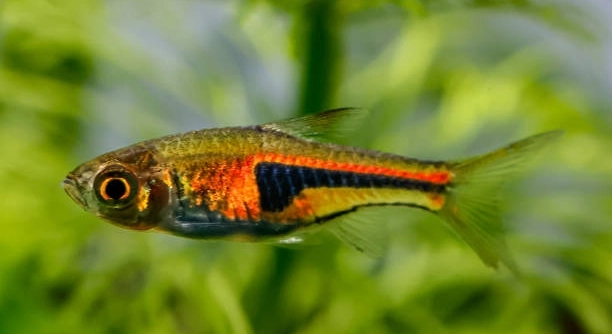
Rasboras are small, lively fish that often bring movement and energy to a home aquarium. Their playful interactions can be fascinating to watch, especially when they chase each other around with surprising speed and coordination.
Rasboras typically chase each other due to social hierarchy, territory establishment, and mating behaviors. This activity helps reinforce dominance, encourage schooling cohesion, and stimulate reproductive instincts, all of which are natural and healthy behaviors in their environment.
Observing these behaviors can help you understand your fish better and maintain a harmonious aquarium community. Knowing the triggers makes caring for rasboras more engaging and enjoyable.
Understanding Rasbora Behavior
Watching rasboras interact is more than just entertainment; it reflects their natural instincts and social needs. These small fish are active swimmers that thrive in groups, often moving together in a coordinated school. Chasing behaviors usually emerge from their need to establish social structure, determine dominance, and protect personal space. Sometimes chasing occurs around feeding times, as they compete gently for food, which is normal and healthy. Additionally, certain environmental factors, such as tank size, decorations, and hiding spots, influence how often and intensely they chase. A well-planned tank with enough room and plants can reduce stress and minimize aggressive chasing, while still allowing them to exhibit natural behaviors. Observing these interactions helps you better understand each fish’s personality, social ranking, and overall comfort level in the aquarium. By paying attention to these cues, you can create a balanced and harmonious environment that supports their well-being.
Keeping the tank structured with plants and decorations allows rasboras to chase safely without causing harm.
Chasing also serves as a form of exercise and mental stimulation for rasboras. Fish that are active and engaged tend to be healthier, showing brighter colors and stronger immune systems. Overcrowding or insufficient hiding places can increase tension, leading to more aggressive behavior. Providing a proper diet, consistent water conditions, and a spacious tank helps reduce unnecessary stress. It’s important to understand that chasing is a natural and beneficial part of their behavior, reflecting both social bonds and survival instincts. Maintaining an environment that accommodates these behaviors encourages healthier, happier fish, while allowing you to appreciate the lively dynamics that make watching rasboras so enjoyable.
Environmental Triggers
Tank conditions play a significant role in how often rasboras chase each other.
Water temperature, current flow, and tank layout directly influence activity levels. Higher temperatures may increase swimming and chasing, while complex tank setups with plants and hiding spaces can limit aggressive interactions. Lighting levels also affect visibility and behavior, as brighter light encourages more movement. Sudden changes in the environment, like new decorations or tankmates, can trigger temporary bursts of chasing as fish adjust. Monitoring water quality, maintaining stable conditions, and designing a tank that balances open swimming areas with secure hiding spots can prevent excessive stress-related chasing. Regular observation lets you notice patterns and identify what environmental changes lead to increased activity. By tailoring the aquarium setup to their natural preferences, you support both their physical health and social harmony. Creating a stable, comfortable habitat ensures that chasing remains a normal, non-disruptive behavior that enhances the tank’s liveliness.
Social Dynamics Among Rasboras
Rasboras establish a pecking order through chasing and brief confrontations. These behaviors help maintain group cohesion and reduce long-term conflicts within the school. Observing which fish leads or follows can reveal their social ranking and comfort within the tank.
Chasing often signals dominance or territorial behavior in rasboras. Fish higher in the hierarchy may initiate brief pursuits to assert authority, while lower-ranking individuals typically respond without aggression. These interactions rarely cause harm and are essential for maintaining social balance. In a healthy school, every fish understands its place, reducing overall stress and preventing prolonged disputes. This structured social system ensures that the group swims together harmoniously, shares space efficiently, and maintains a stable environment.
Mating behaviors can also drive chasing, particularly during breeding seasons. Males may follow females persistently, nudging or circling them to demonstrate interest. This behavior is natural and encourages reproductive activity. Females may respond selectively, allowing the chase to continue if receptive, or avoiding males temporarily. Recognizing these patterns can help distinguish between playful social chasing and reproduction-related pursuits. Supporting these behaviors by providing open swimming space and suitable hiding spots ensures both safety and natural expression of instincts, creating a balanced and engaging tank environment.
Impact of Tank Size and Layout
Smaller tanks often increase chasing frequency as rasboras compete for limited space, while larger tanks reduce stress and allow more natural movement.
Tank layout affects how chasing occurs. Open swimming areas give fish room to flee and engage in short pursuits, while dense plant clusters create safe retreats and reduce tension. Decorations, hiding spots, and vertical structures can break lines of sight, allowing lower-ranking fish to escape brief chases. Proper arrangement supports social hierarchy without encouraging aggression. Overcrowding or lack of structure can intensify chasing, increasing stress levels. Observing interactions helps identify which areas of the tank need adjustment.
Providing a well-planned environment balances activity and safety. Fish that feel secure are less likely to develop constant aggressive behaviors, and chasing remains a controlled, natural part of their social interaction. This planning includes choosing the right tank size, spacing decorations thoughtfully, and ensuring hiding areas are accessible for all fish. By monitoring behaviors and adjusting the layout as needed, you can create a harmonious setting where rasboras display lively chasing behaviors without endangering themselves or others, ensuring long-term health and well-being.
Feeding Time Excitement
Rasboras often chase each other during feeding as they compete for food. This behavior is usually brief and does not harm the fish. Chasing during feeding is a normal part of their social interaction and energy display.
Smaller flakes or pellets can trigger more movement, as fish dart quickly to collect them. Rapid swimming and short chases are common, reflecting both excitement and natural instincts. Ensuring evenly distributed food helps reduce excessive competition and maintains harmony during mealtime.
Schooling Instincts
Chasing is part of the natural schooling instinct in rasboras. Fish swim together to stay coordinated and protect themselves, often creating short bursts of pursuit. This behavior reinforces group cohesion, helping each fish understand its position and role within the school, maintaining order and minimizing stress.
Recognizing Stress Signals
Excessive chasing can indicate stress, overcrowding, or poor water conditions. Observing patterns helps address potential issues quickly, ensuring the fish remain healthy and comfortable.
What does it mean when my rasboras chase each other constantly?
Constant chasing among rasboras often reflects social hierarchy and energy levels rather than aggression. Fish may pursue one another to assert dominance or reinforce their position within the school. In healthy tanks, these chases are usually brief and do not result in injury. Observing which fish initiates or avoids chasing helps you understand their social structure. Environmental factors like tank size, hiding spots, and group size also influence the frequency of chasing. Small tanks or overcrowded conditions can amplify this behavior, while larger, well-decorated tanks allow fish to maintain their roles more peacefully. Regularly monitoring interactions ensures chasing remains natural rather than stressful.
Is chasing harmful for my rasboras?
Chasing is typically harmless when it occurs as part of normal social behavior. Brief pursuits help establish dominance, stimulate activity, and promote schooling cohesion. Problems arise only if chasing becomes constant, aggressive, or results in injuries. Overcrowded tanks, poor water quality, or lack of hiding places can exacerbate stress and lead to excessive chasing. Providing enough space, balanced groups, and visual barriers can prevent harm. Chasing is usually a sign that fish are active and engaged, and as long as injuries are absent, it should be considered a normal and healthy behavior.
How can I reduce excessive chasing?
Adjusting tank conditions is key to reducing excessive chasing. Increasing space with a larger tank or rearranging decorations allows lower-ranking fish to escape quickly. Adding plants, rocks, or other hiding spots helps fish feel secure and decreases tension. Ensuring a balanced school with sufficient numbers—ideally six or more—supports natural social behavior. Consistent water parameters and proper feeding routines also reduce stress-related chasing. Avoid sudden changes, such as introducing new fish or decorations abruptly, as this can temporarily increase chasing. Monitoring behavior over time helps identify triggers and create a calmer, healthier environment for all fish.
Does chasing relate to feeding or competition?
Yes, feeding times often trigger chasing. Rasboras are active and competitive during meals, quickly darting to grab food. This behavior is normal and rarely harmful, but uneven food distribution can increase stress. Providing small, evenly scattered portions encourages fair access for all fish and prevents prolonged disputes. Observing how fish respond during feeding helps you adjust routines for smoother interactions. Chasing in this context is usually energetic and playful, reflecting excitement rather than aggression. Proper management of feeding practices ensures that chasing remains controlled and contributes to healthy activity levels without stressing the school.
Can chasing indicate breeding behavior?
Chasing can signal mating activity, particularly in males pursuing females. These pursuits are part of courtship and natural reproductive instincts. Females may respond selectively, either allowing the chase or avoiding males temporarily. Breeding-related chasing often includes nudging or circling rather than aggressive biting. Providing plants, spawning mops, or secluded areas supports safe mating behaviors and allows females to retreat when needed. Recognizing the difference between social dominance chasing and reproductive pursuits ensures that you interpret behaviors accurately and maintain a suitable environment. Properly accommodating breeding instincts can also reduce stress and maintain harmony in the tank.
When should I be concerned about chasing?
Chasing becomes concerning if it is constant, aggressive, or results in visible injuries, torn fins, or stress-related behaviors. Signs of stress include hiding excessively, loss of appetite, or rapid breathing. Overcrowding, poor water quality, or incompatible tankmates often contribute to problematic chasing. Interventions include adjusting tank layout, increasing space, and ensuring stable water conditions. Separating particularly aggressive fish may be necessary in extreme cases. Monitoring behavior consistently allows early detection of stress and prevents long-term health problems, ensuring the school remains active yet safe.
Does tank size influence chasing frequency?
Tank size directly affects how often rasboras chase. Small tanks limit swimming space and force fish into close proximity, increasing stress and chasing. Larger tanks provide room for movement, retreats, and natural schooling behavior. Decorating with plants, rocks, or other barriers creates safe zones and reduces tension. Ensuring adequate space per fish—typically at least one gallon per centimeter of fish length—supports natural activity. Observing how chasing changes when tank conditions are adjusted helps determine if size or layout is influencing behavior. Proper planning keeps chasing controlled and healthy while maintaining an active, harmonious school.
How do I know if chasing is normal or a problem?
Normal chasing is brief, controlled, and rarely causes injury. Fish chase to assert dominance, engage in social interaction, or during feeding and mating. Problematic chasing is prolonged, aggressive, and results in visible harm or stress. Monitoring behavior, tank conditions, and social dynamics helps differentiate normal activity from harmful interactions. Adjusting space, hiding areas, and group composition supports natural behaviors while minimizing stress. Tracking patterns over time ensures that chasing remains a natural, healthy part of the fish’s life rather than a sign of underlying issues.
Can introducing new fish affect chasing behavior?
Yes, adding new fish often triggers temporary chasing as residents establish social hierarchy. New arrivals may be pursued while they integrate into the school, and existing fish may increase dominant displays. Providing hiding spots and introducing fish gradually reduces stress and helps integrate newcomers smoothly. Monitoring behavior during the first days ensures chasing does not become aggressive or harmful. Once social positions are established, chasing usually returns to normal, brief interactions, reflecting typical schooling behavior and group dynamics rather than aggression.
What role do plants and decorations play in chasing?
Plants and decorations provide visual barriers, retreat spaces, and structured territory, reducing excessive chasing. Fish use these elements to hide, rest, or escape brief pursuits. A well-decorated tank allows social interactions without stress, supporting hierarchy and schooling behavior. Dense planting and strategic placement of ornaments give lower-ranking fish safe areas, ensuring chasing remains healthy and controlled. Regularly assessing tank layout and adding or adjusting structures can maintain balance and reduce stress-related interactions while allowing natural, lively movement within the school.
How does water quality impact chasing behavior?
Poor water quality can increase stress and lead to more frequent or aggressive chasing. Elevated ammonia, nitrite, or nitrate levels irritate fish and disrupt normal behavior. Maintaining clean water, proper filtration, and regular testing stabilizes the environment and keeps chasing at healthy, natural levels. Consistent parameters reduce tension within the school and promote overall well-being, ensuring that chasing reflects social interaction rather than stress. Monitoring water conditions closely is essential for preventing behavior-related problems and maintaining an active, harmonious group of rasboras.
Can the age or size of rasboras affect chasing?
Yes, larger or older fish may dominate smaller or younger ones, leading to more frequent chasing. Size differences influence social hierarchy, with bigger fish often asserting authority over smaller tankmates. Maintaining similarly sized groups and observing interactions ensures that chasing does not become harmful. Providing sufficient space and hiding areas allows smaller fish to escape if needed, keeping social interactions healthy and controlled. Recognizing size-related dynamics helps maintain balance, prevents stress, and ensures that chasing remains a normal, safe part of group behavior.
Rasboras are active, social fish that display a variety of behaviors, including chasing. This behavior is often part of their natural instincts and is usually not a sign of aggression or stress. Chasing helps establish social hierarchy within the group, allowing each fish to understand its place and role in the school. In most cases, these interactions are brief and controlled, reflecting a healthy balance between energy, play, and social order. Observing how rasboras chase each other can provide valuable insight into their personalities, preferences, and comfort levels, helping you create a tank environment that supports their well-being.
Tank conditions play a significant role in how often and intensely rasboras chase each other. A well-sized tank with enough open swimming space allows fish to move freely and reduces unnecessary stress. Adding plants, rocks, or other decorations creates hiding spots that lower-ranking fish can use to avoid prolonged chasing. Proper water conditions, stable temperature, and a balanced diet also contribute to calmer behavior, ensuring that chasing remains a natural part of their interactions rather than a sign of discomfort. Monitoring and adjusting these factors can improve harmony within the school, allowing each fish to thrive.
It is important to recognize the difference between normal chasing and behaviors that indicate stress or overcrowding. Excessive or aggressive chasing can cause injuries and signal underlying issues, such as poor water quality, limited space, or incompatible tankmates. By paying attention to social dynamics, environmental conditions, and overall health, you can address potential problems before they become serious. Encouraging natural behavior while minimizing stress ensures that rasboras remain active, healthy, and engaged. Understanding their social needs and environmental preferences allows you to enjoy the lively, dynamic interactions of a well-maintained aquarium.

Hello,
If you enjoy the content that we create, please consider saying a "Thank You!" by leaving a tip.
Every little bit helps us continue crafting quality advice that supports the health, happiness, and well-being of pets around the world, for pets of all shapes, sizes, and species.
We really appreciate the kindness and support that you show us!