
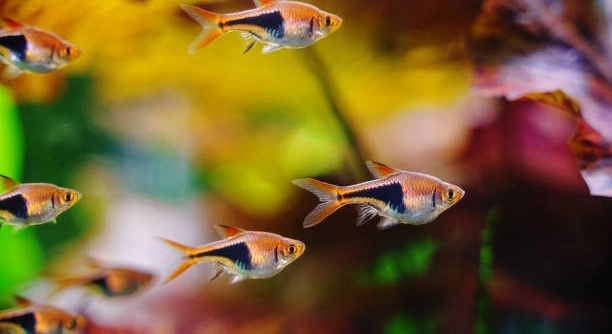
Do your rasboras swim cautiously around certain decorations, avoiding them without reason? Many aquarium owners notice their fish showing selective behavior, often steering clear of new or unusual objects placed in their tank. This response can be puzzling yet intriguing.
Rasboras avoid specific decorations primarily due to stress, territorial instincts, and environmental preferences. Sharp edges, reflective surfaces, or overly bright colors can create discomfort, while unfamiliar or cluttered setups may trigger avoidance behaviors to maintain a sense of safety.
Observing these tendencies can help you choose tank decorations that promote comfort and natural behavior for your rasboras, ensuring a healthier and more visually pleasing aquarium environment.
Common Decorations That Rasboras Avoid
Many aquarium owners notice their rasboras avoiding sharp or rough decorations. Objects with jagged edges can injure delicate fins, so fish naturally steer clear of them. Brightly colored ornaments or reflective surfaces can also trigger fear responses. When placed in the tank, mirrors or shiny plastics may confuse or stress the fish. Even decorations that block swimming space or create tight corners can discourage exploration. Some fish feel threatened by overly tall plants or large rocks, especially when their open swimming area becomes limited. Floating decorations that sway quickly in water currents can create a sense of unpredictability. Over time, the fish may learn to ignore these items, but initial avoidance is common. Subtle changes like rearranging stones or introducing decorations gradually often reduce stress. Watching how rasboras interact with each item can help identify what they find intimidating or uncomfortable.
Avoiding these items ensures your rasboras feel safe and swim freely without stress or injury.
Gradual introduction of decorations allows fish to explore at their own pace, reducing sudden stress and encouraging natural behavior patterns over time.
Environmental Factors Affecting Rasbora Behavior
Tank conditions play a large role in decoration avoidance. High water flow or strong lighting can make certain decorations feel threatening or unsafe. If the water is too bright or current too strong, fish may hide more frequently. Temperature and pH levels also influence comfort; stressed fish are more likely to avoid unfamiliar objects. Overcrowding can amplify this behavior, as limited space increases territorial tension. Noise or vibrations outside the tank may cause sudden darting or avoidance. Natural hiding spots like plants or gentle rocks help rasboras feel secure. Consistent maintenance of the tank reduces stress, making them more confident to explore. Observing patterns in avoidance can guide placement and selection of decorations to improve the tank environment.
Understanding these factors helps create a balanced habitat for rasboras. By adjusting water conditions, flow, and lighting, as well as selecting decorations that respect their comfort, you can encourage confident swimming and reduce hiding behaviors. Gradual introduction and strategic arrangement of decorations, paired with stable environmental conditions, allow rasboras to display natural behavior without stress. Paying attention to subtle cues, such as hesitation near certain objects or sudden dashes, gives insight into their preferences. Proper placement of plants, rocks, and soft surfaces ensures they have secure zones, making the tank both aesthetically pleasing and supportive of fish well-being. Consistent observation and adjustments lead to a calmer, more active aquarium where rasboras thrive alongside well-chosen decorations, reducing the likelihood of prolonged avoidance.
How Fish Senses Influence Decoration Choices
Rasboras rely heavily on vision and lateral line sensing to navigate their environment. Sharp edges, bright colors, or reflective surfaces can create discomfort or confusion, causing them to avoid certain objects. Their sensory perception strongly influences which areas of the tank feel safe.
Fish are sensitive to changes in light, color, and movement. A shiny ornament may reflect light unpredictably, startling rasboras. Strong contrasts or unusual patterns can appear threatening. The lateral line system detects vibrations, so sudden shifts in water flow near decorations may trigger avoidance. Even subtle placement changes can disrupt their perception, making familiar areas feel unfamiliar or risky. Rasboras often prefer rounded, stable, and muted objects that blend with the tank environment. Gradual exposure and consistent arrangement allow them to adjust their senses safely, reducing stress and promoting exploration.
Understanding how rasboras sense their surroundings helps in choosing appropriate decorations. Rounded surfaces, gentle plants, and low-reflective materials make the tank more comfortable. Consistent placement and minimal sudden movement allow the fish to feel secure, encouraging natural swimming patterns. Adjusting tank layout with their sensory comfort in mind improves both their well-being and overall behavior, helping them interact confidently with the environment.
The Role of Tank Layout and Space
Tank layout directly affects how rasboras interact with decorations. Overcrowded areas or limited swimming space can increase avoidance behavior. Open areas with clear pathways encourage natural movement and exploration.
Proper spacing between decorations is essential. Tight clusters or blocking swim zones may make rasboras feel trapped. They favor gradual transitions from open spaces to hiding spots. Plants and rocks should be positioned to provide cover without restricting movement. Vertical height differences also help create natural zones, allowing fish to choose preferred swimming levels. Too many large objects in a small tank can create stress, leading to hiding or avoidance. Observing their swimming patterns shows which areas are uncomfortable or stressful. Strategic placement ensures decorations enhance the environment without compromising comfort or safety.
Well-planned tank layout balances aesthetic appeal with functionality for rasboras. Open swimming areas, gentle cover, and stable decoration placement reduce stress and promote confidence. Careful attention to spacing allows fish to navigate freely while maintaining hiding options, preventing overcrowding and territorial disputes. Providing gradual transitions from open water to covered spots mimics natural habitats, giving rasboras choice and control. Adjusting vertical levels and orientation of plants or rocks adds dimension, making the environment stimulating but safe. Consistent monitoring ensures they remain comfortable, helping decorations enhance rather than hinder natural behavior.
Material Matters
Rasboras often avoid decorations made from rough or sharp materials. Plastics with jagged edges, untreated wood, or coarse rocks can injure fins or skin. Smooth, natural-feeling surfaces are generally preferred.
Metal decorations or items that corrode in water are also avoided. Rust or sharp fragments create stress and pose health risks, discouraging interaction.
Plant Placement and Density
Dense plant clusters can make rasboras feel confined. They prefer moderate coverage that allows open swimming paths. Placement of plants should provide both hiding spots and clear areas for exploration. Overcrowded or poorly arranged plants often lead to avoidance and limited activity. Adjusting plant density carefully encourages balanced movement.
Color and Lighting
Bright, contrasting colors can startle rasboras. Soft, muted tones in decorations help them feel secure and reduce stress.
Maintenance and Cleanliness
Dirty or algae-covered decorations are less appealing to rasboras. Regular cleaning keeps objects safe, visually neutral, and inviting, encouraging natural exploration and interaction within the tank.
FAQ
Why do rasboras avoid certain decorations in my tank?
Rasboras often avoid decorations that feel unsafe or unfamiliar. Sharp edges, rough surfaces, and reflective items can trigger stress responses. Bright colors or overly complex shapes may appear threatening. Even subtle changes in placement can make previously safe areas feel unpredictable. Providing smooth, muted, and stable decorations encourages exploration.
Can stress from decorations affect rasbora health?
Yes, stress from inappropriate decorations can lead to reduced appetite, erratic swimming, or increased susceptibility to disease. Chronic stress impacts their immune system, making them more vulnerable to infections. Ensuring decorations are safe, non-toxic, and comfortable helps maintain their overall health and natural behavior.
Are live plants better than artificial ones for rasboras?
Live plants generally provide a more natural environment, offering both cover and open swimming spaces. They can reduce stress by mimicking the fish’s natural habitat. However, artificial plants with smooth surfaces and gentle colors can also work if maintained clean and placed thoughtfully to avoid overcrowding.
How does tank size affect decoration choices?
Smaller tanks require careful placement to avoid limiting swimming space. Overcrowding with large or numerous decorations can increase avoidance and stress. Larger tanks allow more flexibility in decoration variety and placement while maintaining open swimming areas and secure hiding zones.
Do rasboras eventually get used to new decorations?
Yes, gradual introduction helps. Placing new items slowly and allowing time for adjustment lets fish explore safely at their own pace. Repeated exposure reduces fear, but abrupt changes or unstable placement can prolong avoidance. Observing their reactions guides proper positioning and selection of objects.
Can water flow or lighting influence decoration avoidance?
Strong currents or overly bright lighting near decorations may make rasboras avoid those areas. Gentle water movement and moderate lighting create a comfortable environment. Decorations that alter flow too sharply or reflect excessive light can feel threatening, while well-placed plants or rocks help stabilize conditions.
Should I remove decorations if my rasboras avoid them?
Not necessarily. Some avoidance is natural, especially when introducing new objects. Observe behavior over several days. If stress signs persist, repositioning or substituting decorations with safer alternatives is recommended. Gradual exposure and thoughtful arrangement usually reduce prolonged avoidance.
How often should I clean decorations?
Regular cleaning prevents algae, debris, and buildup that can make decorations less appealing or unsafe. Use gentle methods that do not damage surfaces or leave harmful residues. Consistently maintained objects encourage interaction and support healthy fish behavior.
Do rasboras prefer certain shapes or textures?
Rounded edges and smooth surfaces are generally preferred. Fish feel more secure when objects are predictable and free from sharp points. Rough textures or jagged shapes can cause avoidance, while natural shapes like rocks, gentle plants, and driftwood mimic a comfortable, familiar environment.
Can tankmates influence decoration avoidance?
Yes, aggressive or territorial fish may push rasboras away from certain areas. Observing interactions helps identify whether avoidance is caused by stress from other fish or by the decorations themselves. Providing multiple hiding spots and open swimming zones reduces conflict and encourages exploration.
How can I make decorations more appealing to rasboras?
Use smooth, muted-colored objects and arrange them to provide both cover and open areas. Introduce new items gradually and ensure stable placement. Proper spacing, moderate plant density, and gentle water flow make the environment comfortable, encouraging confident swimming and interaction.
Are there decorations rasboras never like?
Objects that are sharp, reflective, highly bright, or unstable are consistently avoided. Corroded metal, jagged plastics, or items that alter water flow sharply usually cause prolonged stress. Choosing safe, smooth, and stable materials helps prevent fear-based avoidance and supports healthy behavior.
Do seasonal changes affect decoration preferences?
Seasonal adjustments in lighting or temperature can subtly influence how comfortable rasboras feel near decorations. Sudden changes may trigger avoidance temporarily, but consistent care and stable conditions help them maintain confidence and normal swimming patterns regardless of season.
What is the best approach to introduce multiple new decorations?
Introduce them one at a time, spaced out over several days. Allow fish to explore each addition safely before adding more. Gradual placement prevents overwhelming the tank environment, reduces stress, and encourages natural curiosity while minimizing avoidance behavior.
Can substrate type affect decoration avoidance?
Yes, rasboras respond to substrate in combination with decorations. Rough or sharp substrate near objects may amplify avoidance, while smooth or sandy bottoms complement safe decorations. Matching substrate to natural preferences enhances comfort and encourages interaction with both the substrate and tank items.
How do I know if a decoration is causing stress?
Signs include hiding for long periods, rapid darting, loss of appetite, or clamped fins. Observing these behaviors near specific decorations indicates discomfort. Removing, repositioning, or replacing the object with a smoother or safer alternative usually alleviates stress and restores normal activity.
Are there decorations that encourage exploration?
Yes, stable, rounded rocks, gentle driftwood, and natural-looking plants create safe zones and encourage movement. Open areas combined with soft hiding spots allow rasboras to explore confidently without feeling threatened. Thoughtful placement of these objects enhances both activity and visual appeal of the tank.
Does color sensitivity vary among rasbora species?
Some species are more sensitive to bright or contrasting colors than others. Muted tones generally work across species, while highly reflective or fluorescent decorations can trigger avoidance. Observing behavior and adjusting decoration colors helps ensure compatibility with each type of rasbora.
Can gradual rearrangement improve interaction with decorations?
Yes, small, incremental changes allow fish to adapt without stress. Sudden large changes can cause prolonged avoidance, while slow rearrangement encourages curiosity and exploration. Monitoring their response ensures adjustments support confidence and natural swimming patterns rather than fear.
How important is consistency in decoration placement?
Very important. Frequent changes disrupt familiarity and comfort, increasing avoidance. Stable arrangement helps rasboras feel secure, reducing stress and promoting exploration. Combining consistent placement with occasional gradual changes balances stimulation with comfort, maintaining a healthy and confident aquarium environment.
Can decorations affect breeding behavior?
Yes, inappropriate or stressful objects can discourage spawning. Providing calm, stable, and safe areas with gentle cover encourages natural breeding behaviors. Smooth plants, driftwood, or gentle hiding spots are preferred for creating suitable environments for reproduction without inducing stress.
Final Thoughts
Creating a comfortable environment for rasboras is essential for their well-being and natural behavior. Decorations play a big role in shaping how fish interact with their tank. Sharp, reflective, or brightly colored objects can cause stress and avoidance, while smooth, rounded, and muted items provide a sense of safety. Gradual introduction of new decorations helps fish adjust without fear. Observing their reactions gives insight into which items make them feel secure and which cause discomfort. Simple adjustments like repositioning rocks, rearranging plants, or choosing softer materials can make a noticeable difference in behavior. A thoughtful selection of decorations not only improves aesthetics but also supports healthy swimming patterns and reduces stress-related issues.
Tank layout and space are just as important as the type of decoration. Rasboras need open areas for swimming along with safe hiding spots. Overcrowding or placing decorations in tight clusters can make them feel confined, leading to prolonged avoidance or hiding. Proper spacing, vertical variation, and moderate plant density allow fish to move freely while still feeling secure. Gradual exposure to new objects lets them explore at their own pace. Smooth substrates combined with well-placed decorations create natural zones for resting, hiding, and swimming. Consistent water conditions, gentle lighting, and moderate currents further reinforce their comfort, making them more confident in their environment. Adjusting these elements thoughtfully creates a harmonious balance between decoration and space, allowing rasboras to display natural behaviors without stress.
Regular maintenance and observation are key to sustaining a healthy and stress-free tank. Algae-covered or dirty decorations can discourage interaction and even cause health issues. Cleaning objects gently and monitoring fish behavior ensures the environment remains safe and inviting. Paying attention to sensory preferences, such as light reflection, texture, and flow, can help prevent prolonged avoidance. Decorations should complement both aesthetics and functionality, providing secure spots while leaving room for natural movement. By carefully selecting materials, arranging the layout, and maintaining cleanliness, rasboras can thrive. Their comfort and confidence improve, and their natural curiosity and activity become more apparent, enhancing the overall experience of keeping a well-balanced aquarium.

Hello,
If you enjoy the content that we create, please consider saying a "Thank You!" by leaving a tip.
Every little bit helps us continue crafting quality advice that supports the health, happiness, and well-being of pets around the world, for pets of all shapes, sizes, and species.
We really appreciate the kindness and support that you show us!