
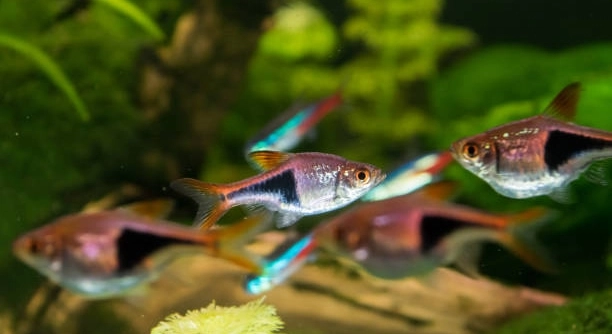
Harlequin Rasboras are small, colorful fish that bring life to any aquarium. Many hobbyists enjoy keeping them, but feeding these delicate fish can be confusing, with plenty of myths circulating about their diet and nutrition needs.
Several feeding myths about Harlequin Rasboras persist due to misinformation. Common misconceptions include overfeeding, the necessity of live food, and assuming all flakes or pellets meet their dietary requirements. Correct feeding practices are crucial for their health and longevity.
Understanding the truth behind these myths will help you provide a balanced diet and maintain a thriving community of Rasboras in your aquarium.
Myth 1: Harlequin Rasboras Only Eat Live Food
Many people assume Harlequin Rasboras must be fed live food like daphnia or brine shrimp to stay healthy. While live food is nutritious and encourages natural hunting behavior, it is not the only option. These fish can thrive on high-quality flake or pellet foods designed for small tropical fish. A varied diet is important to provide all necessary nutrients. Over-relying on live food can be costly and sometimes risky, as it may introduce parasites or bacteria into the tank. Frozen or freeze-dried alternatives are also suitable and often safer. Feeding small amounts multiple times a day mimics their natural grazing habits and prevents overfeeding. Observing your fish while feeding helps ensure all individuals receive adequate nutrition, as more dominant fish can sometimes eat more than others. Proper portion control is key to maintaining water quality and keeping your Rasboras healthy over time.
Live food is beneficial but not essential for maintaining a healthy diet.
Providing a mix of flakes, pellets, and occasional frozen or live food ensures balanced nutrition. Consistent feeding routines help prevent stress, obesity, and water quality issues, keeping your Rasboras active and vibrant.
Myth 2: Overfeeding Is Harmless
Overfeeding is a common mistake among Rasbora keepers. Offering too much food at once can pollute the water, causing spikes in ammonia and nitrites, which are harmful to fish. Even if your fish eagerly eat all the food, it does not mean it is beneficial. Excess food sinks and decays, creating a breeding ground for harmful bacteria and algae. Feeding small amounts once or twice daily is enough for most Rasboras. Portioning food based on what they can consume in two to three minutes prevents waste. Regular monitoring of tank water parameters is also crucial to catch any issues early. A balanced feeding approach promotes steady growth, bright coloration, and overall health. By avoiding overfeeding, you protect your aquarium’s ecosystem and reduce the frequency of water changes, making maintenance easier. Teaching yourself the right portions ensures your Rasboras thrive in a clean, stable environment.
Harlequin Rasboras are sensitive to water quality, making proper feeding essential.
Careful feeding protects the tank environment while supporting healthy, active fish. Observing their behavior and adjusting portions ensures a long, vibrant life.
Myth 3: Flakes Alone Are Enough
Flakes can provide basic nutrition but rarely cover all dietary needs. Relying only on flakes may lead to deficiencies over time, especially in vitamins and proteins essential for growth and coloration.
A balanced diet requires a combination of flakes, pellets, and occasional frozen or live food. Flakes are convenient and help maintain daily nutrition, but adding variety ensures all necessary nutrients are supplied. Harlequin Rasboras benefit from protein sources like daphnia or brine shrimp and plant-based foods for fiber. Rotating food types helps prevent boredom and encourages natural foraging behavior. Feeding small portions multiple times a day supports metabolism and overall health. Observing how your Rasboras respond to different foods allows adjustments that maintain optimal growth and vibrant colors while preventing overfeeding and water quality issues.
Using only flakes can limit your Rasboras’ potential. Including varied foods ensures stronger immunity, better coloration, and more active behavior. Maintaining diversity in diet is essential for their long-term health.
Myth 4: Rasboras Don’t Need Vegetables
Some believe Harlequin Rasboras only require protein-rich foods. In reality, plant matter contributes important vitamins and fiber for digestive health.
Including vegetables like blanched spinach, zucchini, or peas adds fiber and nutrients missing in protein-heavy diets. Even small amounts support proper digestion and prevent constipation. Vegetables can be chopped finely or offered as freeze-dried alternatives, which makes them easy for Rasboras to consume. Variety improves overall nutrition and contributes to natural behaviors, as Rasboras may nibble and explore different textures. Ignoring plant-based foods can lead to deficiencies, dull coloration, and less active fish. A mix of protein and plant matter creates a balanced diet that mimics their natural feeding habits. Regularly changing vegetables and protein sources ensures a full nutrient profile, supporting healthy growth, vibrant colors, and long-term vitality in your aquarium.
Myth 5: Feeding Once a Day Is Enough
Feeding Harlequin Rasboras only once daily can lead to hunger and stress. Small, frequent meals are better suited to their metabolism and natural grazing habits.
Splitting food into two or three small servings per day prevents overeating and reduces waste. Regular feeding keeps them active and supports healthy growth, while also maintaining stable water quality in the tank.
Myth 6: All Pellets Are Equal
Not all pellets provide the same nutritional value. Choosing high-quality pellets designed for small tropical fish ensures they get essential proteins and vitamins. Inferior pellets can lack nutrients and affect growth, color, and overall health.
Selecting pellets carefully and alternating with flakes or frozen food creates a balanced diet. Observing how your Rasboras respond allows adjustments to maintain optimal nutrition.
Myth 7: Overfeeding Can Be Fixed Later
Once overfeeding occurs, correcting it is not instant. Excess food can harm water quality and fish health.
FAQ
What is the best food for Harlequin Rasboras?
A varied diet works best. High-quality flakes or pellets can cover daily nutrition, while occasional frozen or live foods like daphnia, brine shrimp, or bloodworms provide protein. Small portions of blanched vegetables, such as spinach or zucchini, supply fiber and essential vitamins. Rotating these foods prevents nutrient deficiencies.
How often should I feed my Rasboras?
Feeding small amounts two to three times a day is ideal. They are naturally small grazers, so splitting meals helps digestion, reduces stress, and prevents leftover food from polluting the tank. Adjust portions based on how much they consume within two to three minutes.
Can Harlequin Rasboras survive on flakes alone?
Flakes are convenient but rarely provide complete nutrition. Over time, relying only on flakes may lead to deficiencies in proteins, vitamins, and minerals. Combining flakes with pellets, frozen, or live foods ensures a balanced diet and supports growth, coloration, and overall health.
Is it harmful to give live food every day?
Daily live food is unnecessary and can introduce bacteria or parasites into the aquarium. While live food stimulates natural hunting behavior, it should be offered occasionally, complemented by flakes, pellets, or frozen alternatives to maintain a safe and balanced diet.
Can I feed them vegetables?
Yes, small amounts of blanched vegetables or freeze-dried plant matter help digestion and provide nutrients missing from protein-heavy diets. Peas, spinach, and zucchini are suitable options. Including vegetables encourages natural nibbling behavior and supports long-term health.
How do I prevent overfeeding?
Feed only what your fish can consume in two to three minutes per meal. Observe their behavior during feeding and adjust portions accordingly. Multiple small feedings are better than one large serving. Removing uneaten food promptly protects water quality and reduces stress.
What happens if I overfeed my Rasboras?
Overfeeding can lead to water pollution, ammonia spikes, and potential health issues. Fish may become overweight or stressed. Correcting overfeeding requires careful portion control, frequent water testing, and partial water changes to restore stable conditions and prevent long-term harm.
Can frozen food replace live food?
Frozen food is a safe and nutritious alternative to live food. It provides protein without the risk of introducing harmful organisms. Thawing before feeding and occasionally mixing with flakes or pellets ensures a balanced diet and supports natural foraging behavior.
How do I know if my fish are eating enough?
Healthy Rasboras are active, brightly colored, and show interest in food. Uneaten food may indicate overfeeding or that portions are too large. Observing their behavior helps adjust feeding routines to meet their needs and maintain proper growth and health.
Are there any foods I should avoid?
Avoid feeding fatty human foods, bread, or foods that easily decay in water. These can harm water quality and fish health. Stick to commercial tropical fish foods, live, frozen, or blanched vegetables, and rotate options to ensure balanced nutrition.
How can I encourage shy or slow eaters?
Feed smaller portions and distribute food across different areas of the tank. Using slow-sinking pellets or small flakes helps timid fish access food without competition. Regular observation ensures all fish receive adequate nutrition and prevents dominance by more aggressive eaters.
Is it okay to change their diet frequently?
Yes, varying food types prevents nutrient gaps and keeps Rasboras interested in their meals. Gradually introducing new foods allows them to adjust while supporting optimal health, coloration, and growth without causing digestive issues.
Can feeding affect their color?
Yes, a balanced diet with sufficient protein, vitamins, and plant matter enhances natural coloration. Deficiencies can lead to dull colors, while regular, varied feeding keeps them vibrant and active.
What is the safest way to introduce new foods?
Introduce new foods slowly, starting with small amounts. Observe fish for any signs of digestive upset or rejection. Gradually increasing portions while monitoring water quality ensures a smooth transition and avoids unnecessary stress or pollution.
Do baby Rasboras require different feeding?
Young Rasboras need smaller, more frequent meals. They benefit from finely crushed flakes, micro-pellets, or newly hatched brine shrimp. Providing appropriate food sizes and feeding multiple times a day supports proper growth and survival during early development.
Harlequin Rasboras are small, delicate fish that thrive when their diet is carefully managed. Many feeding myths can cause unnecessary stress for both the fish and their keepers. Overfeeding, relying solely on flakes, or believing live food is mandatory are common mistakes. Understanding their natural feeding habits and providing a varied diet ensures their health and longevity. These fish benefit from a mix of high-quality flakes, pellets, occasional live or frozen protein, and small amounts of blanched vegetables. Feeding multiple small portions throughout the day mimics their grazing behavior and prevents leftover food from polluting the tank. Observing how they respond to different foods helps maintain proper nutrition while avoiding common pitfalls. Maintaining a consistent feeding schedule while varying the types of food promotes balanced growth, vibrant coloration, and overall activity in your aquarium.
Balanced feeding is essential not only for their health but also for maintaining a stable aquarium environment. Overfeeding can quickly lead to water quality problems, increasing ammonia and nitrite levels, which are harmful to Rasboras. Even small amounts of uneaten food can cause issues if left unchecked. Regular observation of water parameters, combined with appropriate portion sizes, prevents many common health and environmental problems. Additionally, providing a variety of foods supports their immune system and helps prevent deficiencies that could affect growth and color. High-quality flakes and pellets are sufficient for daily nutrition, while occasional live or frozen protein adds enrichment and variety. Plant-based foods, though sometimes overlooked, contribute essential fiber and vitamins, supporting digestion and overall well-being. A carefully managed feeding routine ensures your Rasboras remain active, healthy, and visually striking, reducing stress for both the fish and their caretaker.
Providing proper nutrition for Harlequin Rasboras requires attention to detail and a willingness to adjust feeding habits based on observation. Understanding which myths are inaccurate allows you to make informed choices that benefit the fish and the aquarium ecosystem. Consistently offering a varied, balanced diet keeps the fish healthy, colorful, and energetic. Monitoring their behavior during feeding and adjusting portions as needed prevents overfeeding and maintains water quality. Including a mix of flakes, pellets, protein sources, and vegetables ensures all nutritional needs are met. Regularly rotating food types helps prevent boredom and encourages natural foraging behaviors. With careful planning and consistency, feeding Harlequin Rasboras can be straightforward, providing both nourishment and enrichment. By separating fact from fiction and adopting proper feeding practices, these fish can live long, vibrant lives, enhancing the beauty and balance of any community aquarium.

Hello,
If you enjoy the content that we create, please consider saying a "Thank You!" by leaving a tip.
Every little bit helps us continue crafting quality advice that supports the health, happiness, and well-being of pets around the world, for pets of all shapes, sizes, and species.
We really appreciate the kindness and support that you show us!