
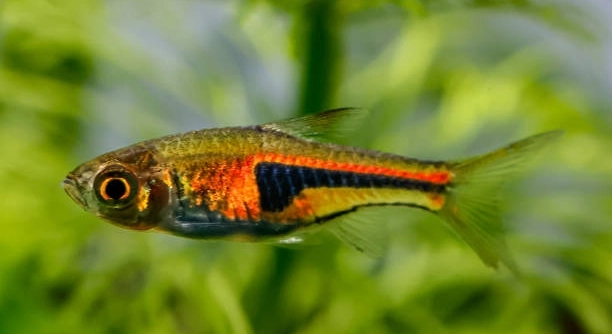
Rasboras are small, colorful fish that many people enjoy keeping in home aquariums. Their delicate nature and unique behavior make them interesting pets, but ensuring their health requires careful attention to their breeding conditions.
Rasbora fertility is influenced by factors such as water quality, temperature, pH balance, diet, lighting, tank environment, and stress levels. Maintaining optimal conditions for each factor is essential to encourage successful breeding and overall reproductive health.
Understanding these influences can help improve your aquarium management and support healthier, more vibrant fish populations in your tank.
Water Quality and Clarity
Clean water is essential for rasboras to thrive and reproduce. These fish are sensitive to pollutants, ammonia, and nitrite levels. Regular water changes and monitoring help maintain the right balance. Filtration systems remove debris and toxins, creating a safer environment for your fish. Uneven water conditions can stress them, lowering fertility and affecting egg production. It is also important to avoid sudden changes in water chemistry, as fluctuations in pH or hardness can disrupt breeding patterns. Using a water testing kit can help track these levels consistently. Some aquarists notice that rasboras perform better in slightly acidic water with a stable temperature. Keeping the tank free of excess waste and uneaten food also prevents harmful bacteria from building up. Attention to these small details makes a noticeable difference in their overall health and reproductive success.
Maintaining high water quality reduces stress and promotes healthier, more fertile fish.
Consistent water management is one of the simplest ways to ensure your rasboras remain active and ready to breed. By keeping the tank clean, filtering properly, and monitoring chemical levels, you create an environment that supports natural behavior. Regular observation lets you spot early signs of stress or illness. Even minor improvements, like partial water changes twice a week, can lead to more frequent and successful spawning. Tank plants and gentle water flow also contribute by mimicking their natural habitat. Over time, these practices not only improve fertility but also strengthen the fish’s immune system.
Temperature and Lighting
Rasboras need stable temperatures for healthy reproduction. Sudden changes can cause stress and reduce egg-laying activity.
Keeping a consistent temperature of around 24–28°C (75–82°F) is ideal. Lighting should follow a natural cycle, roughly 10–12 hours per day, to simulate day and night. Too much light can encourage algae growth and stress the fish, while too little can disrupt their natural rhythms. Gradual adjustments in temperature when needed are safer than sudden shifts, which can shock their system. Using a reliable heater and thermometer ensures stability. Soft lighting also enhances their colors, which is a sign of health and readiness to breed. Pairing the correct lighting with stable temperatures helps trigger natural behaviors like courtship and egg-laying. Even small improvements in these environmental factors can make a significant difference in reproductive success. Proper lighting and warmth together create an inviting space for rasboras to thrive.
pH and Water Hardness
Rasboras prefer slightly acidic to neutral water, around pH 6.0–7.0. Hardness should be low to moderate. Sudden shifts in these levels can reduce fertility and cause stress, so regular testing is important to maintain consistency.
Keeping pH and hardness stable supports egg development and overall health. Fish exposed to fluctuating pH may delay spawning or produce fewer viable eggs. Soft water encourages natural breeding behaviors, while excessively hard water can interfere with fertilization. Small adjustments, like using peat or mineral additives, can help achieve the right balance. Consistency over time is more important than occasional corrections, and monitoring these levels ensures a safer, more productive tank environment.
Gradual acclimation is key when changing water parameters. Introducing rasboras to slightly different pH or hardness levels slowly allows their bodies to adapt without stress. Sudden changes can lead to illness or decreased activity, both of which negatively affect reproduction. Regular observation, paired with proper water testing, ensures a stable environment that encourages natural behavior. Combining these practices with consistent feeding and clean water enhances breeding outcomes and keeps your fish healthier.
Diet and Nutrition
A balanced diet rich in proteins and vitamins directly impacts rasbora fertility. Providing live or frozen foods alongside quality flakes or pellets helps ensure strong reproductive health.
Proper nutrition promotes egg production and enhances the vitality of both males and females. Rasboras fed a varied diet develop brighter colors, more energy, and higher spawning rates. Occasional treats like daphnia or brine shrimp supply essential nutrients that standard flake food may lack. Consistency is important, but overfeeding can lead to poor water quality, which in turn affects fertility. A feeding schedule that balances variety and moderation supports overall tank health and encourages successful breeding.
Feeding strategies also influence mating behavior. Well-fed rasboras are more active and display natural courtship rituals. Nutrient-rich diets improve the quality and quantity of eggs, increasing chances of successful hatching. Including plant matter, such as blanched spinach or algae wafers, provides additional vitamins that support reproductive organs and overall immunity. By observing how your fish respond to different foods, you can fine-tune their diet to optimize health and fertility. A thoughtful approach to feeding ensures the tank environment remains clean and the fish remain ready to breed.
Tank Environment
Rasboras need plenty of swimming space and hiding spots. Plants, driftwood, and gentle decorations reduce stress and encourage natural behavior, which improves fertility.
A cramped or bare tank can inhibit breeding. Open areas for swimming paired with shaded spots for retreat help fish feel secure. Balanced tank design promotes activity and courtship, making spawning more likely.
Stress Levels
High stress lowers egg production and can cause illness. Noise, sudden movements, and aggressive tank mates increase stress in rasboras.
Keeping the tank peaceful and stable supports healthy behavior and better breeding outcomes. Avoid overcrowding, maintain consistent routines, and provide secure areas for retreat. Stress reduction is essential for long-term fertility.
Breeding Pair Selection
Choosing healthy, mature rasboras with compatible traits ensures higher chances of successful spawning. Age, size, and color vitality all affect reproductive success.
Healthy fish with strong genetic traits are more likely to produce viable eggs and fry. Selecting pairs with similar sizes reduces dominance conflicts. Observing behavior before pairing helps identify compatible mates. Optimal selection improves survival rates and encourages natural mating behaviors.
Water Flow
Gentle water flow is ideal for rasboras, as strong currents can exhaust them and hinder egg-laying.
What is the ideal water temperature for breeding rasboras?
The ideal temperature for rasboras is around 24–28°C (75–82°F). Maintaining a stable temperature is important because sudden drops or spikes can stress the fish, reducing their interest in spawning. Using a reliable heater and thermometer helps keep the water steady. Gradual changes are safer than abrupt adjustments.
How often should I test water quality?
Water testing should be done at least once a week. Checking parameters like ammonia, nitrite, nitrate, pH, and hardness ensures the tank remains safe for breeding. Sudden shifts in chemistry can delay spawning or reduce egg viability. Keeping a log can help track trends and prevent long-term issues.
Which foods are best for encouraging fertility?
A varied diet of high-quality flakes, pellets, and live or frozen foods is best. Brine shrimp, daphnia, and bloodworms provide essential proteins and vitamins that enhance egg production. Feeding small portions two to three times daily avoids overfeeding and helps maintain water quality. Occasional plant matter supports overall health.
Can tank size affect breeding?
Yes, a spacious tank encourages natural behavior and reduces stress. Overcrowded tanks lead to aggression, limited swimming space, and lower reproductive success. Providing open swimming areas and hiding spots like plants or driftwood helps rasboras feel secure and more likely to spawn naturally.
How important is pH for rasbora fertility?
Slightly acidic to neutral pH, around 6.0–7.0, is ideal. Rapid fluctuations can stress the fish and reduce egg production. Using peat, driftwood, or mineral additives can help achieve the right balance. Consistency over time is more effective than occasional adjustments.
Do lighting conditions affect breeding?
Yes, lighting influences natural behavior. About 10–12 hours of light per day simulates day and night cycles, which helps trigger spawning. Too much light can stress the fish and encourage algae growth, while too little can interfere with natural rhythms. Soft, consistent lighting is best.
How do I know if my rasboras are ready to breed?
Mature rasboras display brighter colors, increased activity, and courtship behaviors. Males often chase females gently, while females appear rounder when carrying eggs. Observing these signs indicates that the fish are physically and mentally ready to spawn. Stress-free conditions improve the chances of successful mating.
Can stress prevent breeding?
Yes, stress is a major factor in reduced fertility. Loud noises, sudden movements, aggressive tank mates, and overcrowding increase stress. Providing a calm environment with sufficient hiding spots and stable water parameters encourages natural behavior and increases the likelihood of successful spawning.
How should I prepare the tank before introducing a breeding pair?
The tank should be clean, with stable water parameters and gentle filtration. Include plants or fine-leaved decorations for egg-laying and shaded areas for security. Avoid strong currents. Feeding the pair high-quality food for a few weeks before introduction strengthens their health and readiness to breed.
What is the best way to care for eggs and fry?
Once eggs are laid, removing adults can prevent them from eating the eggs. Maintain clean water with gentle flow, stable temperature, and appropriate food once fry hatch, like infusoria or newly hatched brine shrimp. Regular monitoring and partial water changes support survival and growth.
How can I improve the survival rate of fry?
Providing adequate hiding spaces, maintaining water quality, and feeding small, frequent portions of suitable food improve survival. Avoid overcrowding and sudden changes in water chemistry or temperature. Careful observation ensures early detection of illness or stress, supporting healthier growth and development.
Are there any common mistakes to avoid when breeding rasboras?
Overcrowding, sudden changes in water conditions, inconsistent feeding, and ignoring stress factors are common mistakes. Failing to monitor pH, hardness, and temperature can reduce fertility. Observing behavior, maintaining a clean tank, and providing a balanced diet prevent many issues and improve breeding success.
How long does it take for rasboras to lay eggs?
Under optimal conditions, rasboras may spawn within a few days of being introduced to the breeding tank. However, stress, poor water quality, or incompatible pairs can delay spawning. Patience and careful attention to environmental conditions are essential for success.
Can different rasbora species be bred together?
It is generally not recommended. Different species may have varying water, diet, and behavior requirements. Breeding different species together can reduce fertility, lead to hybrid offspring, or increase stress. Keeping species separate ensures healthier fish and more predictable spawning results.
What role do plants play in breeding?
Plants provide hiding spots and surfaces for egg-laying, which reduces stress and protects eggs from adults. Fine-leaved plants like Java moss or spawning mops work best. They also help maintain water quality and simulate the natural environment, encouraging natural behavior and courtship.
How frequently should I feed breeding pairs?
Feed small portions two to three times daily. This ensures the fish receive enough nutrients without overloading the tank. Consistent feeding improves energy, vitality, and egg production. Avoid overfeeding, as leftover food can degrade water quality and affect fertility.
Is it necessary to separate males and females before breeding?
Not always, but temporarily separating pairs can help control timing and readiness. Introducing a well-prepared pair into a clean, calm tank encourages focused courtship and higher chances of successful spawning. Observing behavior after introduction is key for determining compatibility.
What are signs of unhealthy eggs or fry?
Fertilized eggs are usually clear or slightly yellow, while unfertilized eggs may turn opaque or develop fungus. Fry that are weak, inactive, or not feeding properly may have lower survival chances. Maintaining clean water and proper nutrition reduces these risks and promotes healthy development.
How long does it take for fry to become independent?
Rasbora fry typically become free-swimming within five to seven days and can start feeding on micro-food like infusoria. Gradually introducing larger food as they grow supports healthy development. Consistent care ensures stronger, more resilient juveniles ready for the main tank.
Can water flow affect fry development?
Yes, strong currents can exhaust fry or sweep eggs away. Gentle water flow keeps water oxygenated without stressing delicate fry. Adjusting filtration and monitoring current ensures a safer environment and encourages healthy growth.
How long should I wait before attempting a second spawning?
Allow at least a few weeks between spawnings. This rest period helps restore the health and energy of both males and females. Overbreeding can weaken fish, reduce egg quality, and increase stress, lowering future fertility. Monitoring their condition ensures readiness for another successful attempt.
What is the role of tank mates during breeding?
Avoid aggressive or fast-moving fish in the breeding tank. They can stress rasboras, eat eggs, or interfere with courtship. Peaceful tank mates or a single pair in a dedicated breeding setup increases comfort and reproductive success. Creating a calm, controlled environment is critical for successful spawning.
How can I tell if the breeding pair is compatible?
Compatible pairs show mutual interest in courtship, chase gently, and display synchronized swimming behavior. Mismatched or aggressive pairs may fight or ignore each other, reducing chances of egg-laying. Observing behavior before full introduction helps select pairs that are likely to breed successfully.
What is the impact of temperature fluctuations on spawning?
Sudden temperature changes can delay spawning, reduce fertility, or cause illness. Stable, slightly warm water supports egg development and natural mating behaviors. Gradual adjustments are safer if temperature changes are necessary, ensuring minimal stress and better breeding outcomes.
How can I encourage more frequent spawning?
Maintain stable water quality, temperature, pH, and hardness. Provide a balanced diet with high-protein foods and create a secure tank environment with plants and hiding spaces. Consistent care and low stress improve activity, courtship behavior, and overall reproductive success.
What are common indicators of low fertility in rasboras?
Signs include reduced courtship, fewer eggs, weak fry, or frequent illness. Stress, poor water quality, inadequate nutrition, or incompatible pairs often contribute. Observing behavior and environmental conditions helps identify and address issues to improve breeding outcomes.
How do I handle fungal infections on eggs?
Remove affected eggs promptly to prevent spread. Maintaining clean water and gentle aeration reduces fungal growth. Using a mild antifungal treatment, if necessary, can protect healthy eggs while preserving water quality. Preventive care minimizes these problems and supports higher survival rates.
What role does tank decoration play in breeding success?
Decorations like plants, moss, and driftwood offer hiding spots and surfaces for egg-laying. They reduce stress, mimic natural conditions, and encourage natural behaviors. A thoughtfully arranged tank improves comfort and increases the likelihood of successful spawning.
How important is patience during breeding?
Rasboras may take days or weeks to spawn even under ideal conditions. Patience, observation, and consistent care are essential. Avoid rushing the process or making frequent environmental changes, as this can increase stress and reduce reproductive success.
Can overfeeding affect fertility?
Yes, overfeeding can pollute the water and stress fish. While nutrition is important, excess food leads to poor water quality, which reduces egg production and affects overall health. Balanced feeding ensures fish remain healthy and ready to breed.
How do I know when fry are ready for the main tank?
Fry are ready when they are large enough to eat standard food and swim actively. Gradually introducing them to the main tank reduces stress and improves survival. Ensuring water quality and gentle conditions prevents loss during transfer.
What is the effect of aggressive tank mates on breeding?
Aggressive fish can chase or injure rasboras, eat eggs, and increase stress. A peaceful environment is essential for successful courtship, egg-laying, and fry survival. Minimizing threats ensures the breeding pair can reproduce without interruption.
How often should I change water during breeding?
Partial water changes of 10–20% twice a week maintain cleanliness without shocking eggs or fry. Frequent, small changes are safer than infrequent large ones. Clean water supports healthy development and reduces disease risk.
Can lighting cycles affect egg hatching?
Yes, consistent lighting simulates natural day-night cycles, encouraging normal behavior. Irregular lighting may confuse fish, reduce activity, or delay spawning. Maintaining a steady schedule improves both spawning and fry development.
What are signs of healthy fry?
Healthy fry are active, feed regularly, and grow steadily. They display normal swimming patterns and respond to food promptly. Proper care, clean water, and appropriate nutrition support strong, resilient fry ready for the main tank.
How do I prevent overcrowding in a breeding tank?
Only introduce a single pair or a small group suitable for the tank size. Overcrowding increases stress, aggression, and poor water quality. Providing adequate space ensures comfort, encourages natural behavior, and improves breeding outcomes.
What should I do if eggs are not hatching?
Check water parameters, temperature, and light. Ensure eggs are fertilized and remove any fungus. Stress, poor water quality, or incompatible pairs often prevent hatching. Making gradual adjustments and maintaining clean, stable conditions increases success rates.
Can breeding frequency affect long-term fertility?
Yes, overbreeding can weaken fish, reduce egg quality, and increase stress. Allowing rest periods between spawnings helps restore energy and reproductive health. Observing the pair’s condition ensures safe and effective breeding practices.
How do I know if a pair is not compatible?
Signs include aggression, avoidance, or lack of courtship behavior. Incompatible pairs may fight, ignore each other, or produce few eggs. Observing interactions before full introduction helps select pairs that will likely reproduce successfully.
What precautions should I take when moving fry?
Handle fry gently, use a small container with stable water conditions, and acclimate them gradually. Avoid sudden temperature or chemical changes. Careful transfer minimizes stress and improves survival rates in the main tank.
How does water hardness influence breeding?
Low to moderate hardness supports fertility and egg development. High hardness can interfere with fertilization and cause stress. Monitoring and adjusting hardness with appropriate additives helps maintain optimal breeding conditions.
What is the ideal tank setup for rasbora breeding?
A clean, spacious tank with gentle filtration, stable temperature, soft lighting, plants for hiding and egg-laying, and a peaceful environment provides the best conditions. Careful preparation improves courtship, spawning, and fry survival.
Can temperature drops affect fry survival?
Yes, sudden temperature drops can stress fry, slow growth, or cause death. Stable, slightly warm water ensures proper development and strengthens immunity. Gradual acclimation is safer when adjusting conditions.
How do I encourage natural courtship behaviors?
Provide a calm, spacious tank with proper water parameters, nutrition, and hiding spots. Observing compatible pairs allows natural chasing, display, and egg-laying behaviors to occur without interference, increasing reproductive success.
What role does tank cleaning play during breeding?
Regular cleaning prevents harmful bacteria, fungi, and debris from affecting eggs and fry. Gentle, consistent maintenance keeps water quality high without stressing fish. A clean tank supports health and improves reproductive outcomes.
How can I monitor egg development effectively?
Check eggs daily for clarity, size, and signs of fungus. Healthy eggs are usually transparent or slightly yellow. Removing unhealthy eggs prevents contamination and improves survival rates. Maintaining clean water and stable conditions is essential.
What is the impact of overcrowding on fry?
Overcrowding increases stress, reduces oxygen levels, and limits food availability. Fry may grow slowly or die from competition. Adequate space, frequent observation, and proper feeding reduce these risks and support healthy development.
Can using live plants improve breeding success?
Yes, live plants provide natural hiding spots, surfaces for egg-laying, and improve water quality. They simulate a natural environment, reduce stress, and encourage natural behavior, increasing the chances of successful spawning.
How can I prevent fungal infections on eggs?
Maintain clean water, gentle aeration, and remove dead or unfertilized eggs promptly. Mild antifungal treatments can help if needed. Prevention through proper tank management is more effective than treating infections after they occur.
What is the best way to handle fry feeding?
Feed small amounts frequently using infusoria or newly hatched brine shrimp. Gradually introduce larger food as they grow. Overfeeding can pollute water, while underfeeding slows growth. Consistent, careful feeding supports healthy development and survival.
How do I know when the breeding pair is ready for another spawn?
Observe health, color, and activity. Both fish should appear energetic and display normal courtship behavior. Allow rest periods between spawnings to restore energy and reproductive health, ensuring better outcomes for the next batch.
What tank conditions help reduce stress for breeding rasboras?
Stable water temperature, consistent pH and hardness, adequate hiding spots, gentle flow, balanced diet, and a peaceful environment all reduce stress. Low-stress conditions encourage natural courtship and improve egg-laying frequency and quality.
How can I ensure high egg fertility rates?
Provide optimal water quality, stable temperature, proper pH and hardness, varied diet, secure tank environment, and minimal stress. Compatible pairs in these conditions are more likely to produce healthy, fertilized eggs consistently.
What are the signs that fry are feeding well?
Active swimming, rapid response to food, steady growth, and visible energy indicate fry are feeding properly. Observing behavior ensures they receive adequate nutrition for healthy development.
How can I safely introduce fry to the main tank?
Acclimate gradually, using similar water conditions and gentle transfer methods. Monitor temperature and chemical parameters to minimize stress. A careful introduction increases survival and adaptation to the new environment.
What precautions should I take with tank mates during breeding?
Remove aggressive or fast-moving fish that can harm adults, eggs, or fry. Only peaceful species or a dedicated breeding pair should be present to prevent stress and improve reproductive success.
How do I maintain stable water parameters consistently?
Use a reliable heater, regular water testing, gentle filtration, and gradual adjustments. Keep a log of pH, hardness, and temperature to spot trends. Consistent care supports fertility, healthy eggs, and fry development.
What are the long-term benefits of proper breeding management?
Healthy, fertile adults produce stronger, more resilient fry. Proper management reduces disease, stress, and mortality, ensuring sustainable breeding over time. Maintaining ideal tank conditions improves overall fish health and enhances reproductive success consistently.
How can I prevent egg predation by adult rasboras?
Separate adults from eggs immediately after spawning or use dense plants and spawning mops to protect eggs. Observing behavior ensures eggs remain safe and increases survival rates. Proper planning prevents unnecessary loss.
What is the effect of poor water quality on fry?
Low water quality can cause disease, slow growth, and high mortality. Maintaining cleanliness, gentle flow, and stable parameters is essential for fry survival and healthy development.
How often should I observe breeding behavior?
Daily observation helps detect courtship, egg-laying, and stress signs. Early detection of issues allows corrective measures, improving reproductive success and fry survival. Regular attention ensures timely intervention when needed.
Can changing tank layout improve breeding success?
Rearranging plants or adding hiding spots can reduce stress and stimulate natural behaviors. Gentle modifications encourage courtship and egg-laying while maintaining familiarity for the fish. Strategic changes support fertility and overall tank harmony.
How do I identify healthy adult rasboras for breeding?
Look for bright colors, active swimming, proper size, and healthy fins. Adults free of disease and parasites are more likely to produce viable eggs and successful fry. Careful selection improves long-term breeding outcomes.
What precautions should I take during water changes?
Perform partial water changes slowly to avoid shocking eggs or fry. Maintain stable temperature, pH, and hardness during changes. Gentle replacement keeps water clean without stressing fish or interrupting spawning.
How does tank cleanliness affect breeding?
Clean tanks prevent harmful bacteria and fungi, reduce stress, and support healthy eggs and fry. Regular maintenance ensures stable water quality, promoting successful spawning and higher survival rates.
What role does observation play in successful breeding?
Watching behavior, feeding, and interaction helps detect stress, compatibility issues, and health problems. Timely intervention based on observation improves egg production, fry survival, and overall reproductive success.
How can I safely acclimate fry to new conditions?
Introduce fry gradually to avoid temperature or chemical shock. Use similar water parameters and small containers for transfer. Gradual acclimation supports survival and reduces stress during the transition.
Can breeding frequency affect adult health?
Overbreeding strains adults, reduces fertility, and increases stress. Allowing rest periods restores energy, ensures healthier eggs, and maintains long-term reproductive capacity. Monitoring condition prevents overexertion and supports sustainable breeding.
What is the best way to track egg development?
Daily inspection for clarity, size, and signs of fungus ensures healthy growth. Removing unhealthy eggs prevents contamination. Keeping a log of progress helps manage care and improves survival rates.
**How do I
Breeding rasboras requires attention to several small but important details. Maintaining clean water, consistent temperature, and stable pH and hardness levels creates an environment where fish can reproduce naturally. Regular water changes, proper filtration, and careful monitoring help prevent stress and illness. Stress-free conditions are essential for encouraging natural courtship behaviors, egg-laying, and overall reproductive success. Even small improvements, such as adding plants for hiding spots or ensuring gentle water flow, can have a significant impact on fertility. Observing the fish regularly allows you to notice subtle changes in behavior or health, which can help prevent problems before they affect breeding outcomes.
Nutrition also plays a key role in rasbora fertility. A varied diet of high-quality flakes, pellets, and live or frozen foods provides the essential proteins and vitamins needed for egg production and healthy fry. Supplementing with occasional plant matter supports overall health and boosts immunity. Feeding small, consistent portions prevents overfeeding, which can compromise water quality and increase stress. Well-nourished fish display brighter colors, more energy, and higher reproductive readiness. Proper nutrition combined with a carefully prepared tank creates the right conditions for successful breeding. Monitoring feeding habits and adjusting the diet as needed ensures that adult fish remain healthy and fry have a strong start.
Patience and observation are just as important as tank setup and diet. Breeding may take days or weeks, and not every pair will spawn immediately. Understanding each fish’s behavior and needs helps determine when adjustments are necessary. Avoid making sudden changes to water conditions, lighting, or tank layout, as this can create stress and reduce fertility. Taking the time to carefully manage the environment, select compatible pairs, and provide consistent care ensures better outcomes for both adults and fry. By focusing on stable conditions, proper nutrition, and attentive observation, you can support healthy rasboras and increase the chances of successful, sustainable breeding over time.

Hello,
If you enjoy the content that we create, please consider saying a "Thank You!" by leaving a tip.
Every little bit helps us continue crafting quality advice that supports the health, happiness, and well-being of pets around the world, for pets of all shapes, sizes, and species.
We really appreciate the kindness and support that you show us!