
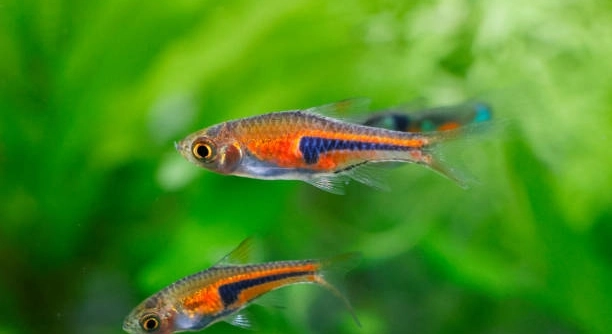
Do you ever notice your rasboras acting skittish or hiding more than usual in the tank? Even in a well-kept aquarium, subtle issues can create stress. Recognizing hidden dangers is key to maintaining their well-being.
Rasboras are sensitive fish whose health can be compromised by overlooked tank conditions. Factors such as poor water quality, inadequate hiding spaces, sudden lighting changes, incompatible tankmates, and improper feeding routines contribute significantly to chronic stress.
Understanding these risks will help you create a safer, more comfortable environment for your rasboras. Small adjustments can greatly improve their overall health and happiness.
Poor Water Quality
Maintaining clean water is essential for rasboras. Even small amounts of ammonia or nitrites can quickly stress these delicate fish. Filtration systems help, but they must be properly maintained to prevent harmful buildup. Regular water changes are crucial to remove waste, leftover food, and toxins that accumulate over time. Temperature and pH levels must remain stable, as sudden fluctuations can shock rasboras, affecting their immune system. Observing water clarity and using test kits can help monitor chemical levels. Overcrowding worsens water quality because more waste is produced, making frequent maintenance necessary. Adding live plants can improve water conditions naturally, as they absorb nitrates and provide shelter. The combination of filtration, regular cleaning, and monitoring creates an environment where rasboras can thrive with minimal stress.
Even slight water imbalances can trigger long-term health issues in rasboras, making vigilance essential for their daily care.
Monitoring water quality consistently ensures rasboras remain active and healthy. Simple steps like partial water changes, plant additions, and careful observation prevent toxic buildup. By understanding water chemistry and keeping the tank clean, you reduce stress and support natural behaviors. Consistent filtration and regular testing of ammonia, nitrite, nitrate, and pH levels are key. Small fluctuations might not seem significant but can impact fish over time. Avoid overcrowding, as it increases waste and competition, adding to stress. Live plants help maintain balance while giving hiding spaces. With consistent care, rasboras display brighter colors, swim confidently, and eat regularly. Maintaining water quality is not a one-time task; it requires ongoing attention to sustain a safe habitat. Over time, careful water management fosters long-term health and stability for your fish, minimizing stress and preventing disease outbreaks in the tank environment.
Incompatible Tankmates
Rasboras are peaceful fish and do best with calm, non-aggressive companions. Aggressive or territorial species can chase or nip at them, causing stress and hiding behavior. Tankmate size matters, as larger fish may unintentionally intimidate smaller rasboras.
Choosing compatible species ensures a harmonious environment where rasboras feel safe.
When selecting tankmates, consider temperament, size, and activity levels. Fast-moving or dominant fish can disturb rasboras, limiting their swimming space and forcing them to hide. Even if aggression is minor, constant stress can weaken immune systems, reduce appetite, and cause health problems. Schooling species of similar size and temperament work best. Researching each species’ behavior before adding them prevents conflicts. Decorations and plants can create hiding spots, giving rasboras security if occasional interactions occur. Avoid sudden introductions, as abrupt changes can heighten anxiety. Proper planning and monitoring after adding new fish help ensure peaceful coexistence. Providing adequate space and carefully selecting compatible tankmates allows rasboras to swim freely, interact safely, and maintain vibrant colors. Over time, a well-chosen community reduces stress and supports natural schooling behavior, making the tank a more comfortable environment for everyone.
Overfeeding
Excess food leads to poor water quality and obesity in rasboras. Uneaten food decays, producing harmful chemicals that stress fish and encourage algae growth. Feeding small portions helps maintain both health and clean water.
Overfeeding can disrupt the tank’s ecosystem. Decaying food increases ammonia and nitrite levels, which rasboras are highly sensitive to. It also encourages bacterial growth that competes for oxygen, leaving less for the fish. Obesity can reduce swimming ability and weaken immune responses. Feeding only what they can consume in a few minutes prevents these issues. Sticking to a consistent feeding schedule and adjusting portions for tank size helps maintain balance. Observation is important; if leftovers remain, reduce the next meal.
Balanced feeding improves activity and color. Rasboras thrive on small, frequent meals rather than large amounts at once. Measuring portions and watching their response ensures they get adequate nutrition without stressing the tank environment. Using high-quality flakes or pellets designed for small schooling fish supports digestion and overall health. Combining this with occasional live or frozen foods provides variety while preventing overeating. Consistency and moderation protect both water quality and fish well-being.
Sudden Lighting Changes
Abrupt changes in lighting can frighten rasboras and trigger hiding. They prefer gradual transitions and shaded areas in the tank. Consistent lighting supports natural rhythms.
Sudden bright lights or frequent on-off cycles can increase stress levels. Rasboras rely on predictable light patterns to regulate feeding and activity. Overly intense lighting can make them feel exposed, causing constant darting or hiding. Installing dimmers or using floating plants can soften light and create shaded zones. Timers help maintain consistent day-night cycles, preventing erratic behavior and reducing stress. Gradual light transitions simulate natural conditions, allowing rasboras to adapt comfortably.
Maintaining stable lighting enhances health and coloration. Inconsistent light disrupts schooling patterns and increases cortisol levels, weakening immunity. Controlled light exposure promotes normal behavior, feeding, and rest cycles. Providing shaded areas or live plants gives them safe spots to retreat. Avoid sudden changes when performing maintenance or adding new tank features. Even minor adjustments to lighting should be gradual, giving rasboras time to acclimate. Predictable light conditions help maintain a calm environment, supporting growth, energy levels, and natural swimming behavior throughout the day.
Overcrowding
Too many fish in a tank limits swimming space and increases waste, causing stress. Rasboras need room to school and move freely to stay healthy.
Overcrowding can lead to aggression, competition for food, and rapid water quality deterioration. Proper stocking levels help maintain balance.
Sharp Decorations
Rasboras are prone to injuries from sharp or rough decorations. Avoid jagged rocks or ornaments that can tear fins. Smooth surfaces and rounded décor reduce accidents and allow safe exploration.
Inadequate Hiding Spaces
Rasboras feel safer with plants or decorations that provide shelter. Lack of cover forces them into constant exposure, raising stress levels and limiting natural behavior.
What are the main signs that my rasboras are stressed?
Stressed rasboras often display unusual behavior, such as hiding more than normal, darting around the tank, or swimming near the surface. They may also lose color, appear lethargic, or show reduced appetite. Changes in schooling behavior, like scattering or avoiding group swimming, are common indicators of stress. Watching your fish regularly helps detect early signs before health issues develop.
How can I prevent water quality issues that stress rasboras?
Regular water changes and monitoring chemical levels are key. Test ammonia, nitrite, nitrate, and pH frequently to ensure they remain within safe ranges. Use an appropriate filter for your tank size, clean it periodically, and avoid overfeeding. Adding live plants can help absorb excess nutrients and provide natural shelter. Maintaining a stable temperature also supports water quality, reducing sudden chemical fluctuations that can stress fish.
Are certain tankmates better suited for rasboras?
Yes. Peaceful, similarly sized schooling fish work best. Avoid aggressive or territorial species that may chase or nip. Fish that are too large or fast-moving can intimidate rasboras and limit their movement. Consider species with similar environmental needs, including water parameters and temperature. Introducing new fish gradually and providing hiding spots helps create a calm, balanced tank where rasboras can thrive.
How often should I feed rasboras to avoid stress?
Small, frequent feedings are better than large amounts once a day. Feed only what they can consume in a few minutes. Overfeeding produces excess waste that degrades water quality and contributes to stress. Use high-quality flakes, pellets, and occasional live or frozen foods for balanced nutrition. Observe their behavior during feeding to ensure all fish eat without competition or aggression.
What role does lighting play in rasbora stress?
Stable, gradual lighting helps rasboras maintain normal activity and feeding cycles. Sudden bright lights or frequent on-off cycles can trigger hiding or frantic swimming. Using dimmers, floating plants, or timers ensures consistent day-night patterns. Providing shaded areas allows rasboras to retreat when light is too intense, reducing stress and supporting healthy behavior.
Why are hiding spaces important for rasboras?
Rasboras feel safer with places to hide. Lack of cover forces constant exposure, increasing stress and reducing natural schooling behavior. Live plants, rocks, and decorations create shelter and give fish the choice to retreat. Proper hiding spots improve comfort, encourage natural activity, and can reduce aggression from other tankmates.
Can overcrowding affect rasboras even if water parameters are good?
Yes. Too many fish limit swimming space, increase competition for food, and reduce oxygen levels. Overcrowding can cause constant stress, weaken the immune system, and trigger erratic behavior. Maintaining proper stocking levels is essential for their health, even if water quality is otherwise optimal. Adequate space allows rasboras to swim freely and school naturally.
How do I safely introduce new tankmates or decorations?
Introduce changes gradually to avoid shocking rasboras. Acclimate new fish slowly, monitor their interactions, and provide hiding spaces. For decorations, rearrange or add items in stages, allowing fish time to adjust. Gradual introductions reduce stress and prevent injuries, aggression, or territorial disputes in the tank.
What are some common mistakes that increase rasbora stress?
Frequent errors include overfeeding, sudden water changes, inappropriate tankmates, overcrowding, lack of hiding spaces, and unstable lighting. Ignoring water testing and not maintaining equipment also contribute. Recognizing these risks and addressing them promptly improves their environment, reduces stress, and promotes long-term health and vibrant behavior.
How can I tell if my interventions are working?
Healthy, calm, and active rasboras are good indicators. They should swim in schools, display bright colors, and eat regularly. Reduced hiding, consistent activity, and stable water parameters signal that stress factors have been minimized. Regular observation and adjustments ensure a stable environment where rasboras can thrive comfortably.
Creating a safe and comfortable environment for rasboras requires attention to multiple factors. Water quality is one of the most important aspects to manage. Even small amounts of ammonia or nitrites can quickly stress these delicate fish. Regular water changes and proper filtration help maintain safe chemical levels. Monitoring pH and temperature is also essential, as sudden fluctuations can harm their health. Live plants not only improve water quality but also provide natural hiding spaces, allowing rasboras to feel secure. By keeping the tank clean and stable, their immune systems stay strong and their behavior remains natural.
Tankmates and tank setup also play a significant role in reducing stress. Rasboras are peaceful schooling fish, and aggressive or overly active fish can disturb them. Proper selection of compatible species and providing sufficient swimming space prevents constant hiding and competition for food. Decorations should be smooth and free of sharp edges, while plants or ornaments create shelter for resting and protection. Overcrowding should be avoided, as it increases waste, reduces oxygen levels, and limits swimming space. Lighting should be consistent, with gradual transitions and shaded areas to reduce sudden exposure, further supporting natural behavior.
Feeding routines and general care routines contribute to overall well-being. Overfeeding leads to waste buildup and water quality problems, while consistent, measured portions help maintain health. Observing rasboras for signs of stress, such as hiding, loss of color, or erratic swimming, allows prompt adjustments to the tank environment. Small, thoughtful changes in care, from gradual lighting adjustments to appropriate tankmates, make a noticeable difference. With careful attention to water quality, tank setup, and feeding, rasboras can thrive in a calm and stable habitat. Long-term commitment to their environment ensures vibrant colors, active schooling, and reduced stress, allowing these fish to live comfortably and display natural behaviors consistently.

Hello,
If you enjoy the content that we create, please consider saying a "Thank You!" by leaving a tip.
Every little bit helps us continue crafting quality advice that supports the health, happiness, and well-being of pets around the world, for pets of all shapes, sizes, and species.
We really appreciate the kindness and support that you show us!