
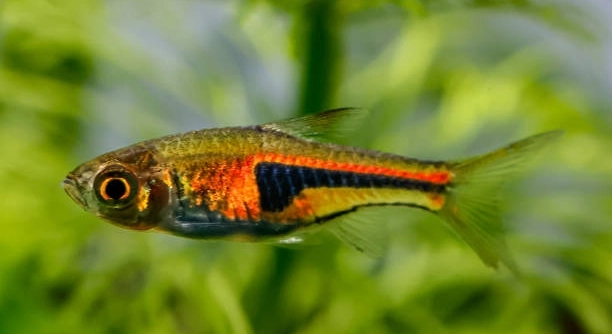
Do your rasboras sometimes appear startled or skittish when you turn the tank lights on or off? Sudden changes in lighting can affect their behavior, making them dart around or hide more than usual.
Rasboras are sensitive to abrupt light shifts, which can trigger stress responses and alter their normal swimming and feeding patterns. Gradual transitions or using dimmers helps maintain a stable environment, supporting their overall health and comfort.
Learning how to manage lighting effectively ensures your rasboras feel safe and thrive in their tank environment. Proper light adjustments benefit both their behavior and long-term well-being.
How Sudden Light Changes Affect Rasboras
Rasboras are naturally timid fish that rely on consistent environmental cues to feel safe. Sudden changes in tank lighting can startle them, causing rapid swimming, hiding, or clustering near plants and decorations. This reaction is linked to their instinctive need to avoid predators, even in a home aquarium. Sudden brightness can disrupt their daily rhythm, interfering with feeding and resting patterns. Over time, frequent startling may increase stress hormones, impacting their immune system and making them more prone to illness. Observing their behavior after switching lights can help you understand their comfort levels and identify stressful conditions. Using gradual light changes or a timer can mimic natural dawn and dusk, helping rasboras adapt smoothly. Including shaded areas and plants allows them to retreat when lights shift, providing a sense of security. Consistency in light schedules promotes healthier, calmer fish that are easier to care for.
Gradual lighting changes reduce stress and support rasboras’ natural behavior. They adjust better when transitions are slow and predictable.
Creating a stable light environment benefits both their activity and overall well-being. Maintaining dimmed periods and predictable schedules allows rasboras to feel secure. When you add plants or floating decorations, they gain spots to hide and rest. This setup encourages normal swimming, feeding, and social interaction. Observing them closely after light adjustments helps you notice subtle signs of stress, so you can fine-tune the environment. Even simple changes, like a timer or indirect lighting, can make a significant difference. Over time, a calm, predictable tank routine improves their health and reduces unnecessary stress. Your careful attention ensures rasboras remain lively, comfortable, and thriving in their habitat.
Tips for Adjusting Tank Lights
Start with short, gradual light transitions before extending the duration to full brightness.
Slow, incremental light changes help rasboras acclimate. Using timers or dimmers prevents sudden shifts, allowing their eyes and behavior to adjust naturally. Shaded areas or plants provide hiding spots, giving them control over exposure. Adjusting lights in small steps fosters a secure and stable tank environment. Consistency in this approach reduces stress responses and promotes regular swimming and feeding patterns. Over time, these simple adjustments create a calm tank atmosphere where rasboras feel safe and can display natural behaviors, enhancing both their health and your ability to care for them effectively. Regularly observing their reactions to these changes ensures the lighting setup meets their needs without causing unnecessary stress. This method supports long-term well-being and contributes to a harmonious aquatic environment.
Minimizing Stress During Light Changes
Keeping the tank lights consistent helps rasboras feel secure. Sudden bright lights can trigger hiding, erratic swimming, or reduced feeding, which can affect their overall health.
Providing a gradual light transition is effective. Using a timer allows the tank to simulate natural sunrise and sunset, preventing sudden shocks to the fish. Floating plants or decorations create shaded areas where rasboras can retreat, making them feel safe. Observing their behavior during light shifts helps identify stress points. Simple adjustments, like dimming over several minutes, reduce sudden changes and keep their routine predictable, supporting both activity and rest patterns.
Regular observation ensures adjustments meet their needs. Over time, maintaining a calm light schedule improves their swimming, feeding, and social interactions. Incorporating small hiding spots and predictable light routines encourages healthy behavior. Rasboras thrive in environments that feel secure, and careful attention to light changes prevents unnecessary stress. Gradual transitions, shaded areas, and consistent schedules allow them to feel comfortable while maintaining natural daily rhythms.
Choosing the Right Lighting Intensity
Moderate light intensity suits rasboras best. Bright lights can cause stress, while dim lighting supports natural behavior and comfort.
Selecting adjustable lighting is ideal for controlling intensity. LED lights with dimming options let you fine-tune brightness, reducing the risk of startling the fish. Gradual adjustments prevent stress and allow the eyes and behavior of rasboras to adapt smoothly. Positioning lights to avoid direct glare while providing evenly distributed illumination creates a balanced environment. Combining these adjustments with plants or floating decorations ensures fish have retreat areas, contributing to their well-being. Controlled intensity supports feeding, swimming, and resting patterns.
Paying attention to light placement and intensity affects more than visibility. Too much brightness can increase stress, while too little may impact activity levels and feeding habits. Adjustable lights allow fine control, creating a stable environment for daily routines. Shaded areas provide a safe space to hide, enhancing comfort. Observing their response to brightness helps refine settings over time. A well-balanced lighting setup supports calm, active, and healthy rasboras, improving overall tank harmony and reducing stress-related behaviors, making their environment more natural and secure.
Gradual Light Adjustments
Introducing light changes slowly reduces stress in rasboras. Sudden shifts can cause hiding, erratic swimming, or decreased feeding, while gradual adjustments help them adapt comfortably.
Using a timer or dimmer is effective. Even small incremental changes mimic natural sunrise and sunset, allowing fish to adjust their behavior and feel secure in the tank environment.
Benefits of a Predictable Light Schedule
Consistent light schedules support rasboras’ natural rhythms. Regular on and off times help regulate feeding, resting, and swimming patterns. Predictable lighting reduces stress, improves immune function, and encourages social behavior among the fish. When lights follow a routine, the tank environment feels stable, which contributes to healthier, calmer rasboras that thrive over time.
Providing Hiding Spots
Plants and decorations offer refuge during light changes. These areas allow rasboras to feel safe and reduce stress.
FAQ
How quickly can I change the tank lights for rasboras?
Rasboras respond best to gradual changes. Switching lights on or off suddenly can startle them and cause stress. A transition period of five to ten minutes is usually sufficient. Using a timer or dimmer allows the tank to slowly reach full brightness or darkness, which mimics natural conditions. Gradual adjustments reduce erratic swimming, hiding, and decreased feeding behavior. If you notice fish darting or hiding frequently, it may be a sign the change is still too abrupt. Observing their behavior and adjusting the timing ensures a smoother transition and keeps them comfortable.
Do rasboras prefer dim or bright lighting?
Rasboras generally thrive under moderate lighting. Extremely bright lights can stress them, while very dim conditions may reduce activity and feeding. Adjustable LED lights are ideal because you can control brightness based on their reactions. Floating plants or shaded areas can help balance the light intensity. The goal is to create an environment that feels safe while maintaining visibility. Moderate lighting encourages normal swimming patterns and reduces the chance of stress-induced behaviors. Over time, a stable lighting intensity allows rasboras to adapt naturally to the tank without sudden disruptions, supporting their health and activity levels.
Will sudden light changes harm my rasboras long-term?
Frequent abrupt light changes can lead to chronic stress, affecting immune function and growth. Stress may manifest as erratic swimming, hiding, or reduced appetite. Over time, this can increase susceptibility to diseases and reduce lifespan. Preventing sudden changes and maintaining a predictable light schedule promotes better overall health. Providing shaded areas and plants helps fish retreat during unexpected shifts. By creating a stable environment, you reduce long-term negative effects and support their natural behavior. Careful attention to light changes is one of the simplest ways to ensure your rasboras remain healthy and active for years.
How can I make light transitions feel natural?
Using timers or dimmers is the most effective method. Start with a lower brightness level and gradually increase or decrease over five to ten minutes. Mimicking dawn and dusk conditions helps rasboras feel more secure. Combining this with floating plants or decorations provides hiding spots, giving fish control over exposure. Observing their behavior during transitions allows you to adjust timing and intensity as needed. A natural-feeling light schedule encourages normal swimming, feeding, and resting patterns. Gradual, predictable changes reduce stress and create a comfortable environment for rasboras to thrive.
Is it necessary to provide shaded areas in the tank?
Yes, shaded areas are important for rasboras. Even with gradual light changes, fish need places to retreat when they feel stressed. Plants, floating decorations, or small structures offer these safe spaces. Hiding spots reduce anxiety and promote natural behavior, allowing rasboras to swim and feed without feeling threatened. Providing a mix of light and shaded areas helps them regulate exposure on their own. Over time, these spaces contribute to calmer, healthier fish, making it easier to maintain a stable and balanced tank environment.
Can too much light be as harmful as sudden changes?
Excessively bright lighting can increase stress similar to abrupt light shifts. It can trigger hiding, erratic swimming, or reduced feeding, affecting overall health. Controlled lighting with moderate intensity is key. Adjustable LEDs, combined with shaded areas, help maintain a safe and comfortable environment. Observing how fish respond to different brightness levels ensures you are providing suitable conditions. Too much light over extended periods can disrupt natural rhythms, but balancing intensity and timing helps rasboras remain active, calm, and healthy.
Should I adjust lighting based on the number of rasboras in the tank?
Tank population can influence light sensitivity. A densely populated tank may require more shaded areas to prevent stress, while fewer fish might tolerate slightly brighter conditions. Adjusting light intensity and duration according to tank setup ensures each fish has space to retreat if needed. Observing behavior and interactions helps determine whether additional hiding spots or dimming are necessary. Properly managing lighting based on tank density maintains a stable environment, supports feeding and swimming routines, and reduces stress-related issues among rasboras.
How do I know if my rasboras are stressed by lighting?
Signs of stress include hiding, darting, clinging to decorations, or reduced appetite. Sudden, frequent light changes often trigger these behaviors. Monitoring their daily routine after light adjustments provides insight into their comfort level. Gradual transitions, shaded areas, and consistent schedules usually reduce stress. Consistent observation allows you to fine-tune the lighting setup and maintain a calm, secure environment for rasboras, ensuring their long-term health and natural behavior patterns.
Are timers essential for maintaining a stable light environment?
Timers are highly recommended for consistency. They ensure lights turn on and off at the same times daily, reducing abrupt changes. This predictability helps rasboras adapt and maintain regular swimming, feeding, and resting patterns. Even simple timers with gradual dimming options create a natural-feeling cycle. Combining timers with shaded areas provides control over exposure, reducing stress and improving overall health. A regular light schedule is one of the most effective ways to support calm, active, and thriving rasboras in a home aquarium.
Can light schedules affect social behavior among rasboras?
Yes, stable lighting encourages social interaction. Sudden or overly bright lights may cause hiding, which interrupts schooling behavior. Gradual changes and predictable schedules allow them to swim together comfortably. Maintaining a balanced light environment promotes natural schooling, reduces stress, and ensures a healthy, active community within the tank. Observing their reactions helps refine the lighting routine for optimal social behavior and overall well-being.
Rasboras are sensitive fish that respond strongly to changes in their environment. One of the most noticeable factors affecting their behavior is lighting. Sudden changes, whether the lights are switched on or off too quickly, can startle them and trigger hiding, erratic swimming, or reduced feeding. These reactions are not just temporary; repeated stress from abrupt light shifts can affect their overall health. Maintaining a consistent and gradual light schedule helps rasboras feel secure, allowing them to display natural behaviors. Using timers or dimmers is an effective way to mimic the natural progression of daylight, creating a more comfortable environment for them.
Providing shaded areas in the tank is equally important. Plants, floating decorations, or small structures give rasboras places to retreat when they feel stressed. These hiding spots allow them to regulate their exposure to light on their own, which helps reduce anxiety. A mix of bright and shaded areas ensures that each fish can choose where to be based on its comfort level. Observing how rasboras react to changes in lighting and adjusting the tank setup accordingly helps support their well-being. Over time, a stable environment with gradual light transitions and accessible hiding spots promotes calmer behavior, better feeding, and more consistent swimming patterns.
Ultimately, careful attention to lighting is a simple yet effective way to support rasboras’ health and happiness. Gradual transitions, moderate intensity, and shaded areas work together to create a secure and predictable environment. Maintaining a consistent light schedule benefits not only individual fish but also the overall dynamics of the tank, encouraging social interaction and natural schooling behavior. By making small adjustments, such as using a timer or adding plants, you can significantly reduce stress and improve quality of life for your rasboras. Consistency, observation, and a thoughtful approach to light management are key to ensuring your fish thrive in their home aquarium.

Hello,
If you enjoy the content that we create, please consider saying a "Thank You!" by leaving a tip.
Every little bit helps us continue crafting quality advice that supports the health, happiness, and well-being of pets around the world, for pets of all shapes, sizes, and species.
We really appreciate the kindness and support that you show us!