
Healthy fish often display certain behaviors early in the day that can indicate their overall well-being. Observing their morning routine can provide insight into their health and environment without requiring complicated tests or equipment.
Seven key morning habits can signal healthy fish. Regular activity, consistent feeding responses, vibrant coloration, smooth swimming patterns, clean fins, clear eyes, and appropriate social interactions all reflect optimal physical condition and environmental balance in aquarium or pond settings.
Recognizing these signs early can help maintain your fish’s health and prevent potential problems before they escalate. Careful observation is essential for a thriving aquatic environment.
Active Swimming Patterns
Healthy fish often start their mornings with active swimming. They move smoothly through the water, exploring their surroundings without signs of fatigue or hesitation. This behavior shows that their muscles and fins are functioning properly and that they are comfortable in their environment. Observing them at different water levels can give insight into their overall vitality and energy. Fish that dart around in bursts and then glide calmly are usually maintaining a good balance between activity and rest. Consistent movement is also a sign that their habitat meets their oxygen and space needs. Slow or erratic swimming can indicate stress, illness, or poor water quality, which may require immediate attention. Monitoring swimming patterns over several days provides a clear picture of each fish’s health, allowing for timely interventions when deviations occur. This daily observation is an essential practice for maintaining a thriving aquarium or pond ecosystem.
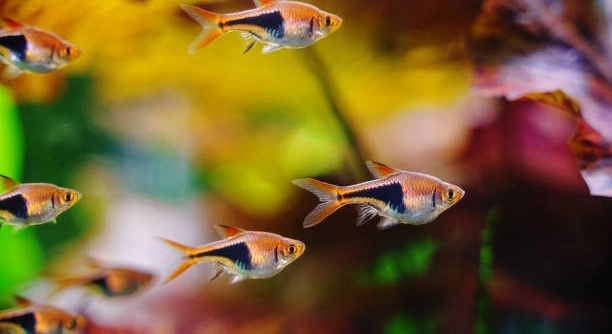
Active swimming in the morning often reflects that fish are comfortable and energetic, indicating good health and proper environmental conditions.
Observing fish as they swim provides more than just reassurance about their vitality. Active movement helps distribute nutrients throughout the tank and prevents the buildup of debris. Fish that swim confidently are also less likely to suffer from stress-related illnesses, as regular activity supports immune function. It is important to note the variety in swimming patterns, as some species naturally glide while others dart frequently. Comparing behavior across individuals can reveal subtle differences that indicate health issues early. A structured morning observation routine can help catch problems before they worsen. Maintaining clean water, balanced feeding, and proper temperature ensures that swimming remains consistent and lively. Over time, recognizing these patterns will make it easier to spot irregularities, creating a more stable and harmonious environment for all aquatic inhabitants.
Responsive Feeding Behavior
Fish that respond quickly to food in the morning are typically healthy and alert. They swim towards the offered feed without hesitation, demonstrating strong senses and hunger cues.
Consistent feeding responses show proper digestion and energy levels, which are crucial indicators of overall health and well-being in fish.
Monitoring how fish react during feeding times can reveal much about their physical and mental state. Healthy fish quickly identify and consume food, which reflects normal metabolic function and a balanced diet. Variations in appetite, such as ignoring food or appearing lethargic during feeding, may signal illness or stress, prompting timely adjustments in care. Feeding routines also influence social dynamics within a tank, as more assertive fish might dominate resources, while shy individuals may need targeted feeding strategies to ensure proper nutrition. Ensuring that food is appropriate for each species helps maintain optimal health and encourages positive morning activity. Over time, observing feeding responses allows caretakers to detect patterns, prevent nutritional deficiencies, and maintain a stable environment that supports the long-term vitality of all fish.
Vibrant Coloration
Healthy fish display bright and consistent coloration in the morning. Their scales reflect light evenly, showing no dull patches or unusual discoloration, which indicates proper nutrition and low stress levels.
Vibrant colors are a direct reflection of overall health and diet quality. Fish that maintain strong pigmentation generally receive the right balance of vitamins and nutrients. Pale or faded areas may indicate illness, poor water conditions, or insufficient feeding. Observing the intensity of color during morning activity provides a reliable measure of well-being, as fish tend to show their natural vibrancy when they are most active. Consistent lighting can also help monitor changes accurately over time.
Coloration can also reflect environmental comfort. Fish with vivid patterns usually feel secure in their surroundings, while muted tones may result from stress or illness. Regularly checking morning coloration allows caretakers to spot subtle changes early, supporting timely interventions that improve both appearance and health.
Clear Eyes
Clear and bright eyes in the morning indicate fish are healthy and alert. Cloudy or bulging eyes often signal infection, poor water quality, or nutritional deficiencies.
Healthy eyes allow fish to navigate, hunt, and interact with their environment efficiently. Cloudiness can result from bacterial infections, physical injury, or high ammonia levels in the water. Monitoring eye clarity consistently helps catch issues before they worsen, ensuring timely care and treatment.
Eye health is closely tied to overall well-being. Proper diet, clean water, and appropriate lighting support sharp, clear eyes. Fish with good vision display more confident swimming and accurate feeding behavior. Early detection of changes in eye condition can prevent serious health problems, supporting a long, active life in a safe aquatic environment.
Smooth Fins
Smooth, intact fins without fraying or tears indicate healthy fish. Torn or clamped fins can signal stress, injury, or infection, making regular observation important.
Fins that move freely during swimming show proper muscle function and overall vitality. Healthy fins are essential for balance, maneuvering, and avoiding collisions in the tank or pond.
Proper Social Interaction
Fish that interact appropriately with others demonstrate good health. Aggressive or overly shy behavior may indicate stress or illness. Observing how fish communicate and maintain territory can reveal physical and mental well-being.
Consistent Morning Activity
Fish that consistently follow a morning routine, such as swimming, feeding, or exploring, are generally healthy. Irregular or lethargic behavior often signals environmental or health issues. Monitoring daily activity ensures early detection of potential problems.
Clean Habitat
A clean tank or pond supports fish health by preventing harmful bacteria and toxins. Regular maintenance reduces stress and promotes natural behavior.
FAQ
How can I tell if my fish is healthy?
Healthy fish show active swimming, bright coloration, clear eyes, and smooth fins. They respond quickly to food, interact properly with other fish, and follow a consistent daily routine. Observing these behaviors in the morning provides a reliable indication of their overall well-being.
Why is morning behavior important for fish?
Morning behavior reflects how fish recovered overnight and how they are adjusting to their environment. Active movement, feeding response, and social interaction at the start of the day can reveal potential health issues before they become serious. Monitoring these signs regularly helps maintain a stable, thriving habitat.
What does it mean if my fish isn’t eating in the morning?
A lack of appetite may indicate stress, illness, or improper water conditions. Check water temperature, quality, and diet to ensure they are appropriate for the species. Consistently observing feeding behavior helps detect subtle changes early, allowing for timely intervention.
How often should I check my fish’s fins and scales?
Daily observation is recommended. Smooth, intact fins and evenly colored scales signal good health. Tears, fraying, or discoloration may suggest disease, poor water quality, or aggression from tank mates. Early detection prevents further complications and supports overall well-being.
Can water quality affect morning habits?
Yes. Poor water conditions, including high ammonia or nitrite levels, low oxygen, or improper temperature, can impact swimming patterns, coloration, and feeding response. Regular testing and maintenance are crucial to ensure that fish remain healthy and display normal morning behaviors.
What is a normal social interaction for fish?
Healthy fish display balanced social behavior. They may explore together, maintain territories, or interact without excessive aggression. Shyness, hiding, or constant chasing can indicate stress or health issues. Observing these interactions in the morning helps understand their mental and physical condition.
How do I maintain consistent morning activity?
Provide a stable environment with proper lighting, feeding schedule, and water conditions. Regular observation and timely adjustments encourage natural routines. Fish that feel secure and well-cared for are more likely to exhibit predictable and active morning habits.
What should I do if I notice abnormal behavior?
Identify possible causes such as water quality, diet, or illness. Isolate affected fish if needed and adjust their environment. Prompt action prevents problems from spreading and ensures the long-term health of your fish. Regular morning checks make it easier to spot abnormalities.
Are bright colors always a sign of health?
While vibrant coloration usually indicates good health, some species naturally change shades due to stress, breeding, or environmental factors. Consistency in brightness and pattern, along with other healthy behaviors, provides a more reliable assessment than color alone.
How long should I observe my fish in the morning?
A few minutes each morning is often enough to note key behaviors like swimming patterns, feeding response, and social interaction. Consistent daily observation allows you to track changes over time, ensuring early detection of potential health issues.
Does diet influence morning habits?
Yes. Balanced nutrition supports energy levels, coloration, and appetite. Fish with proper diets are more active, responsive, and display natural behavior in the morning. Regularly providing the right type and amount of food is crucial for maintaining their health.
Can stress affect morning activity?
Stress reduces swimming activity, dulls coloration, and may alter feeding behavior. Causes include overcrowding, aggressive tank mates, or sudden changes in water quality. Reducing stress through a stable environment encourages healthy, predictable morning routines.
How do I differentiate between normal and abnormal behavior?
Compare current behaviors to typical patterns observed over time. Sudden changes, such as lethargy, clamped fins, or poor appetite, may indicate health problems. Documenting observations helps identify trends and respond appropriately to maintain fish well-being.
How often should I clean the tank to support healthy habits?
Regular maintenance, including partial water changes, substrate cleaning, and filter checks, supports natural behavior and prevents illness. A clean habitat encourages swimming, feeding, and social interaction while reducing the risk of stress-related problems.
What role does lighting play in morning habits?
Consistent lighting helps regulate natural circadian rhythms. Proper light intensity and duration encourage normal swimming, feeding, and social activity. Gradual transitions between dark and light periods reduce stress and support overall health.
Can multiple fish species coexist without affecting morning habits?
Yes, if species are compatible in temperament, size, and environmental needs. Incompatible pairings can lead to stress, aggression, or altered feeding patterns. Observing morning interactions helps identify compatibility issues early and maintain a harmonious habitat.
How do I encourage shy fish to show normal behavior?
Provide hiding spots, gradual exposure to light, and consistent feeding. Over time, shy fish often become more confident, displaying typical swimming and feeding habits. Patience and observation are key to supporting their comfort and health.
Is it normal for fish to rest during the morning?
Short periods of rest are normal, but prolonged inactivity or hiding may indicate stress or illness. Monitoring patterns over time helps distinguish between natural rest and potential health concerns.
How can I track changes in behavior effectively?
Keep a daily log of swimming patterns, feeding responses, coloration, and social interactions. Documenting observations helps identify subtle changes, supporting timely interventions and long-term health management.
What other signs should I watch for in the morning?
Look for consistent breathing, clean habitat exploration, and smooth interactions. Any irregularities in movement, appetite, or appearance may indicate underlying issues that need attention. Early observation supports a healthy and thriving environment.
How quickly should I act if I notice health issues?
Prompt action is essential. Address water quality, diet, or illness immediately to prevent deterioration. Early intervention often leads to faster recovery and maintains the overall stability of the tank or pond environment.
Observing your fish in the morning provides valuable insight into their overall health. Simple habits like swimming actively, responding to food, and interacting properly with other fish can reveal whether they are thriving in their environment. Regular observation allows you to notice subtle changes before they develop into serious problems. Fish that maintain consistent behavior over time usually indicate that their diet, water quality, and social environment are all suitable for their needs. By paying attention to these small details each morning, you create a routine that not only helps you monitor their well-being but also strengthens your understanding of their natural behavior. Over time, these observations become a reliable tool for maintaining a stable and healthy aquarium or pond.
Maintaining a healthy habitat is just as important as observing behavior. Clean water, proper lighting, and balanced feeding schedules support the natural routines of fish. Changes in these conditions can quickly affect their morning habits, from swimming patterns to feeding responses. For example, poor water quality can cause lethargy or clamped fins, while an inadequate diet may lead to dull coloration or decreased activity. By combining careful observation with regular maintenance, you can address potential issues before they impact the overall health of your fish. Small adjustments, such as partial water changes, introducing hiding spots, or adjusting light schedules, often make a significant difference in how fish behave and feel. Paying attention to their environment and routines ensures that fish remain active, vibrant, and comfortable in their habitat.
Consistency and patience are key to understanding your fish and keeping them healthy. Morning observations should become a regular practice rather than a one-time check. Tracking behavior, social interactions, feeding responses, and physical appearance over days and weeks helps create a clear picture of each fish’s condition. Noticing patterns and minor deviations allows for timely interventions, whether adjusting water conditions, addressing stress, or correcting dietary deficiencies. Healthy fish are often predictable in their habits, and recognizing what is normal for each species makes it easier to identify potential problems early. By committing to daily observation and proper habitat care, you foster an environment where fish can thrive, displaying natural behaviors, vibrant colors, and consistent activity. This approach not only benefits the fish but also enhances your experience as a caretaker, giving you confidence that your aquatic environment is well-maintained and your fish are healthy.

Hello,
If you enjoy the content that we create, please consider saying a "Thank You!" by leaving a tip.
Every little bit helps us continue crafting quality advice that supports the health, happiness, and well-being of pets around the world, for pets of all shapes, sizes, and species.
We really appreciate the kindness and support that you show us!