
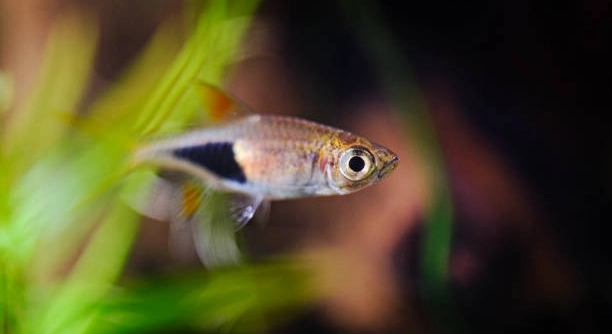
Rasboras are small, peaceful fish that brighten any freshwater tank with their shimmering colors. Many aquarium enthusiasts enjoy keeping them, but compatibility with other fish, especially larger species like goldfish, is a common concern.
Rasboras can coexist with goldfish under specific conditions, including sufficient space, stable water parameters, and careful monitoring of feeding practices. Ensuring these factors helps minimize stress and potential health risks for both species.
Maintaining harmony in a mixed tank requires attention to detail and thoughtful planning to support the well-being of every fish. Proper preparation can make cohabitation safer and more enjoyable.
Understanding Rasbora and Goldfish Behavior
Rasboras are small, agile fish that prefer calm, stable environments. Goldfish, on the other hand, grow larger and are more active, often disturbing the tank substrate as they search for food. This difference in behavior can lead to stress for rasboras if their swimming space is constantly disrupted. Rasboras tend to stay in schools, which helps them feel secure, while goldfish are generally solitary feeders, sometimes consuming more than their share. Tank setup plays a major role in cohabitation. Providing dense plants and hiding spaces allows rasboras to escape if they feel threatened. Filtration is also important because goldfish produce a significant amount of waste, which can quickly affect water quality. Monitoring water parameters such as ammonia, nitrite, and nitrate levels ensures both species remain healthy. With careful attention to behavior and environment, cohabitation can work, but it requires effort and observation to maintain balance.
Proper tank design reduces conflict and keeps both species safe and comfortable.
Rasboras benefit from structured areas in the tank where they can swim freely without constant interference. Dense planting, driftwood, and rocks create hiding spots, reducing stress from larger tank mates. Separating feeding areas can prevent competition, ensuring all fish receive adequate nutrition. Consistent water changes and careful monitoring of water parameters are essential, as goldfish produce more waste than rasboras, which can quickly deteriorate water quality. Even slight shifts in temperature or pH can affect rasboras more than goldfish due to their sensitivity. Observing the tank daily allows for early detection of aggression or illness, helping prevent serious problems. Cohabitation is possible when the tank is spacious enough, ideally exceeding 30 gallons for a small group of rasboras and one or two goldfish. The goal is to balance activity levels, dietary needs, and environmental conditions so that both species can thrive.
Tank Requirements for Safe Cohabitation
A spacious tank is critical to support both goldfish and rasboras comfortably.
A minimum of 30 gallons with stable filtration is recommended. Regular water changes, adequate hiding spaces, and careful monitoring of feeding routines create a balanced environment. Goldfish growth and activity levels must always be considered to prevent stress or accidental harm to smaller tank mates. Maintaining temperature between 70 and 75°F supports both species, while keeping ammonia and nitrite at zero prevents illness. Lighting should mimic natural day cycles, allowing rasboras to feel secure while encouraging natural behavior. Choosing a sandy or smooth substrate reduces the risk of injury from goldfish digging. Live plants not only provide hiding spots but also assist in maintaining water quality by absorbing nitrates. When introducing new fish, acclimation should be slow to prevent shock. With consistent attention to these requirements, cohabitation becomes manageable, minimizing risk and promoting a healthy, peaceful aquarium environment.
Feeding and Diet Considerations
Rasboras eat small flakes, micro-pellets, and occasional live foods. Goldfish require larger flakes or pellets and more quantity. Feeding both species together can be tricky without overfeeding or leaving smaller fish hungry. Careful portioning is essential.
Feeding rasboras and goldfish together requires attention to size and type of food. Goldfish often outcompete smaller rasboras if food is offered in the same spot, so spreading food around the tank helps. Supplementing rasboras with live or frozen foods ensures they get proper nutrition. Goldfish benefit from sinking pellets, which prevent them from gulping all surface flakes. Maintaining a consistent feeding schedule reduces stress and promotes healthy growth for both species. Observing how each fish eats allows adjustments and prevents overfeeding or nutrient deficiencies.
Regularly monitoring feeding behavior is important to prevent aggression and ensure that smaller fish like rasboras receive enough nutrients. Providing separate feeding areas can reduce competition. Both species thrive when their dietary needs are met without causing water quality issues.
Water Quality and Maintenance
Maintaining clean water is critical, as goldfish produce more waste than rasboras. Proper filtration and frequent water changes keep ammonia and nitrite levels safe.
Water quality directly affects the health of both species. Rasboras are sensitive to changes in ammonia, nitrites, and nitrates, while goldfish tolerate minor fluctuations better. Installing a strong filter capable of handling goldfish waste helps maintain stable water conditions. Weekly water changes of 25–30 percent prevent buildup of harmful compounds. Testing water regularly ensures parameters stay within safe ranges. Temperature should remain stable, ideally between 70 and 75°F, to support both species. Aeration improves oxygen levels, which is especially important in tanks housing more active goldfish. Monitoring water hardness and pH helps reduce stress for rasboras, keeping them vibrant and healthy.
Proper maintenance includes not just filtration but also substrate cleaning and plant care. Uneaten food and waste should be removed to prevent spikes in toxins. Live plants assist with nitrate absorption, while regular testing keeps all water parameters within safe limits. Using gentle equipment prevents stress, and creating a maintenance schedule ensures consistent care. Balancing the needs of both species requires dedication, but it significantly improves their health and longevity in a shared tank.
Tank Size and Space Requirements
Rasboras need plenty of swimming space, while goldfish grow larger and require more room. A minimum of 30 gallons is recommended, with extra space for each additional fish. Overcrowding increases stress and the risk of disease.
Providing vertical and horizontal swimming areas helps reduce tension. Dense plants and decorations create hiding spots for rasboras, allowing them to avoid larger, more active goldfish. Space management ensures both species can thrive without constant competition or injury.
Temperature Compatibility
Rasboras prefer slightly warmer water, around 72–78°F, while goldfish tolerate cooler temperatures. A mid-range temperature around 74°F works well for both species. Maintaining stable temperatures reduces stress and supports overall health, preventing disease outbreaks and promoting natural behavior.
Observing Behavior
Regular observation is necessary to ensure peaceful interaction. Aggressive chasing or nipping by goldfish should be addressed immediately. Monitoring allows early intervention to prevent injury, stress, or health issues.
Tank Setup Tips
Arranging plants, driftwood, and rocks provides security for rasboras. Goldfish benefit from open swimming areas. Proper layout reduces conflicts and supports healthy cohabitation.
FAQ
Can rasboras live with goldfish long-term?
Rasboras can live with goldfish if tank conditions are carefully managed. They require hiding spaces, a stable temperature, and consistent water quality. Goldfish grow large and produce significant waste, so frequent water changes and strong filtration are essential. Overcrowding or poor management can lead to stress, illness, or early death for rasboras.
Do goldfish eat rasboras?
Goldfish are not typically aggressive predators, but they may accidentally injure or eat smaller rasboras, especially when food is scarce or the tank is too small. Providing ample space, hiding spots, and carefully monitored feeding routines helps minimize this risk. Observation is key to ensuring all fish remain safe.
What tank size is ideal for both species?
A minimum of 30 gallons is recommended for a small group of rasboras and one or two goldfish. Larger tanks are better, as they reduce stress and competition. Additional space allows for proper plant placement, hiding spots, and swimming areas for all fish, supporting their health and natural behavior.
How should I feed rasboras and goldfish together?
Separate feeding areas work best. Rasboras eat small flakes, micro-pellets, or live foods, while goldfish need larger pellets or flakes. Spreading food around the tank ensures rasboras receive adequate nutrition without goldfish consuming everything. Monitoring feeding habits helps prevent overfeeding and maintains water quality.
What water parameters are necessary for cohabitation?
Ammonia and nitrite levels must remain at zero, and nitrates should be low. Temperature around 72–75°F works for both species. Goldfish are more tolerant of fluctuations, but rasboras are sensitive. Filtration, water changes, and regular testing are essential to maintain safe conditions. Stable pH and hardness also reduce stress.
Can goldfish stress rasboras?
Yes, goldfish can stress rasboras through excessive activity, chasing, or disturbance of tank plants. Dense vegetation and hiding spots help rasboras feel secure. Observing behavior daily allows early detection of stress, so adjustments in feeding, tank layout, or population can be made to maintain harmony.
How often should water be changed?
Weekly water changes of 25–30 percent are recommended to remove waste, especially from goldfish. Regular cleaning prevents spikes in ammonia or nitrite and maintains nitrate at safe levels. Vacuuming substrate during water changes helps remove uneaten food and debris that could otherwise compromise water quality.
Are live plants necessary for this setup?
Live plants are highly beneficial. They provide hiding spots for rasboras, reduce stress, and help absorb nitrates from goldfish waste. Hardy plants like Java fern, Anubias, and Vallisneria are suitable. Proper placement creates both open swimming areas for goldfish and shelter for rasboras, reducing conflicts and promoting natural behavior.
What signs indicate problems in the tank?
Signs of stress or poor health include rapid gill movement, loss of color, hiding excessively, or reduced appetite in rasboras. Goldfish may show lethargy or unusual swimming patterns. Early detection allows intervention through water changes, dietary adjustments, or temporary separation of fish if necessary.
Is it necessary to separate them at night?
Separation is usually not required if hiding spaces and tank layout are adequate. Rasboras will naturally find shelter, and goldfish tend to be less active at night. Observation during the day ensures no constant harassment, reducing the need for nighttime separation.
Can juvenile goldfish coexist better than adults?
Yes, smaller goldfish are less likely to disturb or harm rasboras. However, as goldfish grow, tank size and structure must be adjusted. Planning for adult size helps prevent overcrowding, stress, and accidental injuries. Gradual introduction of both species allows them to acclimate safely.
What equipment is essential for their tank?
A high-capacity filter, reliable heater, thermometer, water testing kits, and gentle aeration are essential. Decorations, driftwood, and live plants provide shelter. Substrate should be smooth to prevent injury from goldfish digging. Proper equipment ensures water quality, safety, and comfort for both species.
How do I acclimate new fish to this tank?
Float new fish in sealed bags for 20–30 minutes to adjust to temperature. Gradually mix tank water into the bag over 15–20 minutes to reduce stress. After acclimation, release fish gently into the tank, giving them time to explore and find hiding spaces. Observation for the first few days is crucial.
What common mistakes should be avoided?
Overcrowding, insufficient hiding spots, poor filtration, and inconsistent feeding are common errors. Ignoring water quality or temperature fluctuations also harms rasboras. Planning tank size, monitoring behavior, and maintaining routine care prevent problems and support a healthy environment for both species.
Can decorations or substrates harm the fish?
Sharp decorations or rough substrates can injure rasboras during escapes or goldfish digging. Smooth stones, driftwood, and non-toxic decorations are safest. Live plants provide additional protection while enhancing tank aesthetics. Proper layout reduces accidents and supports safe cohabitation.
Are there compatible rasbora species for goldfish tanks?
Harlequin and chili rasboras adapt better due to their small size and peaceful nature. Larger or more delicate species may struggle with goldfish activity. Choosing hardy, schooling species increases the likelihood of successful cohabitation.
How do I prevent overfeeding?
Feed measured amounts once or twice daily. Remove uneaten food after a few minutes to prevent water pollution. Observing feeding behavior ensures all fish get enough nutrition without compromising water quality, especially when goldfish and rasboras share a tank.
Can stress lead to disease?
Yes, stressed rasboras are more susceptible to infections like ich or fin rot. Maintaining hiding spaces, proper diet, stable water parameters, and peaceful tank conditions reduces stress and supports immune health, promoting longevity for both species.
How do I know if my tank is large enough?
Both species should have room to swim freely without frequent collisions. Observing behavior and providing at least 10 gallons per goldfish plus extra for rasboras ensures comfort. Growth of goldfish must be accounted for to prevent overcrowding as they mature.
Is tank lighting important?
Moderate lighting supports plant growth and natural behavior in rasboras. Avoid overly bright light, which can stress smaller fish. A consistent day-night cycle encourages normal activity, feeding, and resting patterns, helping maintain harmony in the tank.
How often should I test water parameters?
Weekly testing for ammonia, nitrite, nitrate, pH, and temperature is recommended. Additional tests may be needed after changes in stocking, feeding, or maintenance. Consistent monitoring prevents problems before they impact fish health, ensuring a stable environment for both species.
What should I do if aggression occurs?
Rearranging plants or adding more hiding spots can reduce aggression. If problems persist, temporarily separating aggressive individuals or increasing tank size may be necessary. Early intervention prevents injury, stress, and long-term health issues in rasboras or goldfish.
Can I use decorations for feeding separation?
Yes, placing feeding areas behind plants or rocks allows rasboras to eat safely while goldfish feed elsewhere. This reduces competition and ensures balanced nutrition for both species without overfeeding or stress.
Are water conditioners necessary?
Water conditioners remove chlorine, chloramines, and heavy metals from tap water, making it safe for both species. Using conditioners during water changes protects sensitive rasboras and reduces stress, supporting overall health.
How do I manage algae growth?
Algae can be controlled with moderate lighting, regular cleaning, and live plants that compete for nutrients. Overfeeding and poor water quality increase growth. Maintaining balance prevents stress and preserves tank aesthetics, benefiting all fish.
What signs indicate overfeeding?
Cloudy water, uneaten food, and increased waste are common indicators. Overfeeding can lead to poor water quality and health issues for rasboras. Reducing portions and removing leftovers helps maintain a clean, safe environment.
Can I mix other small fish with this setup?
Yes, peaceful species like tetras or danios may be compatible if tank size and hiding spots are adequate. Avoid aggressive or much larger species that may harm rasboras. Careful selection supports harmony and reduces stress.
Is quarantine necessary for new fish?
Yes, quarantining new fish for 2–3 weeks prevents disease introduction. Observing health, behavior, and feeding during this period protects existing rasboras and goldfish, ensuring a safe and stable tank environment.
How long does it take for them to adjust?
Adjustment usually takes several days to a few weeks. Providing stable conditions, hiding spots, and careful feeding helps both species acclimate and reduces stress during the transition period.
Can temperature swings harm them?
Yes, sudden changes in temperature can stress rasboras more than goldfish. Gradual adjustments and stable heating prevent immune suppression, maintain activity levels, and support overall health for both species.
Are floating plants beneficial?
Yes, floating plants provide shade and shelter, helping rasboras feel secure. They also reduce light intensity and improve water quality by absorbing excess nutrients, benefiting the entire tank ecosystem.
How do I prevent disease spread?
Regular water changes, proper filtration, quarantine of new fish, and observation reduce disease risk. Maintaining a clean, balanced environment and addressing issues promptly protects both species from illness.
Can rasboras and goldfish breed in the same tank?
Breeding is unlikely to be successful due to temperature and behavior differences. Goldfish may disturb rasboras during spawning. Separate breeding tanks are recommended if reproduction is desired.
What is the best way to introduce them?
Introduce rasboras first, allowing them to establish territory and hiding spots. Gradually add goldfish, observing interactions closely. This approach reduces stress and helps maintain peaceful cohabitation.
How important is tank cover?
A secure lid prevents fish from jumping and reduces evaporation. It also keeps the tank environment stable and safe for both species.
Can I use artificial plants instead of live ones?
Yes, artificial plants provide shelter and reduce stress, but they do not absorb nitrates. Live plants offer additional benefits for water quality, so a combination is ideal for cohabitation.
Should I adjust feeding based on activity levels?
Yes, active goldfish may need more food than slower rasboras. Observing behavior ensures appropriate portions, preventing overfeeding and maintaining water quality for both species.
What is the ideal pH range?
A pH between 6.8 and 7.5 suits both species. Consistency is more important than exact numbers. Sudden shifts can stress rasboras and compromise health.
How do I handle aggressive goldfish?
Adding hiding spaces, rearranging tank layout, or temporary separation helps. Addressing aggression early prevents injury or chronic stress, supporting the well-being of rasboras.
Can overcrowding cause long-term health issues?
Yes, overcrowding increases stress, competition for food, and waste buildup, leading to disease, stunted growth, or early mortality. Adequate space is essential for long-term health and peaceful cohabitation.
Is supplemental aeration necessary?
Aeration improves oxygen levels, especially in tanks with more active goldfish. Bubblers or filters that create surface agitation help maintain sufficient oxygen for both species.
How do I maintain harmony during feeding?
Use multiple feeding spots, spread food, and monitor portions. Ensuring rasboras receive enough food without competition from goldfish prevents stress and supports growth and health.
What are early warning signs of stress?
Rapid gill movement, loss of color, hiding excessively, or erratic swimming indicate stress. Early intervention through tank adjustments or feeding management helps prevent health issues.
Can I keep other species with this setup?
Yes, small peaceful fish like tetras, guppies, or danios may work if space and hiding areas are sufficient. Avoid aggressive or much larger species to maintain harmony.
How do I manage growth differences?
Plan for adult size, especially with goldfish. Larger tanks, separate feeding spots, and sufficient hiding areas help accommodate growth differences and prevent stress or injury.
Is constant monitoring required?
Yes, daily observation of behavior, feeding, and water conditions ensures both species remain healthy and stress-free. Early detection of issues prevents major problems and supports long-term cohabitation.
How do I safely remove uneaten food?
Use a siphon or net to remove leftovers promptly. This prevents water quality issues, reduces algae growth, and protects the health of both rasboras and goldfish.
Can stress from goldfish lead to shortened lifespan for rasboras?
Yes, prolonged stress can weaken the immune system, making rasboras more vulnerable to disease and reducing lifespan. Proper tank setup, hiding spaces, and monitoring minimize this risk.
Are there warning signs of water quality problems?
Cloudy water, foul smell, or abnormal fish behavior often indicate poor water quality. Regular testing and maintenance prevent long-term damage and support a healthy tank.
How do I prevent accidental injuries?
Smooth substrates, careful decoration placement, and monitoring goldfish activity reduce accidental injury to smaller rasboras. Providing hiding spots and open swimming areas further protects them.
Can tank mates impact feeding behavior?
Yes, goldfish can dominate feeding areas, causing rasboras to miss meals. Multiple feeding spots and observation ensure balanced nutrition and prevent competition-related stress.
Is quarantine necessary for all new additions?
Yes, quarantine reduces the risk of introducing disease and allows observation of behavior and health before adding new fish to the main tank.
What maintenance schedule works best?
Weekly water changes, regular substrate cleaning, plant trimming, and daily observation maintain stability and health for both species. Consistency is key to preventing stress and disease.
Are Rasboras sensitive to light changes?
Yes, sudden or intense light can stress rasboras. Gradual light cycles and moderate intensity support natural behavior and comfort.
Do rasboras need schooling?
Yes, keeping rasboras in groups of six or more helps them feel secure and reduces stress from larger tank mates like goldfish.
Can water hardness affect their health?
Yes, extremely soft or hard water can stress rasboras. Maintaining moderate hardness suitable for both species supports overall well-being.
What is the best way to monitor tank harmony?
Observe daily for chasing, hiding, or aggression. Adjust decorations, feeding, or tank mates as needed to maintain a peaceful environment.
Are there health supplements for mixed tanks?
Occasional vitamin-enriched foods or live foods benefit immune health, especially for rasboras. Over-supplementing is unnecessary and can affect water quality.
How do I ensure goldfish do not outcompete rasboras?
Provide multiple feeding locations, monitor portion sizes, and observe behavior. Ensuring enough space and hiding areas allows rasboras to feed safely without interference.
Can stress from tank changes affect breeding?
Yes, environmental stress can prevent spawning in both species. Stable conditions, hiding spots, and minimal disturbance encourage natural behavior.
How long should water conditioning last after changes?
Add water conditioners immediately during water changes. Effects are immediate, but monitoring water quality over the next few hours ensures stability and safety.
Do rasboras need more hiding spots than goldfish?
Yes, smaller rasboras are more vulnerable to stress and occasional rough play. Plants, rocks, and driftwood provide security and reduce anxiety.
Is separate filtration ever necessary?
Usually not, but in overcrowded tanks or if water quality is difficult to maintain, an additional filter can help stabilize conditions and protect sensitive rasboras.
Can decorations cause territorial disputes?
Yes, rearranging decorations can reduce conflicts by creating distinct zones. Rasboras benefit from dense areas, while goldfish enjoy open spaces for swimming.
How do I monitor growth differences safely?
Track size differences over time. Ensure rasboras have escape routes and hiding areas to prevent stress or injury from larger goldfish.
What role do plants play in water quality?
Live plants absorb nitrates, produce oxygen, and provide shelter. They help maintain stable water conditions and support the health of both species.
Can goldfish disturb rasboras while resting?
Yes, active goldfish may interrupt resting periods. Dense vegetation and secure hiding areas allow rasboras to rest safely and reduce stress.
Are certain rasbora species better for beginners?
Harlequin and chili rasboras are hardy and adapt well to mixed tanks. Their peaceful nature and schooling behavior make them easier to manage with goldfish.
How do I prevent sudden water parameter changes?
Gradual water changes, stable heating, and careful conditioning prevent shocks. Monitoring and consistent maintenance ensure a safe environment for both species.
Can stress cause color fading in rasboras?
Yes, stressed rasboras may lose vibrancy. Stable water, hiding spaces, proper diet, and peaceful tank mates help maintain bright coloration and overall health.
Is tank location important?
Yes, placing the tank away from direct sunlight, drafts, or vibrations reduces stress. A stable environment supports natural behavior and comfort for both species.
How do I handle aggressive feeding behavior?
Feed in multiple locations, remove leftovers, and monitor portions. This reduces competition, ensures rasboras receive nutrition, and prevents overfeeding goldfish.
Can temperature fluctuations trigger illness?
Yes, sudden changes weaken the immune system, making both species more susceptible to infections. Gradual adjustments and stable heating maintain health.
How do I balance active goldfish with shy rasboras?
Provide open swimming areas for goldfish and dense plant zones for rasboras. Observation and layout adjustments reduce stress and support peaceful coexistence.
Are there seasonal care differences?
Yes, water temperature, feeding frequency, and plant growth may vary. Adjustments maintain stable conditions, preventing stress and health issues in both species.
Can overcrowding affect behavior long-term?
Yes, stress, aggression, and stunted growth may occur. Adequate space, hiding spots, and proper stocking prevent these issues and promote harmonious behavior.
How important is consistent maintenance?
Consistency in water changes, feeding, and observation prevents disease, stress, and environmental instability. It is crucial for the long-term health of both species.
Do rasboras need supplemental nutrition?
Occasional live or frozen foods support growth and immune health. Over-supplementing is unnecessary if a balanced diet is maintained.
Can goldfish accidentally harm rasboras during play?
Yes, goldfish may bump or disturb rasboras unintentionally. Hiding spots and open swimming areas minimize accidental injury.
Is filtration capacity critical?
Yes, a strong filter ensures clean water, removes waste, and maintains stable parameters, especially in tanks with more active and larger goldfish.
How do I prevent aggressive chasing?
Dense plants, hiding areas
Raising rasboras and goldfish together can work if the tank is carefully planned and maintained. Both species have very different needs, and ignoring those differences can lead to stress, illness, or even death for the more delicate fish. Rasboras are small, schooling fish that rely on calm water and plenty of hiding spots to feel safe. Goldfish are larger, more active, and produce more waste, which can quickly affect water quality if not managed properly. Providing enough space, proper filtration, and regular water changes is essential to create an environment that supports both species. A tank that is too small or overcrowded will only increase competition for food and territory, putting the rasboras at risk. Thoughtful planning, attention to water parameters, and careful observation of behavior are all necessary steps to ensure both types of fish thrive in the same space.
Feeding both species requires attention and care. Rasboras eat small flakes, micro-pellets, and occasional live foods, while goldfish need larger flakes or sinking pellets. Feeding them together without proper planning can lead to overfeeding, underfeeding, or food competition. To prevent these issues, it helps to provide multiple feeding areas and monitor how each fish eats. Ensuring that the rasboras receive enough food without goldfish dominating the feeding space is crucial. Overfeeding goldfish can quickly deteriorate water quality, which adds stress for all fish in the tank. Observing feeding behavior, adjusting portions as needed, and maintaining a consistent schedule will support the health and growth of both species. Attention to feeding is not just about nutrition—it also prevents water quality issues and reduces the risk of aggression between fish.
Tank setup and environmental stability are key to long-term success. Providing dense plants, driftwood, or rocks gives rasboras places to hide when they feel threatened, while open swimming areas allow goldfish to move freely without disturbing the smaller fish constantly. Stable water conditions, including consistent temperature, pH, and hardness, are critical, as rasboras are particularly sensitive to fluctuations. Regular maintenance, including weekly water changes, substrate cleaning, and monitoring of ammonia, nitrites, and nitrates, helps maintain a healthy environment. Observing fish behavior daily allows early detection of stress, aggression, or health issues so adjustments can be made before problems escalate. By carefully managing space, diet, and water quality, rasboras and goldfish can coexist peacefully, making it possible to enjoy the visual appeal and diversity of a mixed freshwater tank. With planning, patience, and consistent care, both species can thrive together in a well-maintained aquarium.

Hello,
If you enjoy the content that we create, please consider saying a "Thank You!" by leaving a tip.
Every little bit helps us continue crafting quality advice that supports the health, happiness, and well-being of pets around the world, for pets of all shapes, sizes, and species.
We really appreciate the kindness and support that you show us!